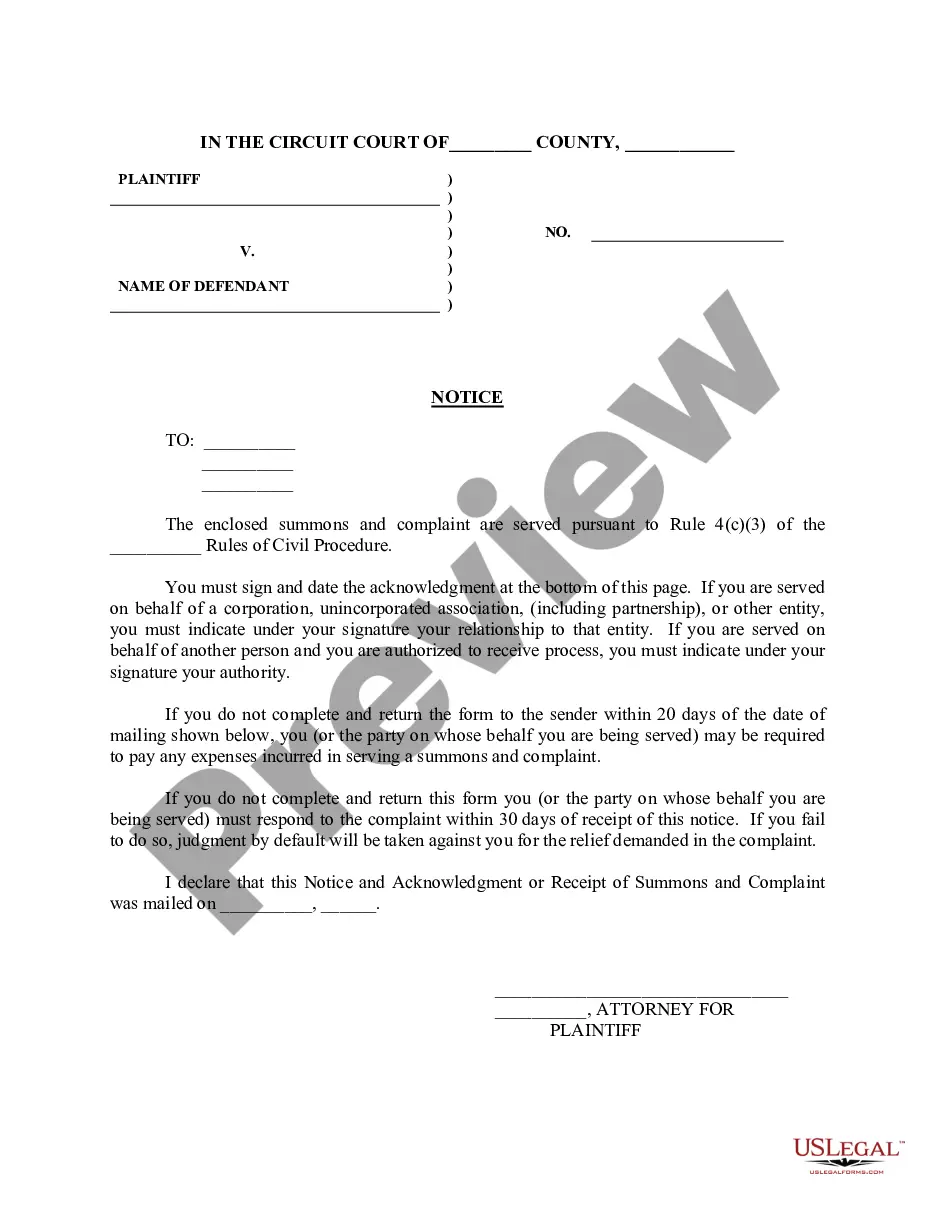
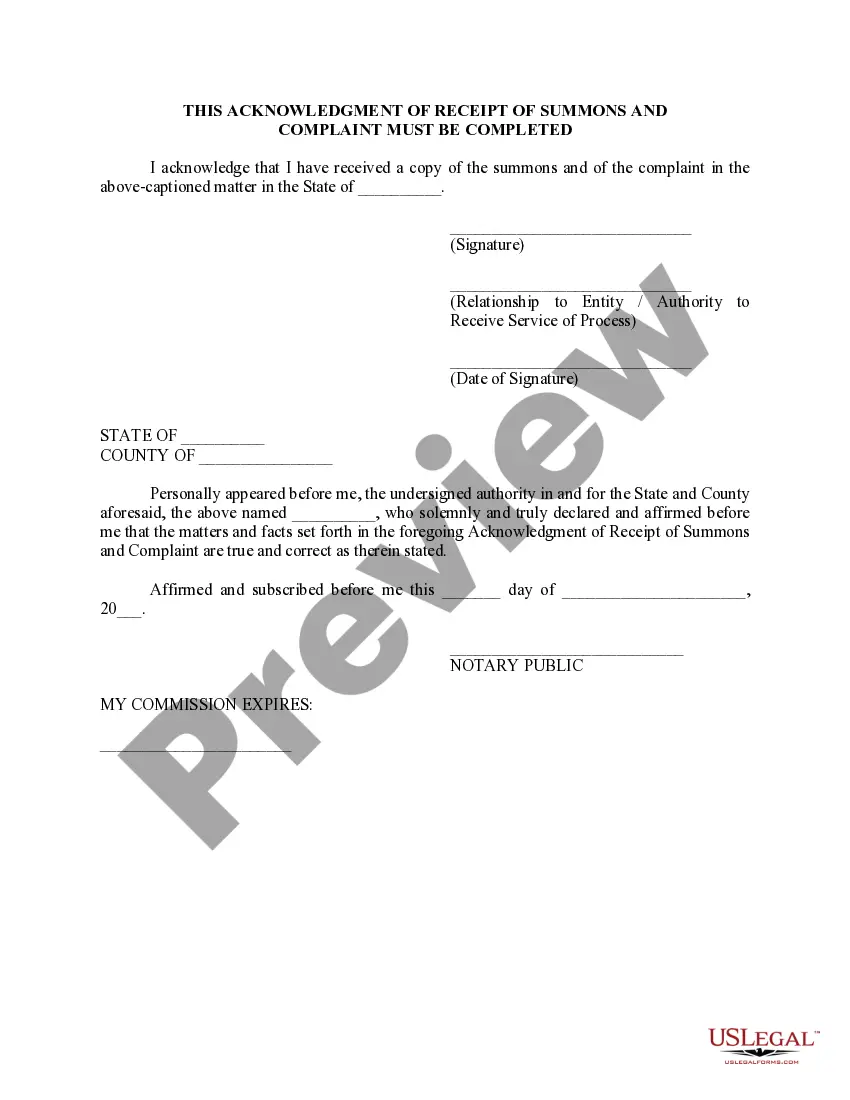
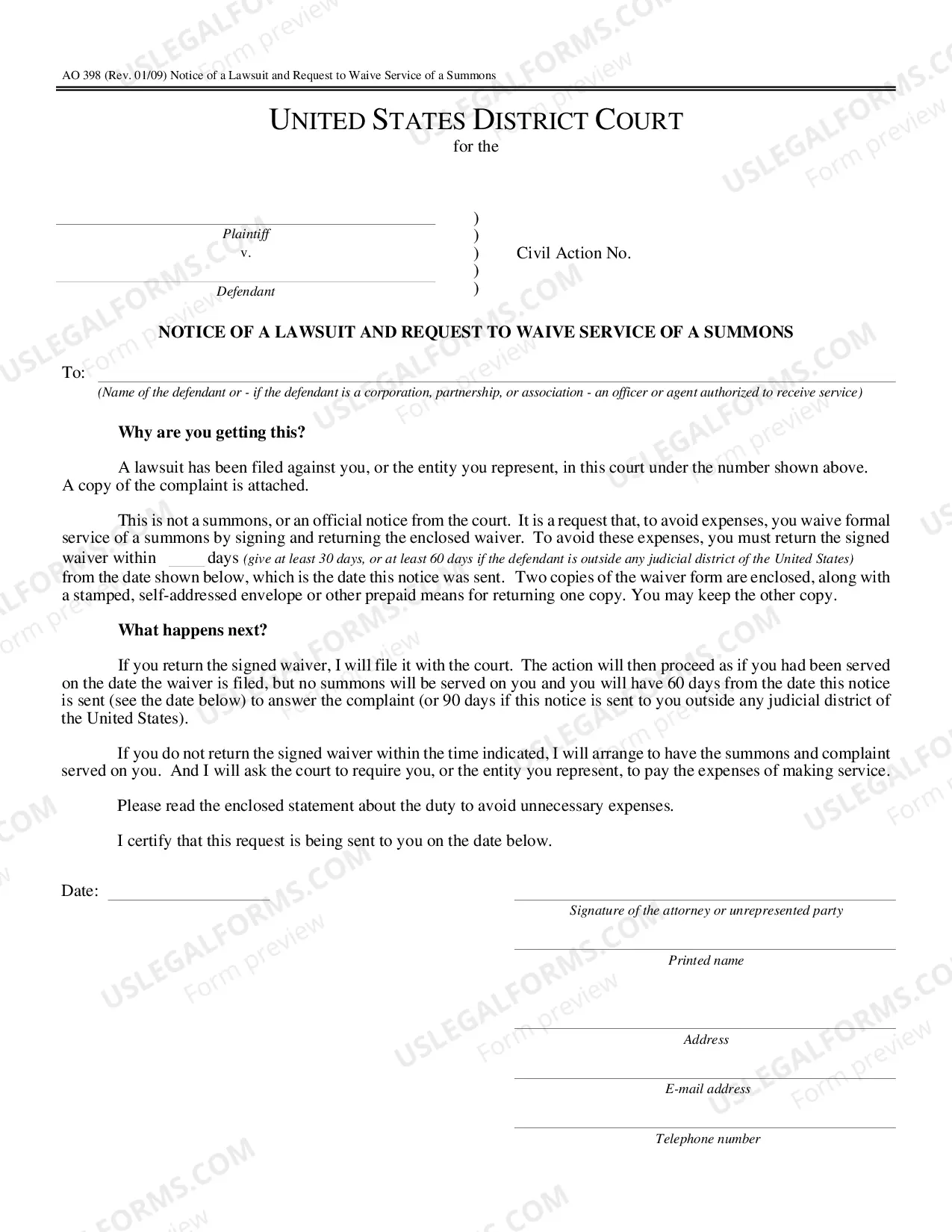
Salt Lake Utah Notice - served with Complaint and Summons
Description
Get your form ready online
Our built-in tools help you complete, sign, share, and store your documents in one place.
Make edits, fill in missing information, and update formatting in US Legal Forms—just like you would in MS Word.
Download a copy, print it, send it by email, or mail it via USPS—whatever works best for your next step.
Sign and collect signatures with our SignNow integration. Send to multiple recipients, set reminders, and more. Go Premium to unlock E-Sign.
If this form requires notarization, complete it online through a secure video call—no need to meet a notary in person or wait for an appointment.
We protect your documents and personal data by following strict security and privacy standards.

Make edits, fill in missing information, and update formatting in US Legal Forms—just like you would in MS Word.

Download a copy, print it, send it by email, or mail it via USPS—whatever works best for your next step.

Sign and collect signatures with our SignNow integration. Send to multiple recipients, set reminders, and more. Go Premium to unlock E-Sign.

If this form requires notarization, complete it online through a secure video call—no need to meet a notary in person or wait for an appointment.

We protect your documents and personal data by following strict security and privacy standards.
Looking for another form?

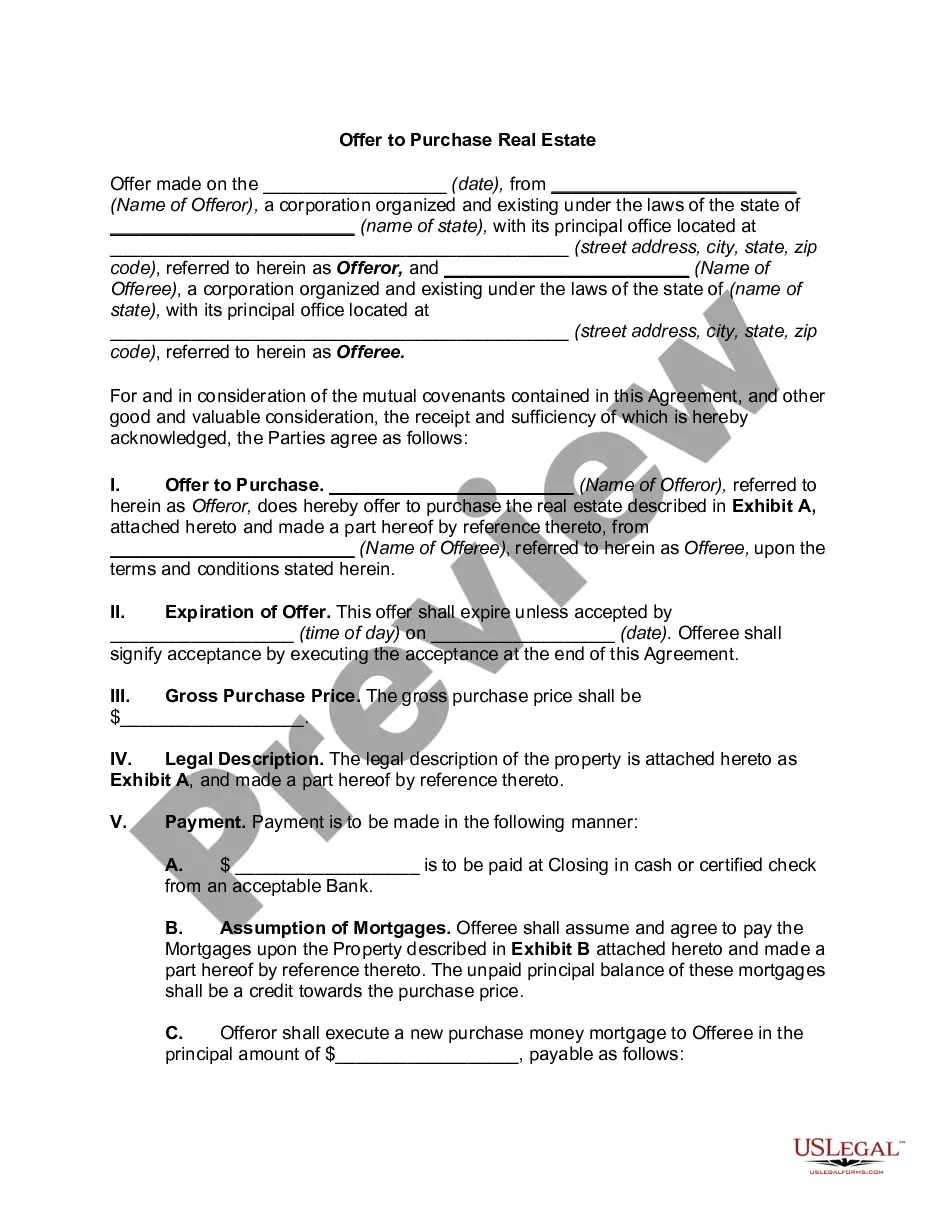
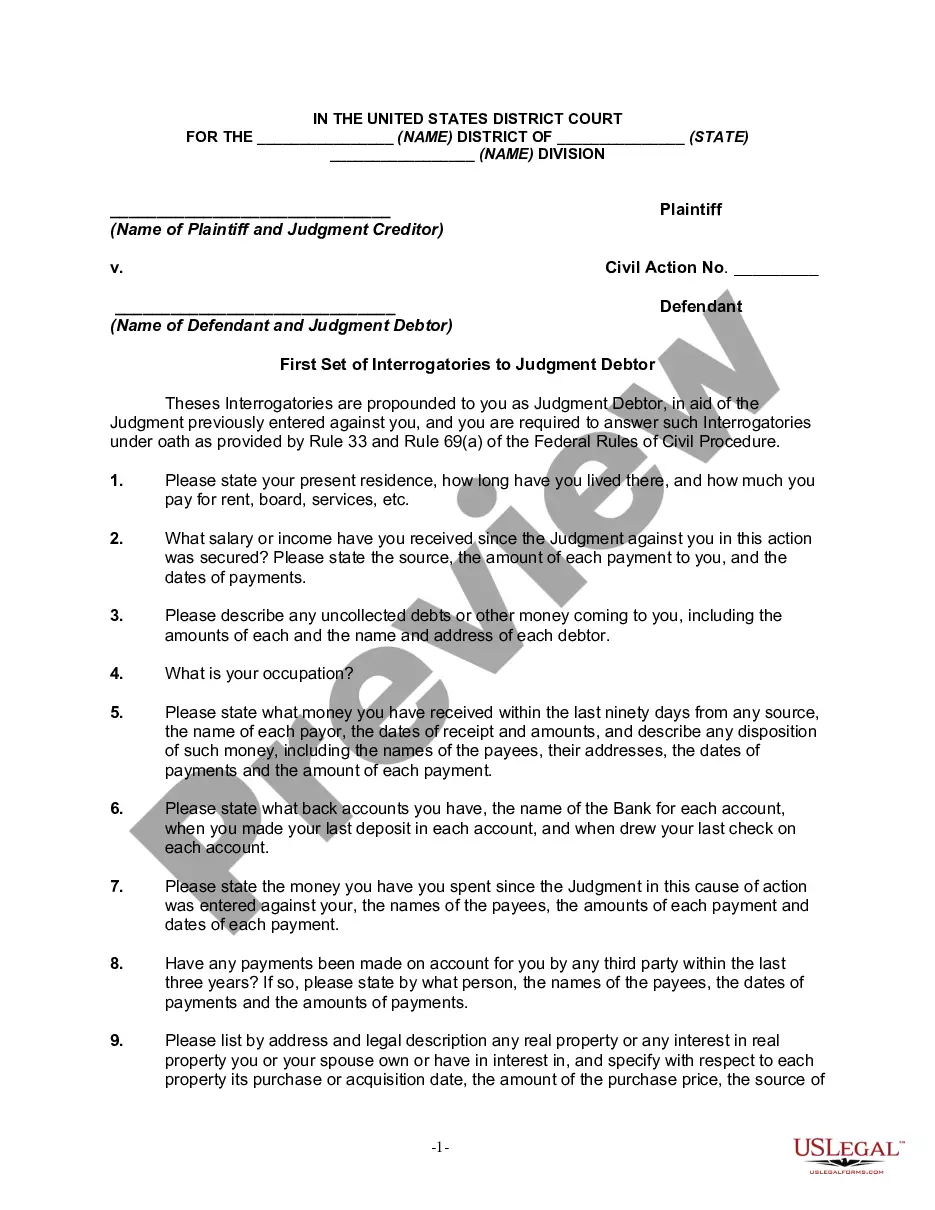
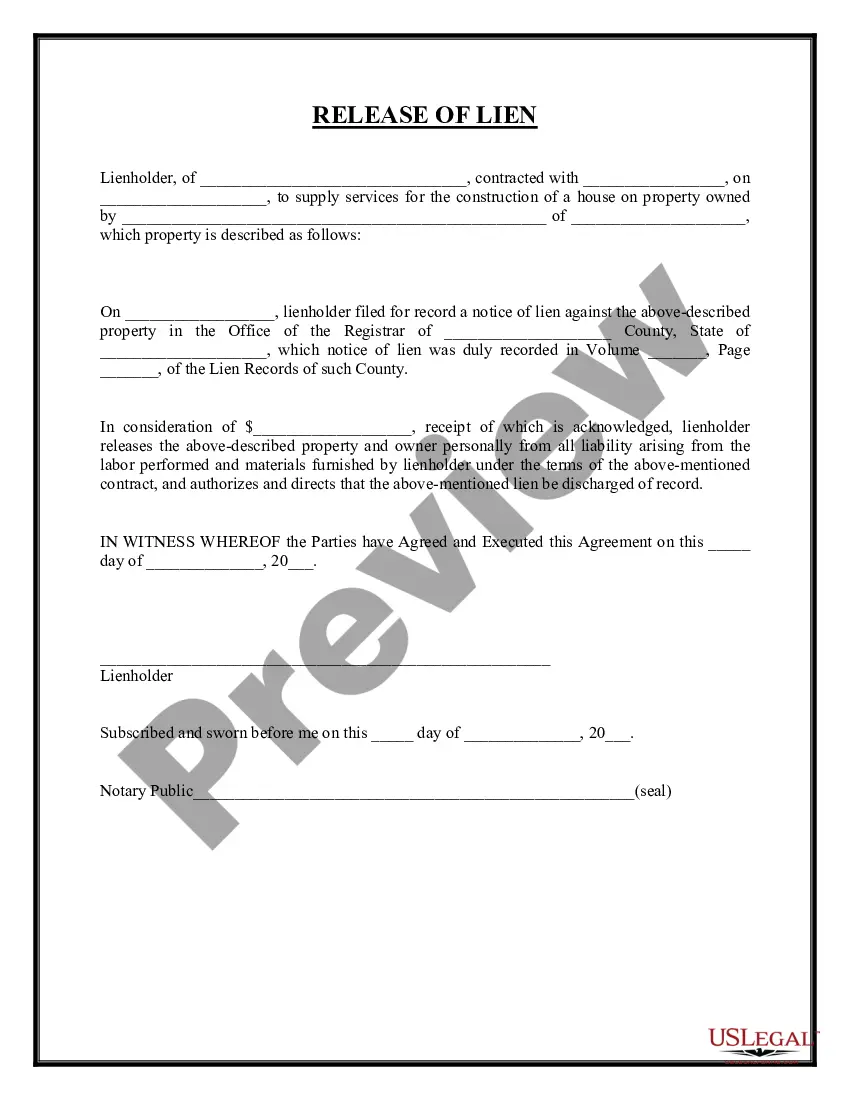
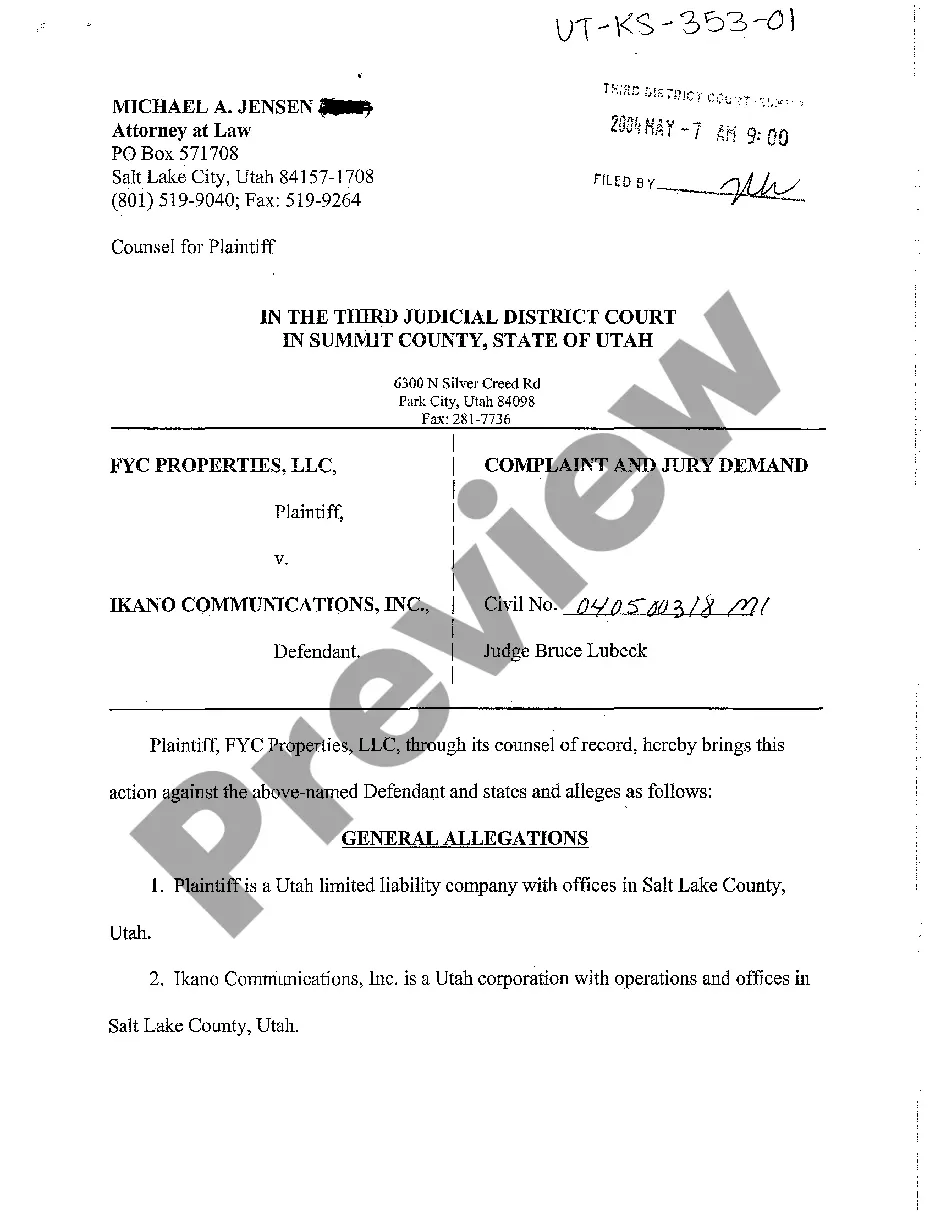
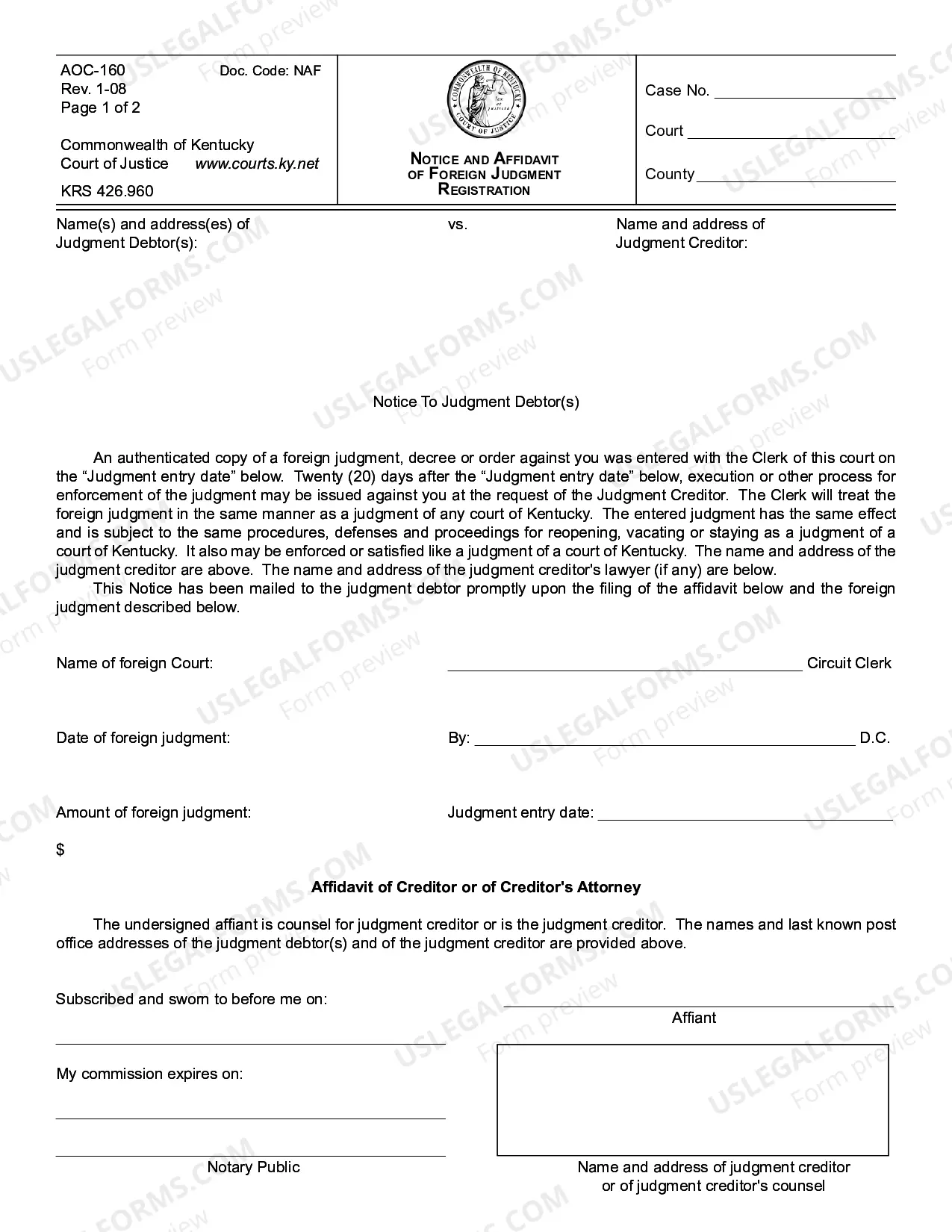
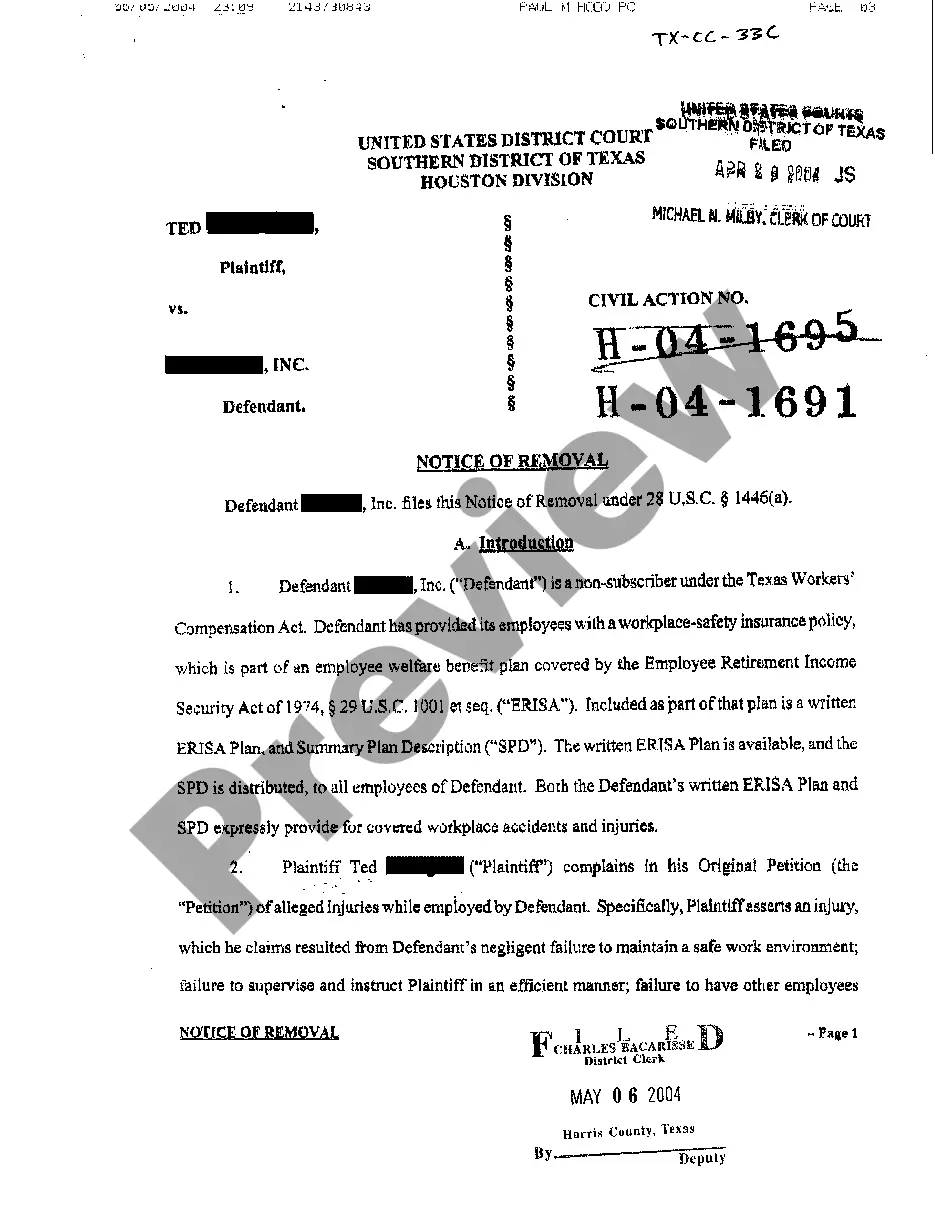
How to fill out Notice - Served With Complaint And Summons?
Do you require to swiftly compose a legally-enforceable Salt Lake Notice - to be delivered alongside Complaint and Summons or perhaps any other document to manage your personal or business matters.
You have two choices: reach out to a legal professional to draft a legal document for you or create it entirely on your own. Fortunately, there's a third alternative - US Legal Forms. It will assist you in obtaining well-written legal documents without incurring excessive costs for legal services.
Initiate your search again if the form doesn't match your needs by utilizing the search bar in the header.
Choose the plan that suits your requirements best and proceed to checkout.
- US Legal Forms offers a vast assortment of over 85,000 state-specific form templates, including Salt Lake Notice - to be served with Complaint and Summons and package forms.
- We supply documents for a wide range of scenarios: from dissolution of marriage papers to real estate form templates.
- We have operated in the market for more than 25 years and have established a strong reputation with our clients.
- Here's how you can join them and acquire the necessary template without unnecessary hassle.
- To begin, ensure the Salt Lake Notice - to be served with Complaint and Summons is compliant with your state's or county's regulations.
- If the form comes with a description, make sure to confirm its purpose.
Form popularity
FAQ
When a summons is served on the defendant, it must either be served personally, or on a person who is older than 16 at the premises where the defendant is employed or resides. There are exceptions to this rule but for the purposes of a medical malpractice claim, this rule applies.
HOW IS A SUMMON SERVED. Every summon shall be served by a police officer, or by an officer of the court issuing, it or any other public servant. The summon shall, if practical, be served personally on the person summoned, by delivering or tendering to him one of the duplicates of the summons.
If you know nothing more than the individual defendant's post office box, you'll need to get a street address in order to serve the person. To do this, you must give the post office a written statement saying that you need the address solely to serve legal papers in a pending lawsuit.
A summons must be served at least 7 days before the court date if it is served by personal delivery, or 21 days before the court date if it is served by postal delivery. If a summons has not been correctly served, you are not obliged to appear in court in response to it.
Make sure service by mail is allowed before you use this method to serve your papers. For service by mail: The server mails the papers to the party being served. If the party being served is a person, the papers can be mailed to his or her home or mailing address.
Complaints must be served on defendants. This lets defendants know that they are being sued and why. See Federal Rules of Civil Procedure, particularly Rules 3, 7, 8, and 10.
Documents can be mailed to the other party using the U.S. Postal Service or a commercial courier service such as FedEx or UPS. The documents must be sent by a method that requires the respondent to sign for the delivery. The document is not properly served if someone other than the respondent signs for the delivery.
The summons and complaint may be served by the sheriff or constable, or their deputy. Utah Process Service may also be done by a United States Marshal or their deputy, or by any other person eighteen years of age or older at the time of service, and not a party to the action or a party's attorney.
(1) A subpoena may be served by any person who is at least 18 years of age and not a party to the case. Service of a subpoena upon the person to whom it is directed shall be made as provided in Rule 4(d).
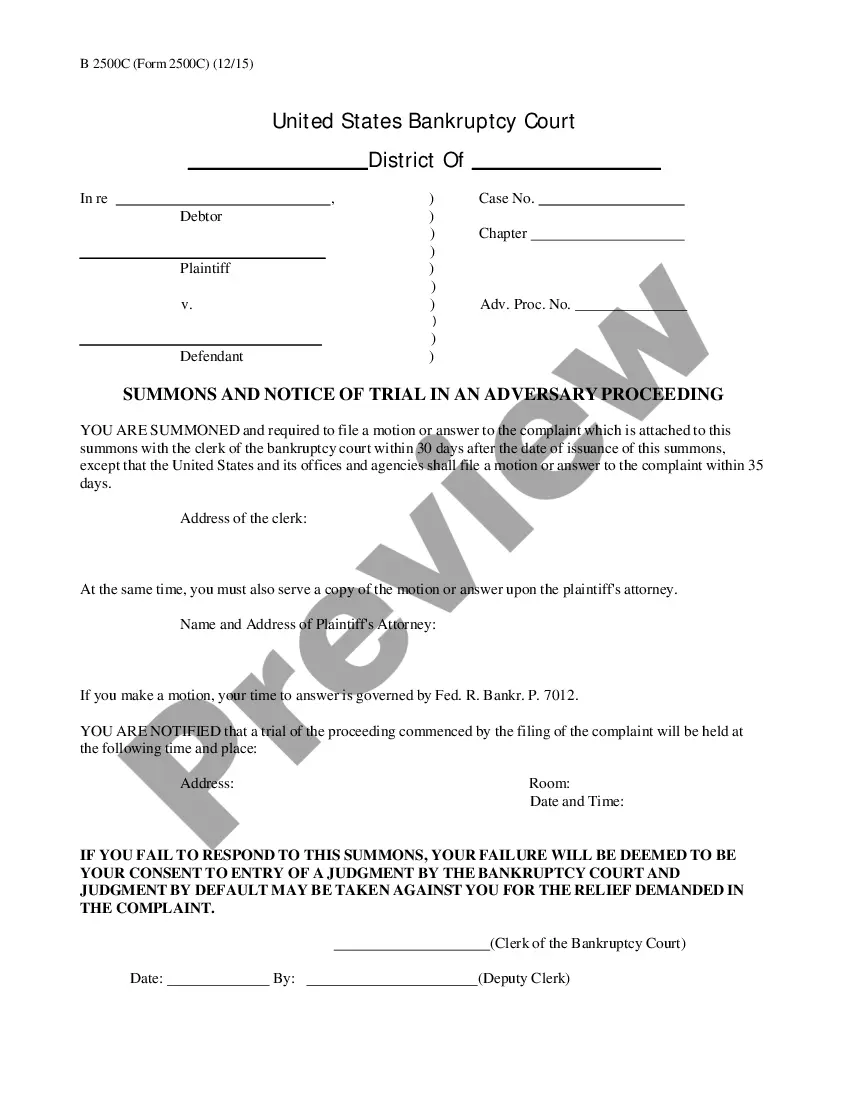
A summons is a notice served on a person to let them know that a complaint or petition has been filed against them. The summons requires the person to answer the complaint or petition within a certain amount of time, or attend a court hearing on a certain day and time.