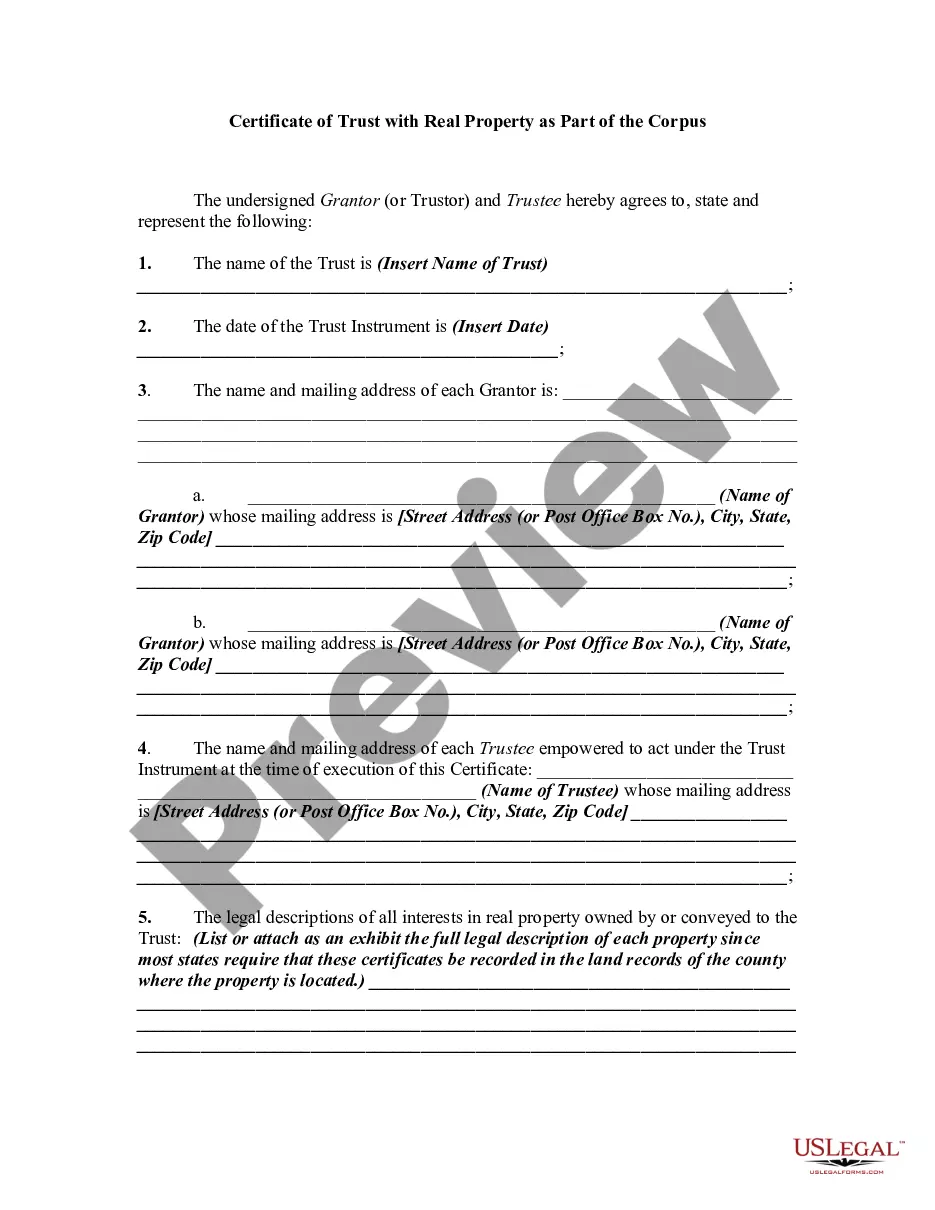
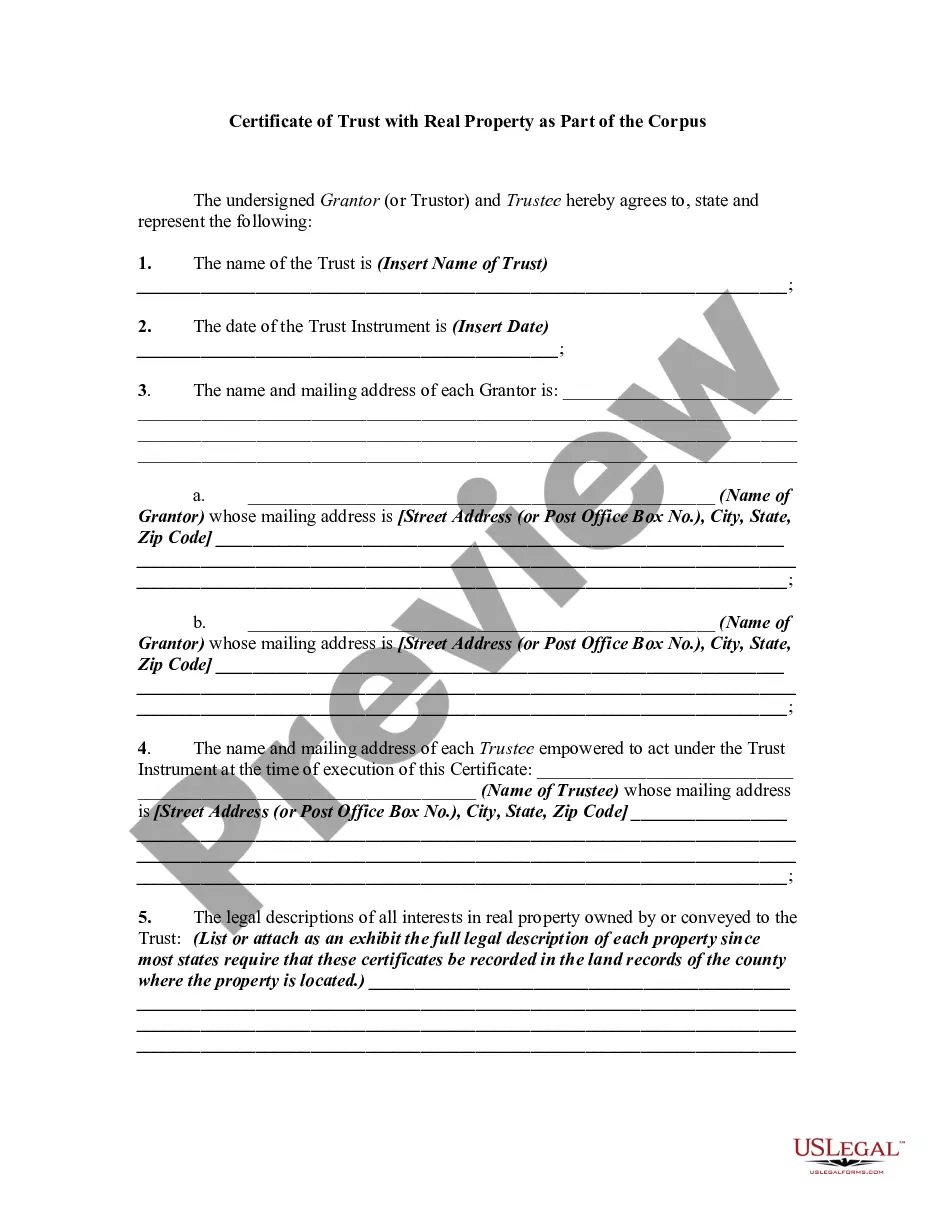
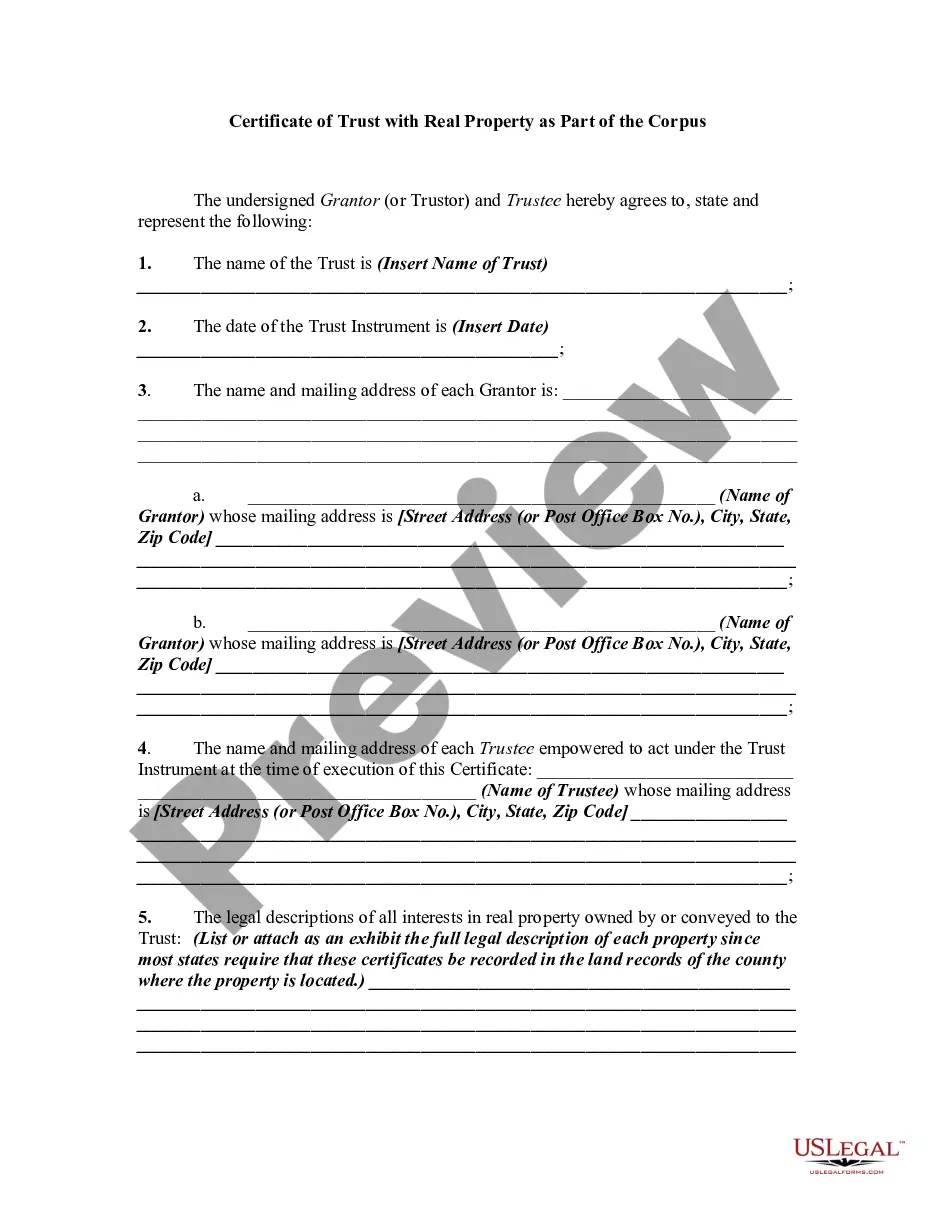
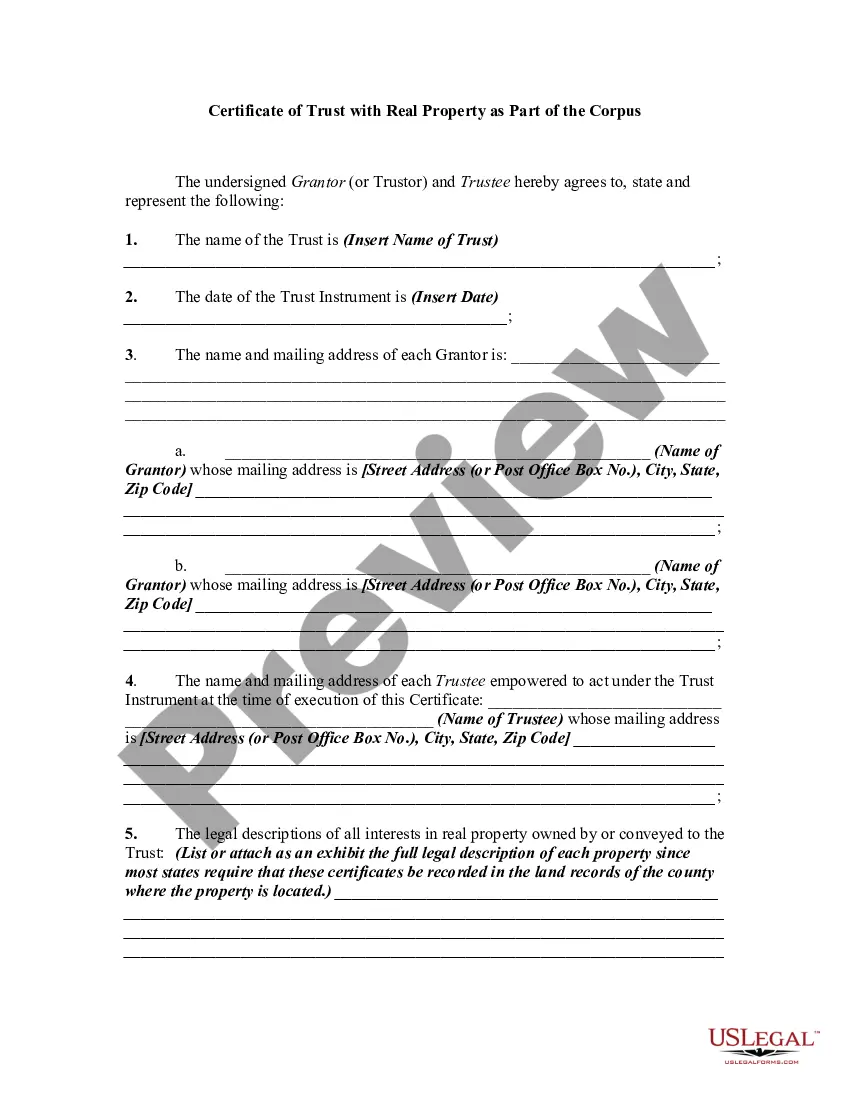
Alameda California Certificate of Trust - Indebtedness
Description
Get your form ready online
Our built-in tools help you complete, sign, share, and store your documents in one place.
Make edits, fill in missing information, and update formatting in US Legal Forms—just like you would in MS Word.
Download a copy, print it, send it by email, or mail it via USPS—whatever works best for your next step.
Sign and collect signatures with our SignNow integration. Send to multiple recipients, set reminders, and more. Go Premium to unlock E-Sign.
If this form requires notarization, complete it online through a secure video call—no need to meet a notary in person or wait for an appointment.
We protect your documents and personal data by following strict security and privacy standards.

Make edits, fill in missing information, and update formatting in US Legal Forms—just like you would in MS Word.

Download a copy, print it, send it by email, or mail it via USPS—whatever works best for your next step.

Sign and collect signatures with our SignNow integration. Send to multiple recipients, set reminders, and more. Go Premium to unlock E-Sign.

If this form requires notarization, complete it online through a secure video call—no need to meet a notary in person or wait for an appointment.

We protect your documents and personal data by following strict security and privacy standards.
Looking for another form?
How to fill out Certificate Of Trust - Indebtedness?
A document procedure consistently accompanies any legal action you perform.
Starting a business, submitting or accepting a job offer, transferring ownership, and many other life situations necessitate that you prepare official documentation that varies across the nation.
That's the reason aggregating everything in a single location is extremely beneficial.
US Legal Forms is the most comprehensive online collection of current federal and state-specific legal templates. Here, you can swiftly find and retrieve a document for any personal or professional intention used in your locality, including the Alameda Certificate of Trust for Property.
This is the easiest and most reliable method to obtain legal documents. All the templates provided by our library are expertly drafted and validated for compliance with local laws and regulations. Prepare your documentation and conduct your legal matters efficiently with US Legal Forms!
- Finding templates on the platform is remarkably straightforward.
- If you already possess a subscription to our library, Log In to your account, locate the sample using the search bar, and click Download to save it on your device.
- Subsequently, the Alameda Certificate of Trust for Property will be available for further use in the My documents section of your profile.
- If this is your initial experience with US Legal Forms, follow this brief guide to acquire the Alameda Certificate of Trust for Property.
- Ensure you have accessed the correct page with your localized form.
- Utilize the Preview mode (if available) and peruse through the template.
- Review the description (if any) to confirm that the form meets your requirements.
- Search for an alternative document using the search feature in case the sample does not suit you.
- Press Buy Now after you find the required template.
Form popularity
FAQ
A trust is a legal entity that allows property to be passed from the person who created the trust (the grantor) to the person they want to pass their property to (the beneficiary). A trustee oversees the trust and manages the assets in the trust on behalf of the beneficiary, according to the grantor's instructions.
In California, a trust does not have to be recorded to be legal unless it holds title on real estate. If a trust does not hold title on real estate property, all assets held in the name of the trust are kept private. The trustee maintains a record of all trust property in a trust portfolio.
As a Trust, you need to prepare the Trust Deed on stamp paper.In addition to this, you need to pay a fee of Rs.Once you submit the papers, you can collect a certified copy of the Trust Deed within one week's time from the registrar's office.
The recorded certification of trust shall be a public record of the real property involved. This subdivision does not create a requirement to record a certification of trust in conjunction with the recordation of a transfer of title of real property involving a trust.
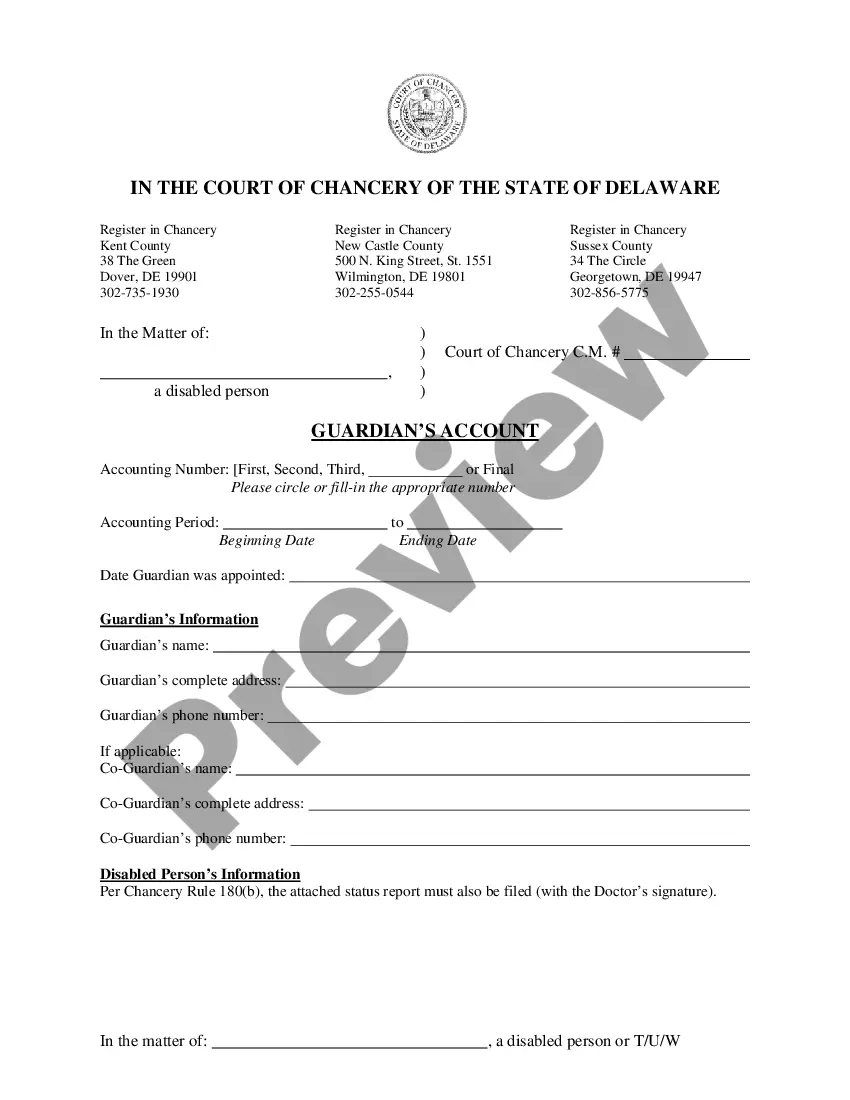
A Certification of Trust is a legal document that can be used to certify both the existence of a Trust, as well as to prove a Trustee's legal authority to act.
And you cannot go to any other California government office and ask to see the Trust. Trusts are private documents and they typically remain private even after someone dies. The only way to obtain a copy of the Trust is to demand a copy from the Trustee (or whoever has a copy of the documents, if not the Trustee).
Trusts help you pass on your house before you die That means you could move your house into a trust and then transfer ownership to someone else even before you die (like by setting it up as a trust fund). For example, you may choose to pass on your house should you go into long-term care or become incapacitated.
The certificate of the trust should also include a description of how the assets should be distributed to the beneficiaries of the trusts. The trust grantor and the trustee will have to sign and date the document and it will have to be notarized and signed by a notary public.
The recorded certification of trust shall be a public record of the real property involved. This subdivision does not create a requirement to record a certification of trust in conjunction with the recordation of a transfer of title of real property involving a trust.
In California, the certification of trust is governed by Probate Code Section 18100.5. A certificate of trust is used by an acting trustee or trustees of a trust to prove to financial institutions or other third parties that he/she/they has/have the authority to act on behalf of the trust.