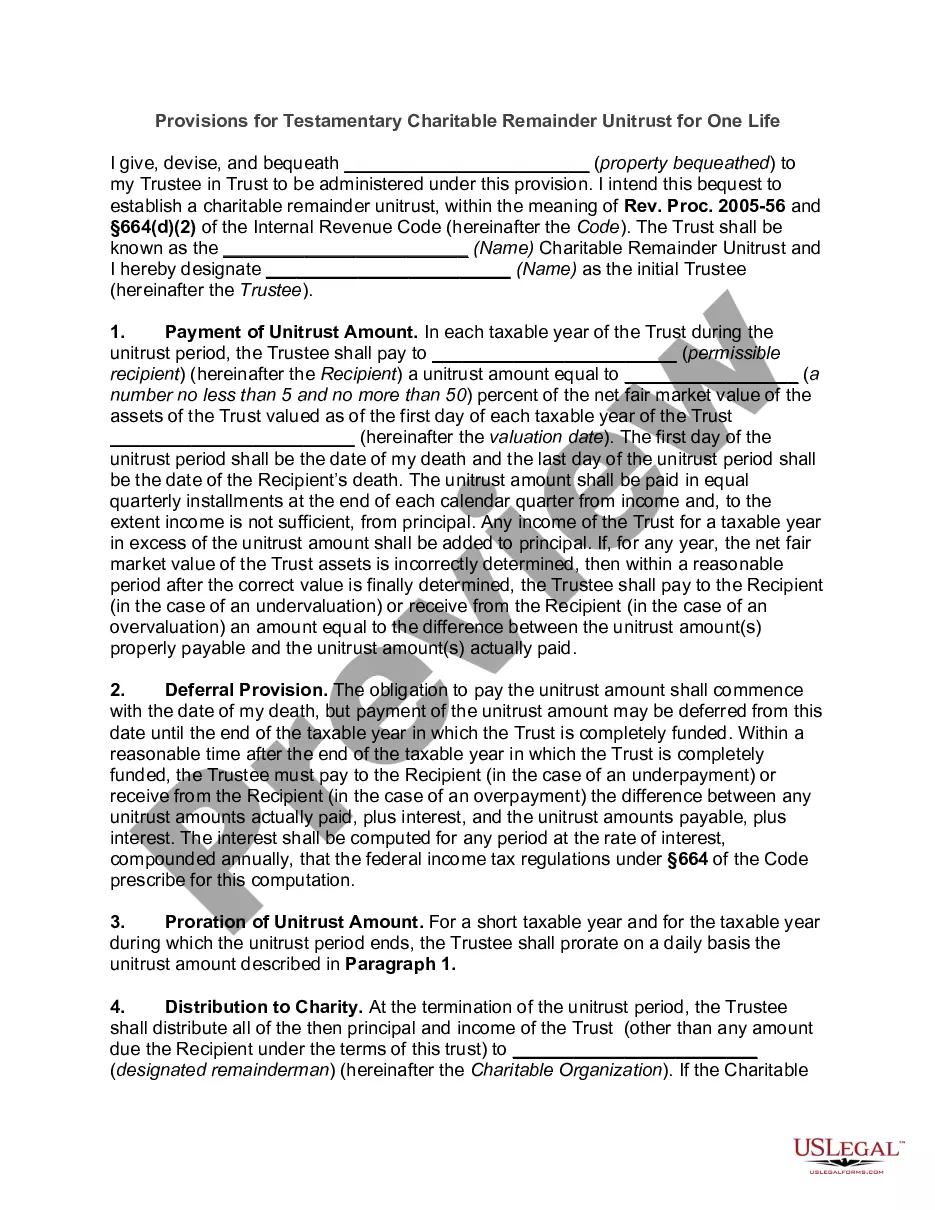
Oakland Michigan Charitable Remainder Inter Vivos Unitrust Agreement
Description
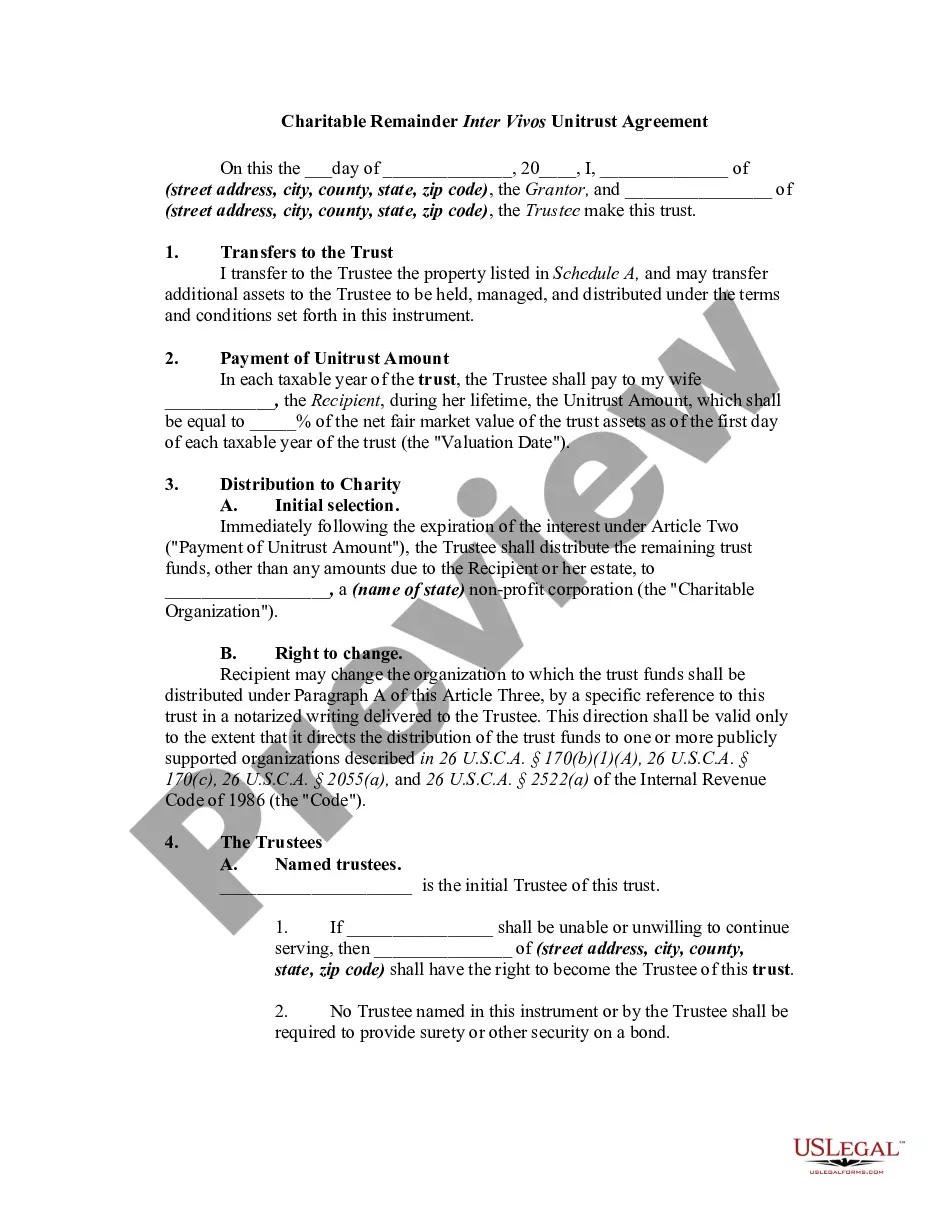
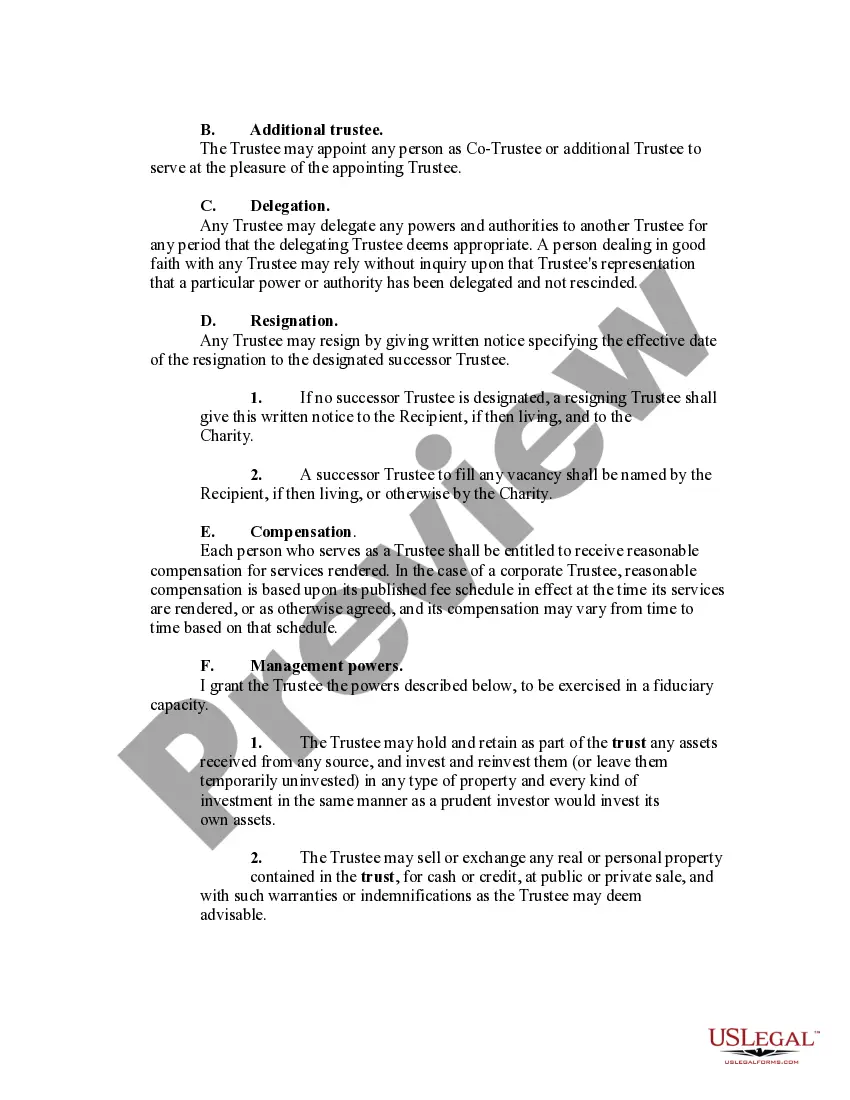
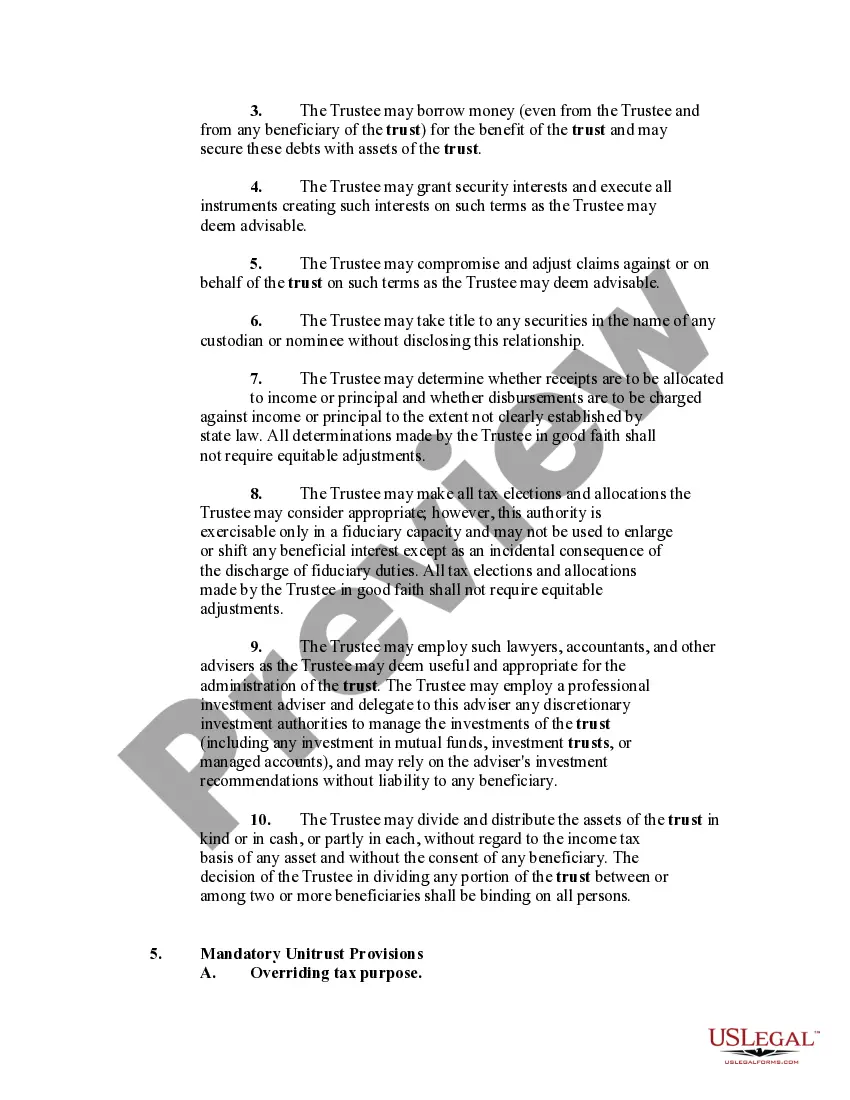
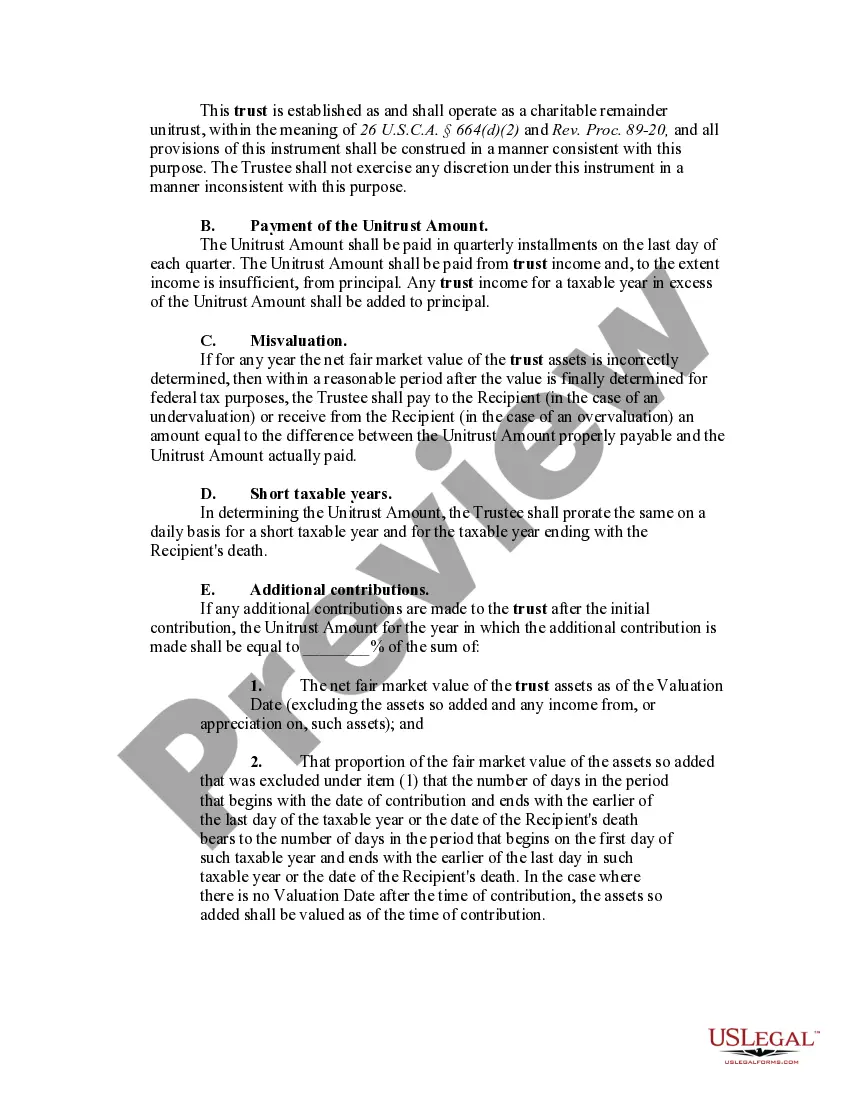
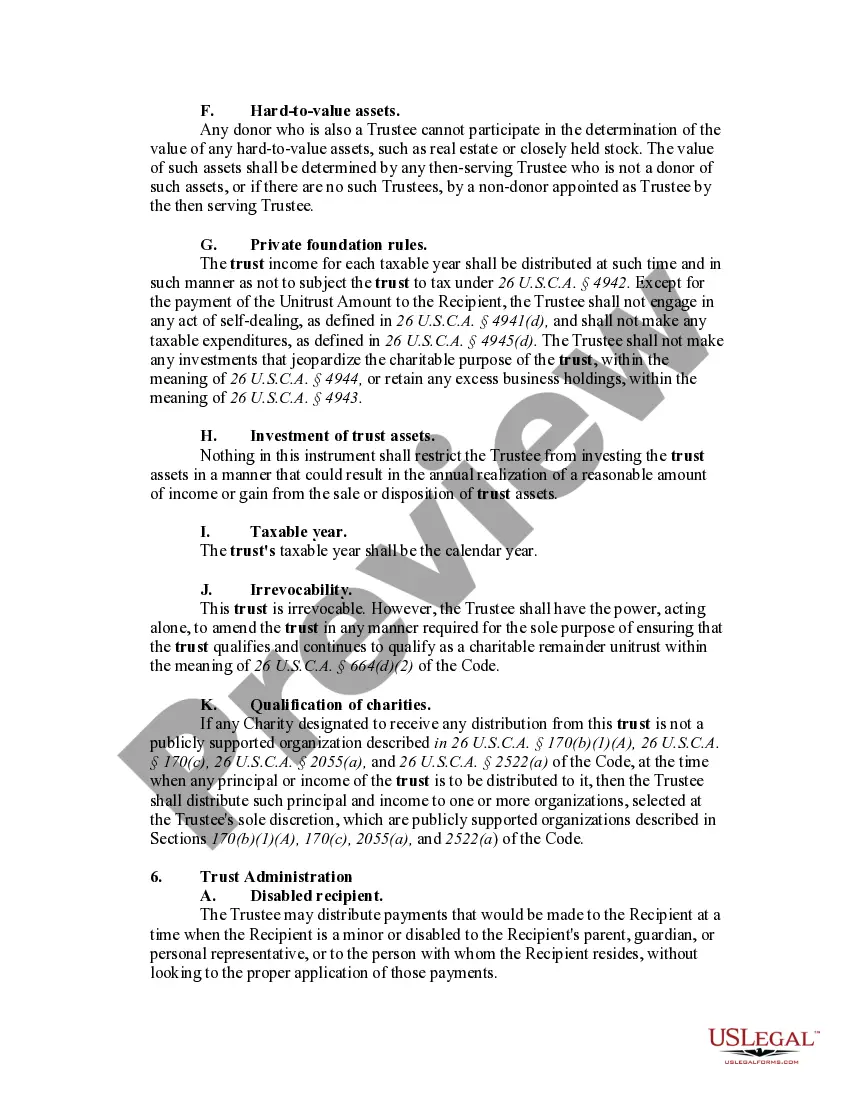
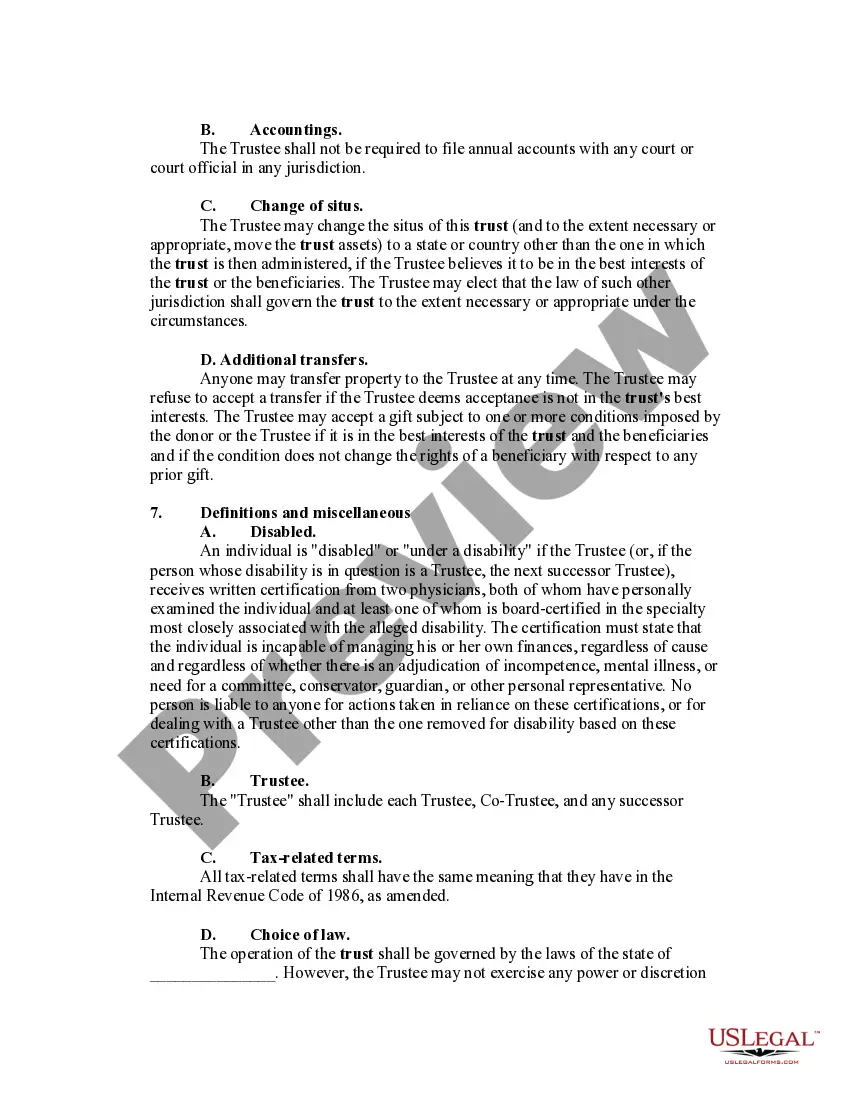
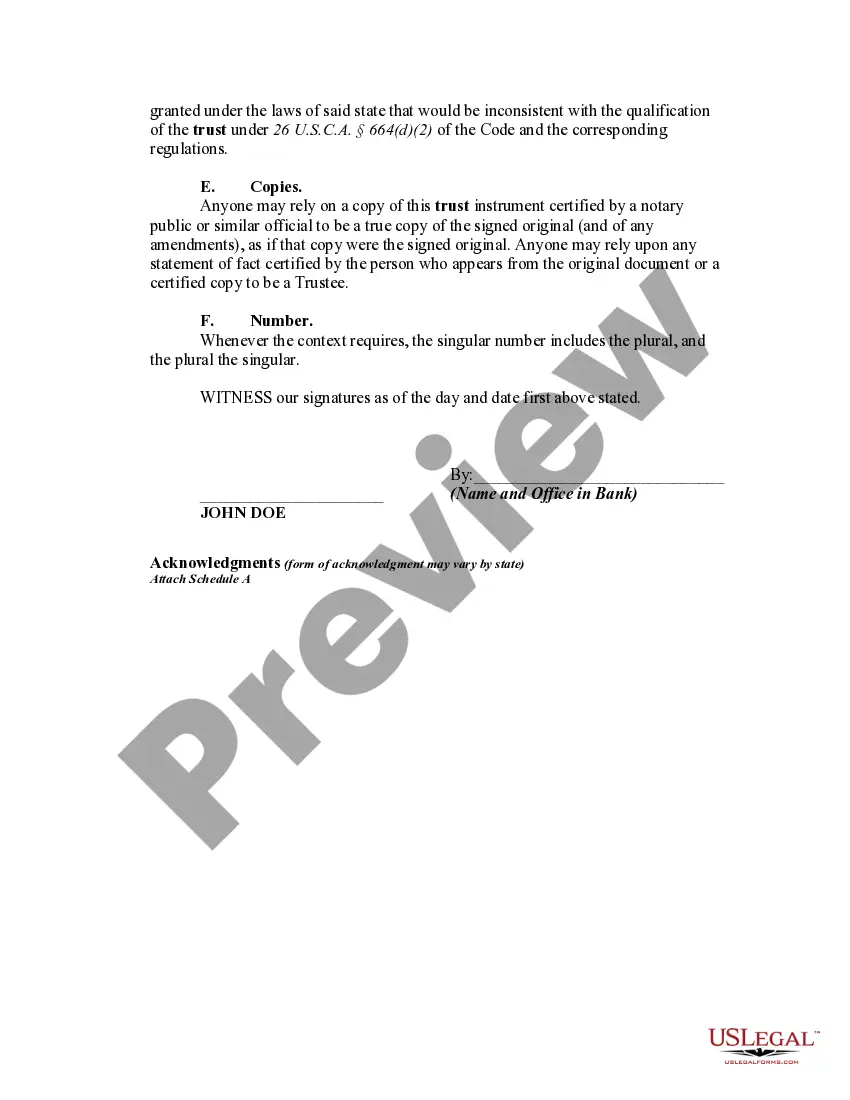





How to fill out Charitable Remainder Inter Vivos Unitrust Agreement?
Laws and rules in every area vary from one jurisdiction to another.
If you aren't a lawyer, it's simple to become confused by a range of regulations when it comes to creating legal documents.
To prevent expensive legal fees when drafting the Oakland Charitable Remainder Inter Vivos Unitrust Agreement, you require a validated template that is valid for your area.
That's the simplest and most economical method to acquire current templates for any legal needs. Find them all with a few clicks and keep your documents organized with US Legal Forms!
- That's when utilizing the US Legal Forms platform becomes so beneficial.
- US Legal Forms is a reliable online repository used by millions, containing over 85,000 state-specific legal templates.
- It's an excellent solution for professionals and individuals seeking do-it-yourself templates for various life and business scenarios.
- All documents can be reused: after obtaining a sample, it stays available in your profile for future use.
- Therefore, with an account that has an active subscription, you can easily Log In and retrieve the Oakland Charitable Remainder Inter Vivos Unitrust Agreement from the My documents section.
- For new users, a few additional steps are necessary to obtain the Oakland Charitable Remainder Inter Vivos Unitrust Agreement.
- Review the page content to confirm you've found the correct sample.
- Utilize the Preview feature or read the form description if one is available.
Form popularity
FAQ
How to Set up a Charitable Remainder TrustCreate a Charitable Remainder Trust.Check with the IRS that the charity you want to benefit is approved.Transfer assets into the Trust.Name the charity as Trustee.Create a provision that states who the lead beneficiary is - remember, this can be yourself or someone else.More items...
The time it takes to create the trust depends on how efficiently the attorney and client work together. The one-time cost can be $3,000-$8,000 depending on the complexity of the trust.
The minimum funding amount to establish a charitable remainder unitrust with Stanford as trustee is at least $200,000, with the actual minimum determined based on the term of the trust and the payout rate.
The trustee will invest property owned by the trust and may generate significant income and the trustee will be required to file income tax returns to report that income. Because a charitable remainder trust is ordinarily tax-exempt, the trust will calculate net income at the trust level, but will pay no tax.
In most instances, the payments will eventually be taxed as ordinary income. The charity that issues the annuity will send a Form 1099-R to the annuitant each year. This form will specify how the payments should be reported for income tax purposes.
How to Set up a Charitable Remainder TrustCreate a Charitable Remainder Trust.Check with the IRS that the charity you want to benefit is approved.Transfer assets into the Trust.Name the charity as Trustee.Create a provision that states who the lead beneficiary is - remember, this can be yourself or someone else.More items...
interest trust other than an IRC Section 664 charitable remainder trust must file Form 1041 with Form 5227 if it has $600 of gross income or any taxable income during the year. Charities often promote splitinterest trusts with the charity serving as the trustee, however this isn't a requirement.
Use Schedule A of Form 5227 to report:Accumulations of income for charitable remainder trusts,Distributions to noncharitable beneficiaries/recipients, and.Information about donors and assets contributed during the year.
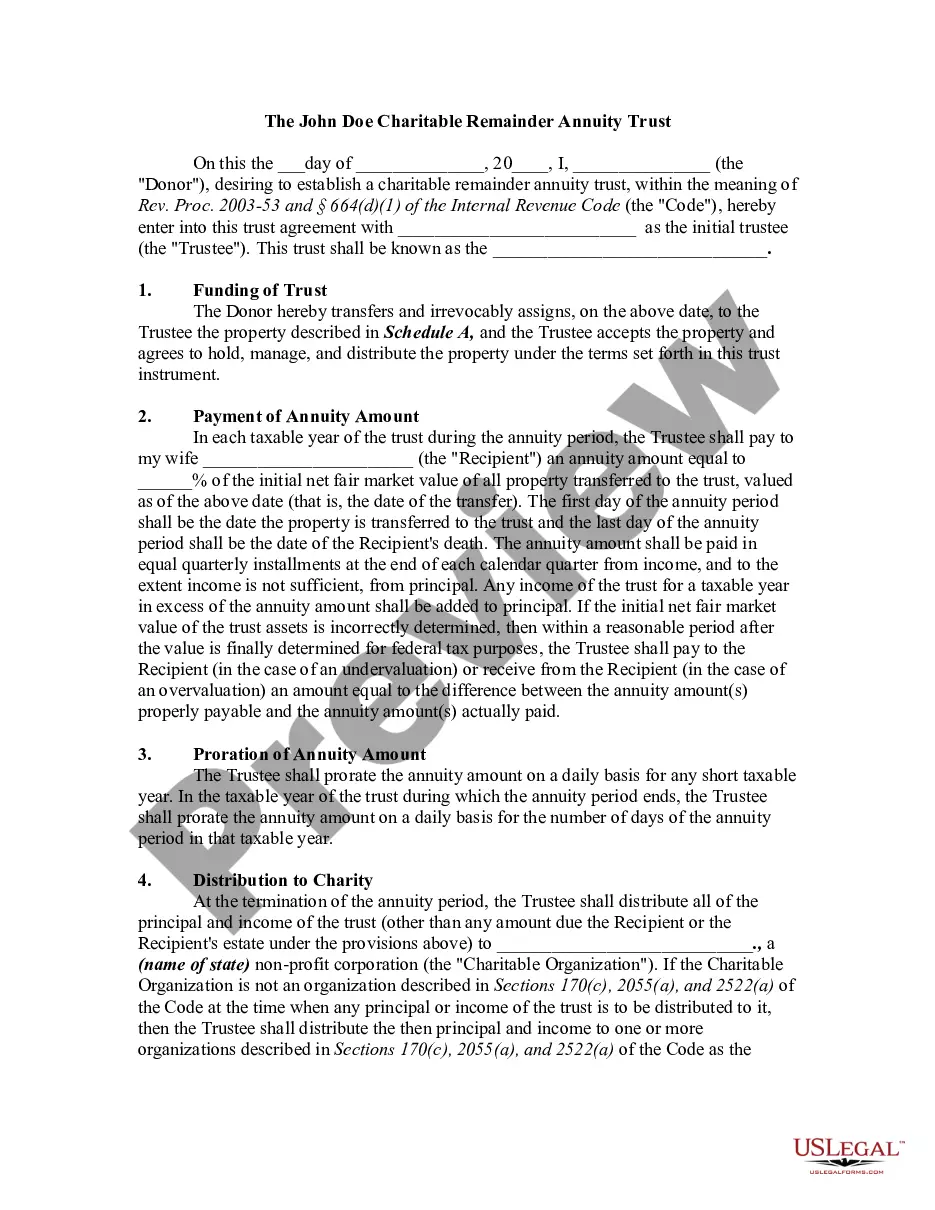
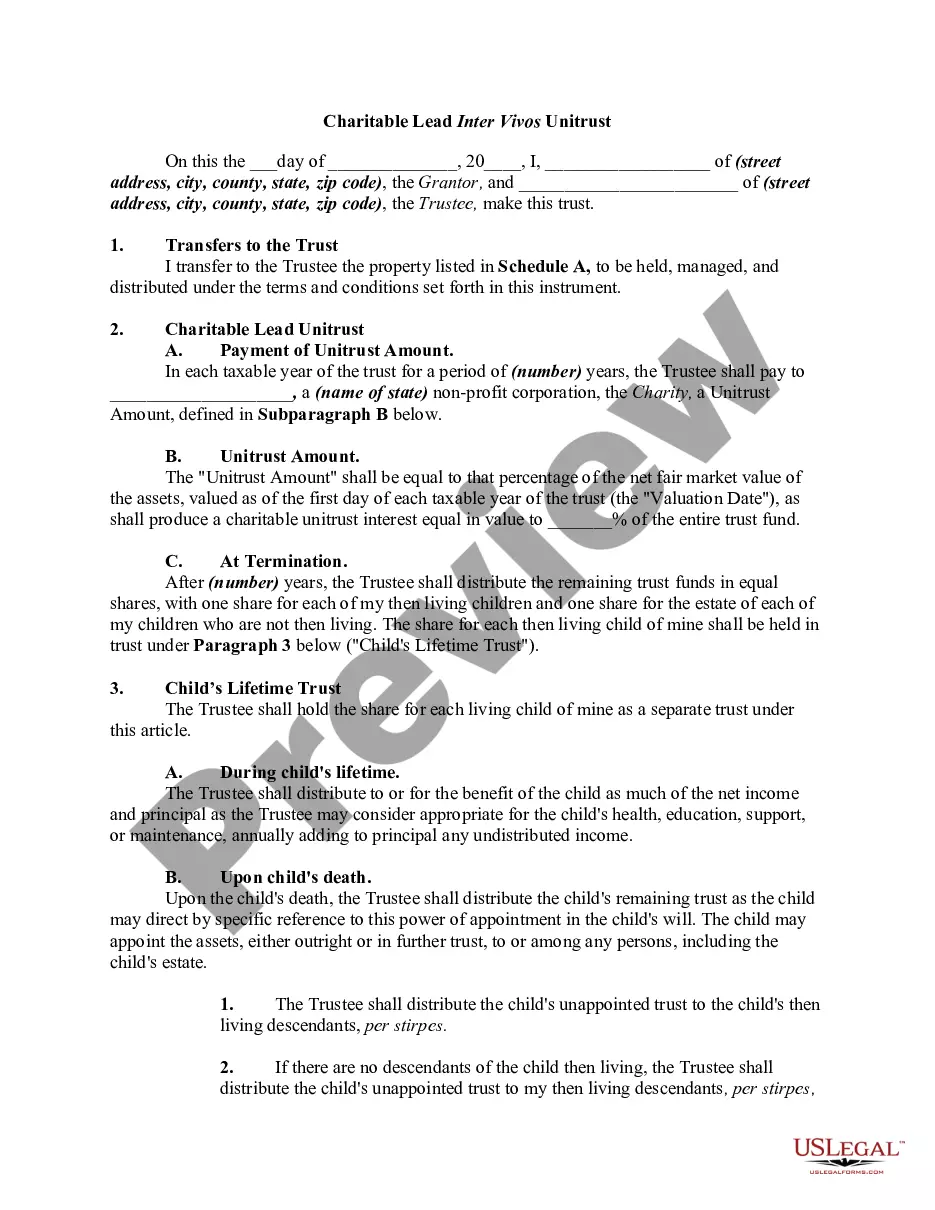
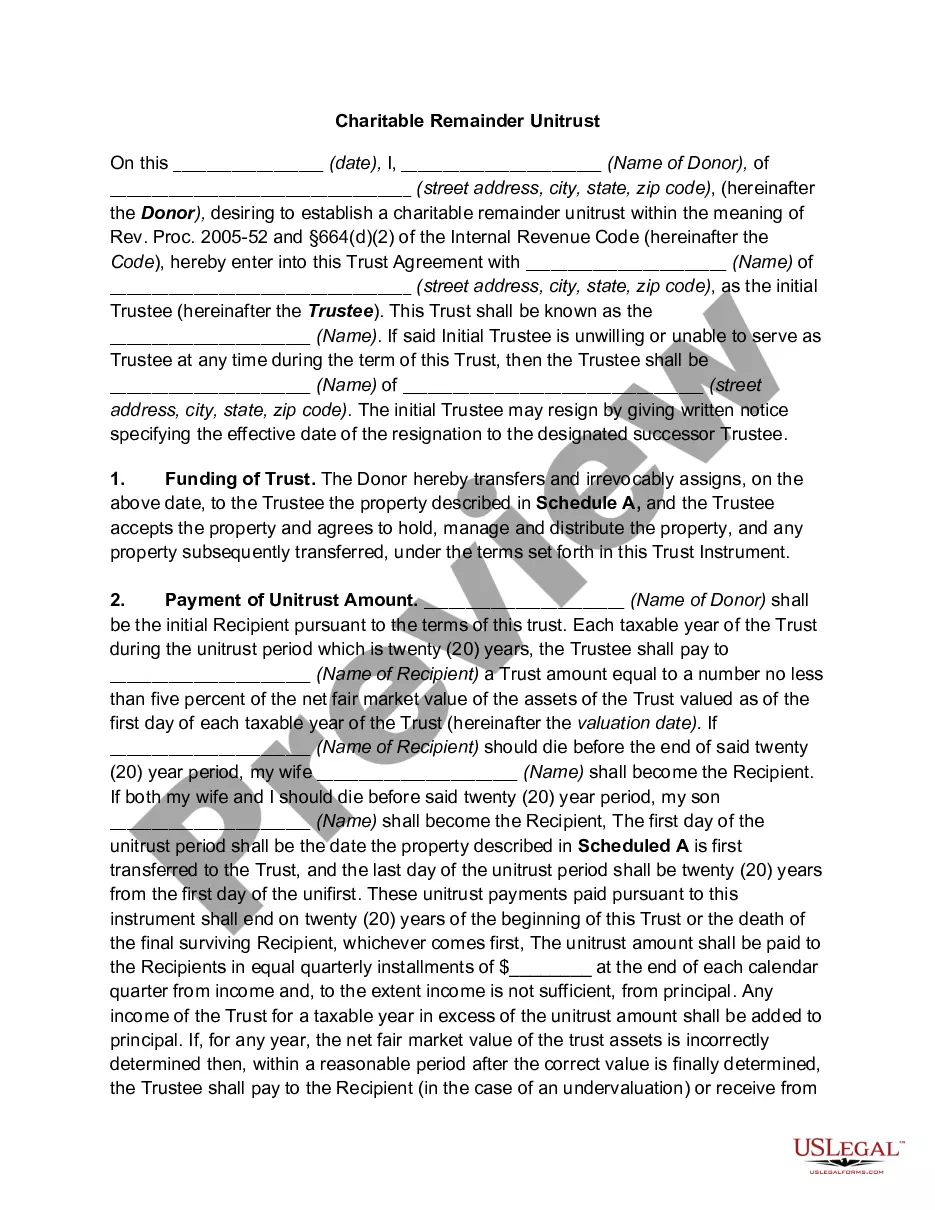
By the Charitable Strategies Group A Charitable Remainder Trust (CRT) is a gift of cash or other property to an irrevocable trust. The donor receives an income stream from the trust for a term of years or for life and the named charity receives the remaining trust assets at the end of the trust term.