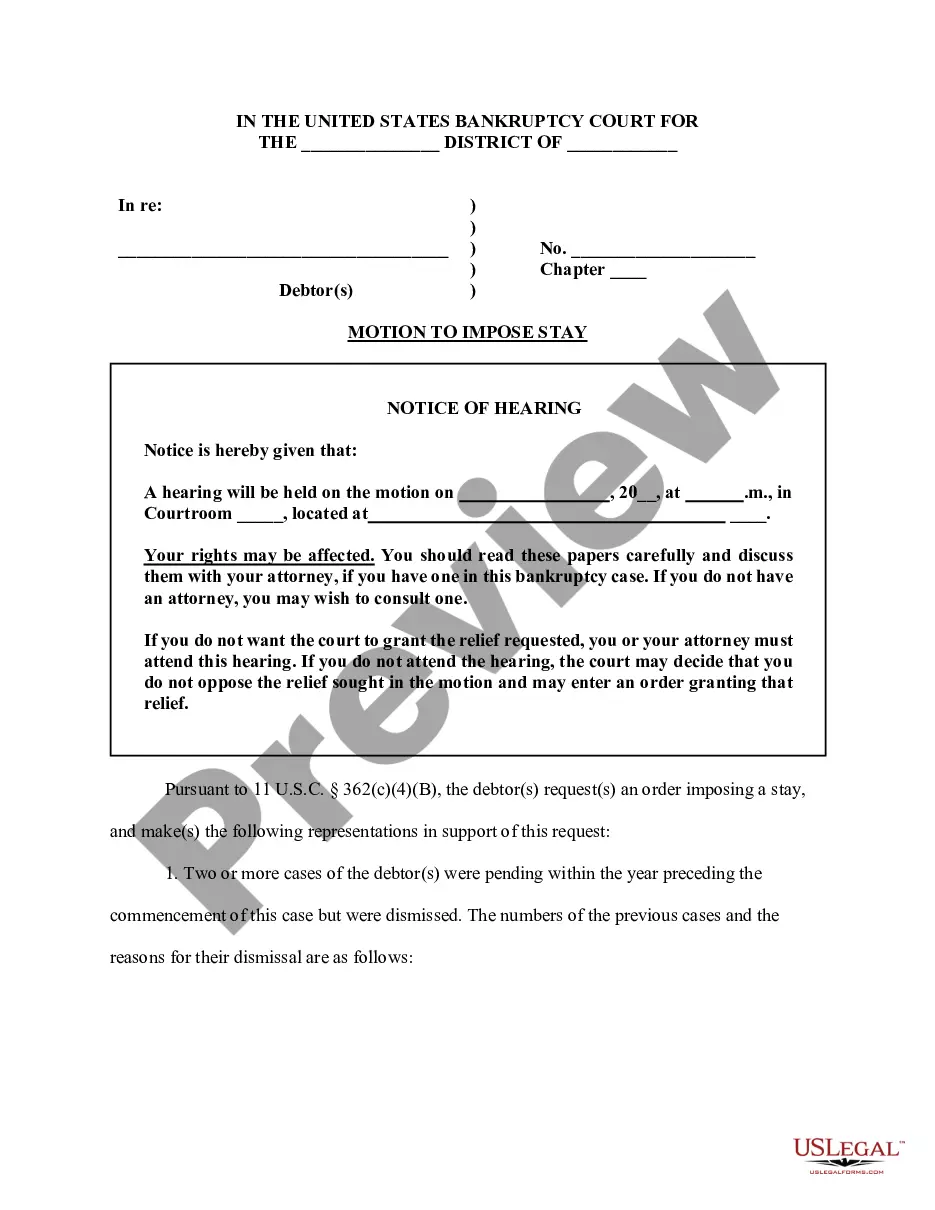
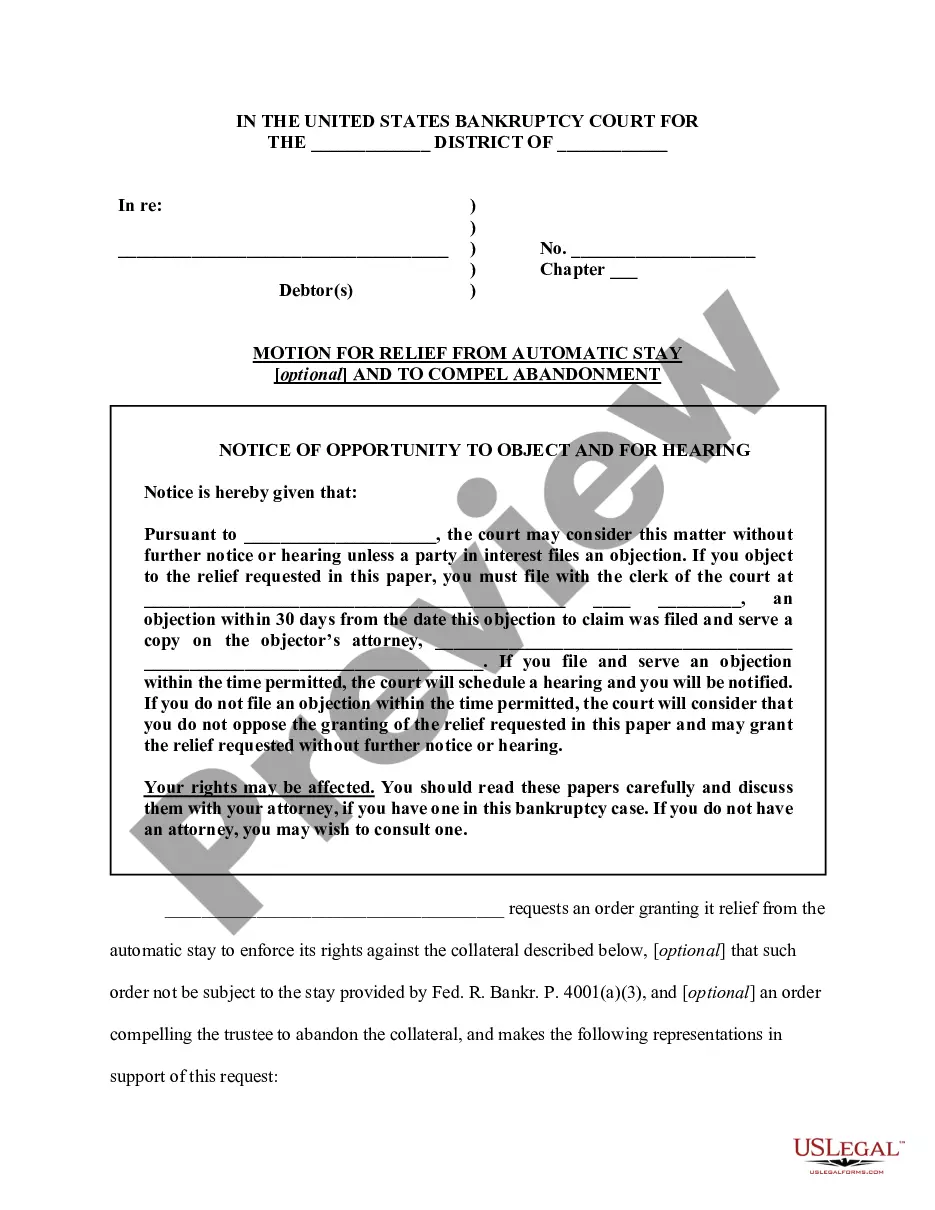
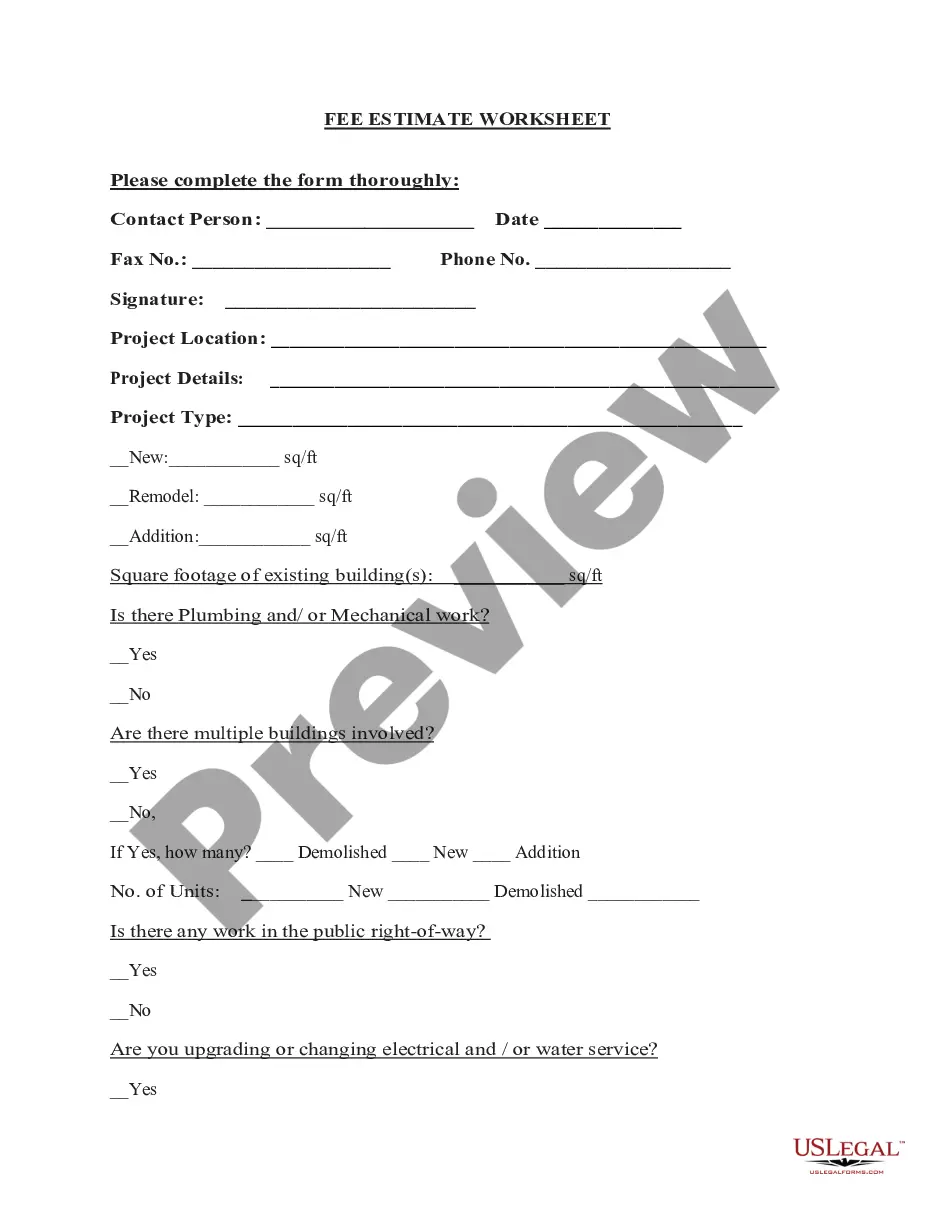
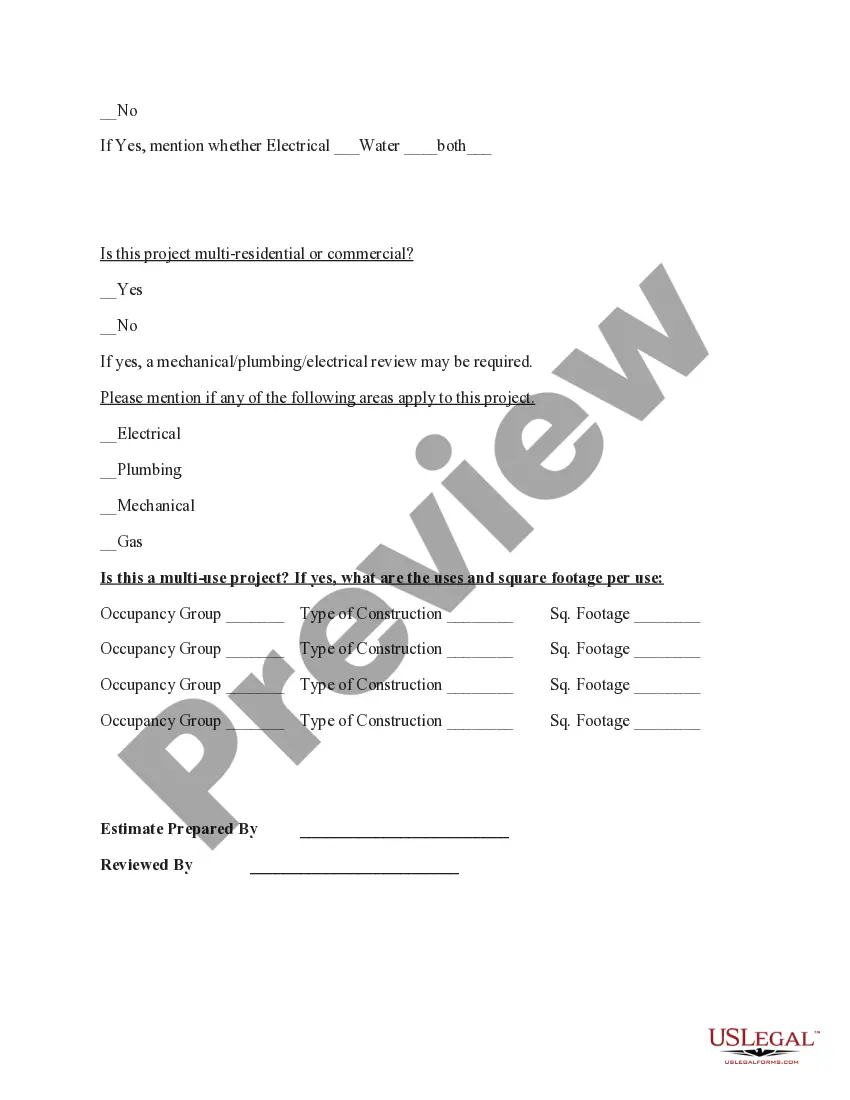
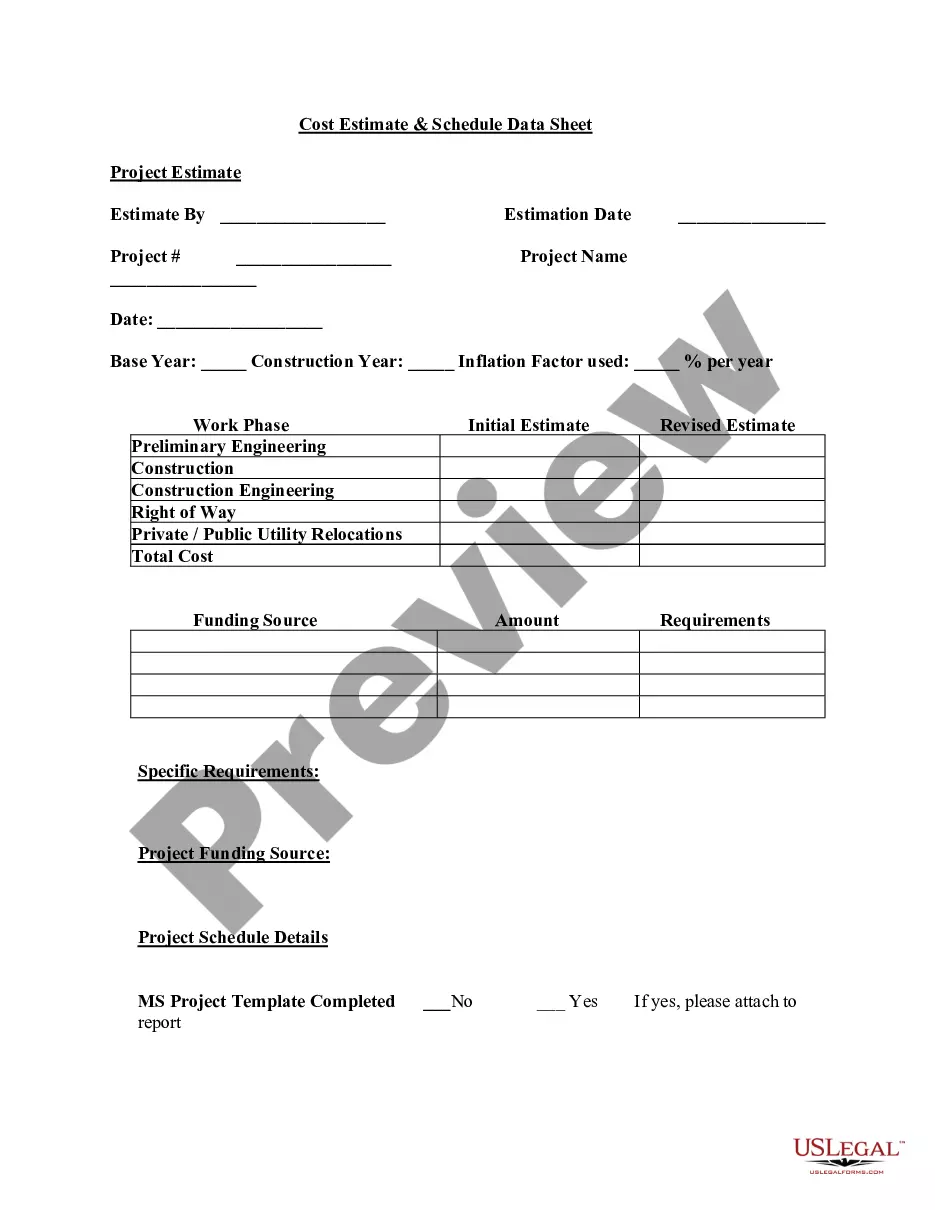
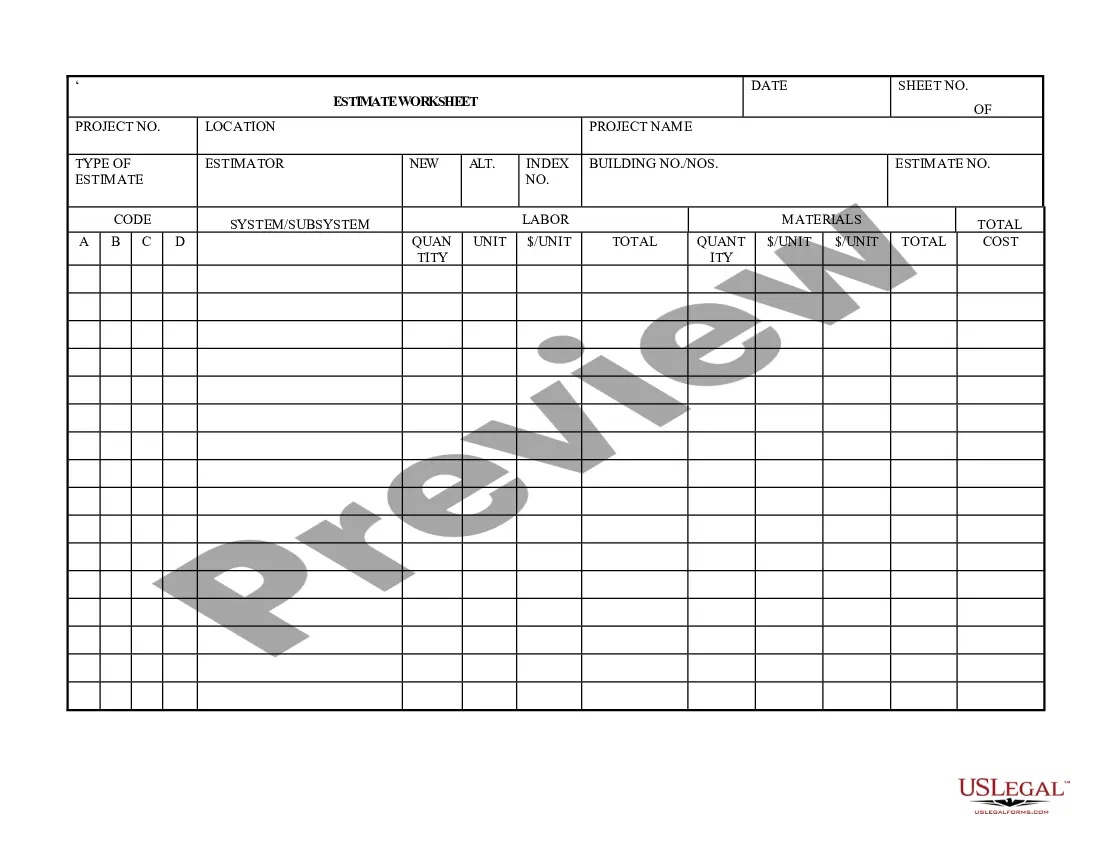
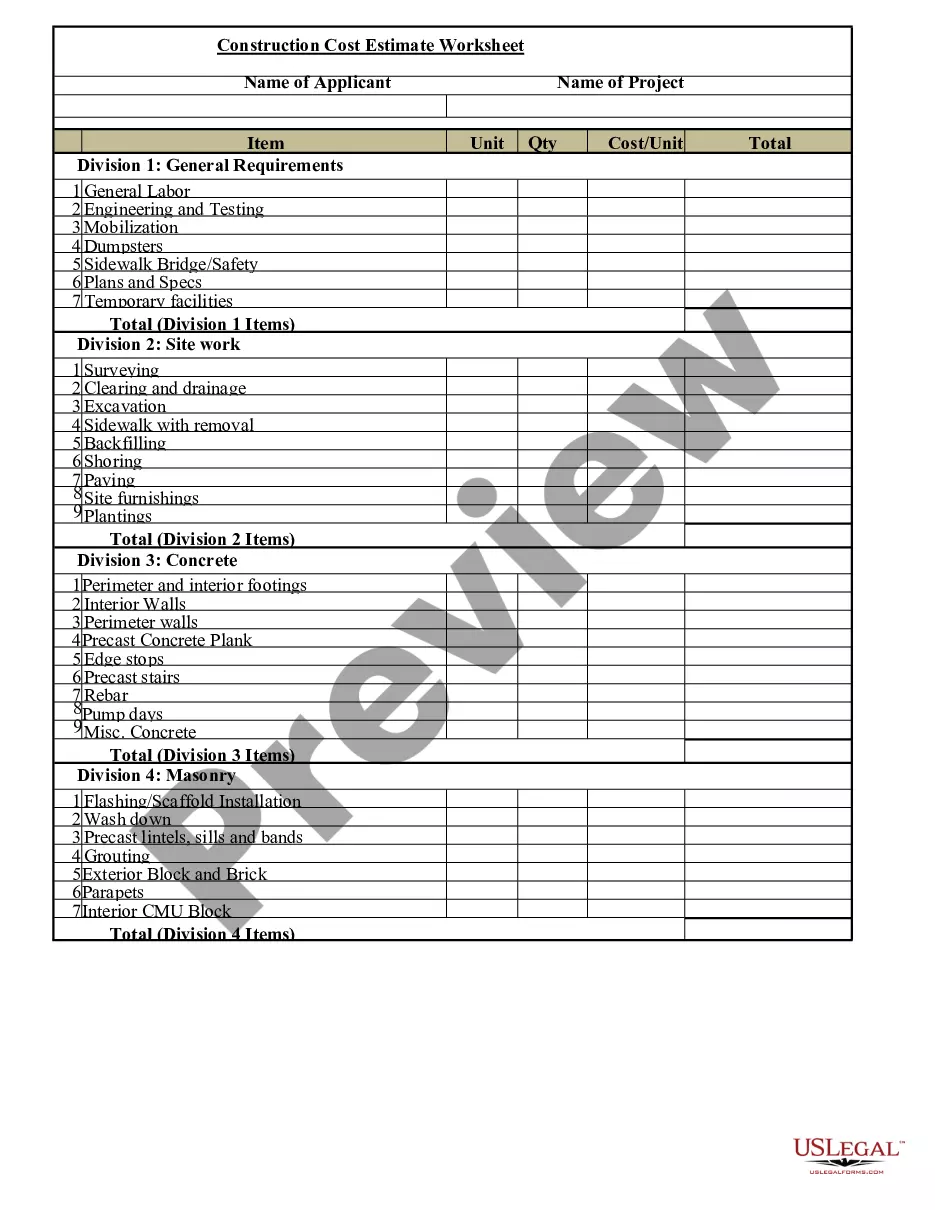
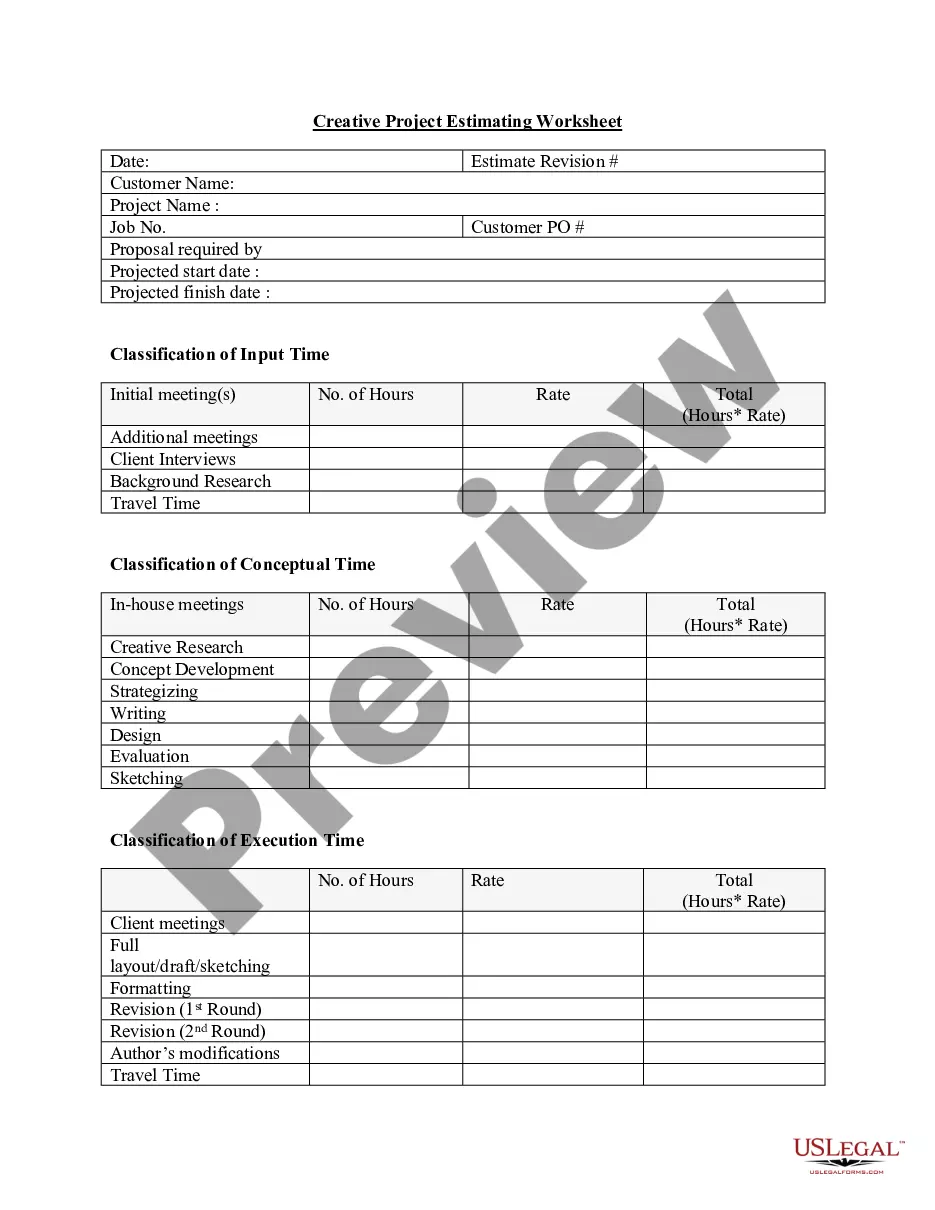
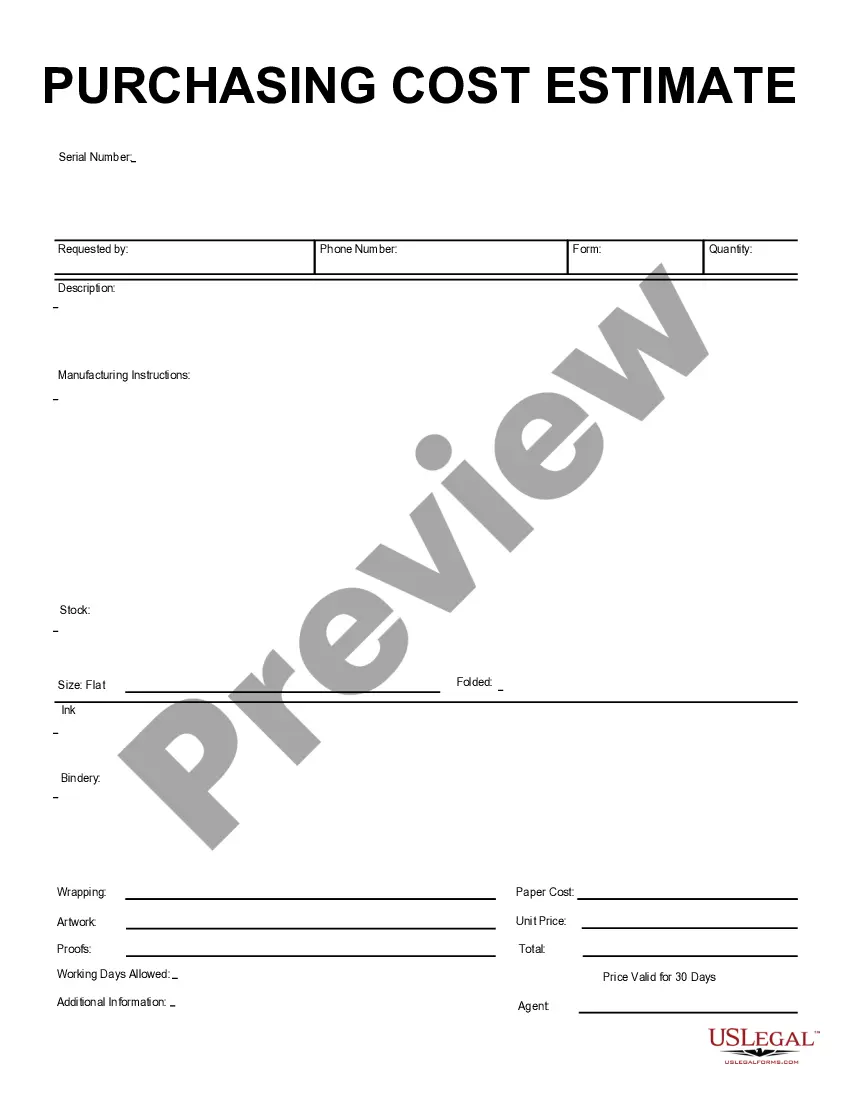
Detroit Michigan Fee Estimate Worksheet
Description









Form popularity
FAQ
In Michigan, if you do not make your estimated tax payments on time, you may face a penalty that accrues based on the amount owed. The penalty typically equates to 5% of the unpaid tax per month, up to 25% total. To avoid such penalties, utilize tools like the Detroit Michigan Fee Estimate Worksheet, which provides you clarity on your estimated payments and deadlines.
You can file your Michigan state taxes online through the Michigan Department of Treasury's e-file system. Alternatively, you can file by mail using the appropriate forms available on their website. Remember, when calculating your taxes, using a Detroit Michigan Fee Estimate Worksheet can help ensure you have a clear picture of your financial obligations and help you file accurately.
If you work or reside in Detroit, you may need to file city taxes, depending on your income. The threshold for required filing can vary, so it's essential to check the latest guidelines. Using the Detroit Michigan Fee Estimate Worksheet can guide you in assessing your need to file city taxes and understanding your financial obligations.
To add estimated tax payments, keep a record of all payments made throughout the year. You should enter the amounts on your tax return. If you are unsure about the total, the Detroit Michigan Fee Estimate Worksheet can help you consolidate your information and verify your projected tax payments.
The estimated tax rate in Michigan generally mirrors the state's income tax rate and may fluctuate based on local regulations. For individual taxpayers, the rate can be around 4.25%. Utilizing the Detroit Michigan Fee Estimate Worksheet can help you determine your estimated tax obligations effectively.
To estimate property taxes in Michigan, start by determining the property's assessed value. Visit your local tax assessor's office or website for this information. Then, multiply the assessed value by the local millage rate, which varies by jurisdiction. Utilizing the Detroit Michigan Fee Estimate Worksheet can further streamline this process by providing a clear framework for your calculations.
Introduction. On July 24, 1701, Antoine de La Mothe Cadillac, accompanied by approximately one hundred fellow Frenchmen and an additional one hundred Algonquian Indians, established Fort Pontchartrain du Detroit on a site that is today in downtown Detroit.
The Metro Detroit area, home to 4.3 million people, is the second-largest in the Midwest after the Chicago metropolitan area and the 14th-largest in the United States.
Long known as the automobile capital of the world, Detroit is also famous for its distinctive Motown music sound from the 1960s. Detroit is home to a rich mix of people from various ethnic backgrounds, including citizens of Italian, English, German, Polish, Irish, Mexican, Middle Eastern, African, and Greek descent.
Long known as the automobile capital of the world, Detroit is also famous for its distinctive Motown music sound from the 1960s. Detroit is home to a rich mix of people from various ethnic backgrounds, including citizens of Italian, English, German, Polish, Irish, Mexican, Middle Eastern, African, and Greek descent. Detroit History detroitmi.gov ? departments ? detroit-history detroitmi.gov ? departments ? detroit-history