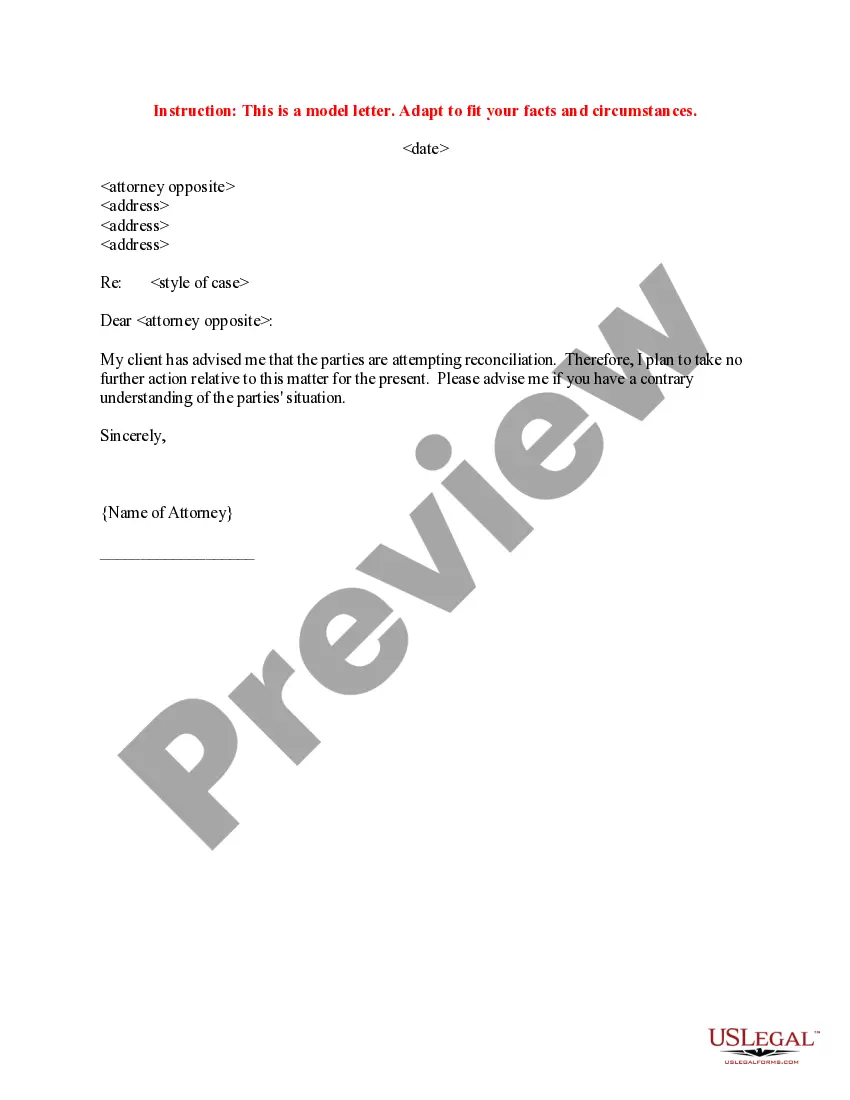
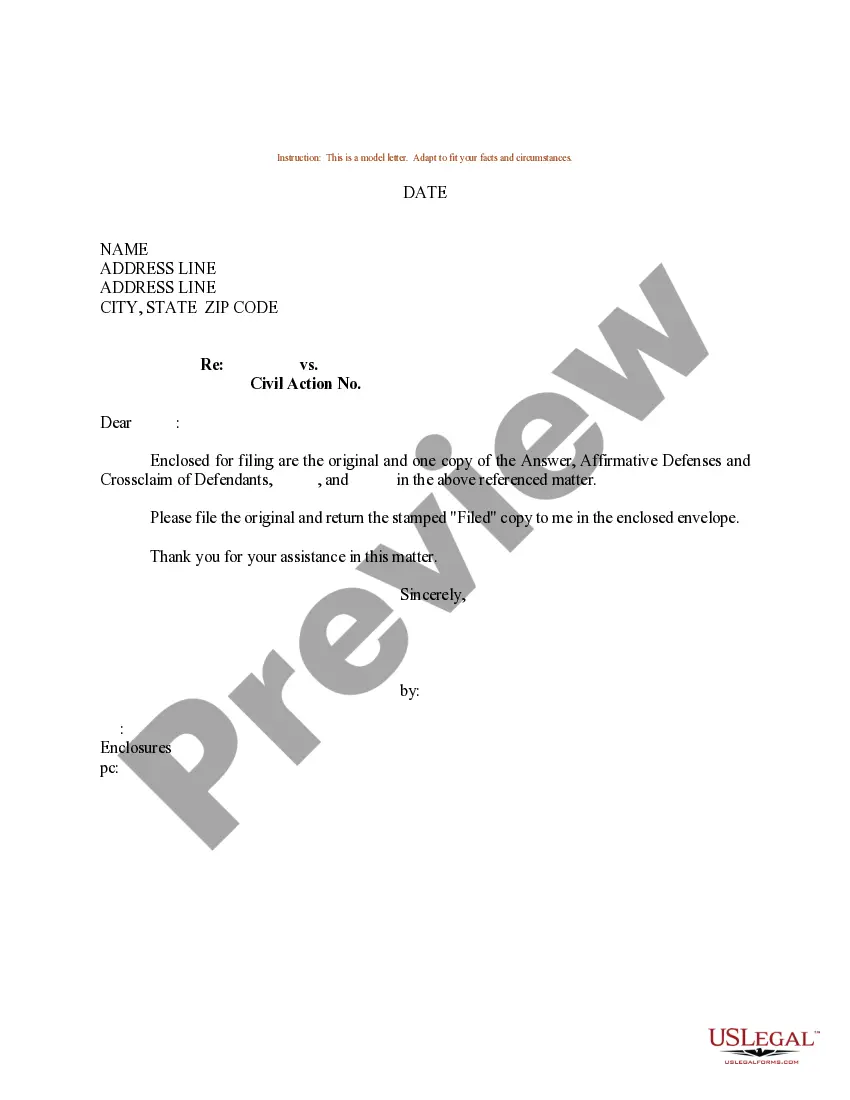
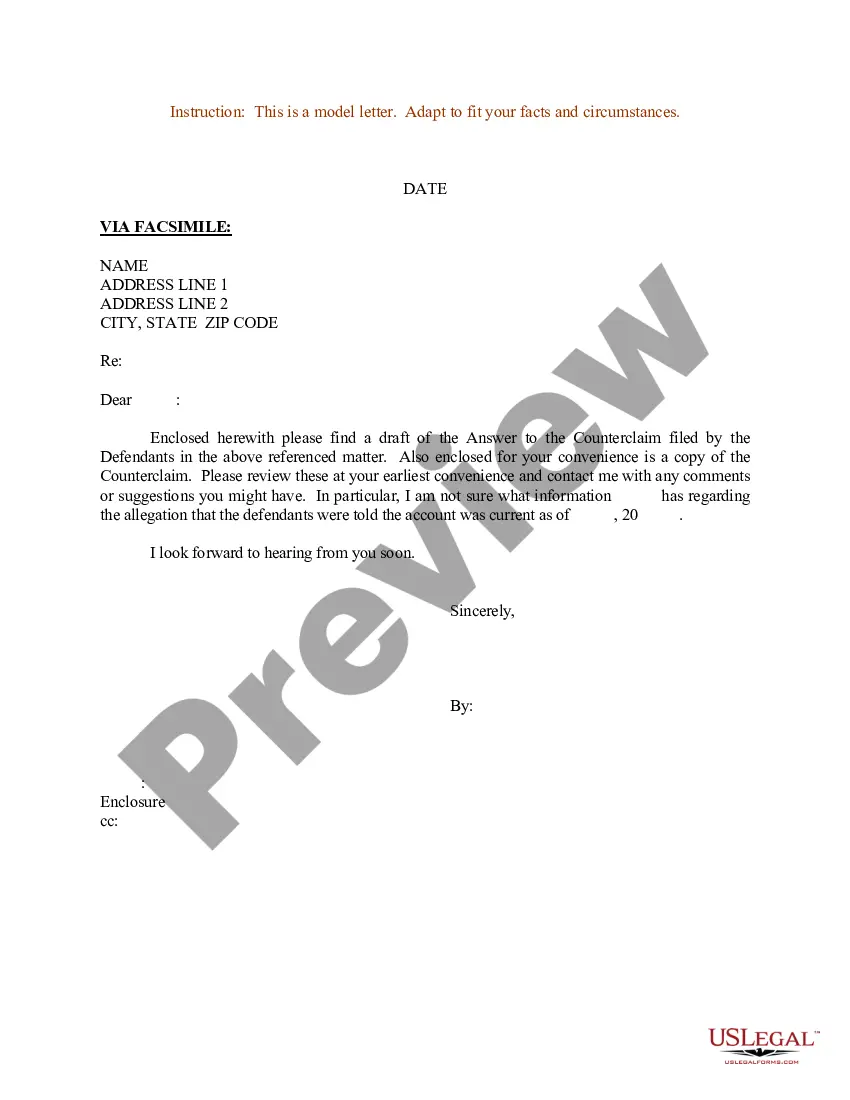
San Diego California Sample Letter regarding Answer, Affirmative Defenses, and Counterclaim
Description
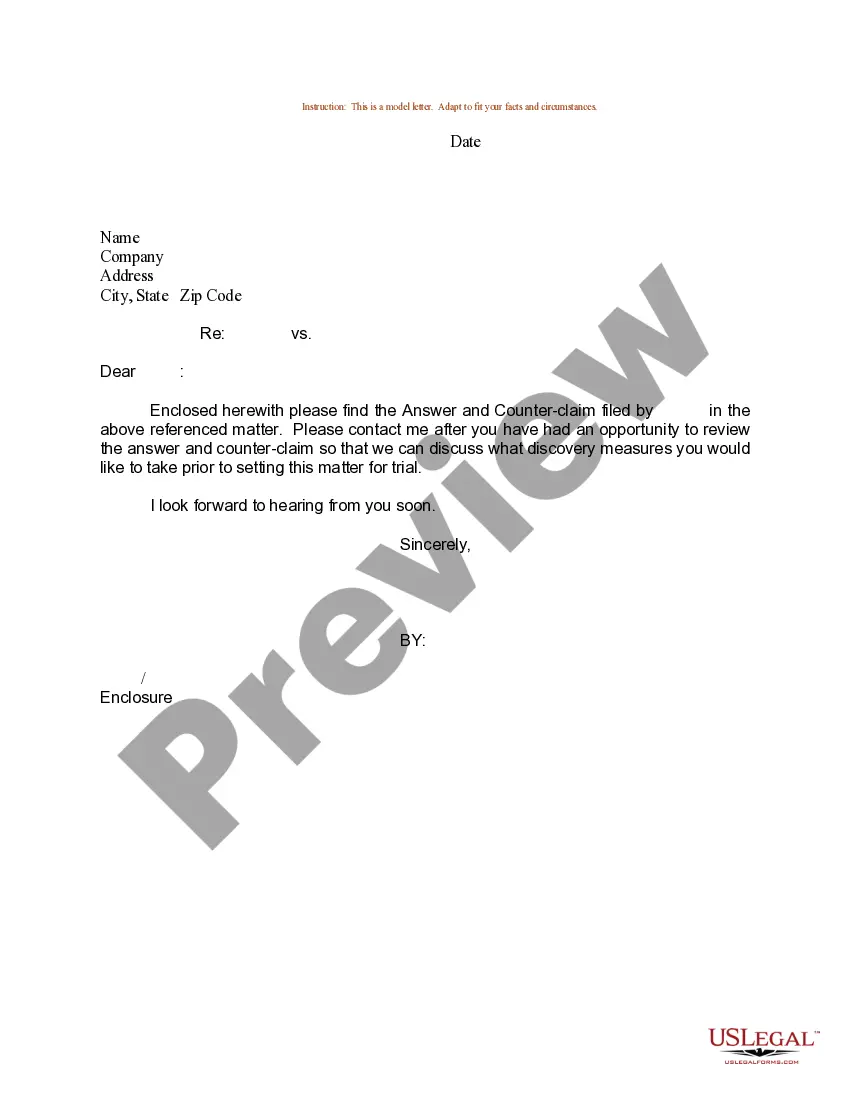
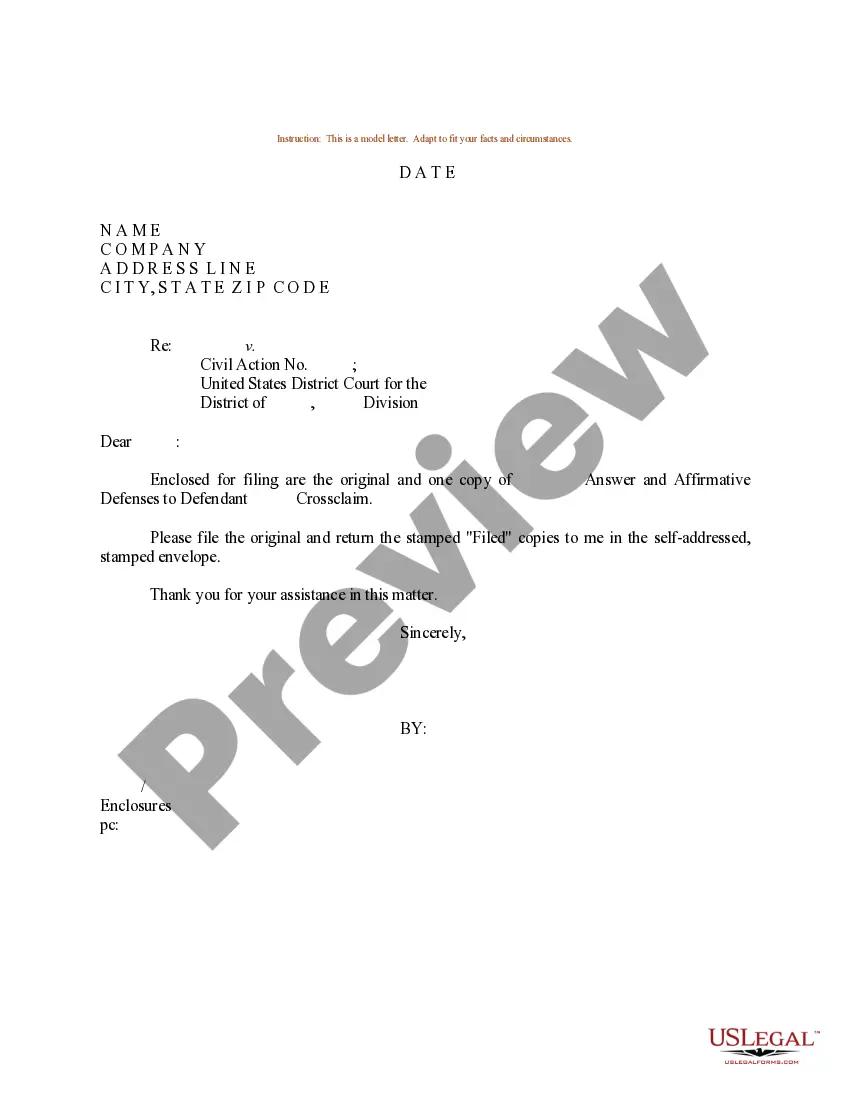
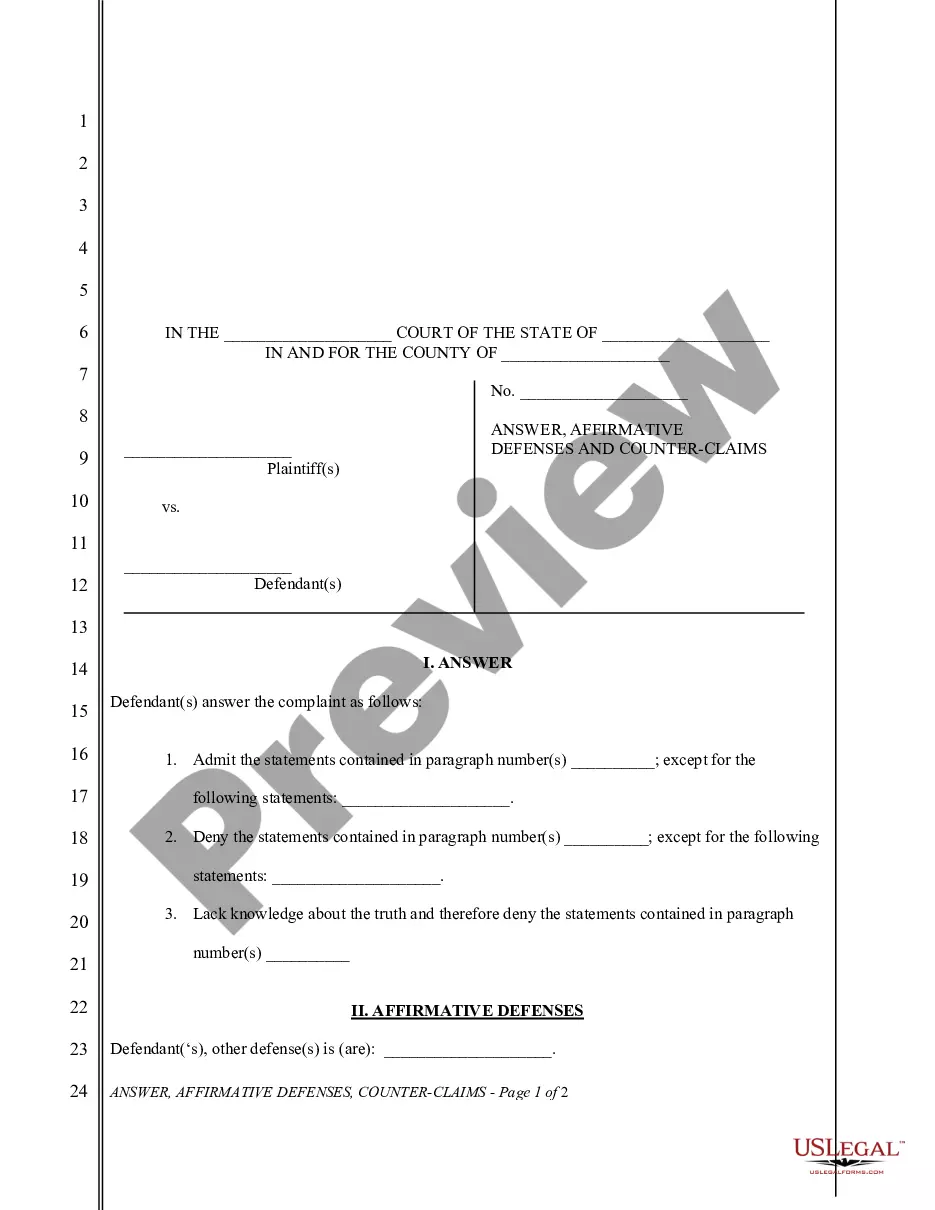







How to fill out Sample Letter Regarding Answer, Affirmative Defenses, And Counterclaim?
Drafting legal documents can be challenging.
Moreover, if you choose to hire a lawyer to prepare a business agreement, ownership transfer documents, prenuptial contract, divorce documents, or the San Diego Sample Letter concerning Response, Affirmative Defenses, and Counterclaim, it could be quite costly.
Browse through the page and confirm there is a template for your area. Review the form description and utilize the Preview option, if available, to ensure it's the template you require. Don't fret if the form doesn’t meet your needs—search for the appropriate one in the header. Click Buy Now when you locate the desired sample and select the most suitable subscription. Log In or create an account to purchase your subscription. Process the payment using a credit card or via PayPal. Select the document format for your San Diego Sample Letter regarding Response, Affirmative Defenses, and Counterclaim and save it. Afterward, you can print it out and fill it by hand or upload the template to an online editor for a quicker and more convenient completion. US Legal Forms allows you to reuse all the documents you've acquired multiple times—you can find your templates in the My documents tab in your profile. Try it out now!
- What is the most effective way to conserve time and finances while creating valid papers in complete adherence to your state and local laws and regulations.
- US Legal Forms is an excellent option, whether you require templates for personal or business purposes.
- US Legal Forms is the largest online repository of state-specific legal documents, offering users the latest and professionally verified forms for any scenario gathered in one location.
- Thus, if you require the latest version of the San Diego Sample Letter regarding Response, Affirmative Defenses, and Counterclaim, you can effortlessly find it on our platform.
- Acquiring the documents takes minimal time.
- Those who already possess an account should confirm their subscription is active, Log In, and select the sample with the Download button.
- If you have not yet subscribed, here’s how you can obtain the San Diego Sample Letter regarding Response, Affirmative Defenses, and Counterclaim.
Form popularity
FAQ
In criminal trials, the most common affirmative defenses include self-defense, defense of others and insanity. Duress, entrapment and involuntary intoxication are used less often.
An affirmative defense to a civil lawsuit or criminal charge is a fact or set of facts other than those alleged by the plaintiff or prosecutor which, if proven by the defendant, defeats or mitigates the legal consequences of the defendant's otherwise unlawful conduct.
Several affirmative defenses are nationally recognized, with the more common ones being necessity, duress, self-defense, entrapment, and insanity.
An affirmative defense says, essentially, even if what you're saying is true, I'm not liable for reason XYZ. Examples of affirmative defenses include bankruptcy, statute of limitations and self-defense.
In criminal prosecutions, examples of affirmative defenses are self defense, insanity, entrapment and the statute of limitations.
Overview. Self-defense, entrapment, insanity, necessity, and respondeat superior are some examples of affirmative defenses. Under the Federal Rules of Civil Procedure Rule 56, any party may make a motion for summary judgment on an affirmative defense.
This is a defense in which the defendant introduces evidence, which, if found to be credible, will negate criminal liability or civil liability, even if it is proven that the defendant committed the alleged acts.
Be brief. Answer the allegations in the complaint with one or two sentences. Again remember that the statements you make in your answer can be used as admissions against you. Your response to the allegations in the complaint may admit part of the statement in the specific paragraph and deny part.
The defendant may also raise counterclaims or affirmative defenses. If a defendant does raise counterclaims in her answer, the plaintiff must respond to those counterclaims with a pleading called an "answer to a counterclaim." The form and content of an "answer to a counterclaim" is similar to that of an answer.
The defendant must offer proof at trial supporting the affirmative defense, meeting the standard of proof set by state law (usually a preponderance of the evidence, which is a lesser standard than the prosecution's).