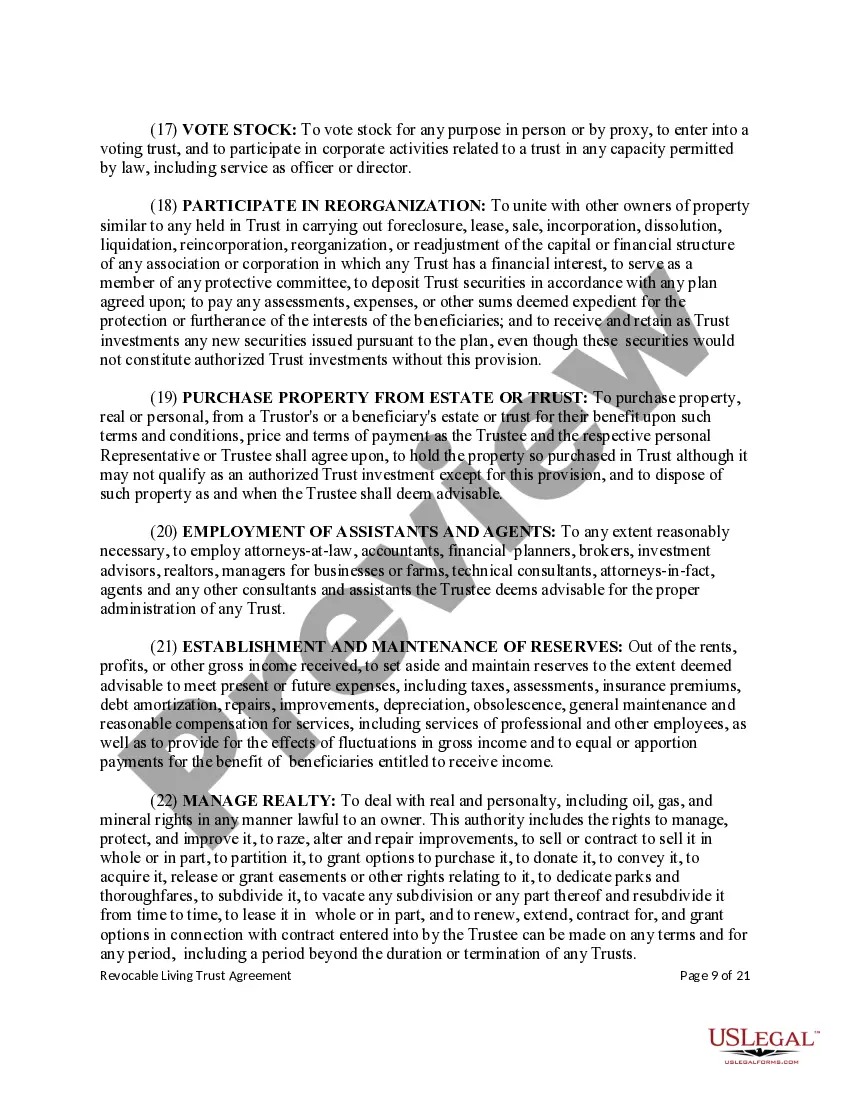
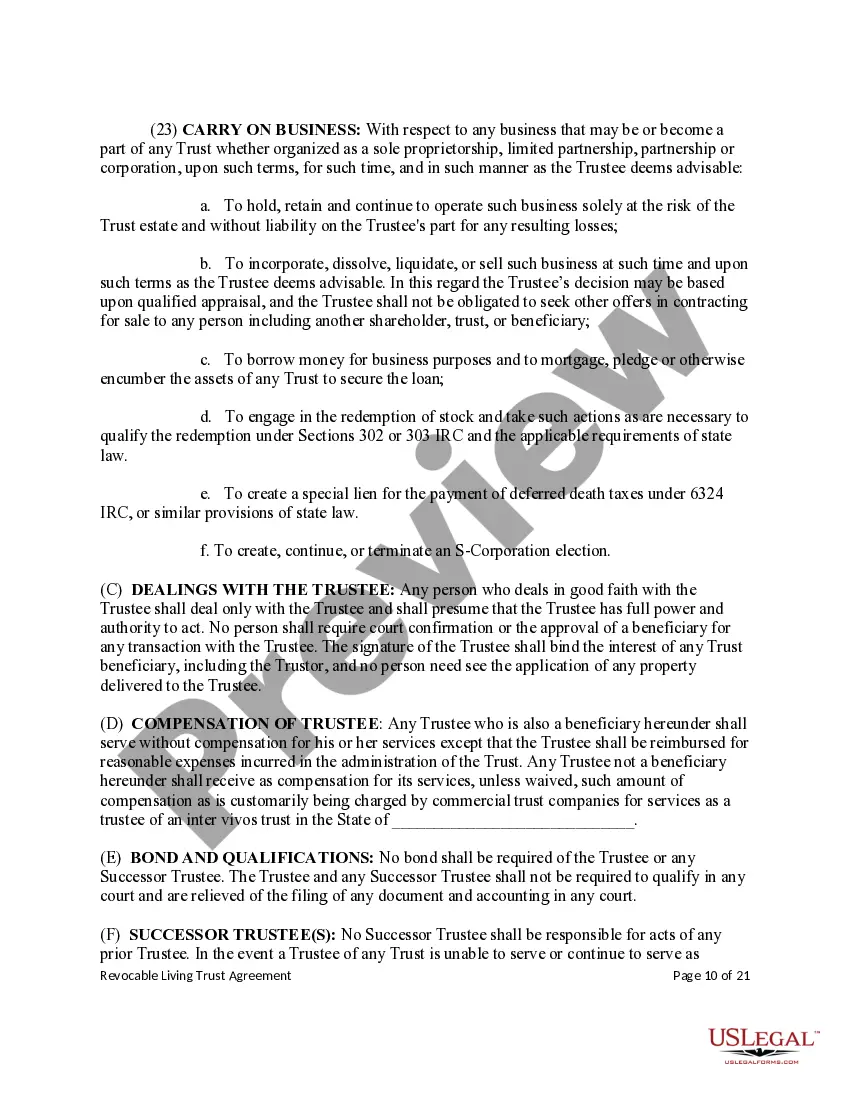
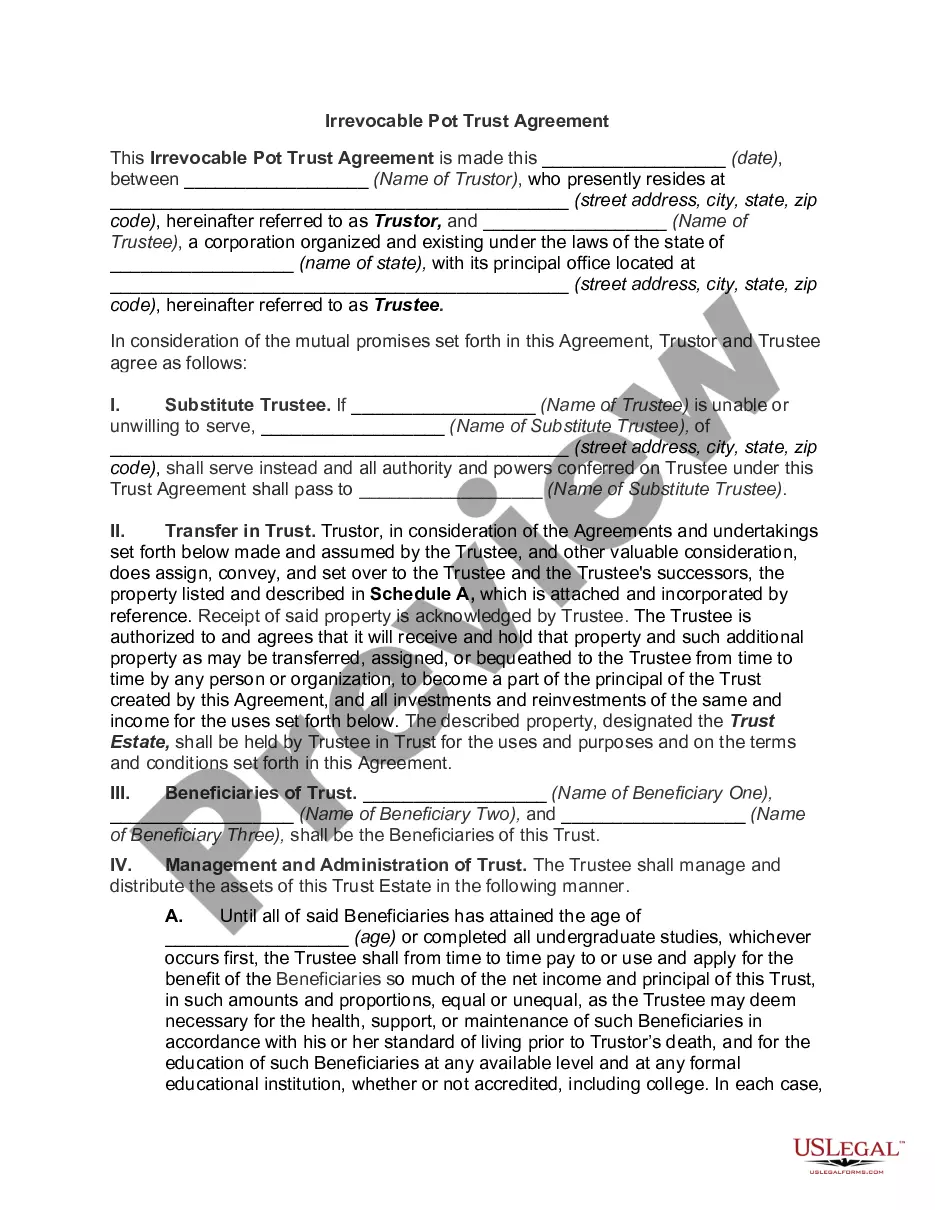
Santa Clara California Revocable Living Trust for Single Person

Description
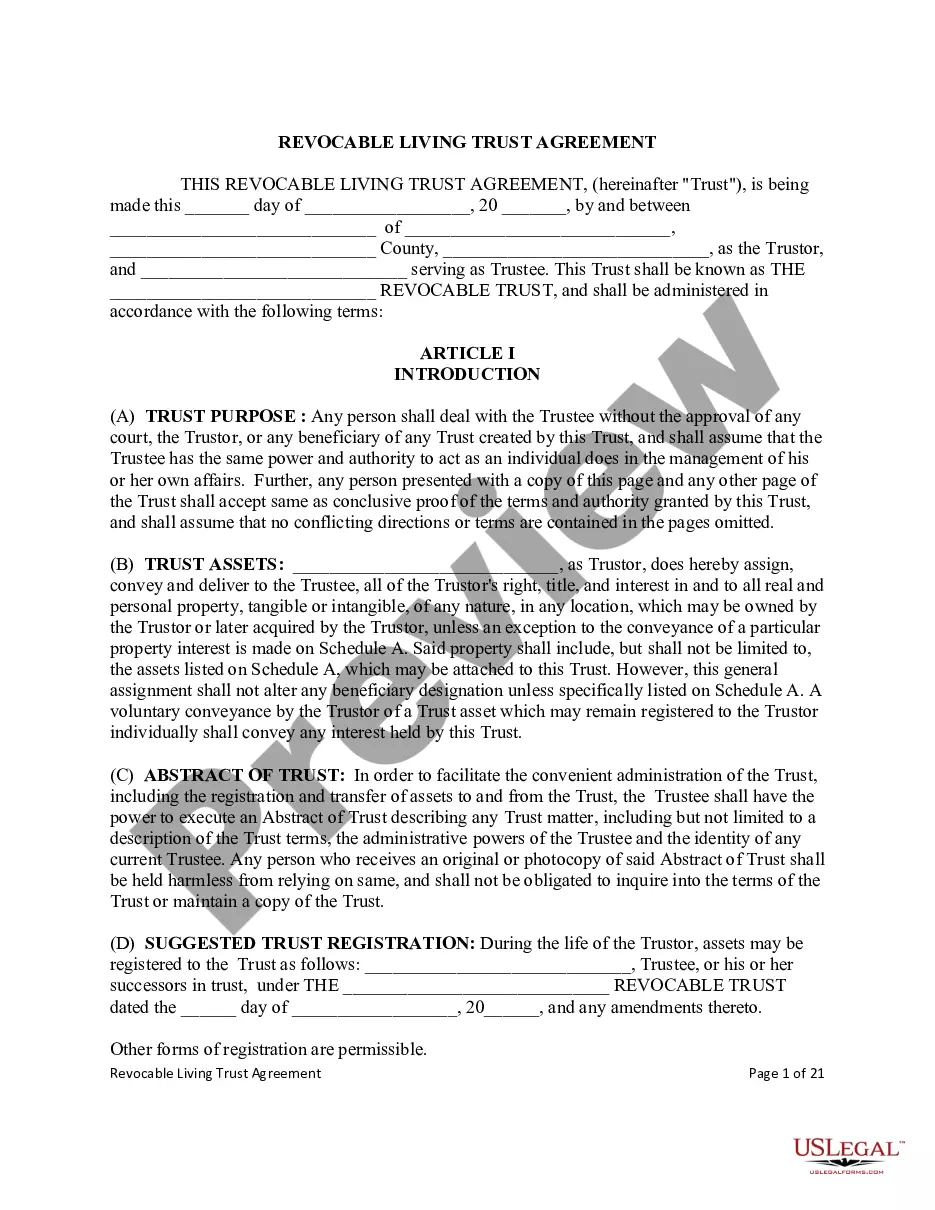
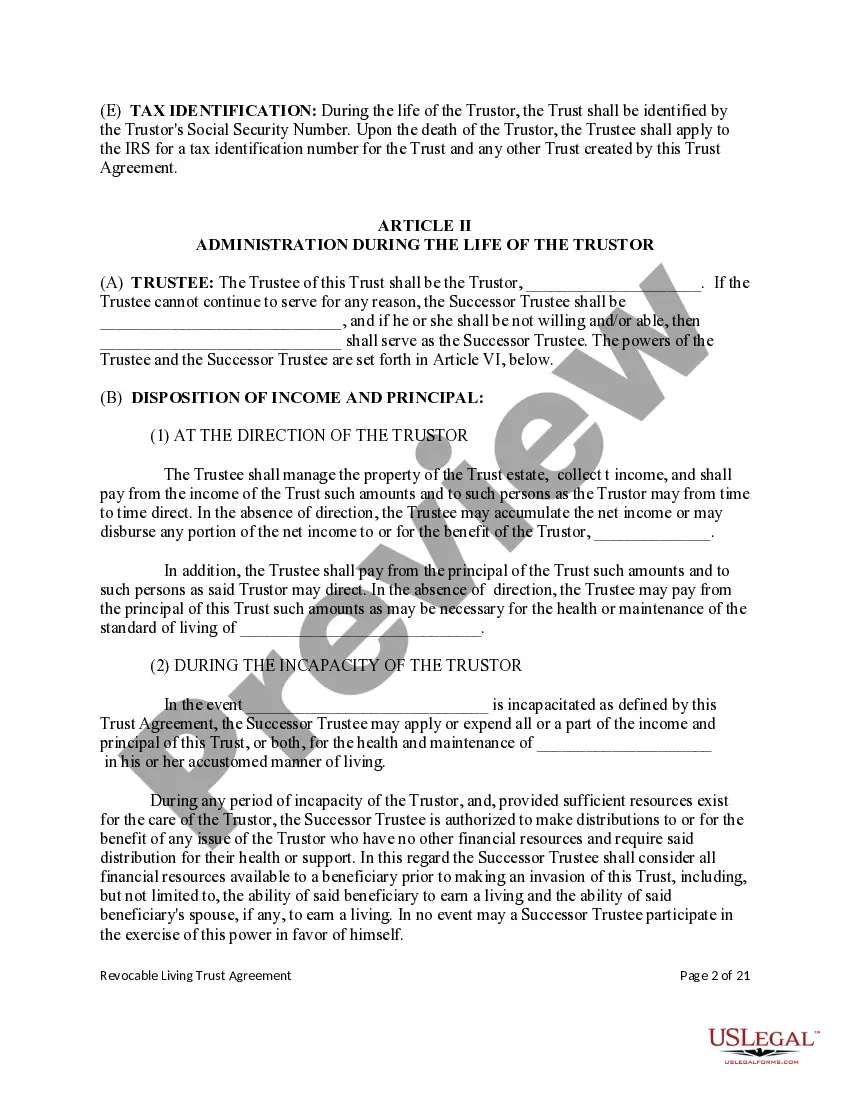
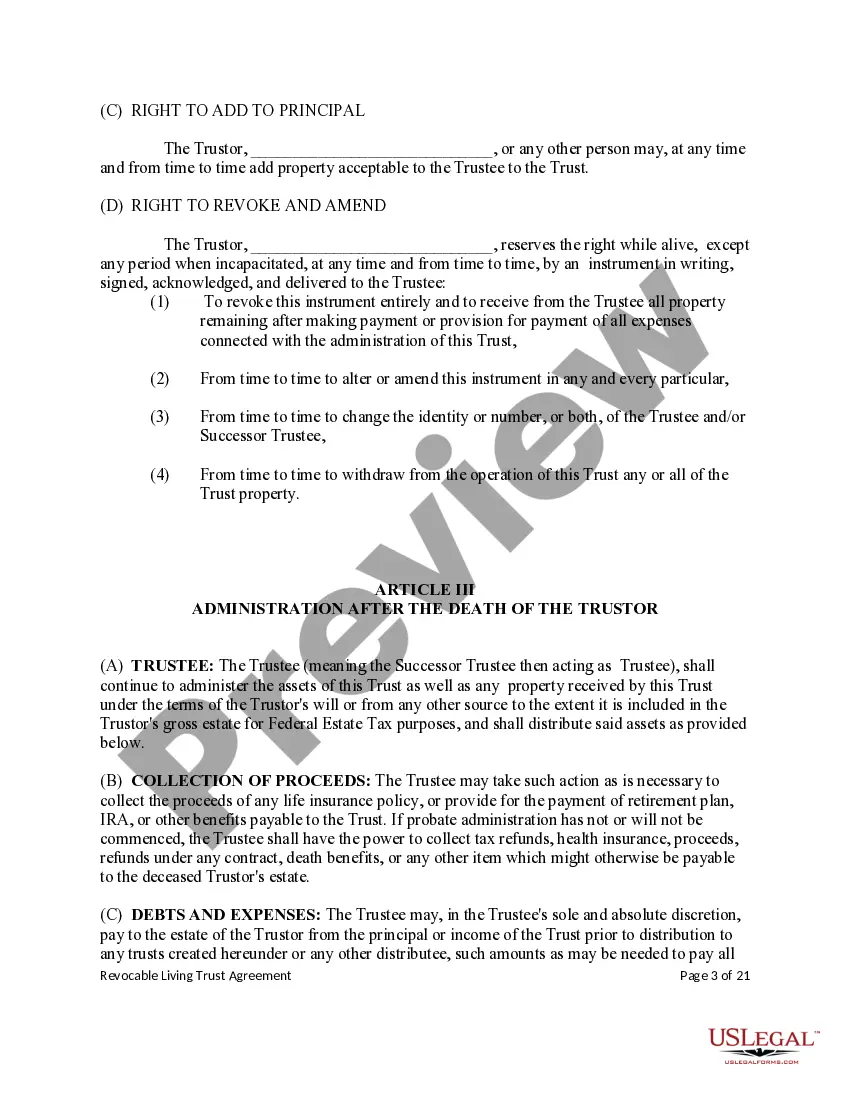
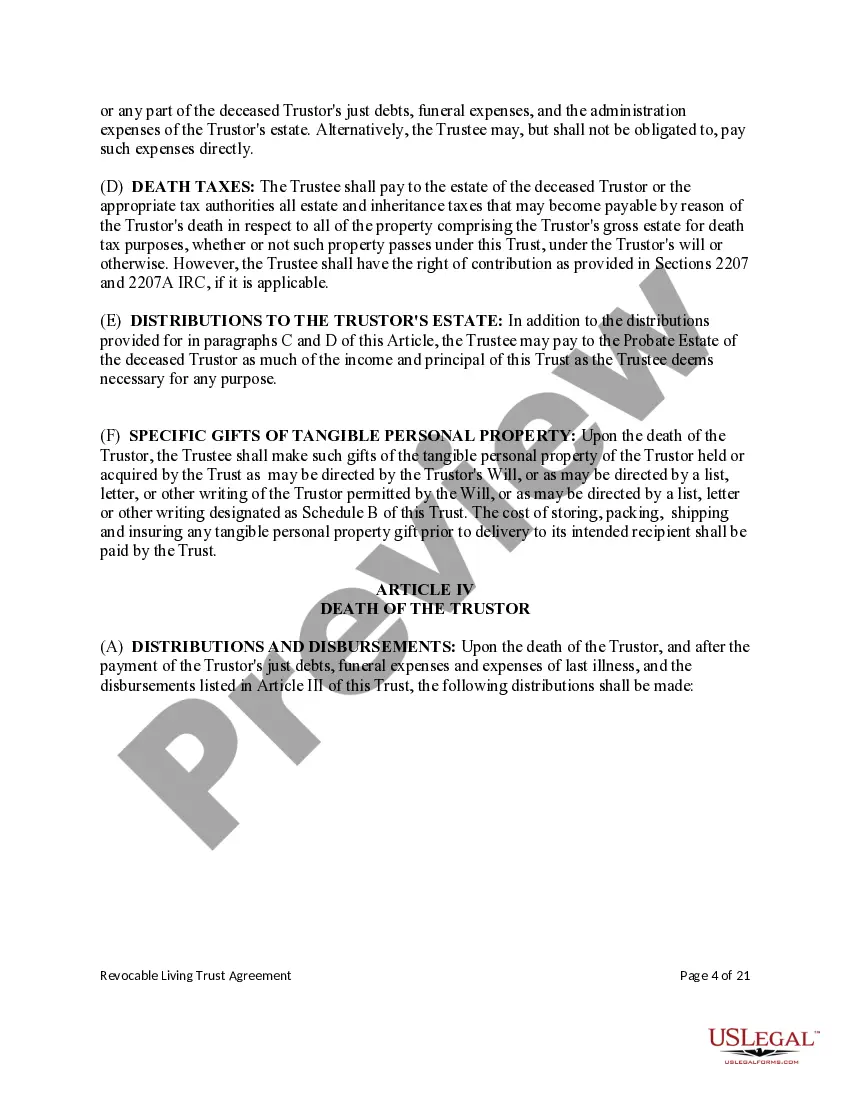
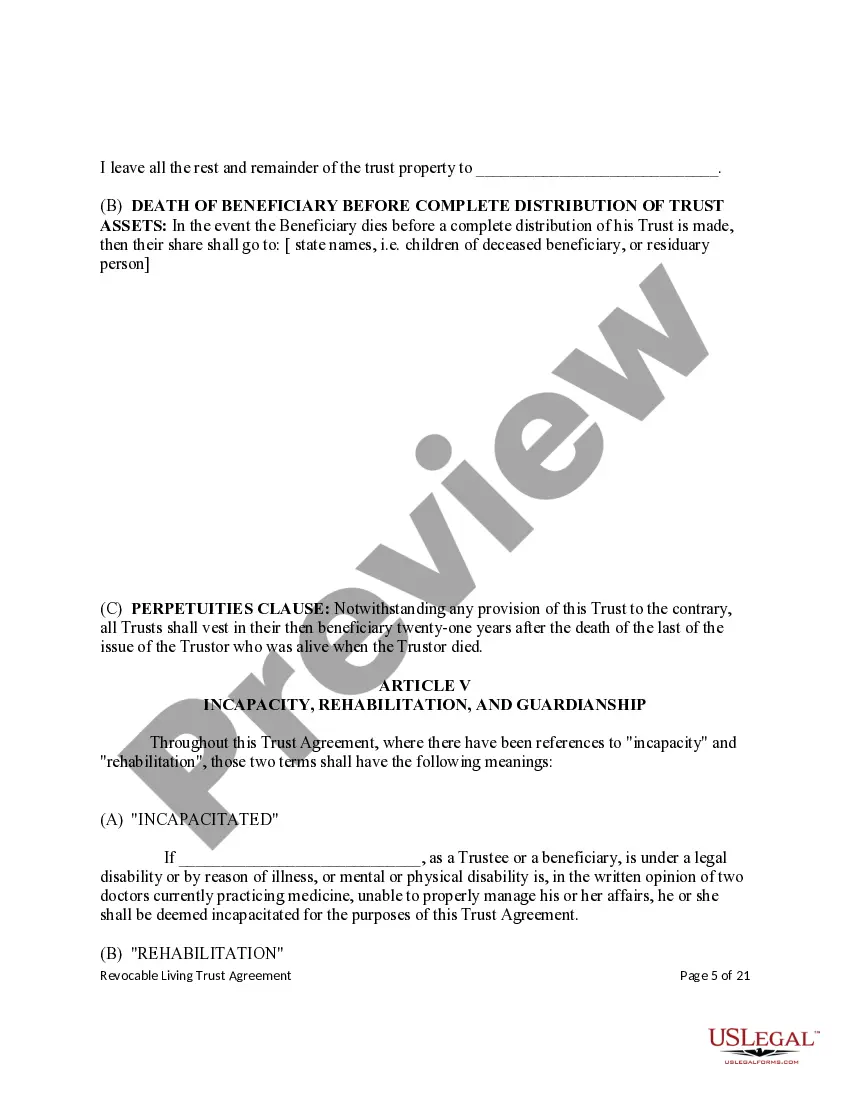
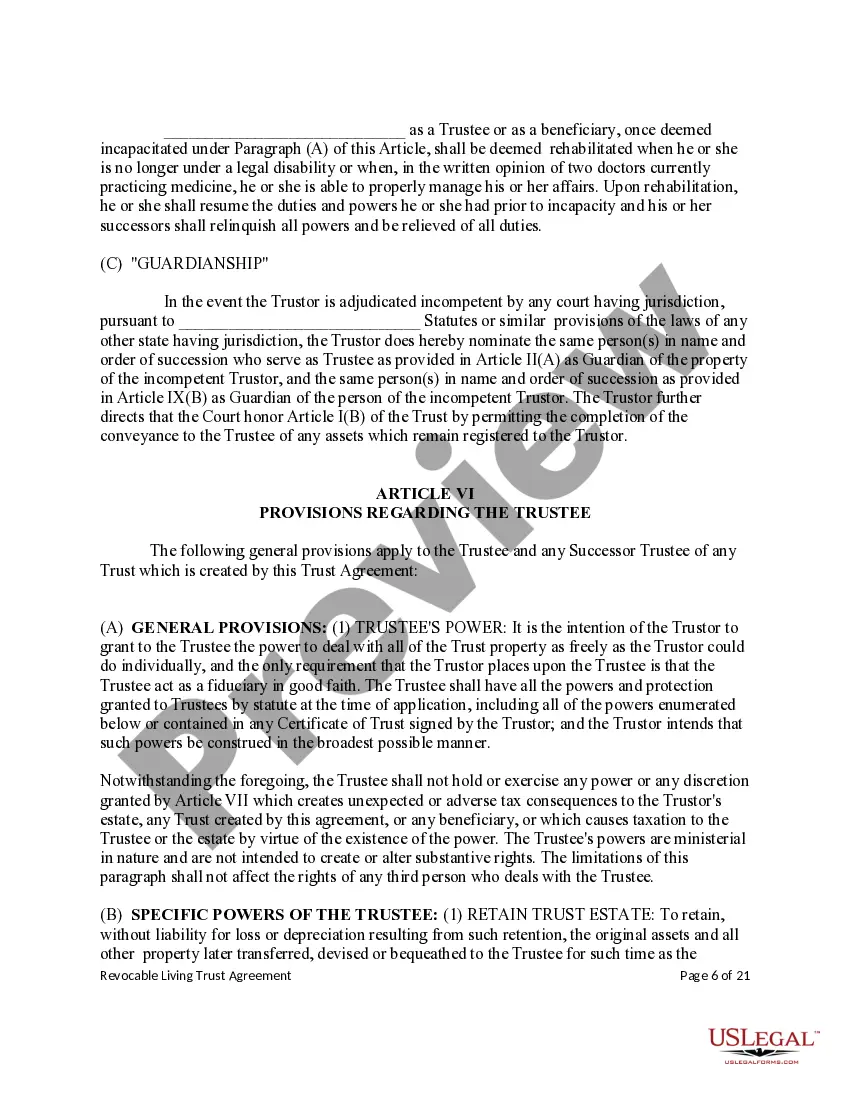
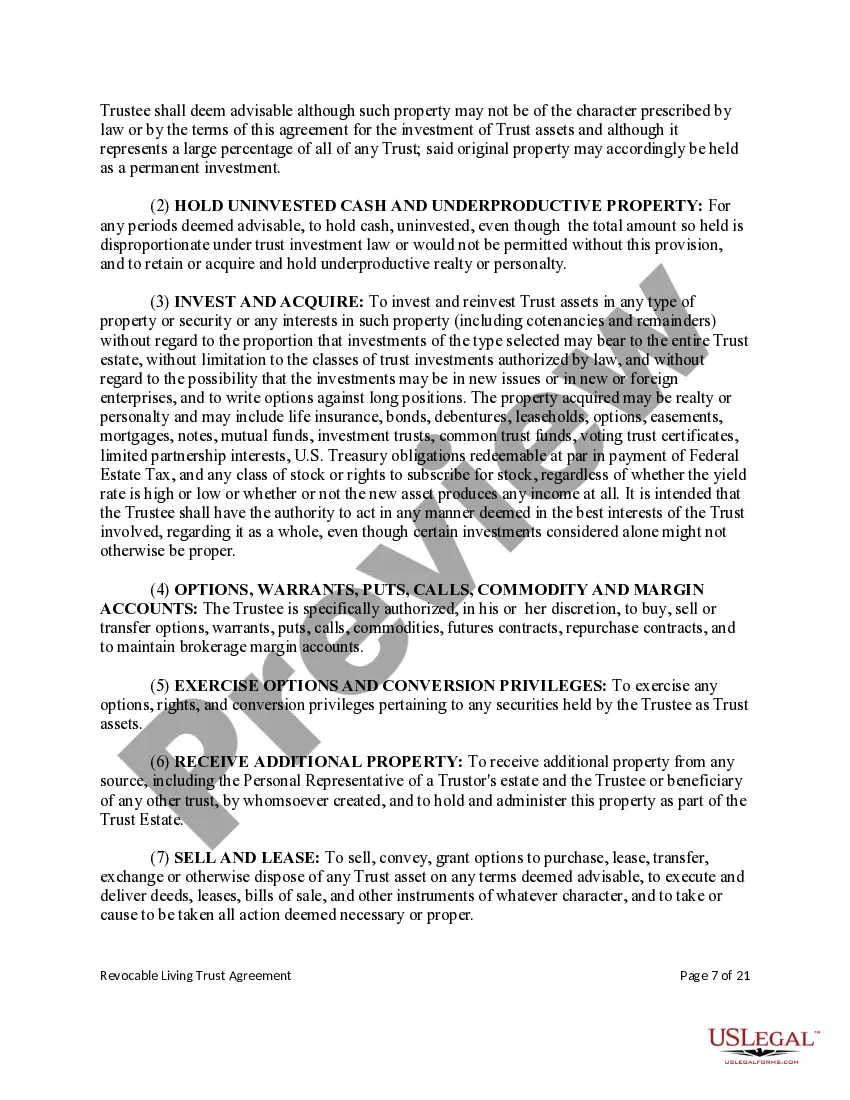
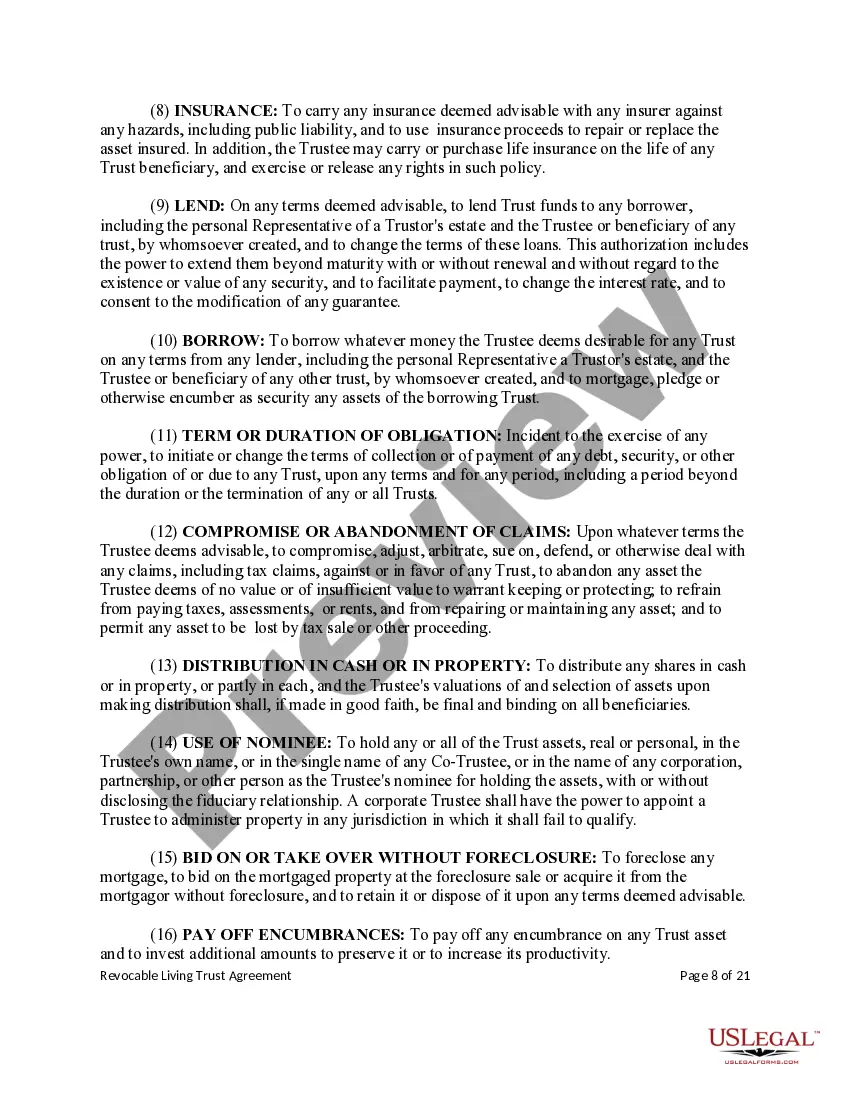

Get your form ready online
Our built-in tools help you complete, sign, share, and store your documents in one place.
Make edits, fill in missing information, and update formatting in US Legal Forms—just like you would in MS Word.
Download a copy, print it, send it by email, or mail it via USPS—whatever works best for your next step.
Sign and collect signatures with our SignNow integration. Send to multiple recipients, set reminders, and more. Go Premium to unlock E-Sign.
If this form requires notarization, complete it online through a secure video call—no need to meet a notary in person or wait for an appointment.
We protect your documents and personal data by following strict security and privacy standards.

Make edits, fill in missing information, and update formatting in US Legal Forms—just like you would in MS Word.

Download a copy, print it, send it by email, or mail it via USPS—whatever works best for your next step.

Sign and collect signatures with our SignNow integration. Send to multiple recipients, set reminders, and more. Go Premium to unlock E-Sign.

If this form requires notarization, complete it online through a secure video call—no need to meet a notary in person or wait for an appointment.

We protect your documents and personal data by following strict security and privacy standards.
Looking for another form?
How to fill out Revocable Living Trust For Single Person?
Regardless of whether you plan to launch your venture, engage in a transaction, request your identification renewal, or address familial legal issues, you must organize specific documentation that complies with your local statutes and ordinances.
Locating the appropriate documents may consume a considerable amount of time and effort unless you utilize the US Legal Forms library.
The platform offers users over 85,000 professionally created and verified legal templates for any personal or professional situation. All files are categorized by state and area of application, making it swift and simple to choose a document such as the Santa Clara Revocable Living Trust for a Sole Individual.
Documents provided by our library can be reused. With an active subscription, you can access all your previously acquired paperwork at any time in the My documents section of your profile. Stop wasting time on an endless quest for current official documents. Join the US Legal Forms platform and manage your paperwork effectively with the most comprehensive online form collection!
- Ensure the template meets your individual requirements and state legal criteria.
- Review the form description and check the Preview if available on the page.
- Utilize the search bar provided above for your state to find another document.
- Click Buy Now to acquire the document once you locate the correct one.
- Choose the subscription plan that best suits your needs to proceed.
- Log in to your account and pay the fee using a credit card or PayPal.
- Download the Santa Clara Revocable Living Trust for a Sole Individual in your desired file format.
- Print the document or complete it and sign it electronically using an online editor to save time.
Form popularity
FAQ
Yes, you can create a Santa Clara California Revocable Living Trust for Single Person on your own. Many individuals opt to handle this process without help, especially with user-friendly online platforms like USLegalForms. However, keep in mind that while it's possible to do it yourself, seeking legal advice can prevent potential pitfalls and ensure your trust meets all legal requirements.
Some of the Cons of a Revocable TrustShifting assets into a revocable trust won't save income or estate taxes. No asset protection. Although assets held in an irrevocable trust are generally beyond the reach of creditors, that's not true with a revocable trust.
How to set up a Revocable Living TrustCreate a Revocable Living Trust document. Within it, you must name a trustee, list beneficiaries, and list the assets you will place in the trust.Sign the document and get it notarized.Transfer the ownership of assets into the name of your trust.
The primary benefit of creating a revocable trust is that it provides a prearranged mechanism that will ensure the continued management and preservation of your assets, should you become disabled. It can also set forth all of the dispositive provisions of your estate plan.
Everyone needs a living revocable trust, says Suze Orman. In response to several emails and tweets asking why a trust is so mandatory, Orman spells it out. "A living revocable trust serves as far more than just where assets are to go upon your death and it does that in an efficient way," she said.
A living trust is a legal document, or trust, created during an individual's lifetime (the trustor or grantor) where a designated person, the trustee, is given responsibility for managing that individual's assets for the benefit of the eventual beneficiary.
Establishing a trust requires serious legal help, which is not cheap. A typical living trust can cost $2,000 or more, while a basic last will and testament can be drawn up for about $150 or so.
A revocable trust is created when an individual (the grantor) signs a trust agreement naming a person(s), a corporation (trust company or bank) or both as trustee to administer the trust. In many jurisdictions the grantor and the trustee can be the same person.
Here's a good rule of thumb: If you have a net worth of at least $100,000 and have a substantial amount of assets in real estate, or have very specific instructions on how and when you want your estate to be distributed among your heirs after you die, then a trust could be for you.
A revocable living trust is a trust document created by an individual that can be changed over time. Revocable living trusts are used to avoid probate and to protect the privacy of the trust owner and beneficiaries of the trust as well as minimize estate taxes.