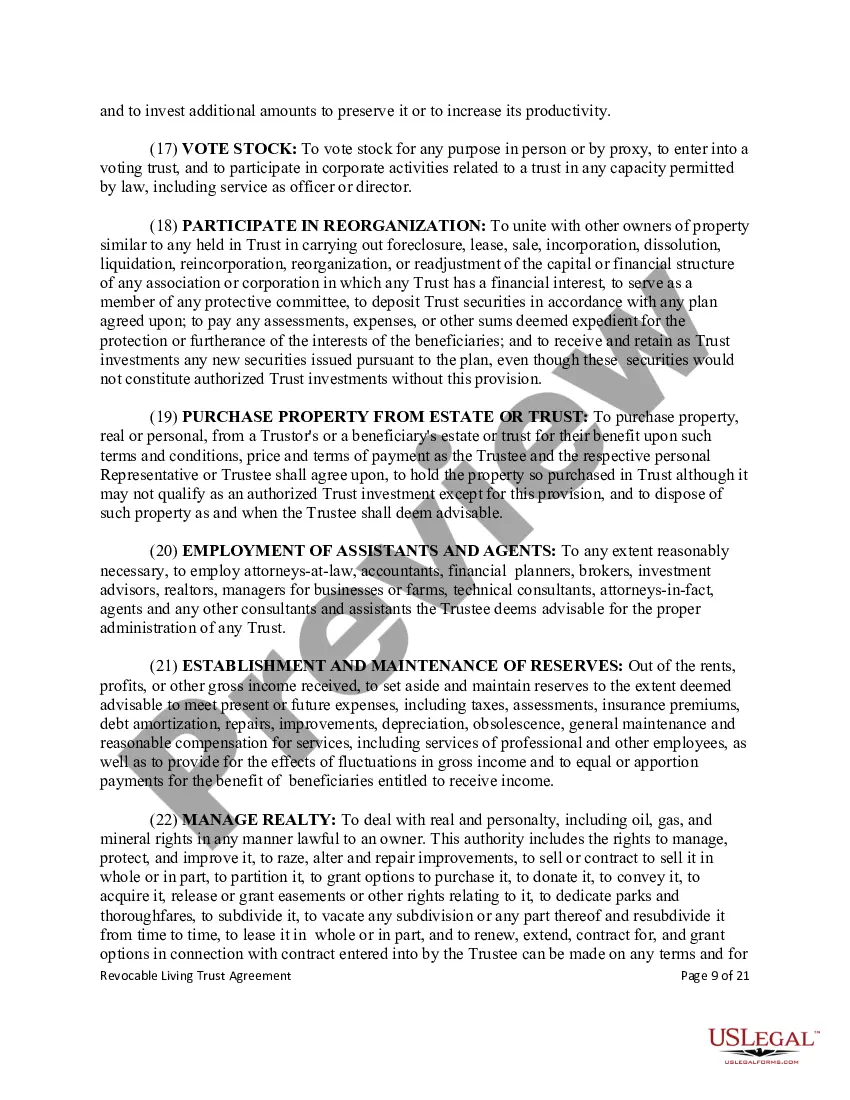
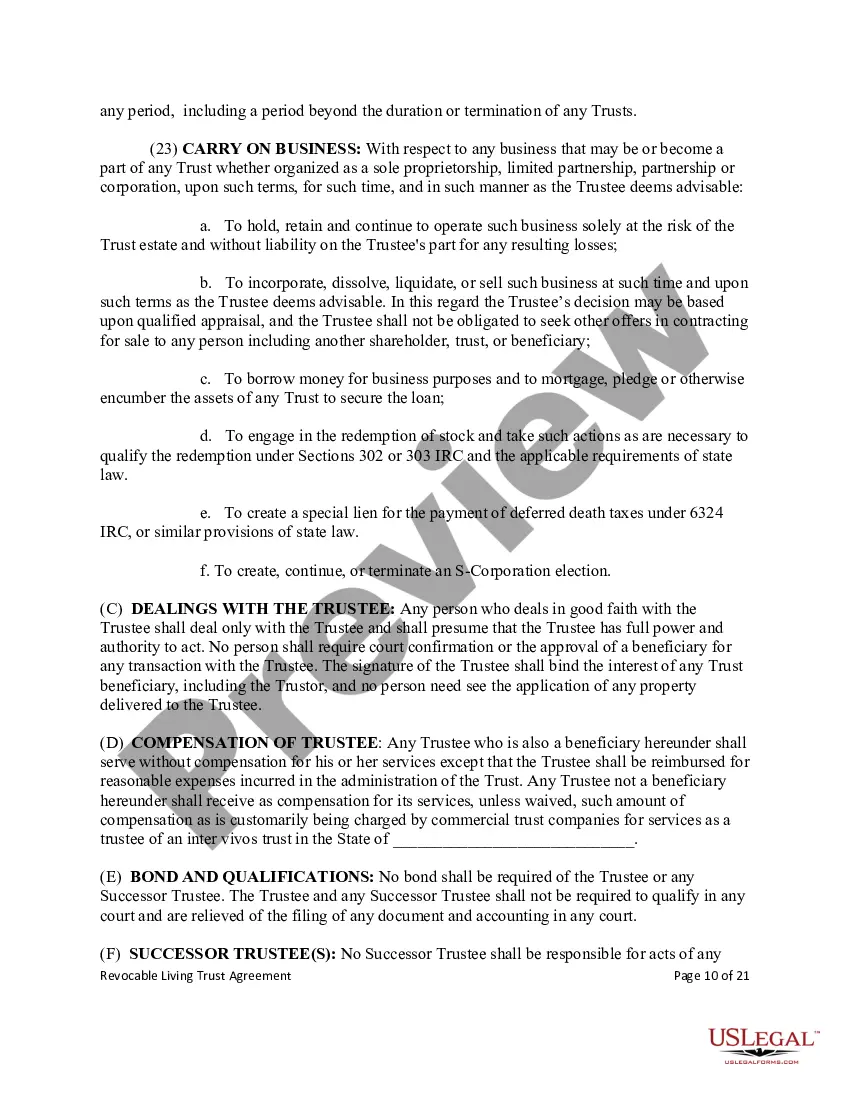
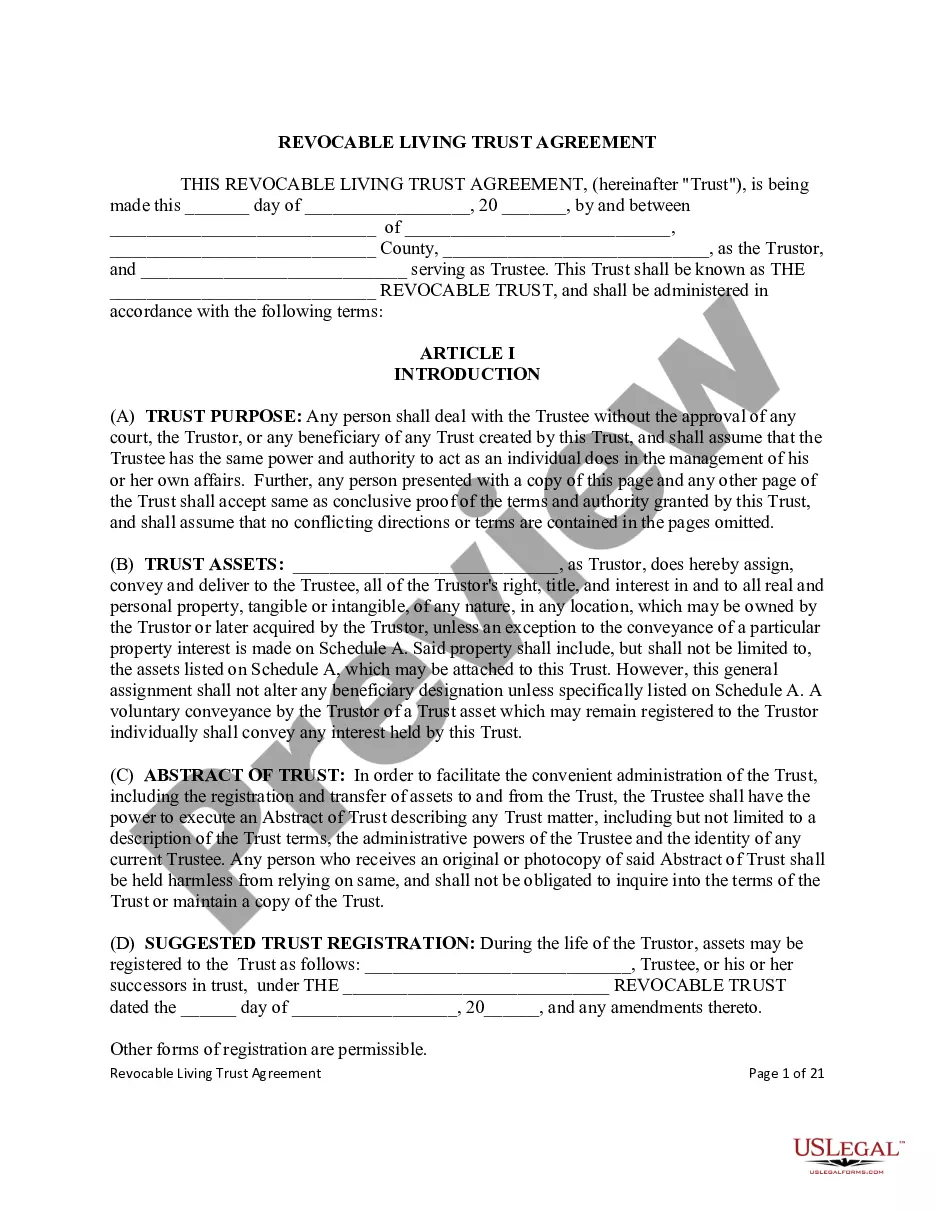
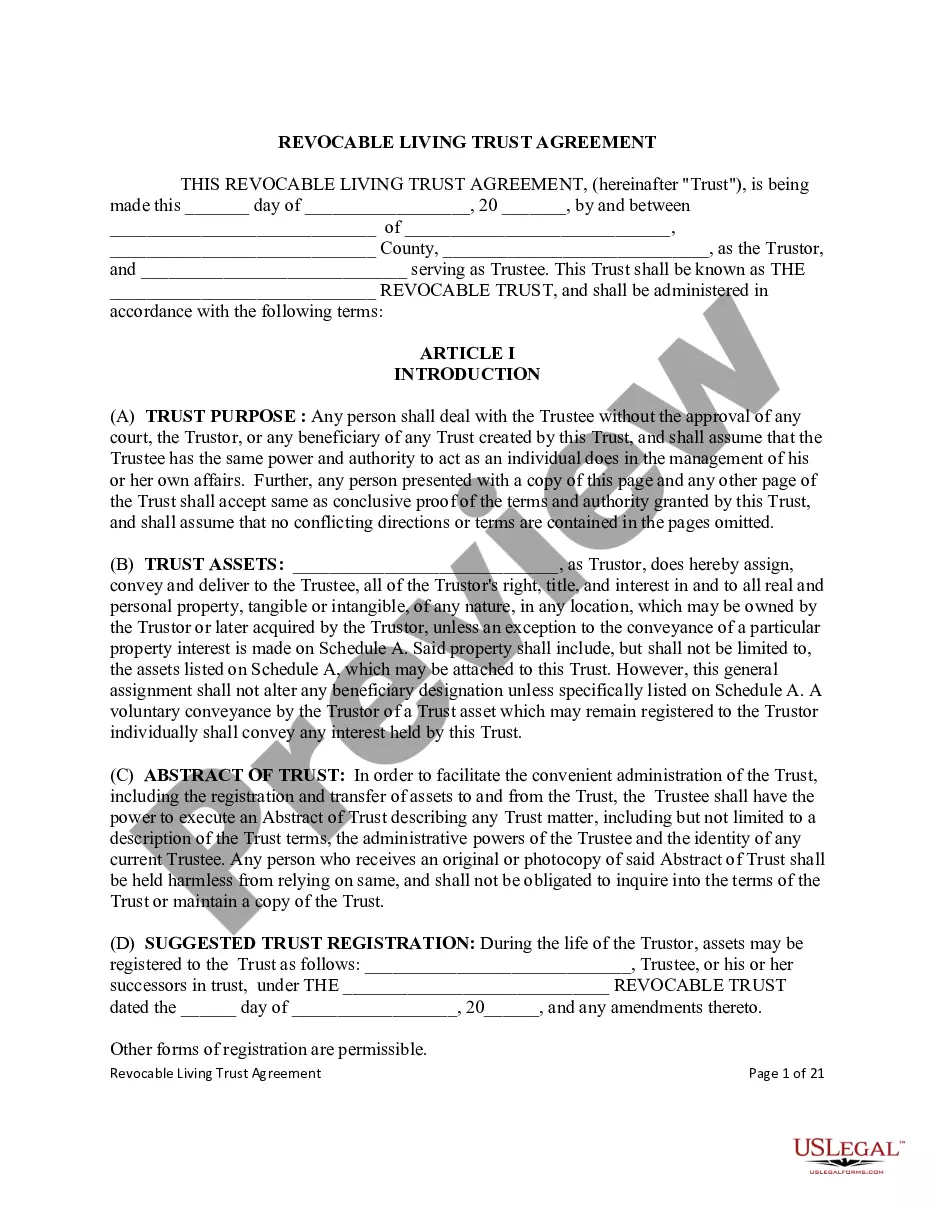
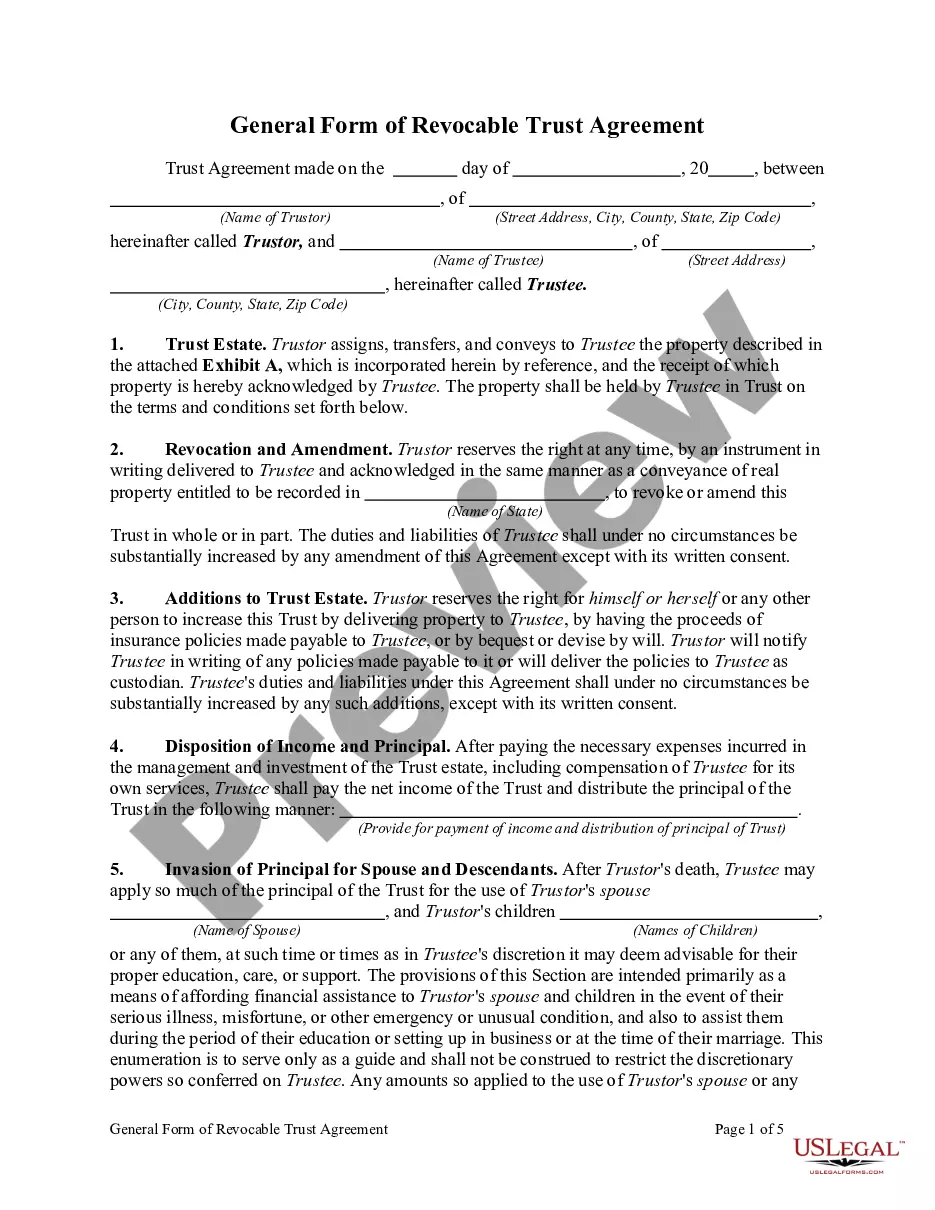
Dallas Texas Revocable Living Trust for House
Description
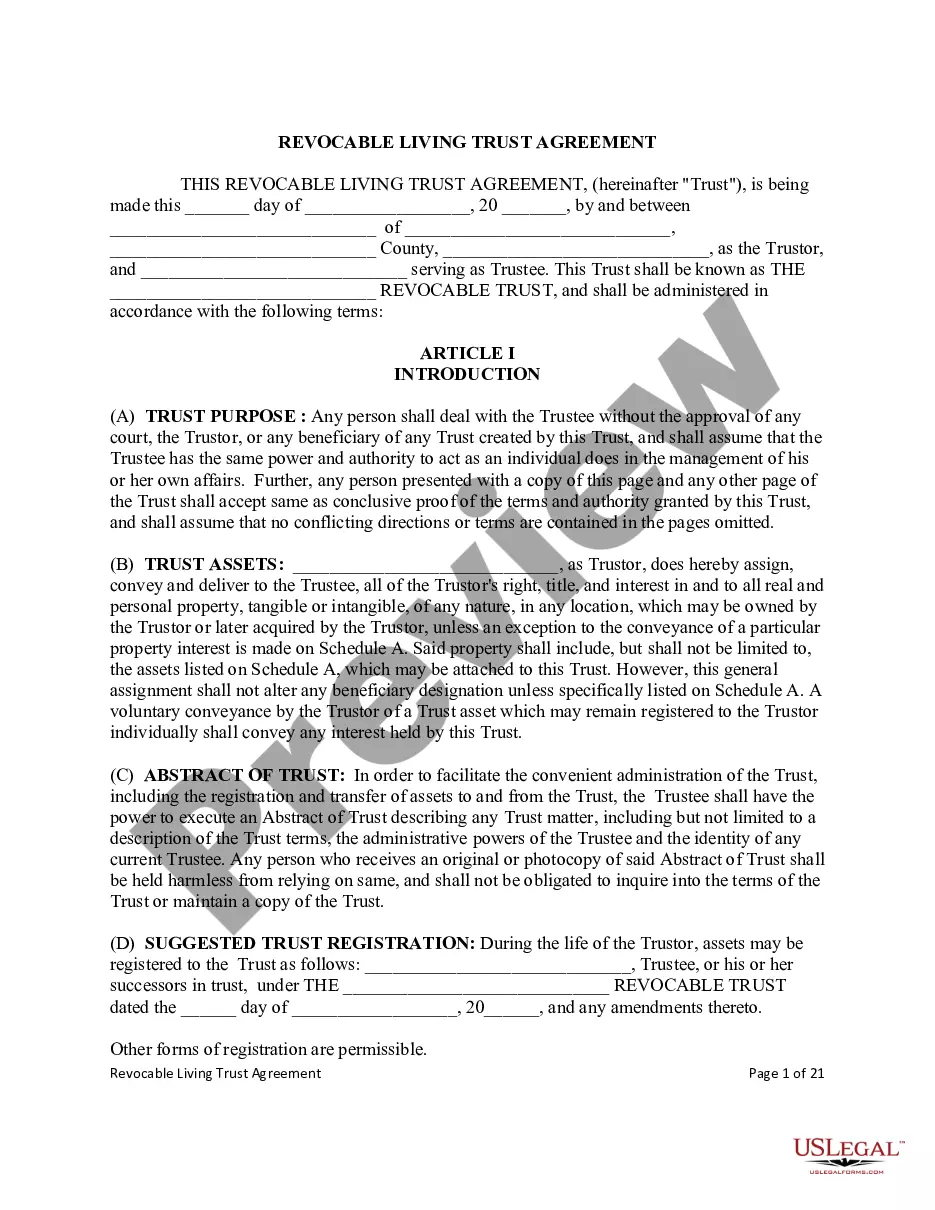
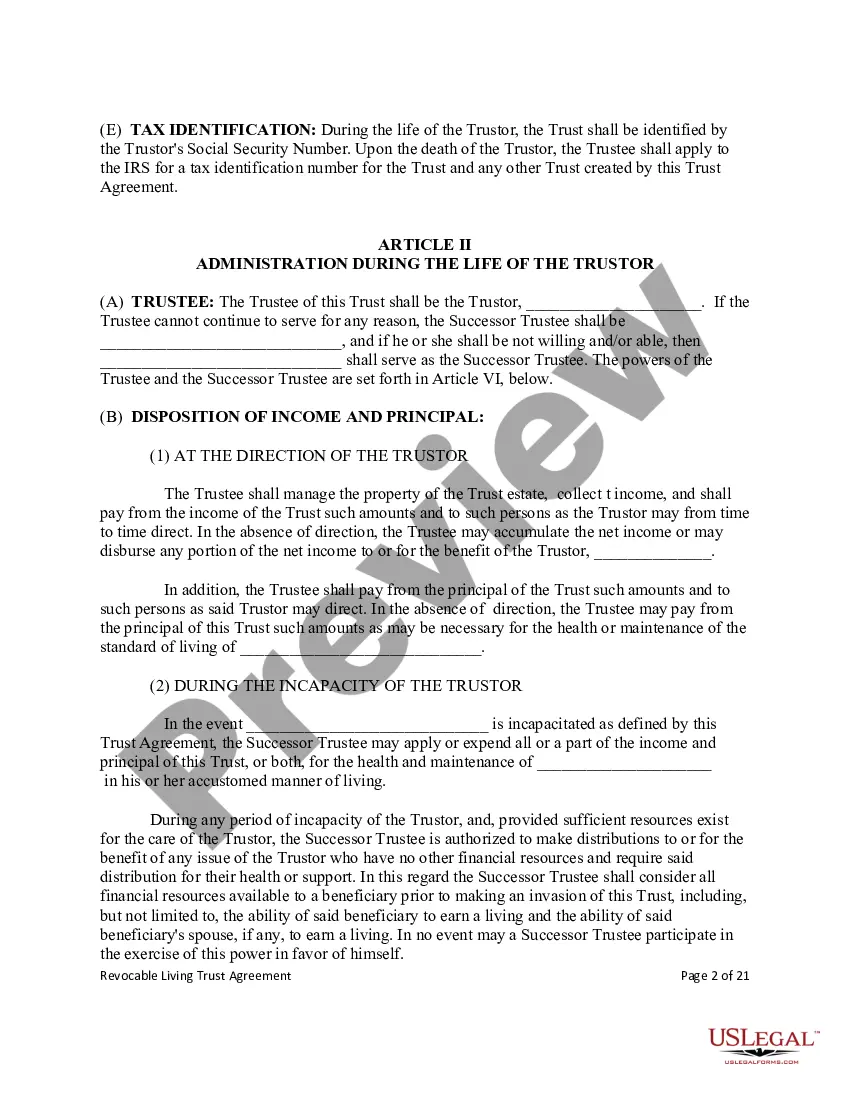
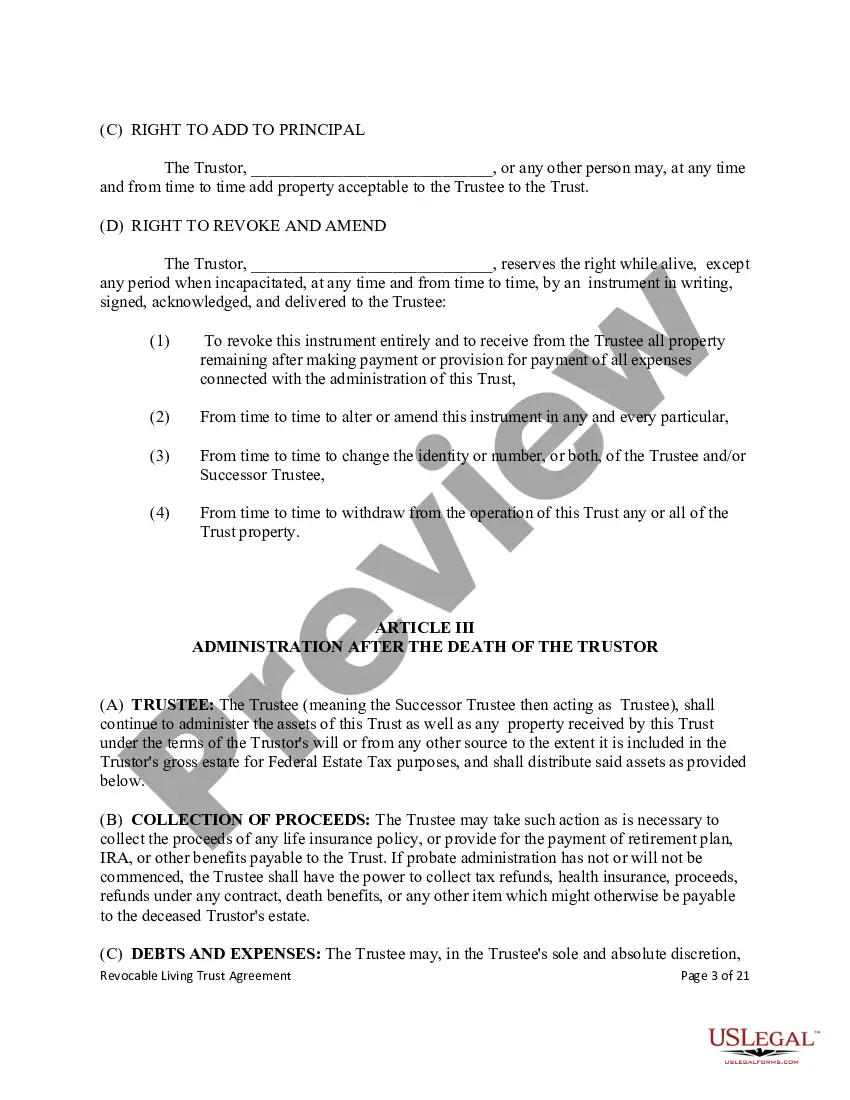
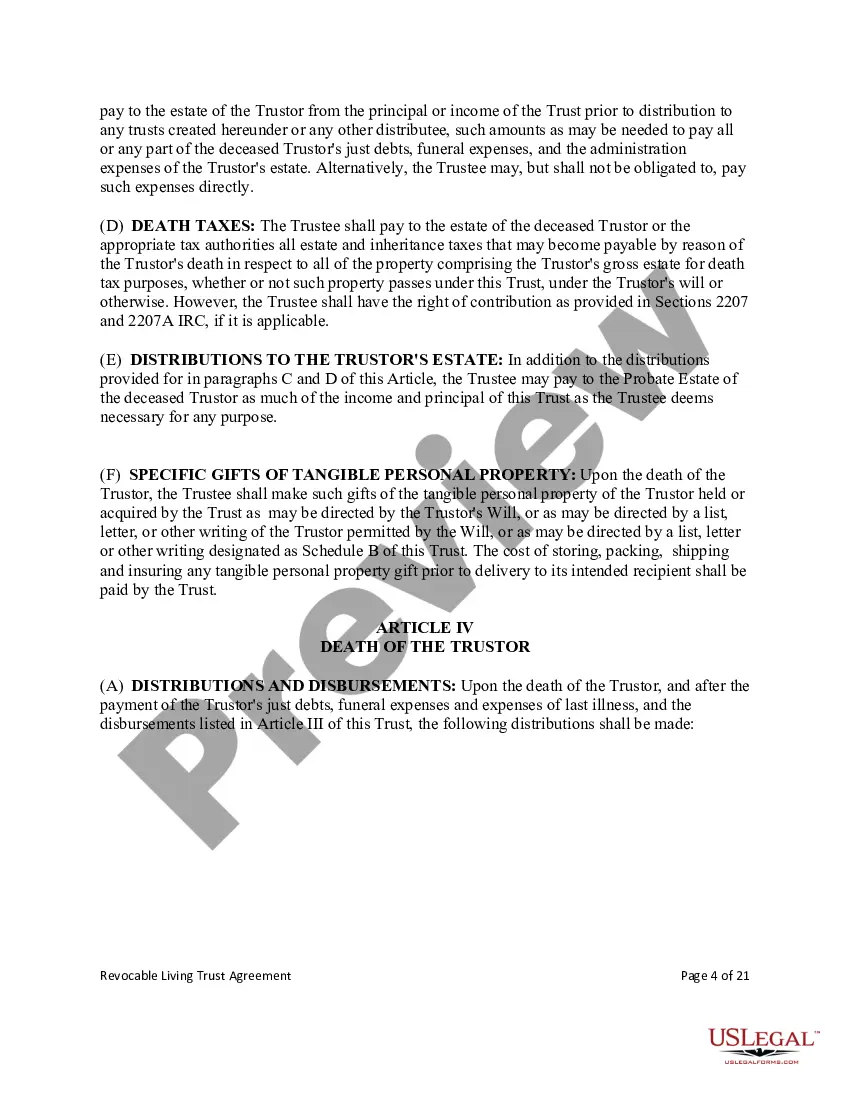
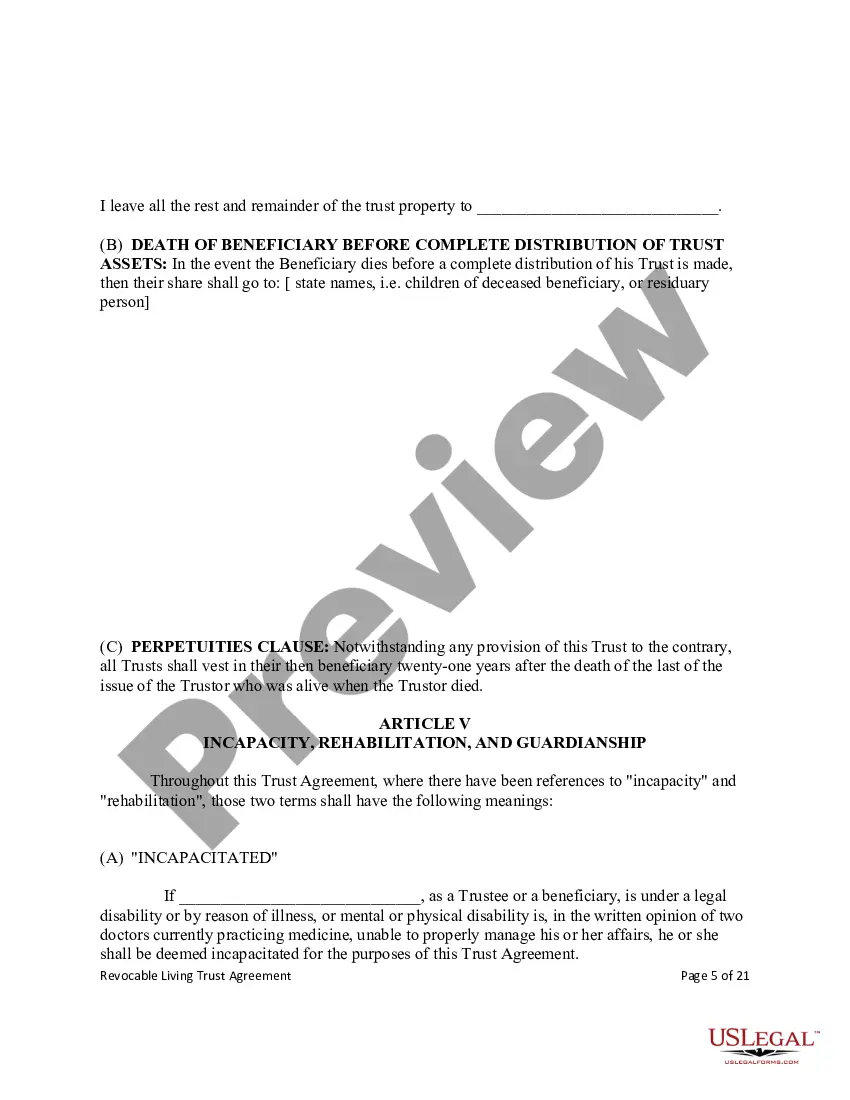
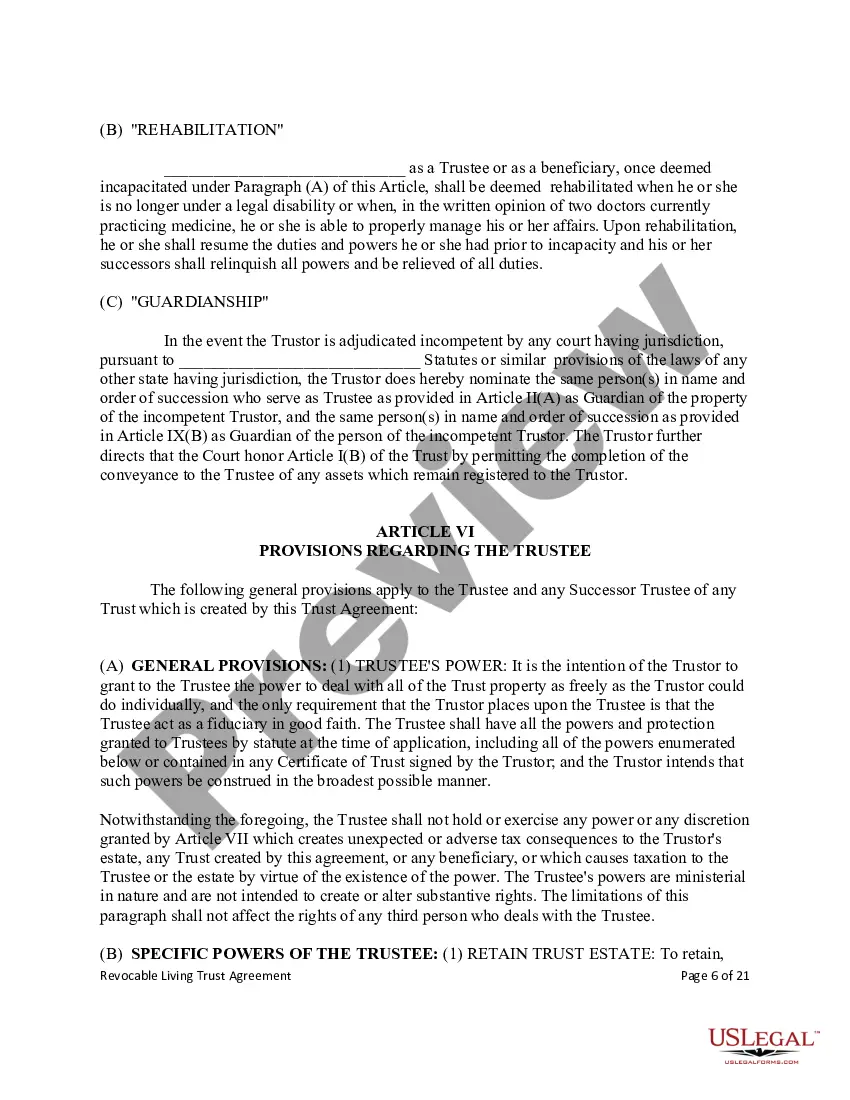
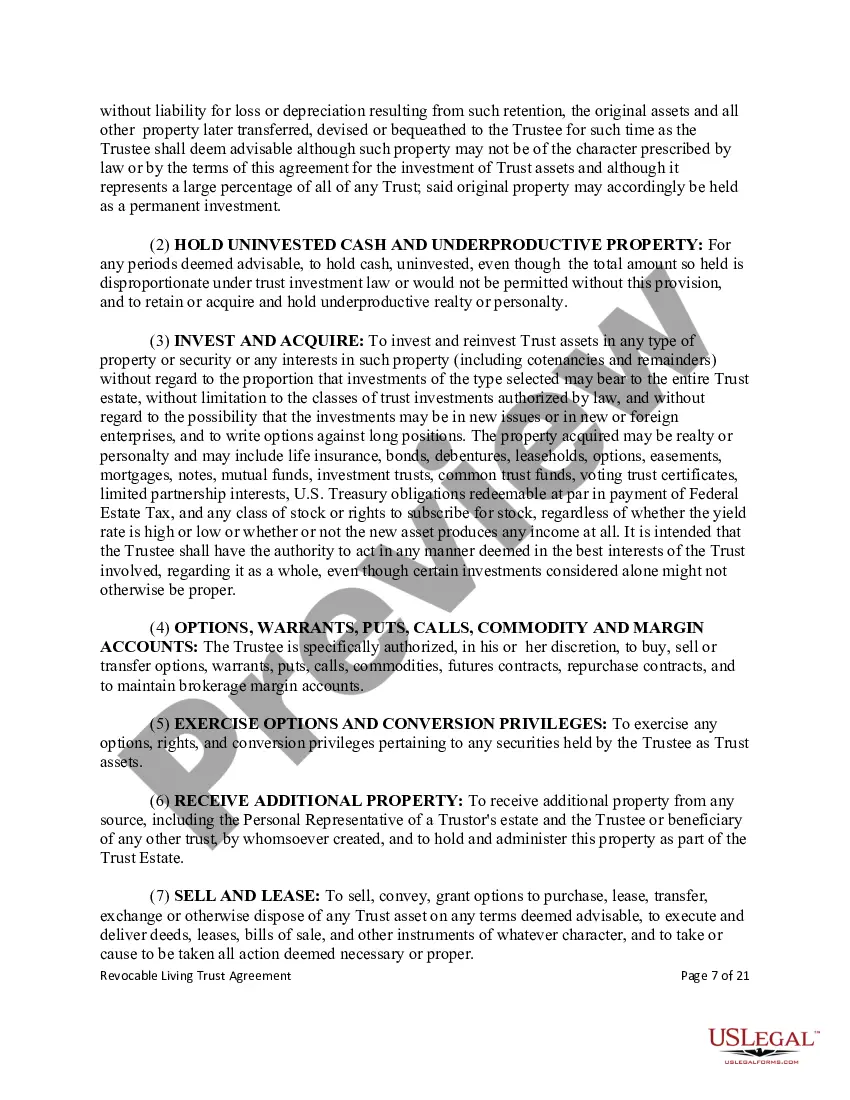
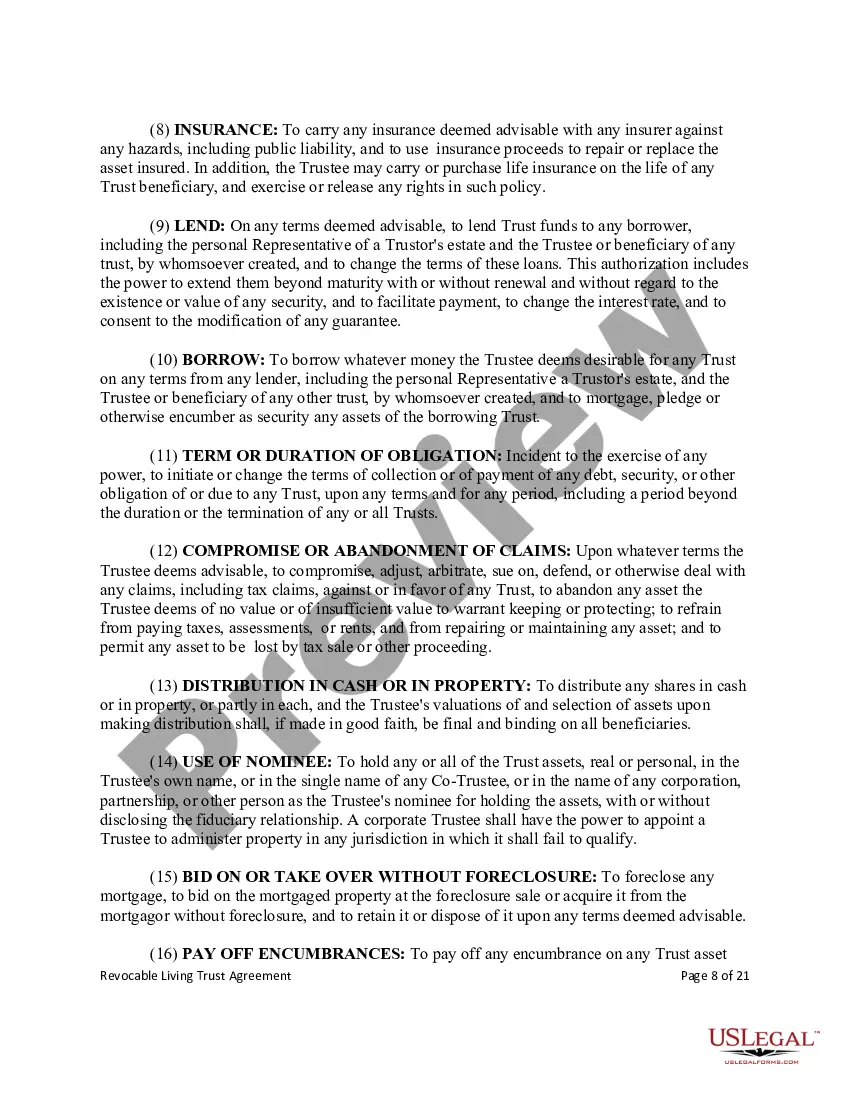

Get your form ready online
Our built-in tools help you complete, sign, share, and store your documents in one place.
Make edits, fill in missing information, and update formatting in US Legal Forms—just like you would in MS Word.
Download a copy, print it, send it by email, or mail it via USPS—whatever works best for your next step.
Sign and collect signatures with our SignNow integration. Send to multiple recipients, set reminders, and more. Go Premium to unlock E-Sign.
If this form requires notarization, complete it online through a secure video call—no need to meet a notary in person or wait for an appointment.
We protect your documents and personal data by following strict security and privacy standards.

Make edits, fill in missing information, and update formatting in US Legal Forms—just like you would in MS Word.

Download a copy, print it, send it by email, or mail it via USPS—whatever works best for your next step.

Sign and collect signatures with our SignNow integration. Send to multiple recipients, set reminders, and more. Go Premium to unlock E-Sign.

If this form requires notarization, complete it online through a secure video call—no need to meet a notary in person or wait for an appointment.

We protect your documents and personal data by following strict security and privacy standards.
Looking for another form?
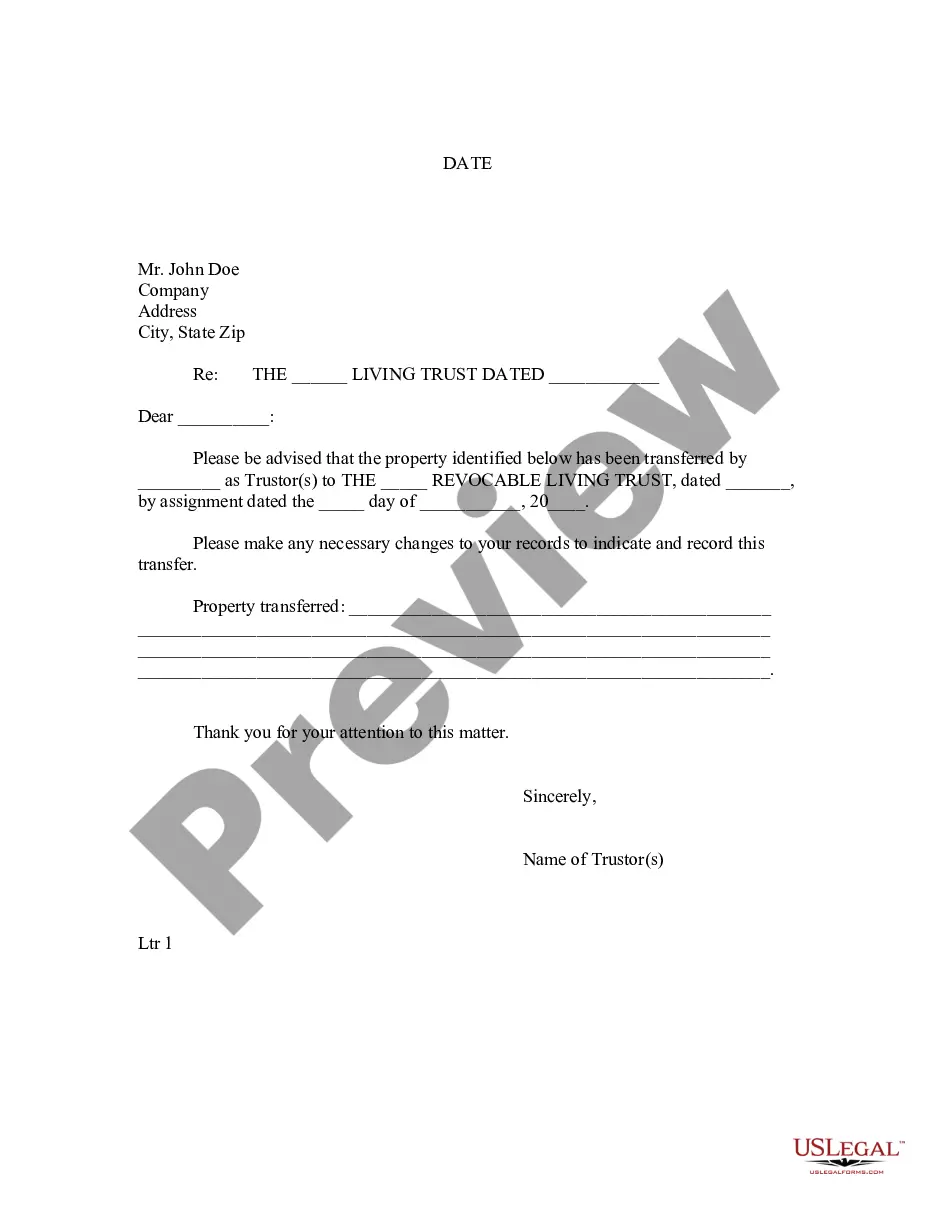

How to fill out Revocable Living Trust For House?
A documentation process consistently accompanies any legal action you undertake.
Establishing a business, submitting or accepting a job proposal, transferring assets, and various other life situations necessitate you to prepare formal documents that vary by region.
That’s why consolidating everything in a single location is incredibly advantageous.
US Legal Forms is the largest online compilation of current federal and state-specific legal templates.
This is the simplest and most reliable way to acquire legal documents. Every template in our library is professionally prepared and verified for compliance with local laws and regulations. Prepare your documentation and manage your legal matters efficiently with US Legal Forms!
- Here, you can effortlessly locate and download a document for any personal or business need utilized in your area, including the Dallas Revocable Living Trust for House.
- Finding samples on the platform is remarkably simple.
- If you already have a subscription to our library, Log In to your account, search for the sample in the search bar, and click Download to store it on your device.
- After that, the Dallas Revocable Living Trust for House will be available for further use in the My documents section of your profile.
- If you are using US Legal Forms for the first time, follow this brief guide to acquire the Dallas Revocable Living Trust for House.
- Ensure you have accessed the correct page with your localized form.
- Utilize the Preview option (if accessible) and scroll through the sample.
- Examine the description (if present) to verify the form meets your needs.
- Search for another document using the search tab if the sample doesn’t suit you.
- Click Buy Now once you find the necessary template.
Form popularity
FAQ
Although a typical will package costs $1,000 to $1,200, and a trust can run $2,500, a legal insurance plan like Texas Legal can save Texans hundreds or even thousands on their estate planning costs.
The primary benefit of creating a revocable trust is that it provides a prearranged mechanism that will ensure the continued management and preservation of your assets, should you become disabled. It can also set forth all of the dispositive provisions of your estate plan.
Establishing a trust requires serious legal help, which is not cheap. A typical living trust can cost $2,000 or more, while a basic last will and testament can be drawn up for about $150 or so.
What are the Disadvantages of a Trust?Costs. When a decedent passes with only a will in place, the decedent's estate is subject to probate.Record Keeping. It is essential to maintain detailed records of property transferred into and out of a trust.No Protection from Creditors.
With your property in trust, you typically continue to live in your home and pay the trustees a nominal rent, until your transfer to residential care when that time comes. Placing the property in trust may also be a way of helping your surviving beneficiaries avoid inheritance tax liabilities.
The main benefit of putting your house in a trust is that it bypasses probate when you pass away. All of your other assets, whether or not you have a will, will go through the probate process. Probate is the judicial process that your estate goes through when you die.
While there are many benefits to putting your home in a trust, there are also a few disadvantages. For one, establishing a trust is time-consuming and can be expensive. The person establishing the trust must file additional legal paperwork and pay corresponding legal fees.
Some of the Cons of a Revocable TrustShifting assets into a revocable trust won't save income or estate taxes. No asset protection. Although assets held in an irrevocable trust are generally beyond the reach of creditors, that's not true with a revocable trust.
Moving your house or other assets into a trust (specifically an irrevocable trust) can decrease your taxable estate. For a wealthy estate that could otherwise be subject to a state or federal estate tax, putting assets into a trust can help avoid or minimize the estate taxes.
A living trust could be especially useful in Texas because the state does not use the Uniform Probate Code, which streamlines the potentially time-consuming and costly probate process. Thus, creating a living trust in the Lone Star State could save your family a lot of time after you've died.