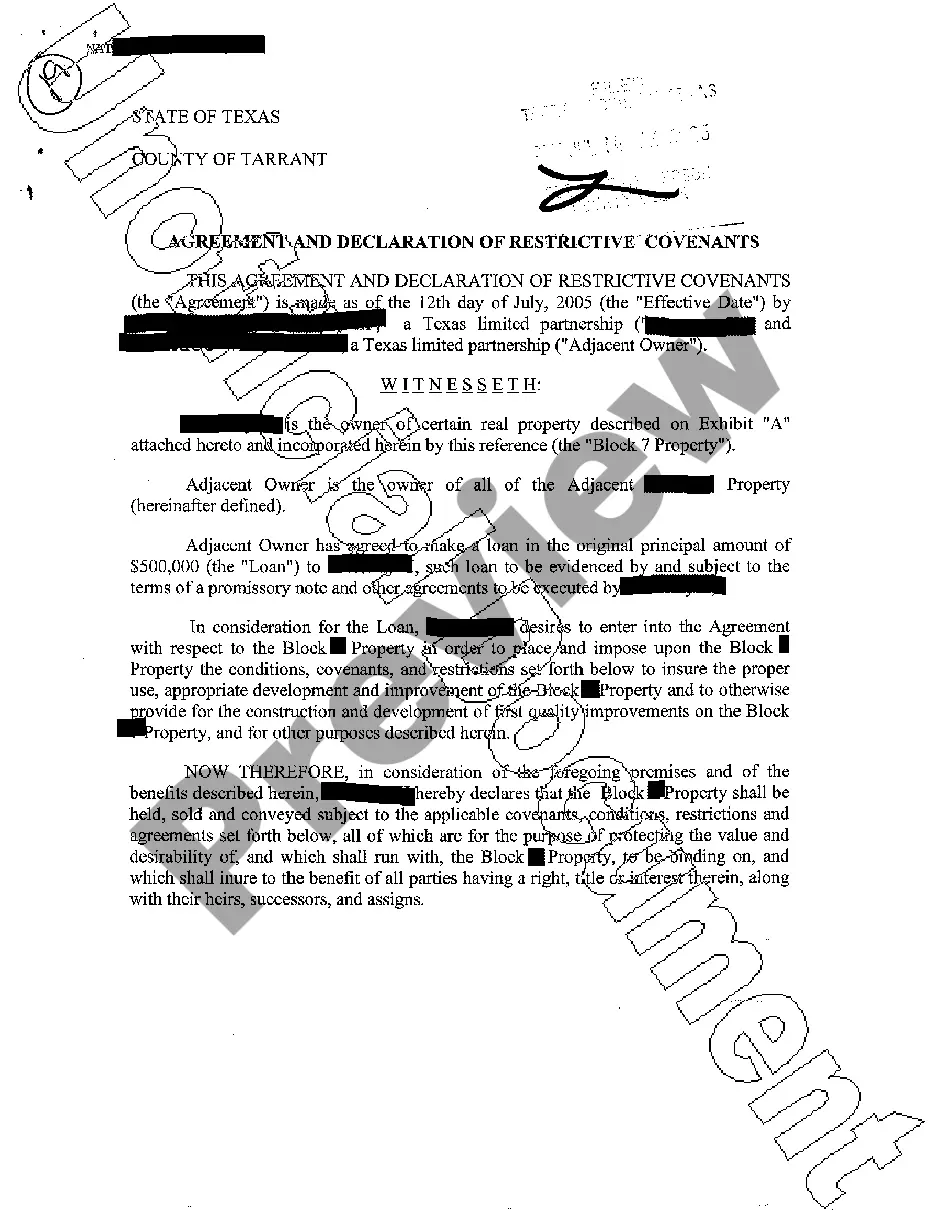
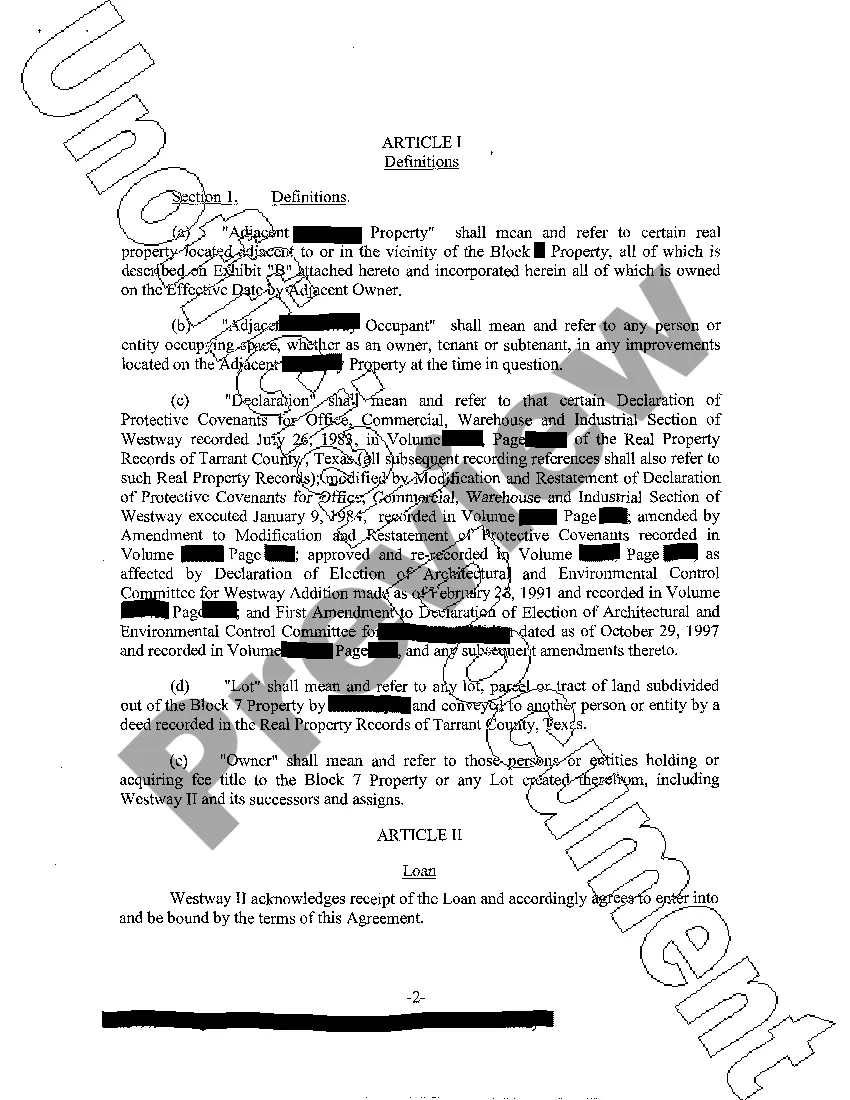
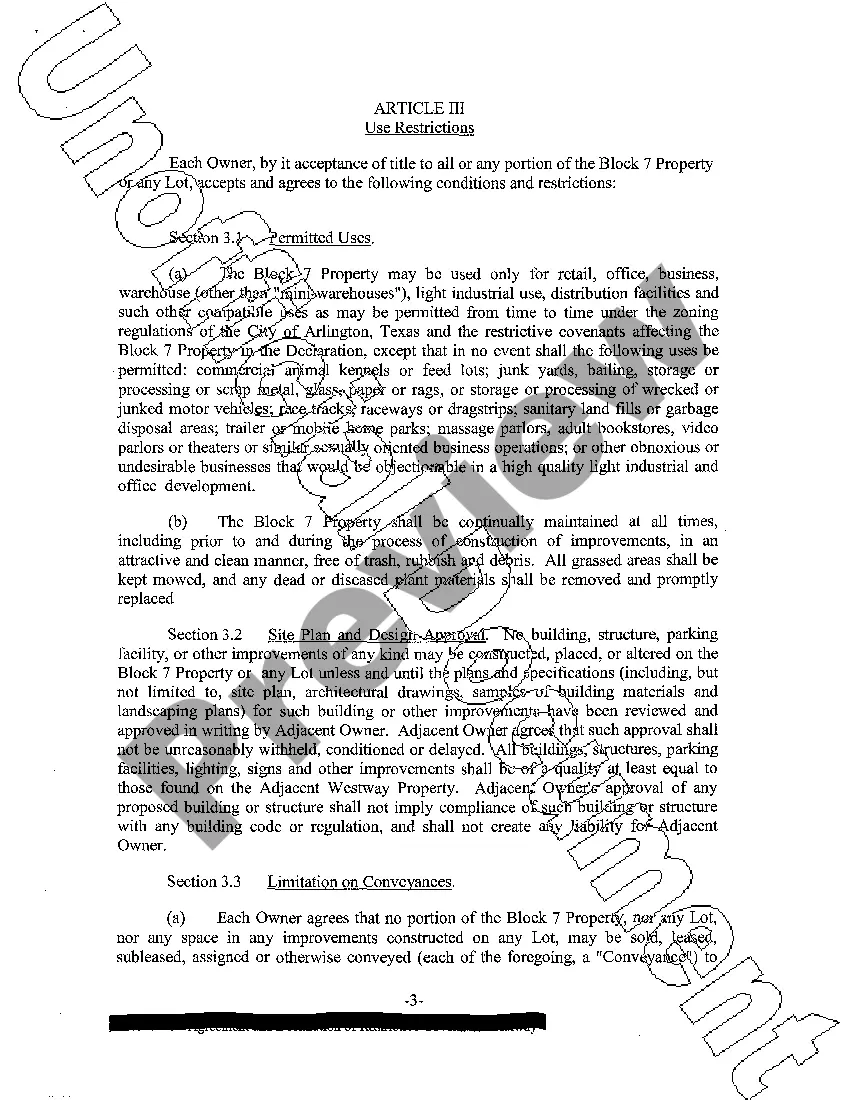
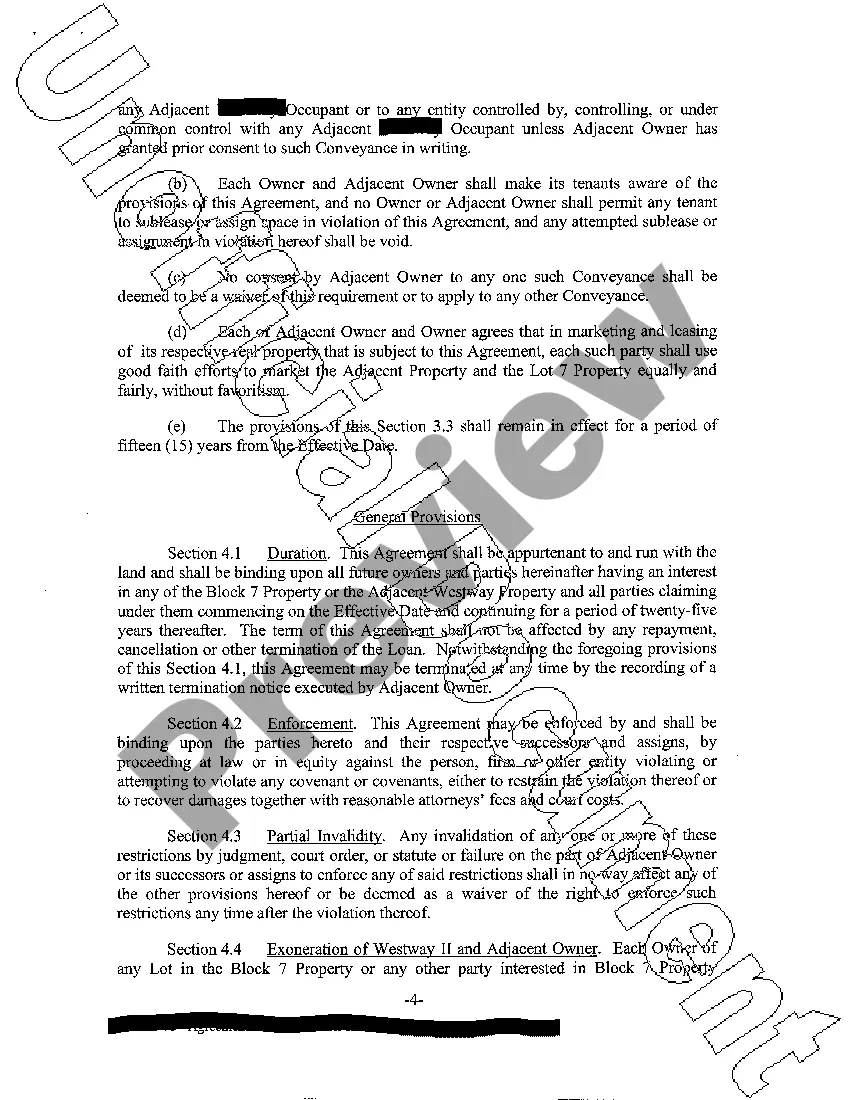
Frisco Texas Agreement and Declaration of Restrictive Covenants
Description
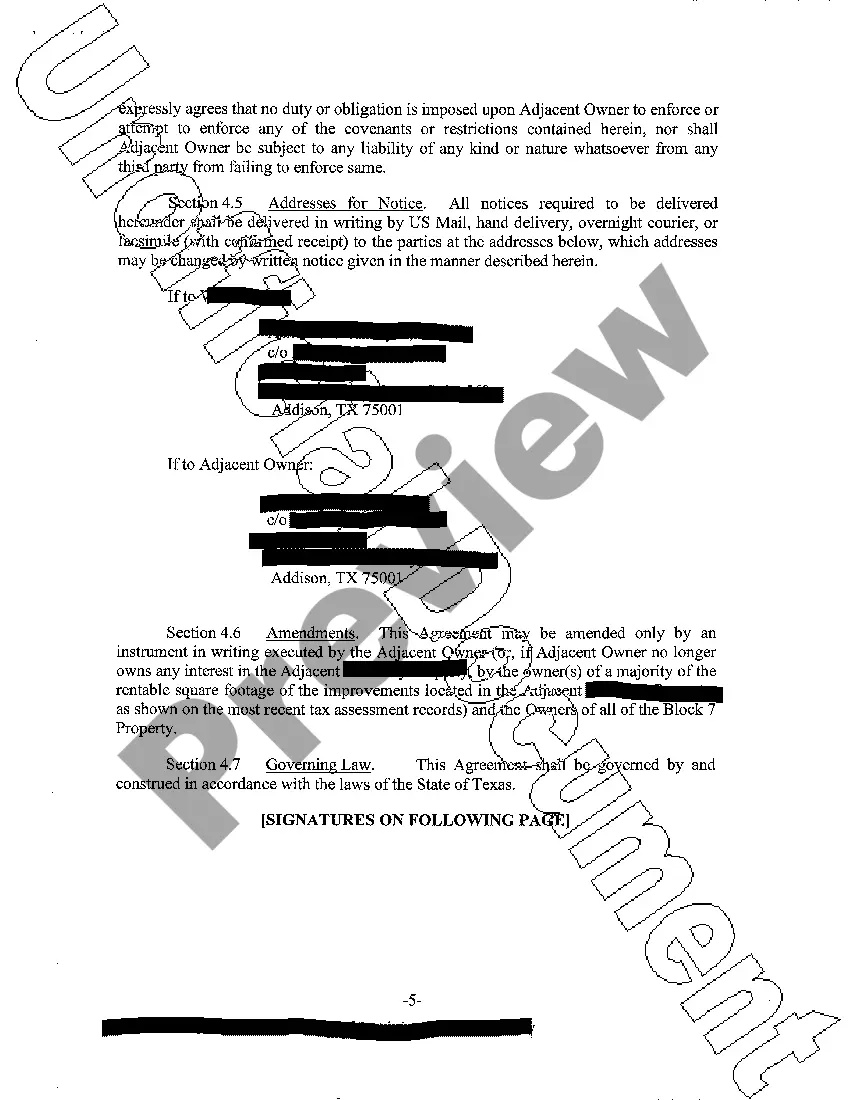
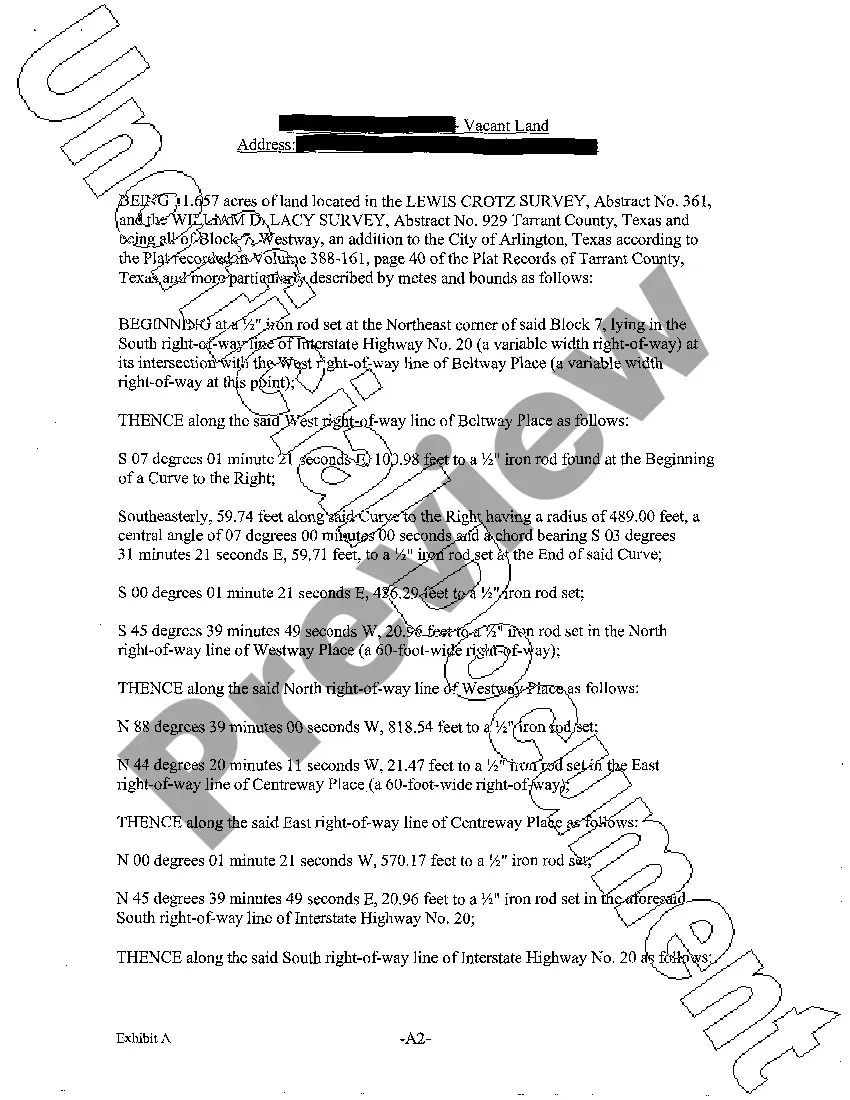

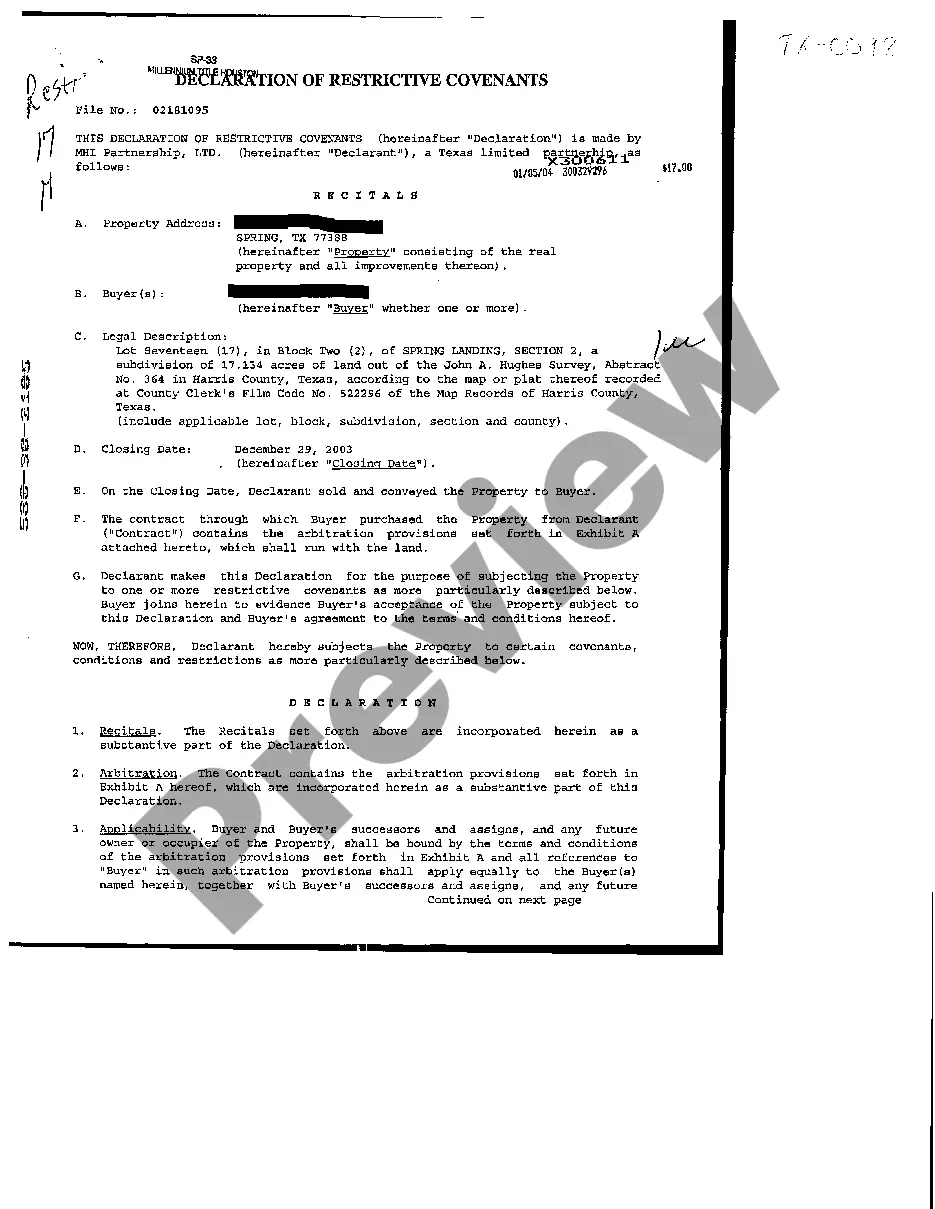

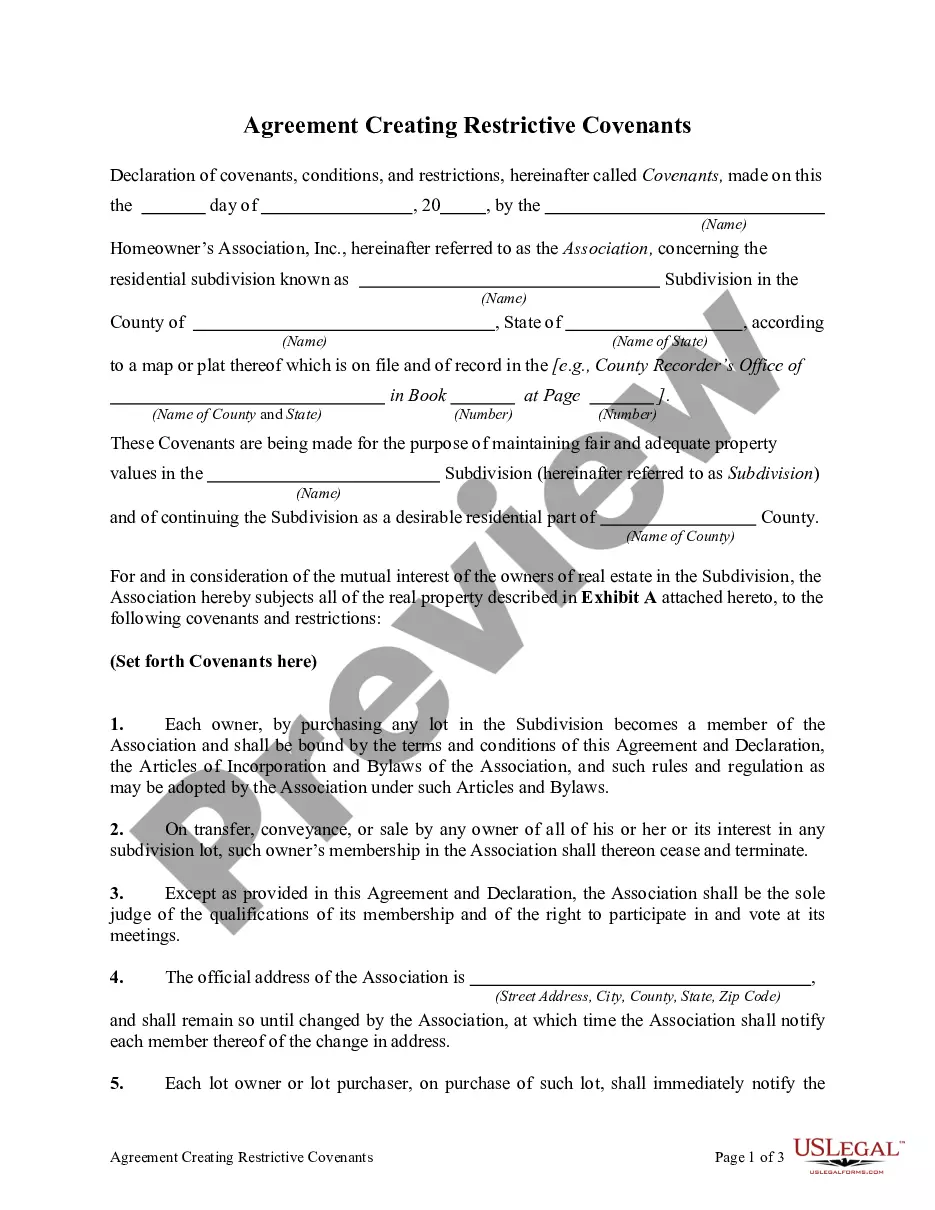
How to fill out Texas Agreement And Declaration Of Restrictive Covenants?
Finding authenticated templates tailored to your local laws can be challenging unless you access the US Legal Forms repository. It’s an online collection of over 85,000 legal documents catering to both personal and professional requirements across various real-life situations.
For those already acquainted with our service, acquiring the Frisco Texas Agreement and Declaration of Restrictive Covenants requires just a few clicks. Simply Log In to your account, select the document, and hit Download to save it on your device. The procedure will entail a few additional steps for new users.
Follow the instructions below to begin with the most comprehensive online form catalog.
Maintaining organization and adherence to legal specifications is crucial. Take advantage of the US Legal Forms library to always have crucial document templates for all your needs right at your fingertips!
- Review the Preview mode and form description. Ensure you’ve selected the correct one that aligns with your needs and meets your local jurisdiction standards.
- Look for another template, if necessary. If you notice any discrepancies, use the Search tab above to find the correct one. If it fits your requirements, proceed to the next step.
- Acquire the document. Click on the Buy Now button and choose the subscription plan that suits you. You will need to register an account to gain access to the library’s offerings.
- Complete your purchase. Enter your credit card information or utilize your PayPal account to pay for the service.
- Download the Frisco Texas Agreement and Declaration of Restrictive Covenants. Store the template on your device, so you can finish it and access it later in the My documents section of your profile whenever required.
Form popularity
FAQ
A restrictive covenant in Texas is a legal provision imposed on property use, aiming to maintain neighborhood standards or aesthetics. Defined within the Frisco Texas Agreement and Declaration of Restrictive Covenants, these terms can regulate aspects like building styles or types of allowed activities. Familiarizing yourself with these provisions is crucial for compliance and property value preservation.
Covenant law in Texas focuses on the enforceability and interpretation of agreements established by property developers or HOAs. This law governs how covenants can be created, amended, or challenged under the framework of the Frisco Texas Agreement and Declaration of Restrictive Covenants. Understanding these laws helps property owners navigate their rights and responsibilities.
Yes, restrictive covenants are enforceable in Texas, provided they comply with state laws and public policy. The Frisco Texas Agreement and Declaration of Restrictive Covenants must be clear and specific to be valid. If conflicts arise, property owners should consult legal professionals to ensure proper enforcement.
A covenant generally refers to a promise or agreement made between parties, often securing certain conditions within a development. In contrast, a restriction specifically limits actions or uses within the property as defined in the Frisco Texas Agreement and Declaration of Restrictive Covenants. Both play vital roles in maintaining the integrity of a community.
The declaration of covenants, conditions, and restrictions (CC&Rs) in Texas serves as a set of rules for property owners within a community. These guidelines, detailed in the Frisco Texas Agreement and Declaration of Restrictive Covenants, regulate activities like property modifications, landscaping, and noise levels. Understanding these rules helps maintain property values and community standards.
Generally, a Homeowners Association (HOA) cannot enter your home without your permission in Texas. However, they may have rights to access common areas or enforce restrictions as detailed in the Frisco Texas Agreement and Declaration of Restrictive Covenants. To protect your rights, it's essential to thoroughly understand the rules your HOA has established.
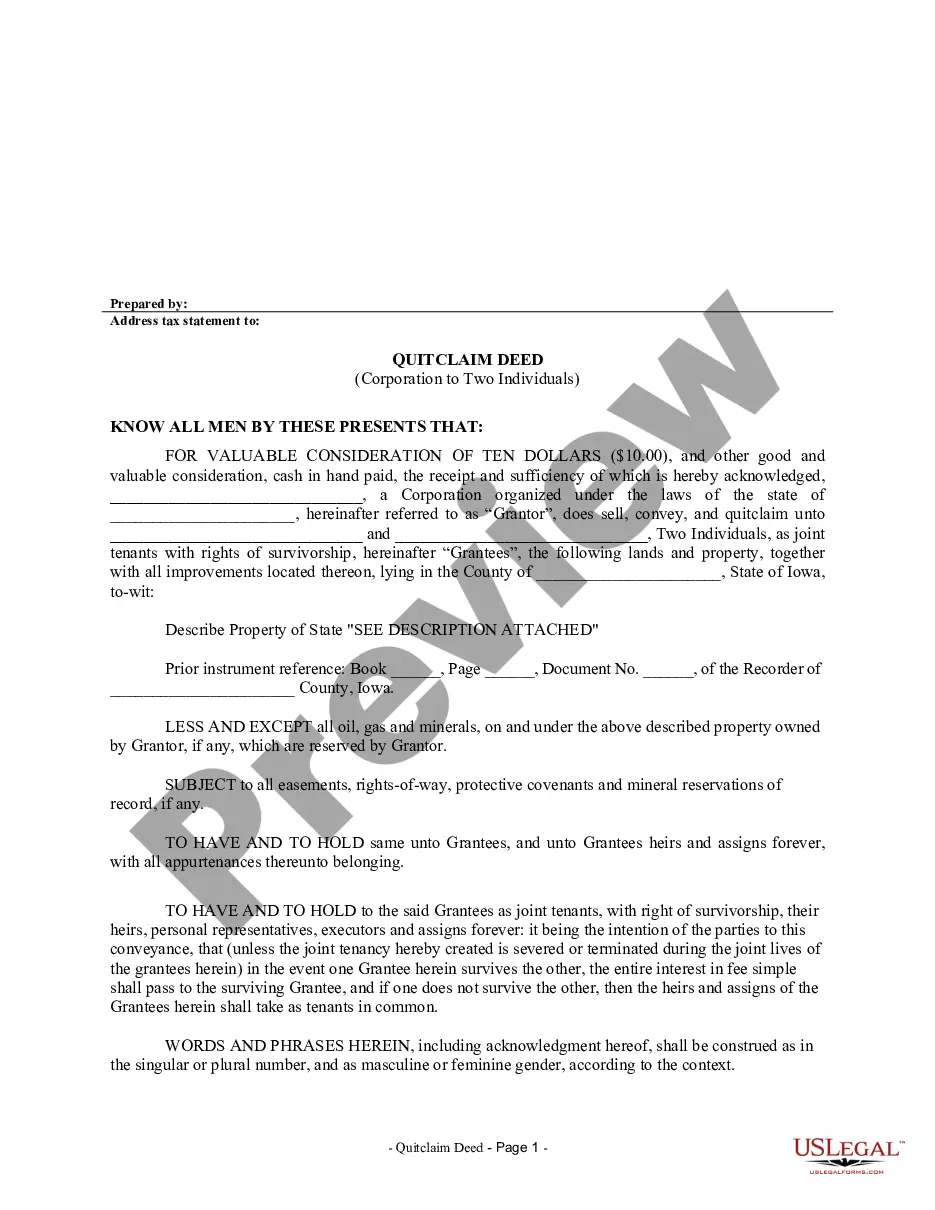
To amend the CC&Rs in Texas, you need to follow the process outlined in the original document. Typically, this involves gathering support from a certain percentage of property owners, drafting the amendments, and filing them with the appropriate county office. Engaging with professionals familiar with the Frisco Texas Agreement and Declaration of Restrictive Covenants can streamline this process and ensure compliance with local laws.
Deed restrictions are primarily placed on real property to maintain property values and create a cohesive community atmosphere. They help regulate land use, architectural controls, and other factors essential for neighborhood harmony. The Frisco Texas Agreement and Declaration of Restrictive Covenants exemplifies how such restrictions can protect homeowners' investments by enforcing community standards. Understanding these reasons can help you appreciate their importance.
Yes, property deeds are public record in Texas. This means that anyone can access these documents, which typically include information about any deed restrictions. The Frisco Texas Agreement and Declaration of Restrictive Covenants may also be found within these records, providing insights for prospective buyers or current property owners. Checking these records helps you make informed decisions about your property.
Deed restrictions in Texas are generally enforceable, provided they meet certain legal criteria. Courts uphold these restrictions if they serve a legitimate purpose and do not violate public policy. The Frisco Texas Agreement and Declaration of Restrictive Covenants often serves as a solid foundation for enforceability, enabling communities to maintain property values. Engaging with legal experts can help clarify specific enforceability issues.