Dallas Texas Order on Defendant's Motion for Discovery
Description
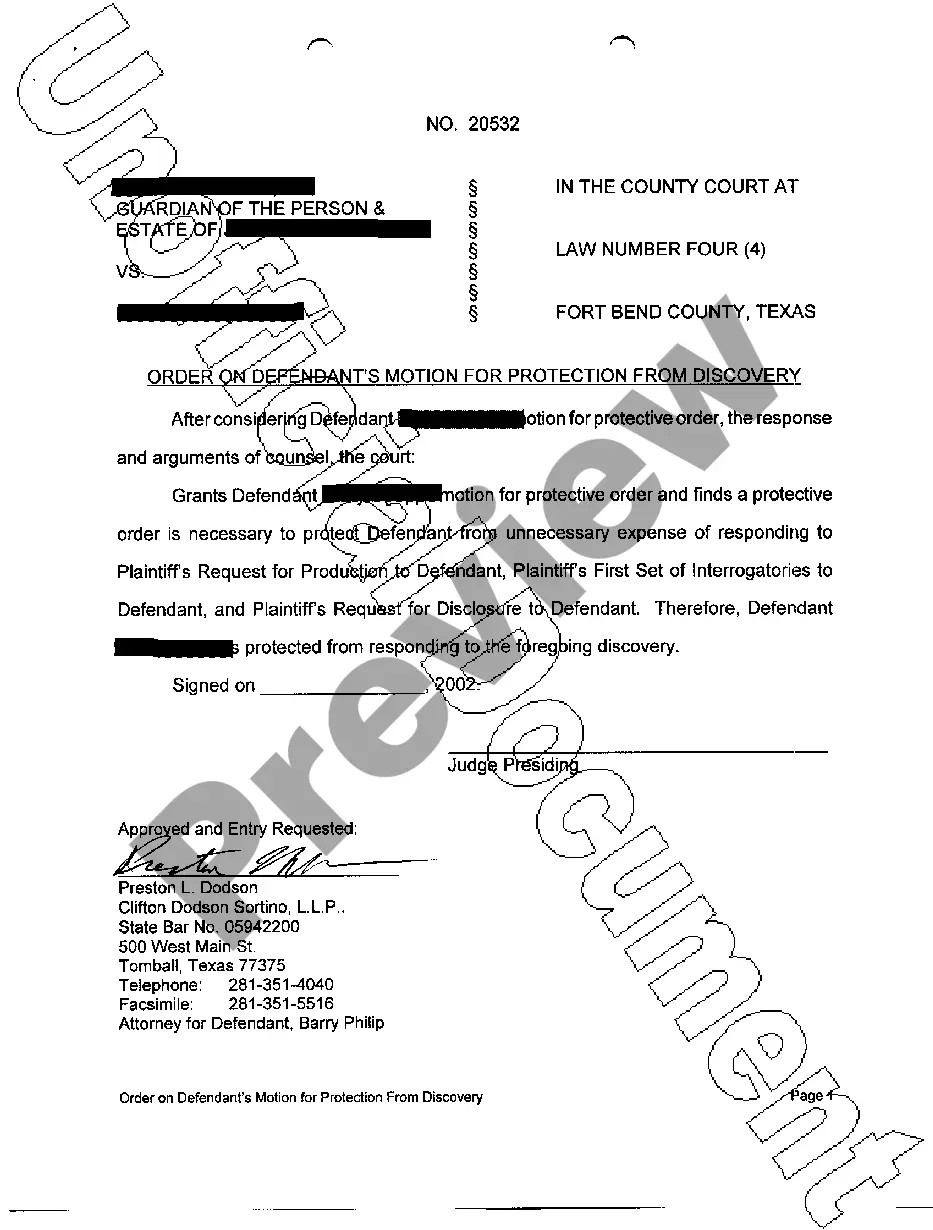
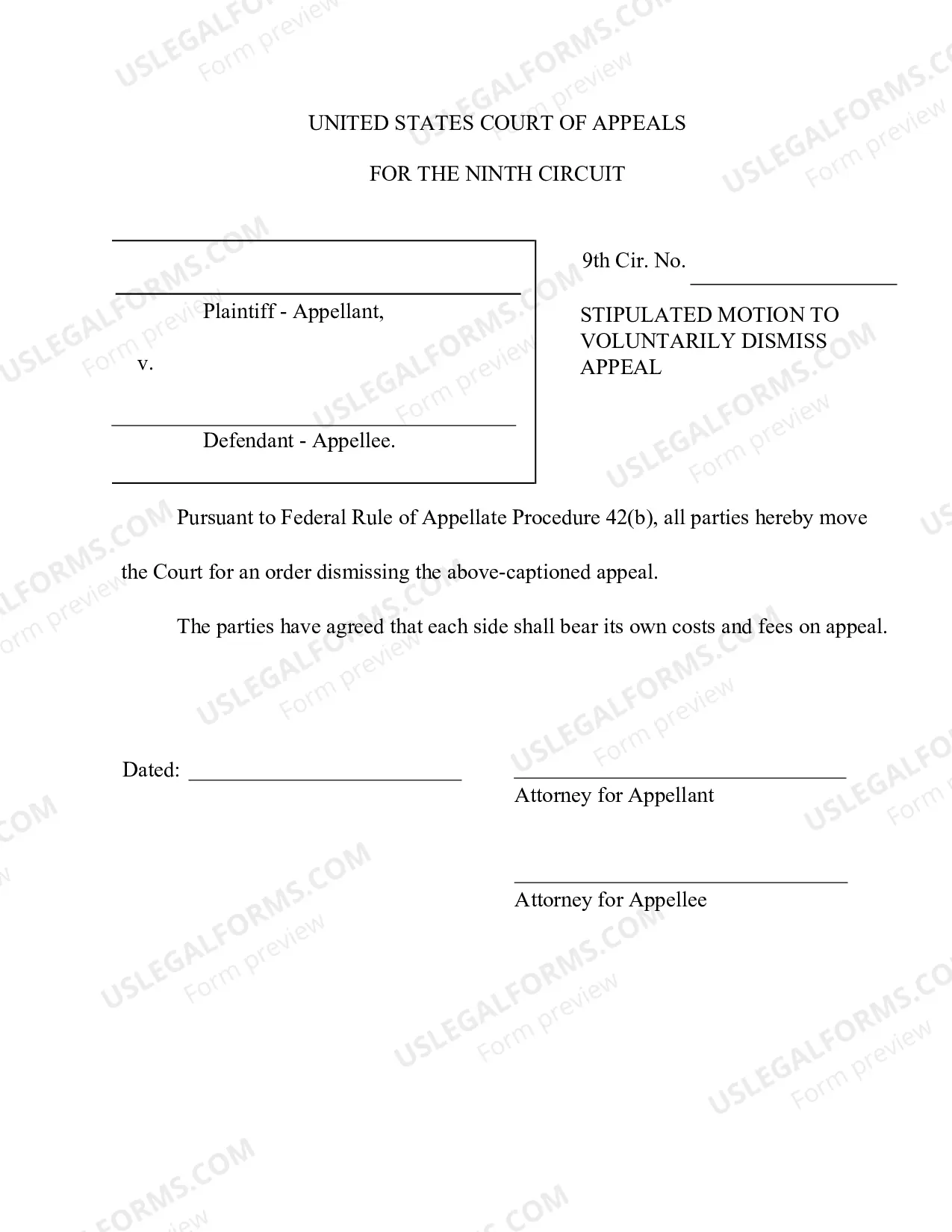

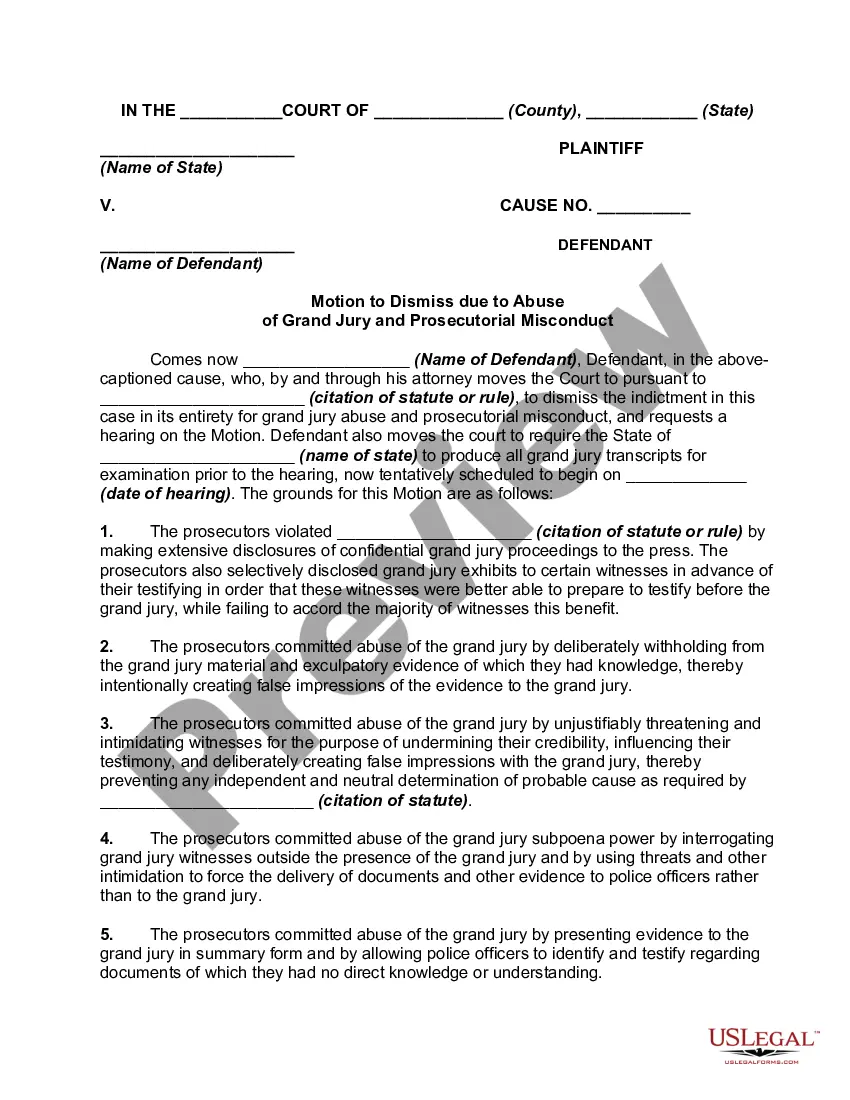
How to fill out Texas Order On Defendant's Motion For Discovery?
Regardless of one's social or occupational standing, finalizing law-related documents is a regrettable requirement in the current working landscape.
Frequently, it’s nearly unfeasible for an individual without legal expertise to draft this type of paperwork independently, primarily because of the intricate language and legal nuances they encompass.
This is where US Legal Forms steps in to assist.
- Our service offers a vast repository of over 85,000 state-specific forms that accommodate nearly any legal circumstance.
- US Legal Forms is also an invaluable resource for associates or legal advisors seeking to save time by utilizing our DIY forms.
- No matter if you need the Dallas Texas Order on Defendant's Motion for Discovery or any other form appropriate for your state or county, US Legal Forms makes everything easily accessible.
- Here’s how to obtain the Dallas Texas Order on Defendant's Motion for Discovery promptly using our reliable service.
- If you are already a registered user, you can go ahead and Log In to your account to retrieve the required document.
- However, if you are new to our platform, make sure to adhere to these steps before downloading the Dallas Texas Order on Defendant's Motion for Discovery.
Form popularity
FAQ
Under Level 2 discovery, each side is only allowed 25 written interrogatories that ask for more than identifying information about a document. Additionally, the responding party may respond by telling the other side where the information can be found in public records instead of answering the question directly.
A motion for discovery is a legal request to the court in a civil trial. The request asks the court to mandate that the opposing council and party turn over a given piece of material or information. It occurs during the pre-trial process in which each party prepares his or her case to present to the judge.
The three forms of discovery are: Written - This form of discovery takes place on paper.Document Production - This form of discovery involves an exchange of documents.Oral - Sometimes known as depositions, this form of discovery allows parties to gain sworn statements from involved individuals.
One of the most commonly used exceptions to Texas' statute of limitations is the discovery rule. This gives a victim two years from the date he or she discovered the injury (or reasonably should have discovered it) to file rather than the date of the accident. This exception applies to hidden or delayed injuries.
Except as exempted by Rule 194.2(d) or as otherwise agreed by the parties or ordered by the court, a party must, without awaiting a discovery request, provide to the other parties the information or material described in Rule 194.2, 194.3, and 194.4. Production.
Rule 190.4. Discovery Control Plan - By Order (Level 3) (1999) (a) Application. The court must, on a party's motion, and may, on its own initiative, order that discovery be conducted in accordance with a discovery control plan tailored to the circumstances of the specific suit.
Discovery is the legal process that lets each side of a lawsuit ask the other side for information that is related to the case. During discovery, both parties must show the other side evidence they plan to use during trial.
Under Level 2 discovery, each side is only allowed 25 written interrogatories that ask for more than identifying information about a document. Additionally, the responding party may respond by telling the other side where the information can be found in public records instead of answering the question directly.
Discovery consists of four key actions: interrogatories, requests for production, requests for admission and depositions.
Rule 190 - Discovery Limitations 190.1 Discovery Control Plan Required. Every case must be governed by a discovery control plan as provided in this Rule. A plaintiff must allege in the first numbered paragraph of the original petition whether discovery is intended to be conducted under Level 1, 2, or 3 of this Rule.