Plano Texas General Denial and Affirmative Defenses
Description
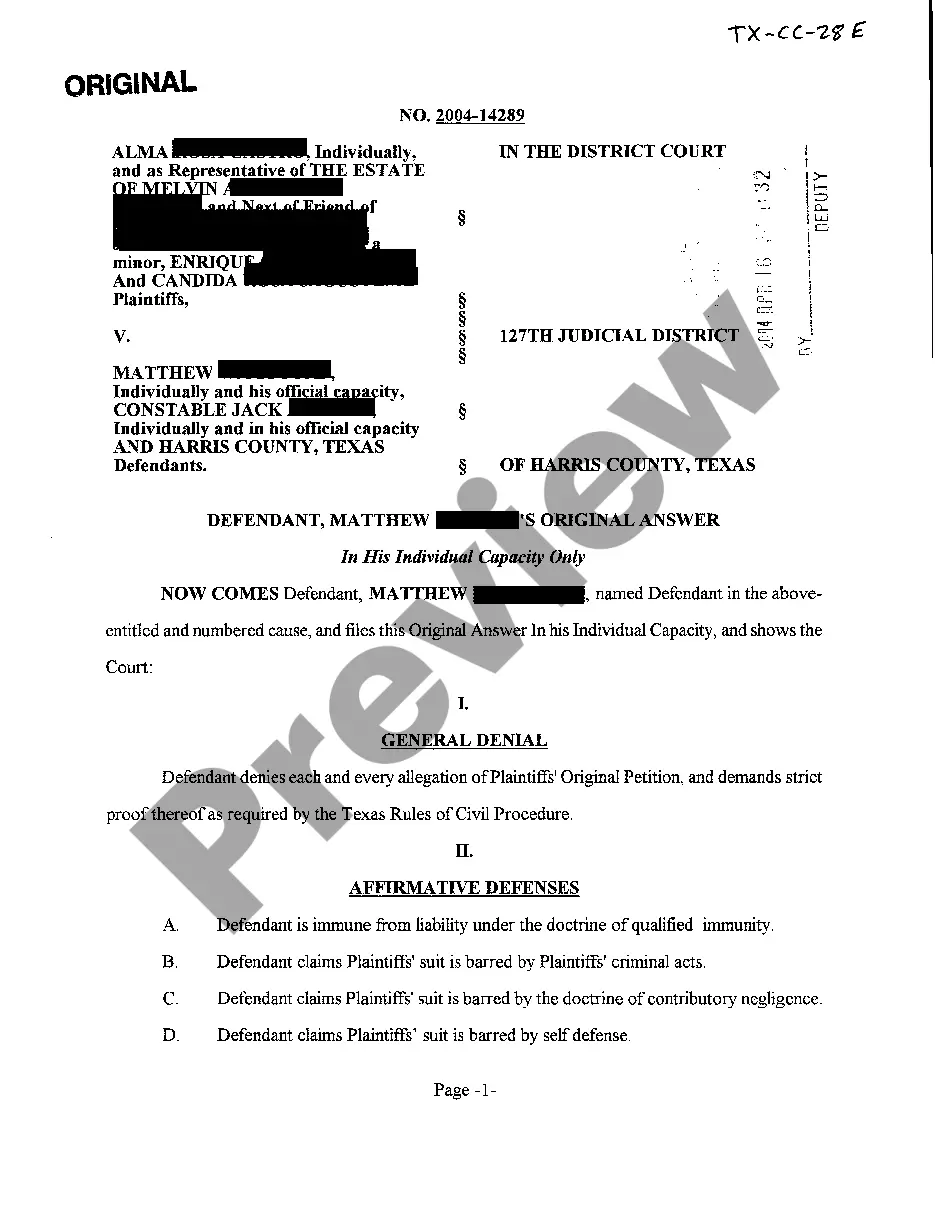
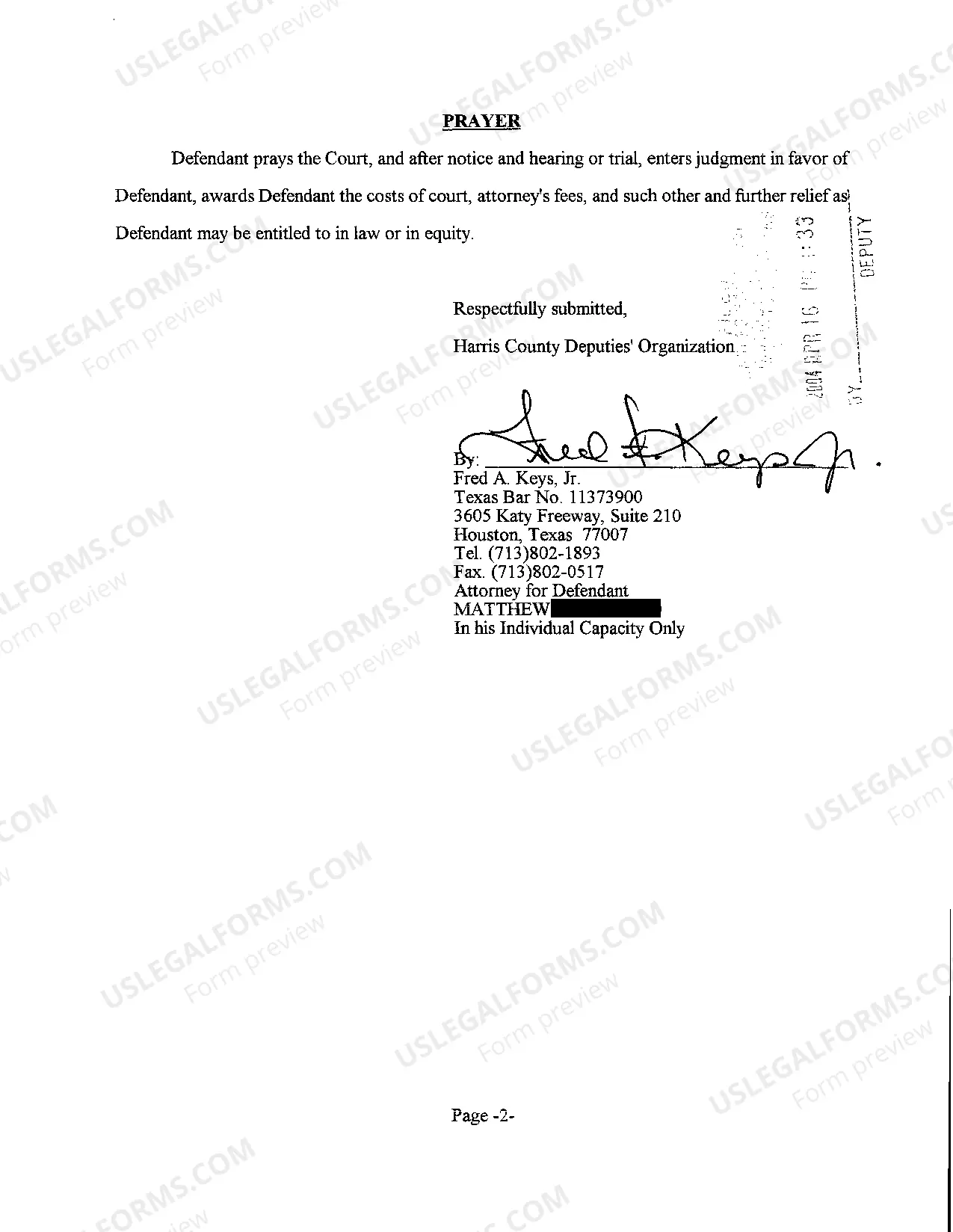
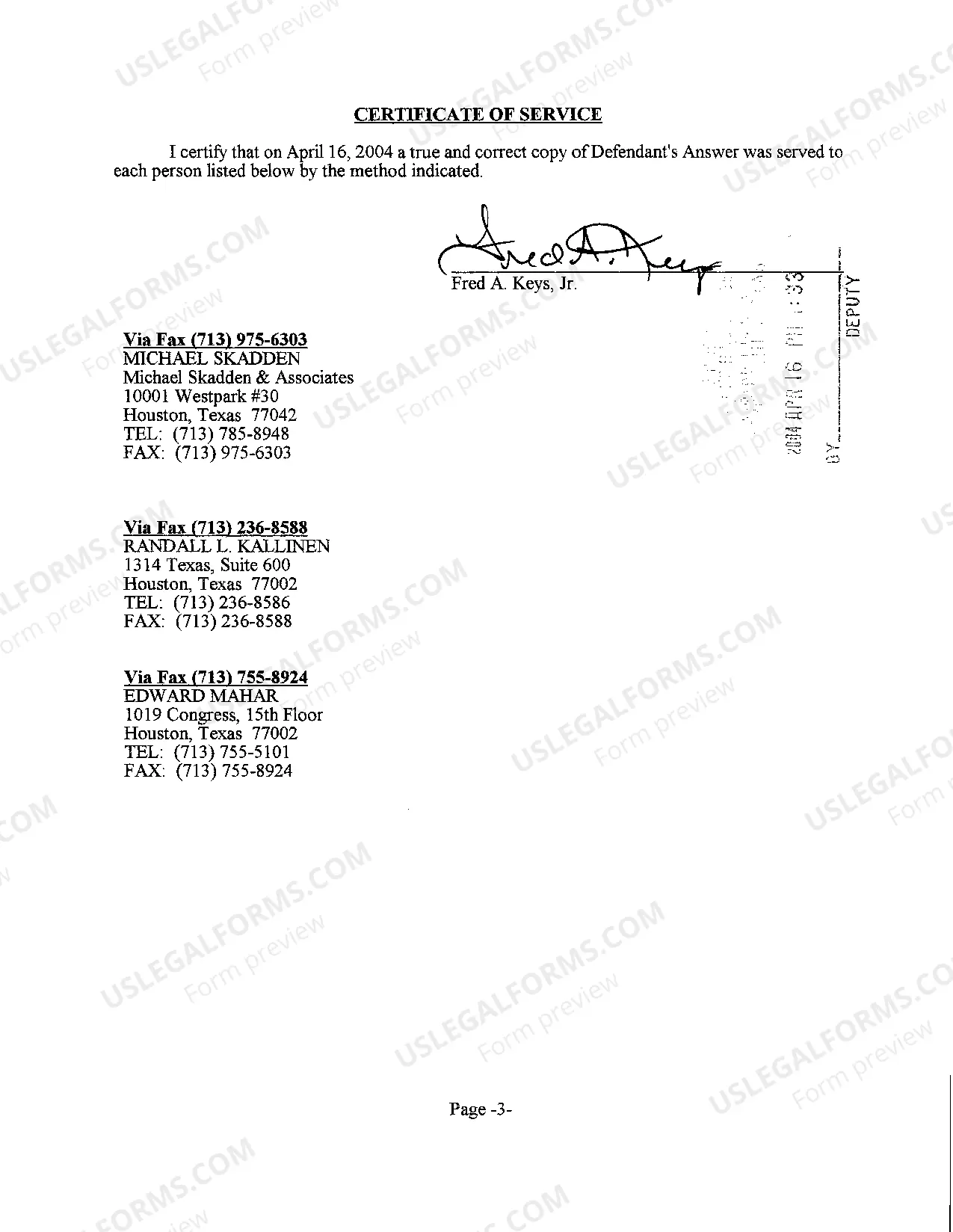
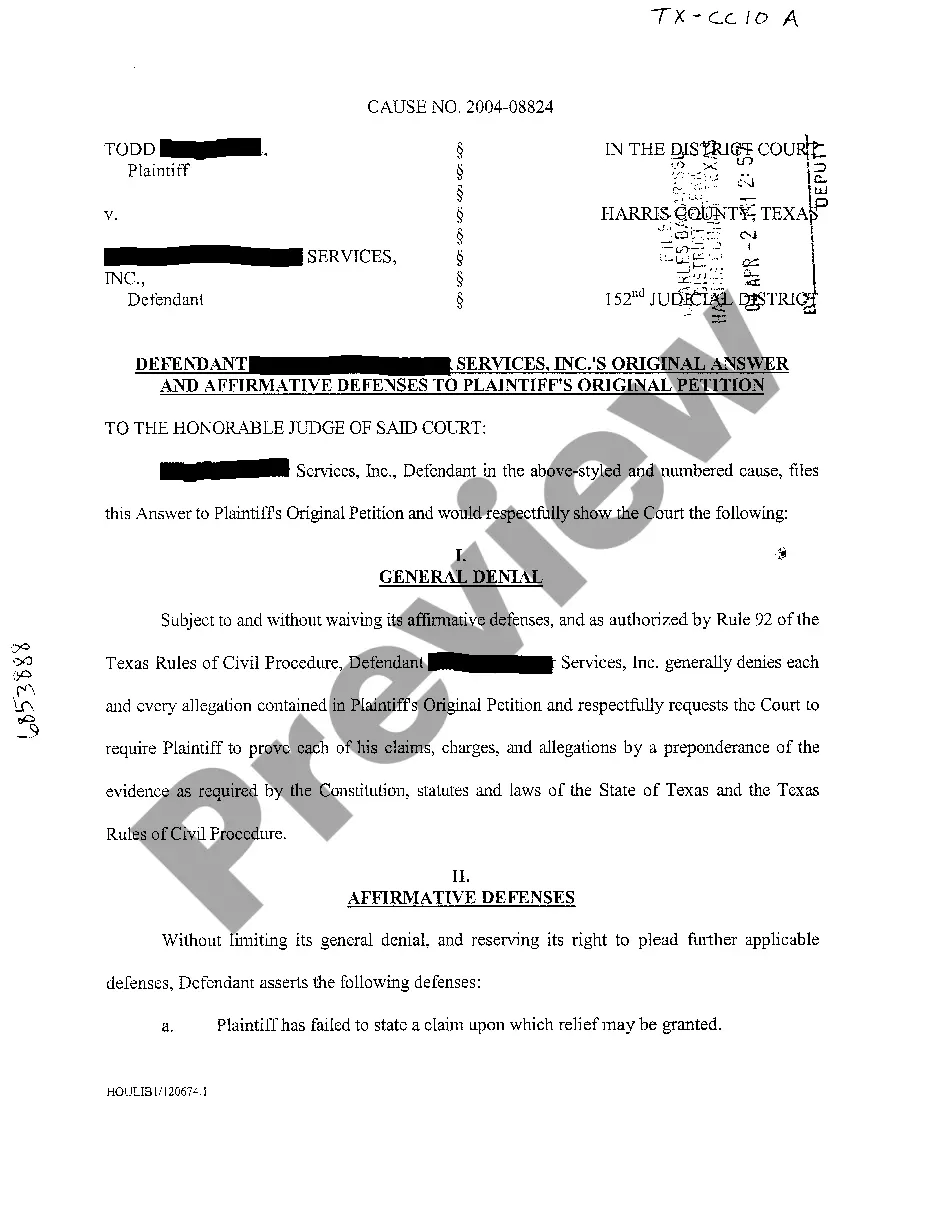
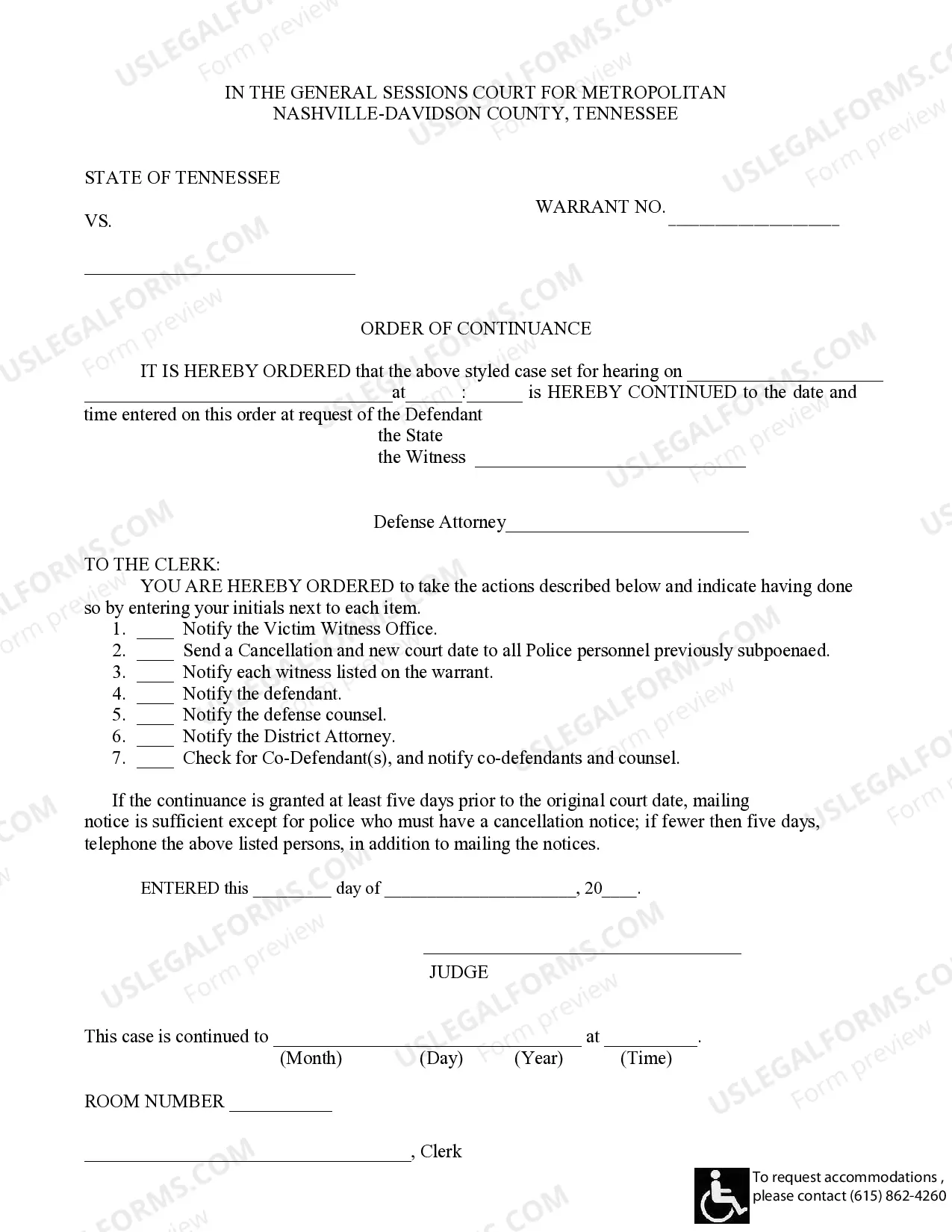

How to fill out Texas General Denial And Affirmative Defenses?
If you are looking for a legitimate form template, it’s challenging to find a superior place than the US Legal Forms site – arguably the most extensive online repositories.
Here you can access thousands of document examples for business and personal needs categorized by types and states, or keywords.
Utilizing our premium search feature, locating the latest Plano Texas General Denial and Affirmative Defenses is as simple as 1-2-3.
Complete the purchase. Utilize your credit card or PayPal account to finalize the registration process.
Access the form. Choose the format and save it to your device.
- Furthermore, the validity of each document is verified by a team of experienced attorneys who regularly evaluate the templates on our platform and update them according to the latest state and county guidelines.
- If you are already acquainted with our system and possess a registered account, all you need to do to obtain the Plano Texas General Denial and Affirmative Defenses is to Log In to your profile and click the Download button.
- If you are using US Legal Forms for the first time, simply follow the instructions outlined below.
- Ensure you have opened the template you desire. Verify its details and use the Preview tool (if available) to assess its contents. If it does not suit your needs, employ the Search bar at the top of the page to find the appropriate document.
- Confirm your selection. Click on the Buy now option. Then, select the desired pricing plan and enter your information to register for an account.
Form popularity
FAQ
Answering affirmative defenses involves acknowledging the claims made and addressing each point directly. You should clearly state your position on the affirmative defenses, either admitting or denying their validity. This step is essential when navigating legal disputes in the context of Plano Texas General Denial and Affirmative Defenses. For assistance in drafting a comprehensive answer, consider exploring the templates and insights available through US Legal Forms, which can streamline your response process.
The burden of proof in an affirmative defense in Texas emphasizes the defendant’s responsibility to prove the defense is valid. In civil litigation, you need to show that the evidence favors your defense more than the plaintiff’s claim. This responsibility is crucial when dealing with Plano Texas General Denial and Affirmative Defenses, as it defines the extent to which you must substantiate your position. Leverage US Legal Forms to access tools that aid in meeting this burden effectively.
Yes, the party raising an affirmative defense in Texas holds the burden of proof to establish the validity of that defense. This means you must present evidence sufficient to support your claims, demonstrating that your defense is valid and applicable to the situation. In cases concerning Plano Texas General Denial and Affirmative Defenses, understanding this burden helps you prepare for the challenges ahead. Utilize resources like US Legal Forms to guide you in presenting your defense effectively.
Affirmative defense justification in Texas involves presenting legitimate reasons that mitigate liability for an action taken. This can include circumstances that demonstrate a defendant acted appropriately under specific situations, leading to a justified defense. In the context of Plano Texas General Denial and Affirmative Defenses, it's crucial to outline your justification clearly and substantiate it with concrete evidence. Legal forms and guides from US Legal Forms can assist you in structuring this justification effectively.
In Texas, the burden of proof refers to the obligation of a party to prove its claims or defenses. Generally, in civil cases, the standard is a preponderance of the evidence, which means that the evidence must show that something is more likely true than not. This standard applies in cases relating to Plano Texas General Denial and Affirmative Defenses as well, where the party asserting a claim carries this burden. Understanding this concept is vital when developing your legal strategy in Texas.
In Texas, an affirmative defense in debt collection occurs when a defendant claims reasons that, if proven, negate liability despite an admission of the factual allegations. Common affirmative defenses include statute of limitations and payment. By presenting an affirmative defense, you shift the focus from just denying the debt to providing legal justification against it. Utilizing US Legal Forms, you can find resources that help you clearly articulate your affirmative defenses under Plano Texas General Denial and Affirmative Defenses.
Writing a general denial in Texas involves crafting a clear statement that refutes the plaintiff’s claims. You must identify the case and declare your denial of all allegations in the petition. It’s important to maintain clarity while ensuring that the document adheres to Texas rules of civil procedure. Consider using US Legal Forms to find templates that simplify this process, ensuring your general denial aligns with Plano Texas General Denial and Affirmative Defenses.
An affirmative defense presents new facts that counter the plaintiff's claims, while a general denial simply refutes the allegations without introducing new information. By asserting an affirmative defense, you acknowledge the claim but argue that you should not be held liable due to specific defenses. Understanding the difference between these concepts is vital for effectively managing cases involving Plano Texas General Denial and Affirmative Defenses. Professional assistance through platforms like uslegalforms can help clarify these concepts further.
Rule 11 of the Texas Rules of Civil Procedure stipulates that a party must plead affirmative defenses in a timely manner to ensure they are considered by the court. This rule emphasizes the importance of filing defenses alongside your initial responses to claims. Ignoring this rule could potentially jeopardize your position in court. Hence, knowing how to navigate Rule 11 is essential for anyone involved with Plano Texas General Denial and Affirmative Defenses.
The first affirmative defense often refers to self-defense in criminal cases. This defense allows individuals to protect themselves from imminent harm without facing legal consequences. However, it must be clear that the force used was necessary and proportional to the threat faced. Understanding the implications of the first affirmative defense is crucial when approaching Plano Texas General Denial and Affirmative Defenses.