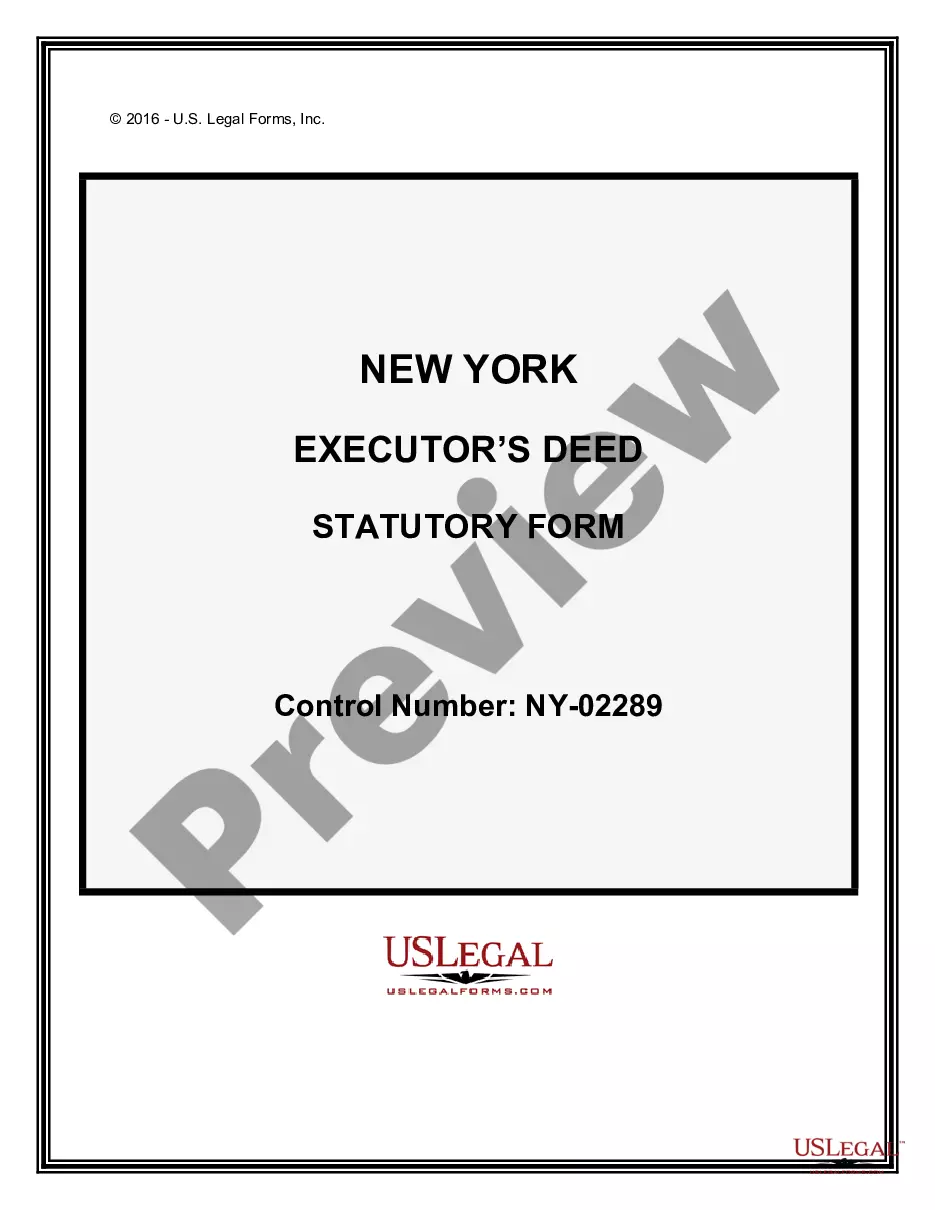
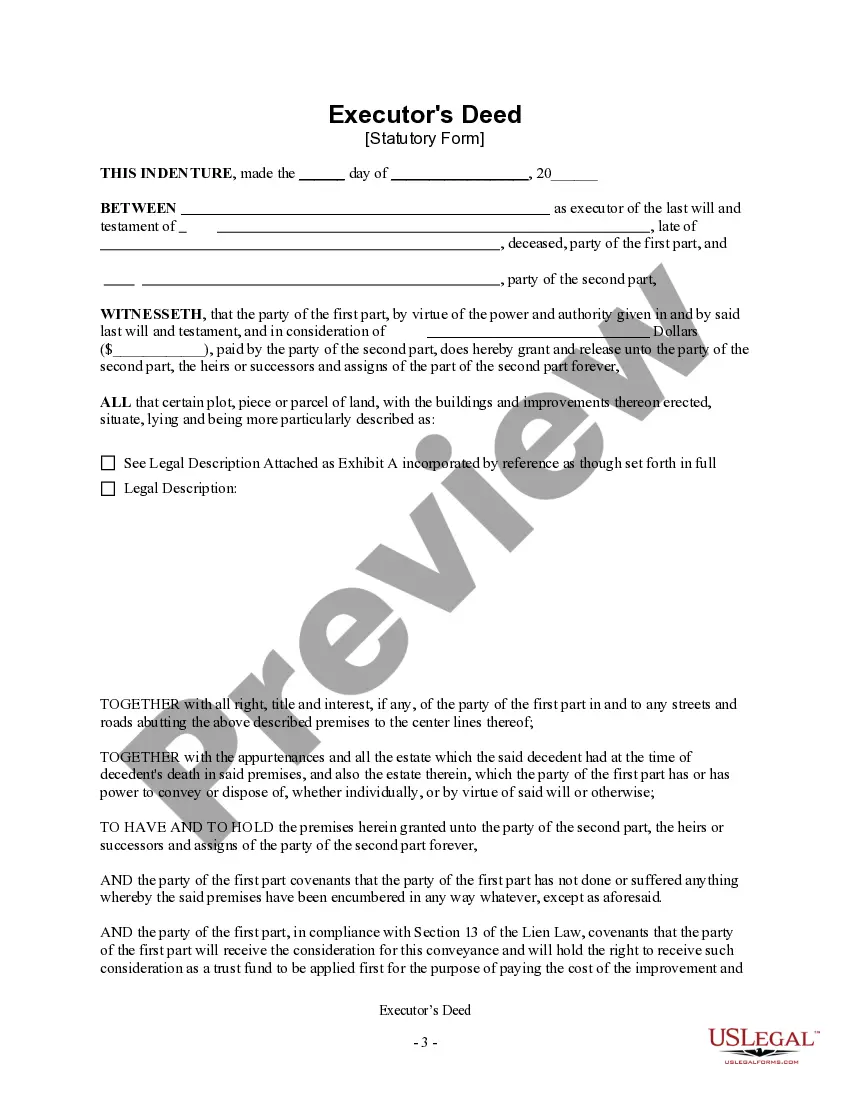
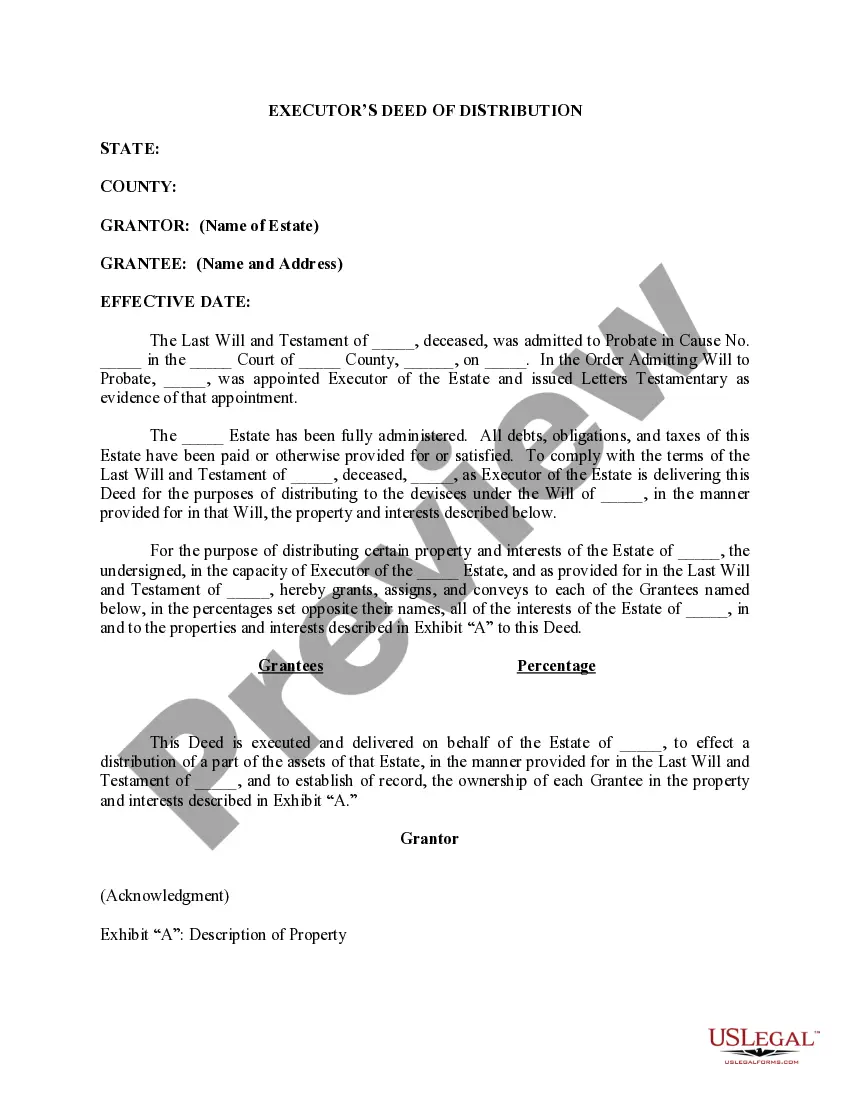
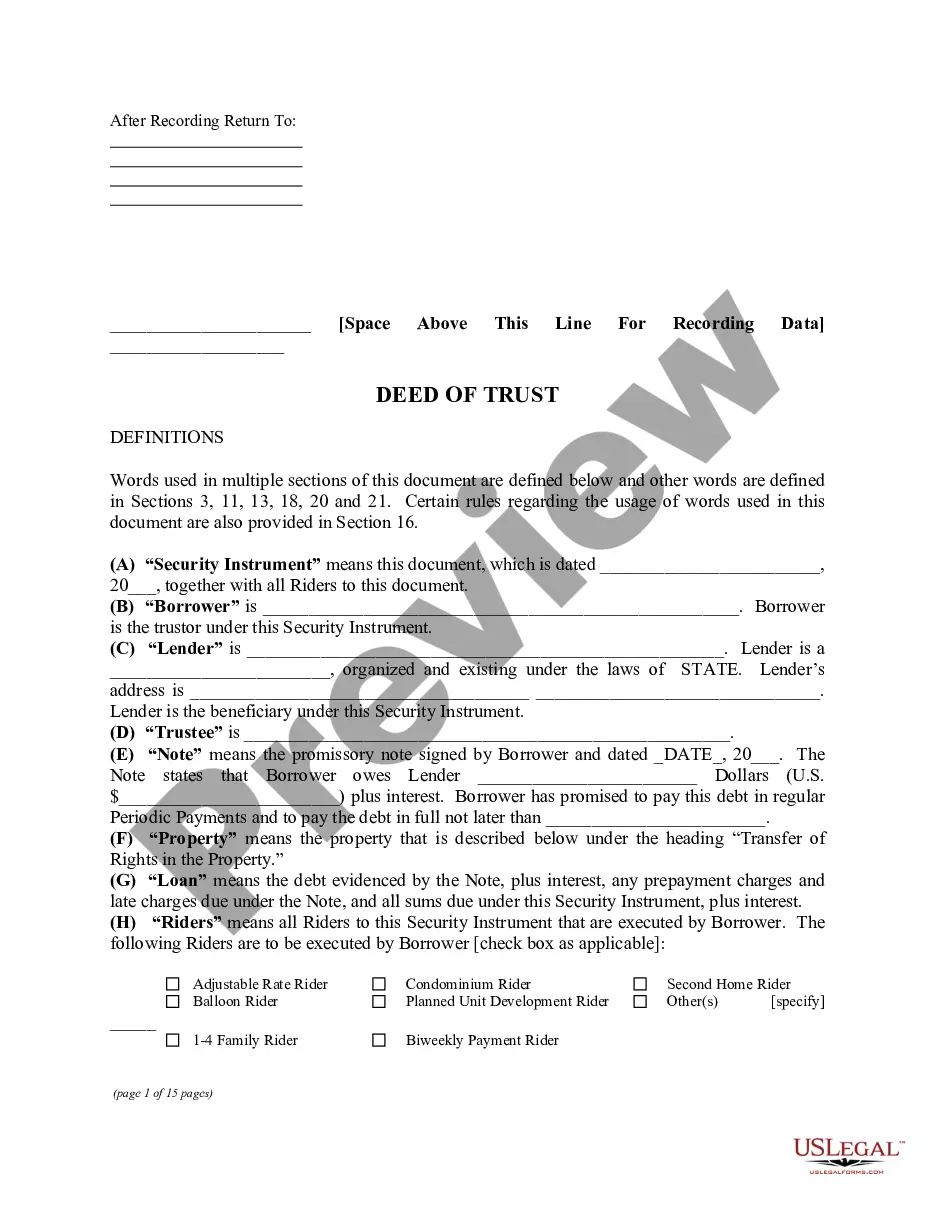
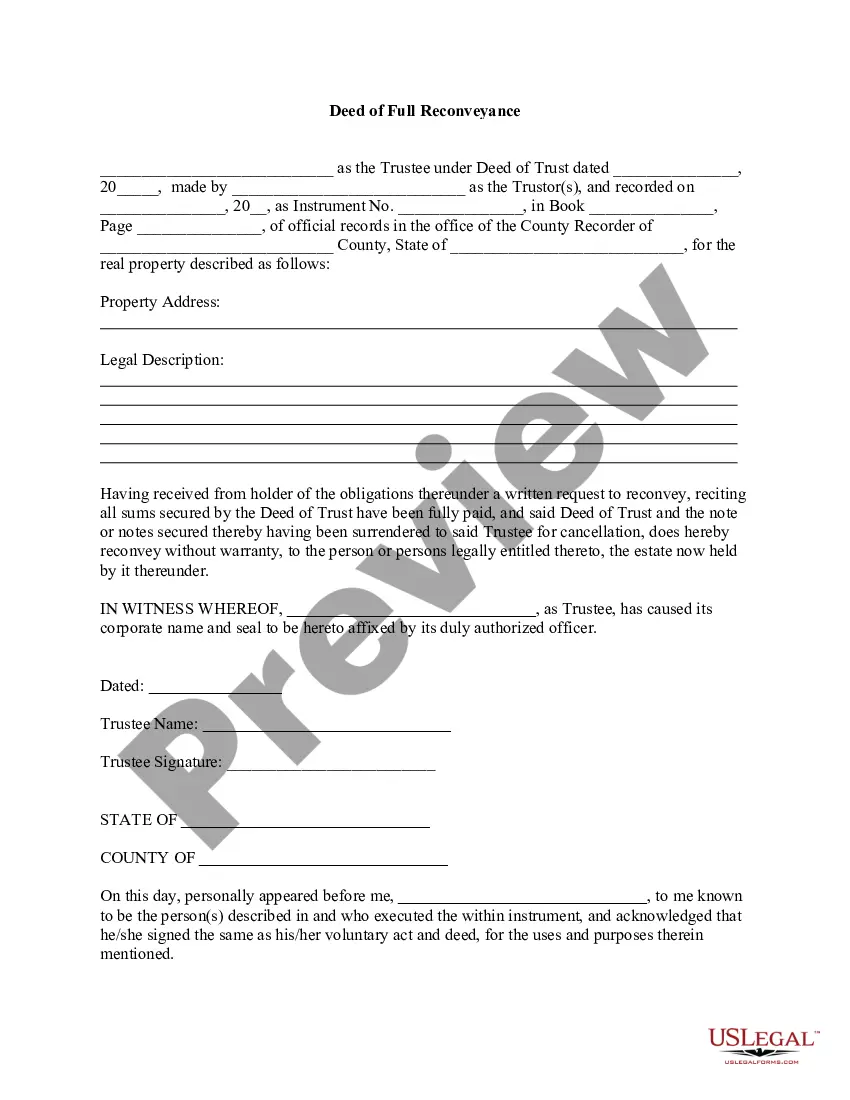
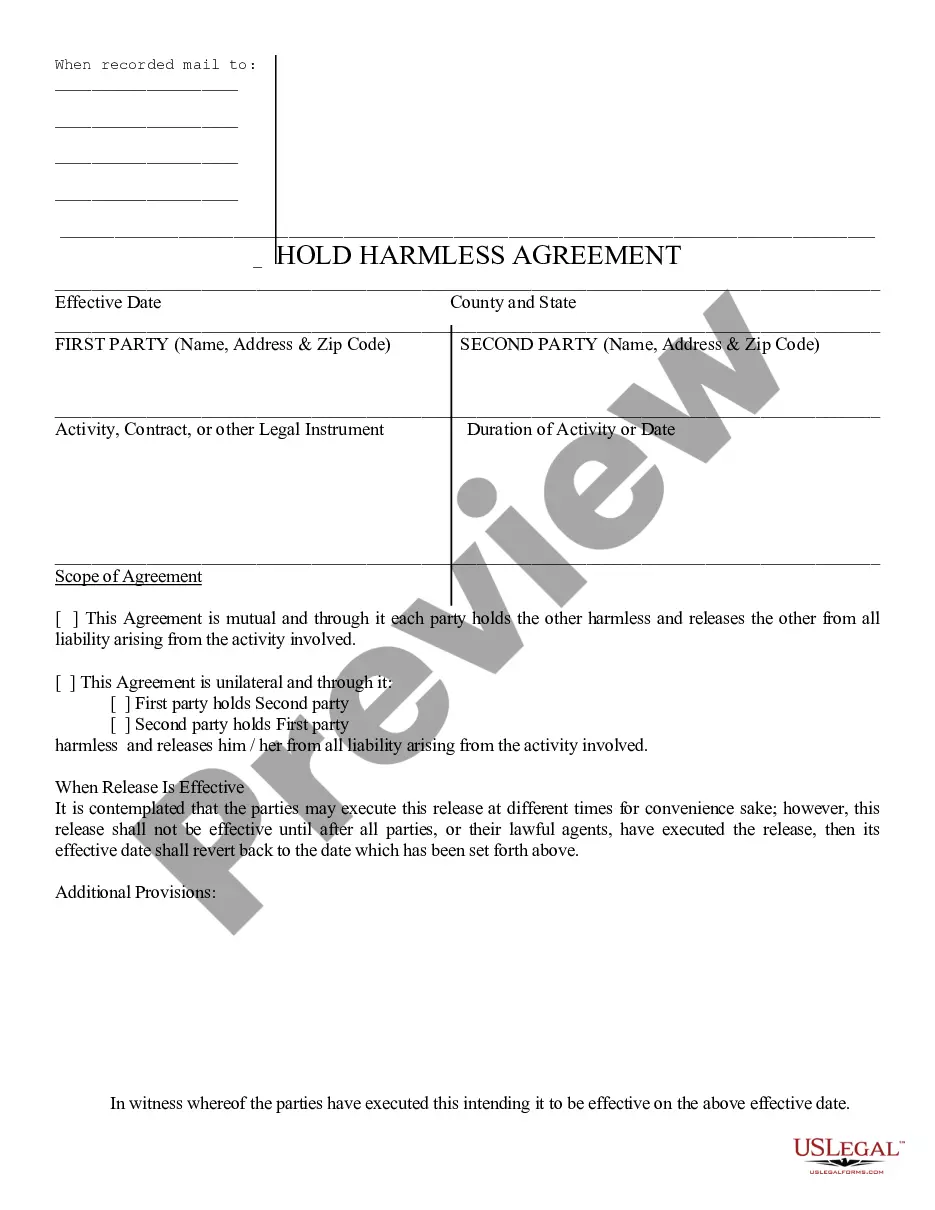
Kings New York Executor's Deed
Description


Get your form ready online
Our built-in tools help you complete, sign, share, and store your documents in one place.
Make edits, fill in missing information, and update formatting in US Legal Forms—just like you would in MS Word.
Download a copy, print it, send it by email, or mail it via USPS—whatever works best for your next step.
Sign and collect signatures with our SignNow integration. Send to multiple recipients, set reminders, and more. Go Premium to unlock E-Sign.
If this form requires notarization, complete it online through a secure video call—no need to meet a notary in person or wait for an appointment.
We protect your documents and personal data by following strict security and privacy standards.

Make edits, fill in missing information, and update formatting in US Legal Forms—just like you would in MS Word.

Download a copy, print it, send it by email, or mail it via USPS—whatever works best for your next step.

Sign and collect signatures with our SignNow integration. Send to multiple recipients, set reminders, and more. Go Premium to unlock E-Sign.

If this form requires notarization, complete it online through a secure video call—no need to meet a notary in person or wait for an appointment.

We protect your documents and personal data by following strict security and privacy standards.
Looking for another form?
How to fill out New York Executor's Deed?
Regardless of social or professional standing, completing legal documents is a regrettable requirement in today’s business climate.
Frequently, it’s nearly unfeasible for an individual without a legal background to draft this type of documentation independently, primarily because of the intricate terminology and legal subtleties involved.
This is where US Legal Forms proves to be beneficial.
Verify that the template you have discovered is appropriate for your area, as the regulations of one state or region may not apply to another state or region.
Review the document and read a brief description (if available) of the situations for which the paper can be utilized.
- Our service provides an extensive assortment of over 85,000 ready-to-use state-specific documents suitable for nearly any legal matter.
- US Legal Forms also acts as an excellent tool for colleagues or legal advisors seeking to enhance their efficiency with our DIY forms.
- No matter if you require the Kings New York Executor's Deed or any other documentation that will be recognized in your state or region, with US Legal Forms, everything is easily accessible.
- Here’s how to acquire the Kings New York Executor's Deed in moments using our reliable service.
- If you are already a subscriber, feel free to Log In to your account to obtain the required form.
- However, if you are new to our library, please follow these steps before downloading the Kings New York Executor's Deed.
Form popularity
FAQ
There is nothing legally stopping someone from creating a will and then adding a name onto the deed of their property, or putting a house on a will in one person's name but subsequently listing someone else as beneficiary for the house.
The public is able to access documents, such as deeds, birth and death certificates, military discharge records, and others through the register of deeds. There may be a fee to access or copy public records through the register of deeds.
In order to do this, you'll need to be able to prove to the relevant authorities that you have control over the estate. Usually, this is managed by showing them a copy of the Grant of Probate if a Will is in place, or Letters of Administration, if the estate has been passed into intestacy.
If you want to obtain a copy of the deed to your home, contact your local county recorder. In Ohio, county recorders are responsible for maintaining land records and making them accessible to the public. The Ohio Revised Code establishes fees recorders may charge for various services.
However, Transfer on Death deeds are not permissible in New York. Instead you must deed your property directly to the beneficiary, or to a trust to be held for your beneficiary, during your lifetime.
Executor deed. This deed is used to transfer property from the estate of a deceased person to the beneficiary named in the will who inherits it.
The Tennessee State Library and Archives has microfilmed copies of older deeds for every county in Tennessee. The deeds records are arranged by the name of the seller/buyer (grantor/grantee).
An executor must be impartial. Neither he/she, nor his/her family, friends, may benefit unfairly (for example from the sale of an asset). He/She must carry out the instructions in the will, as well as reasonable instructions of the heirs. Quarrels with heirs should not interfere with his or her duties.
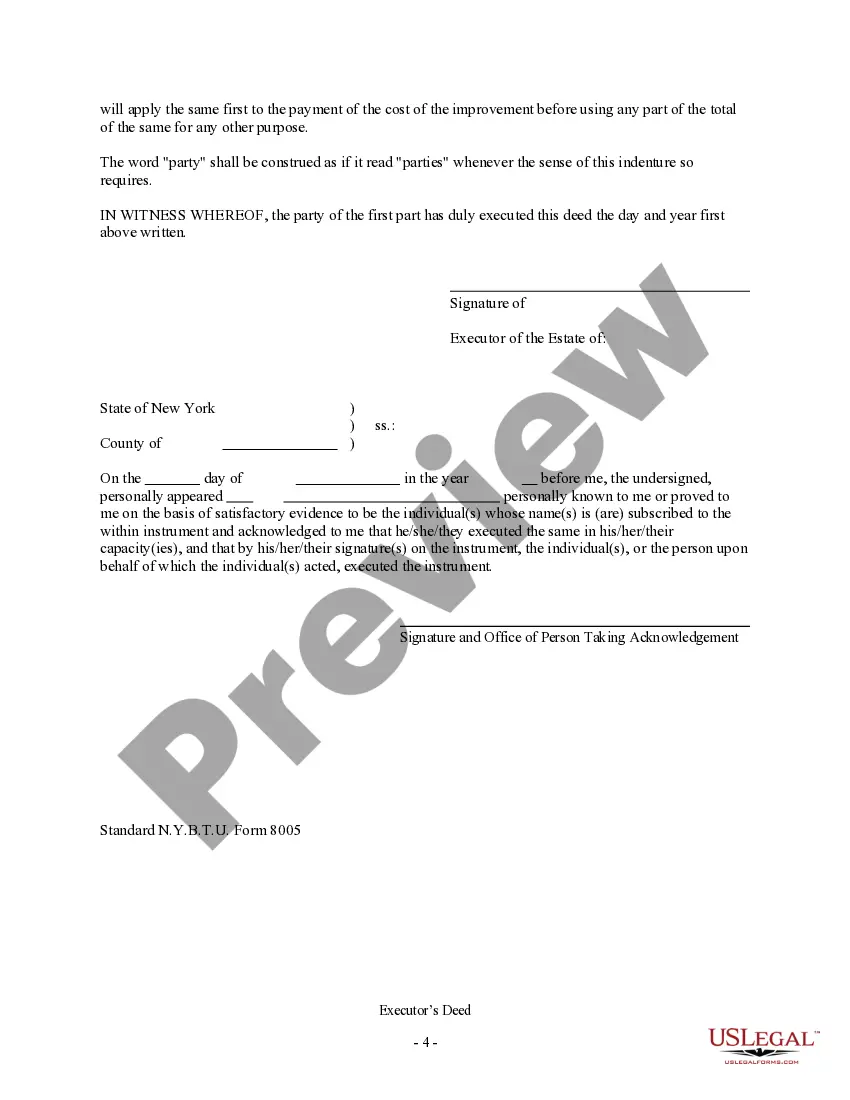
For an individual to execute a Deed validly, they must sign the Deed in the presence of a witness, who must 'attest' the signature. The individual's name must be clearly stated.. The witness' details must be clearly recorded and this must include their signature, name and address.