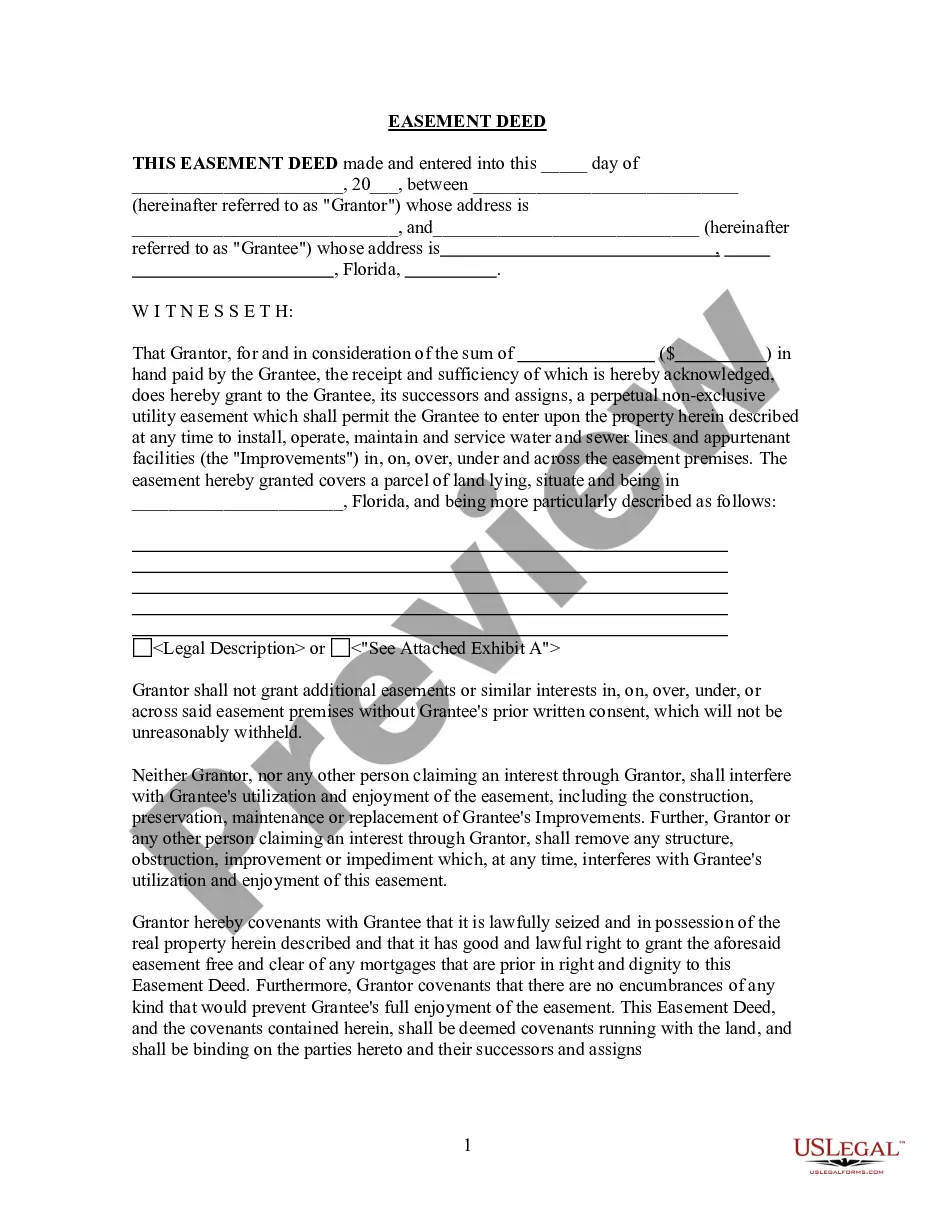
Kansas City Missouri Utility Easement
Description
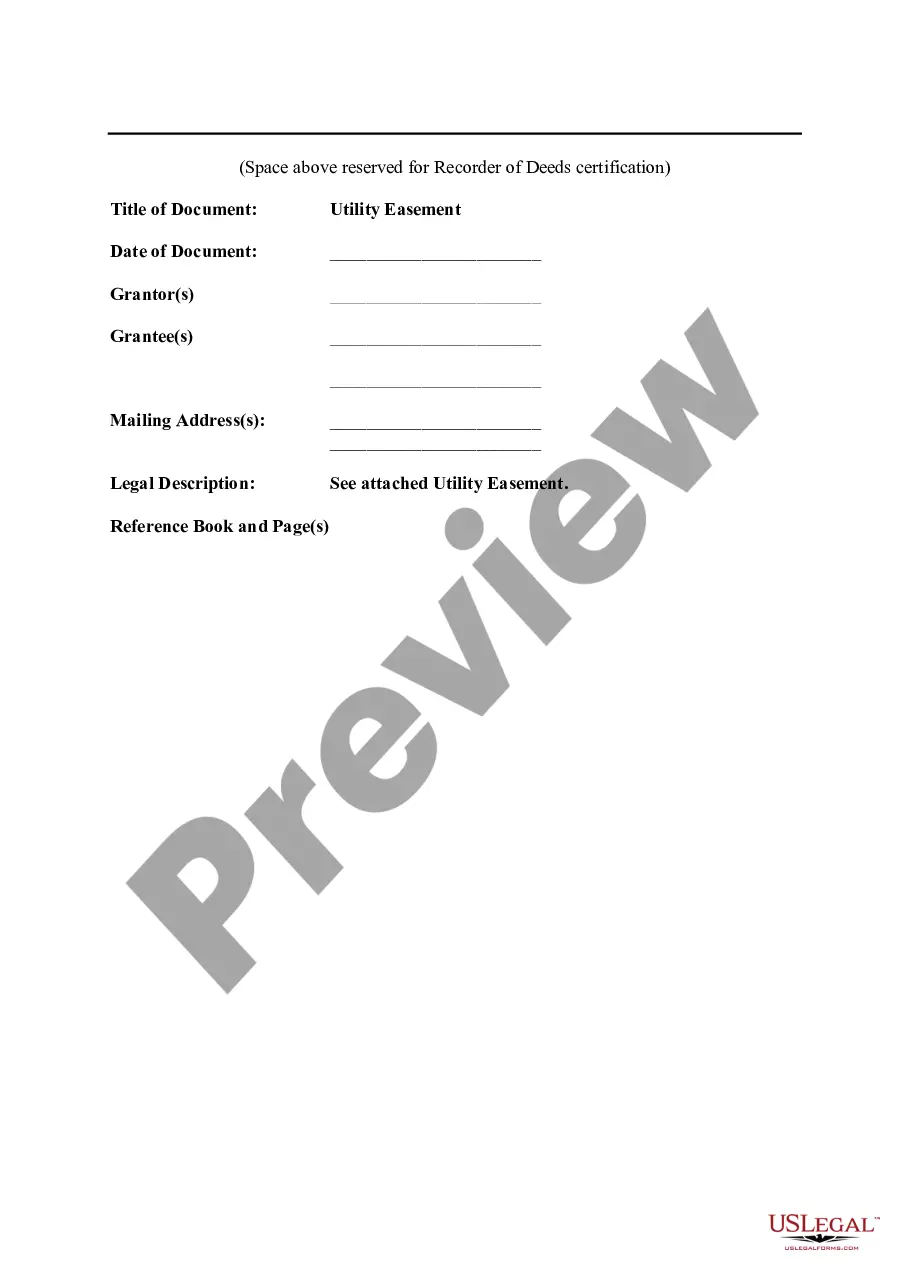
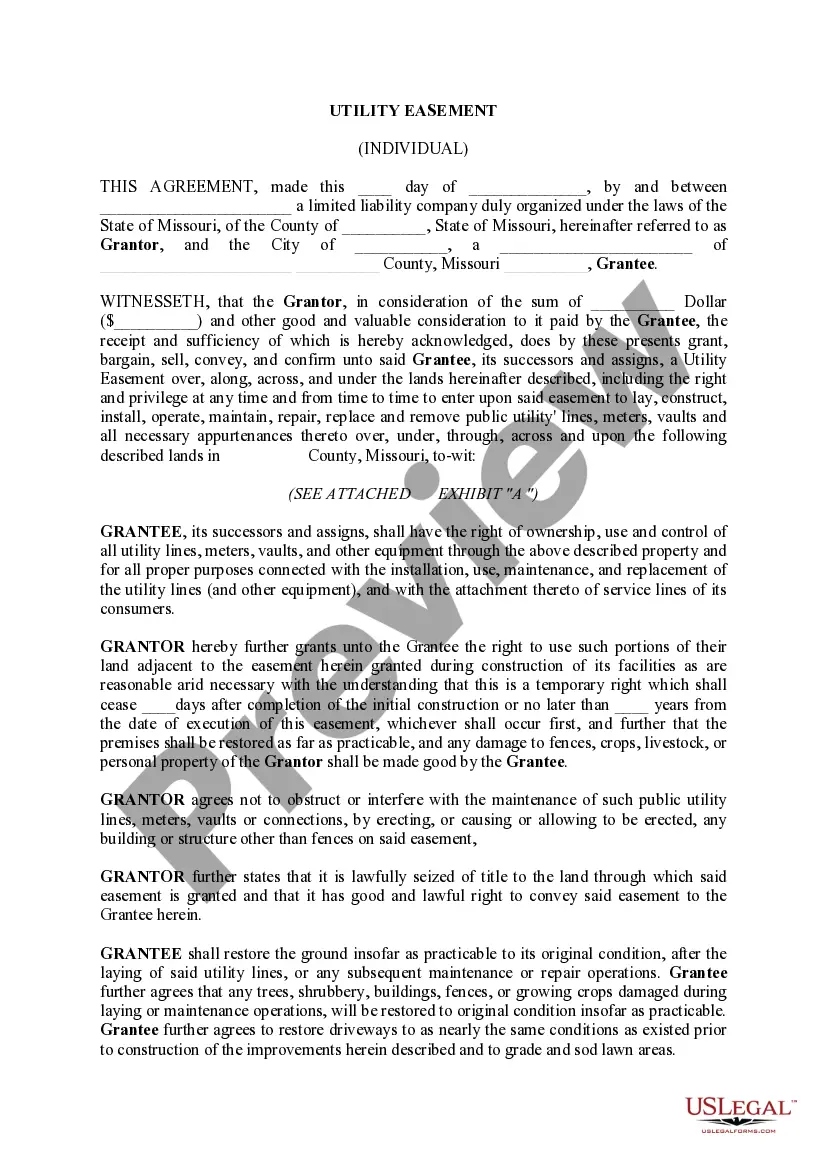
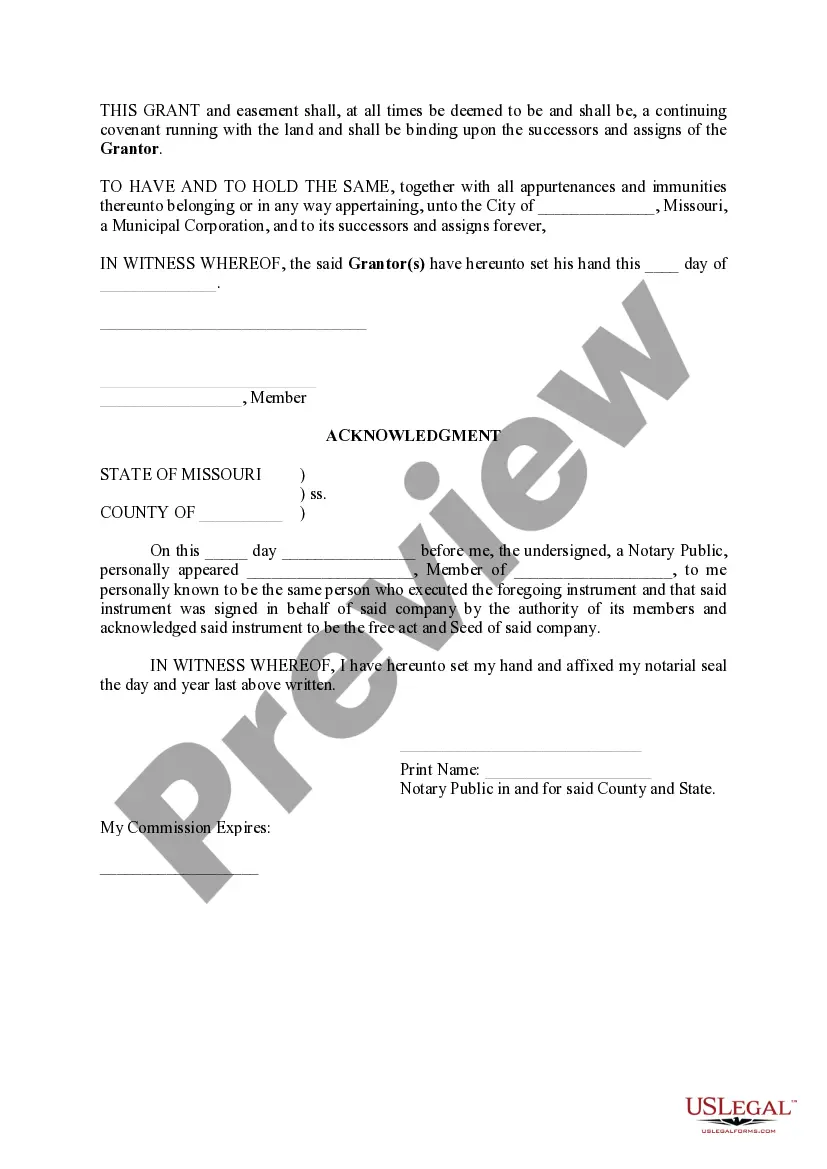
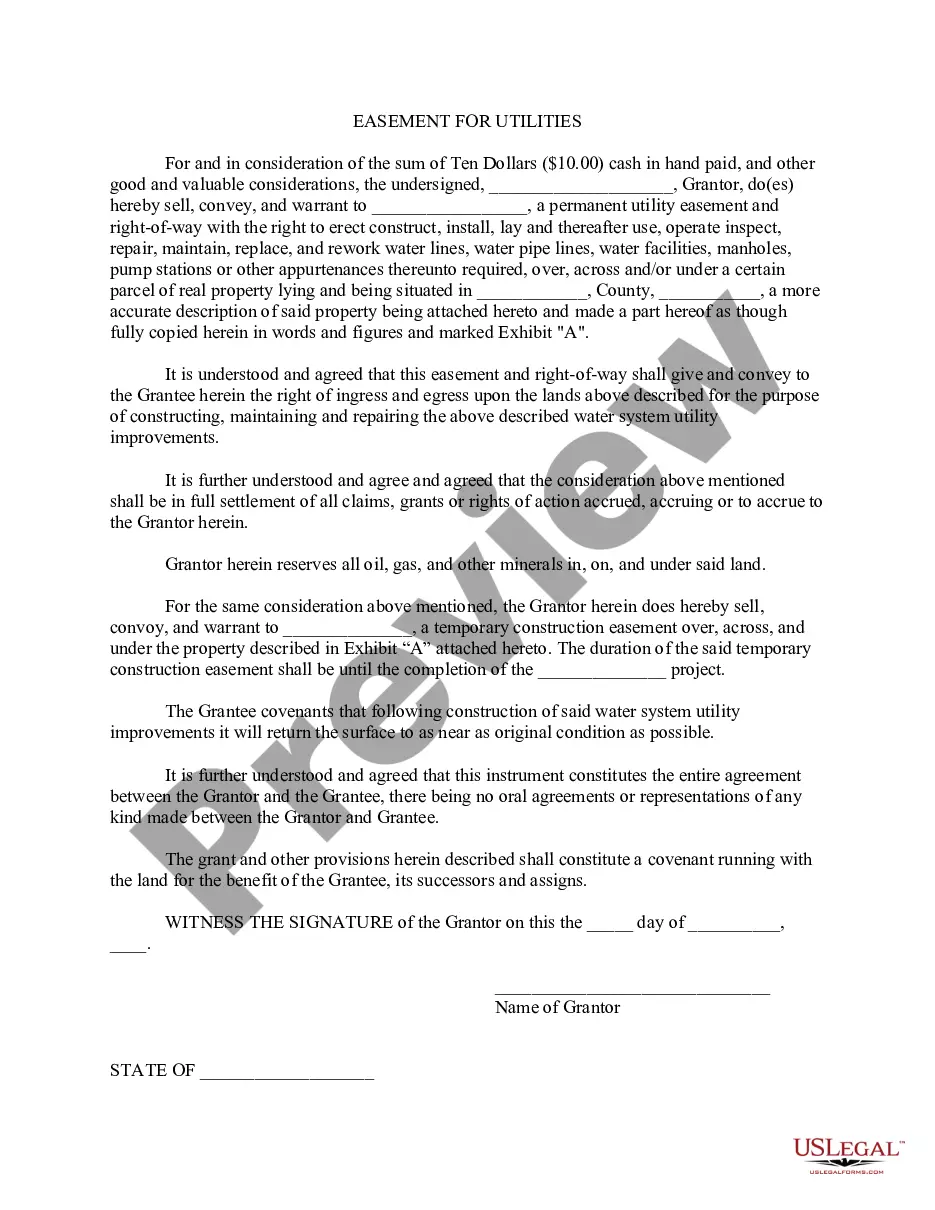
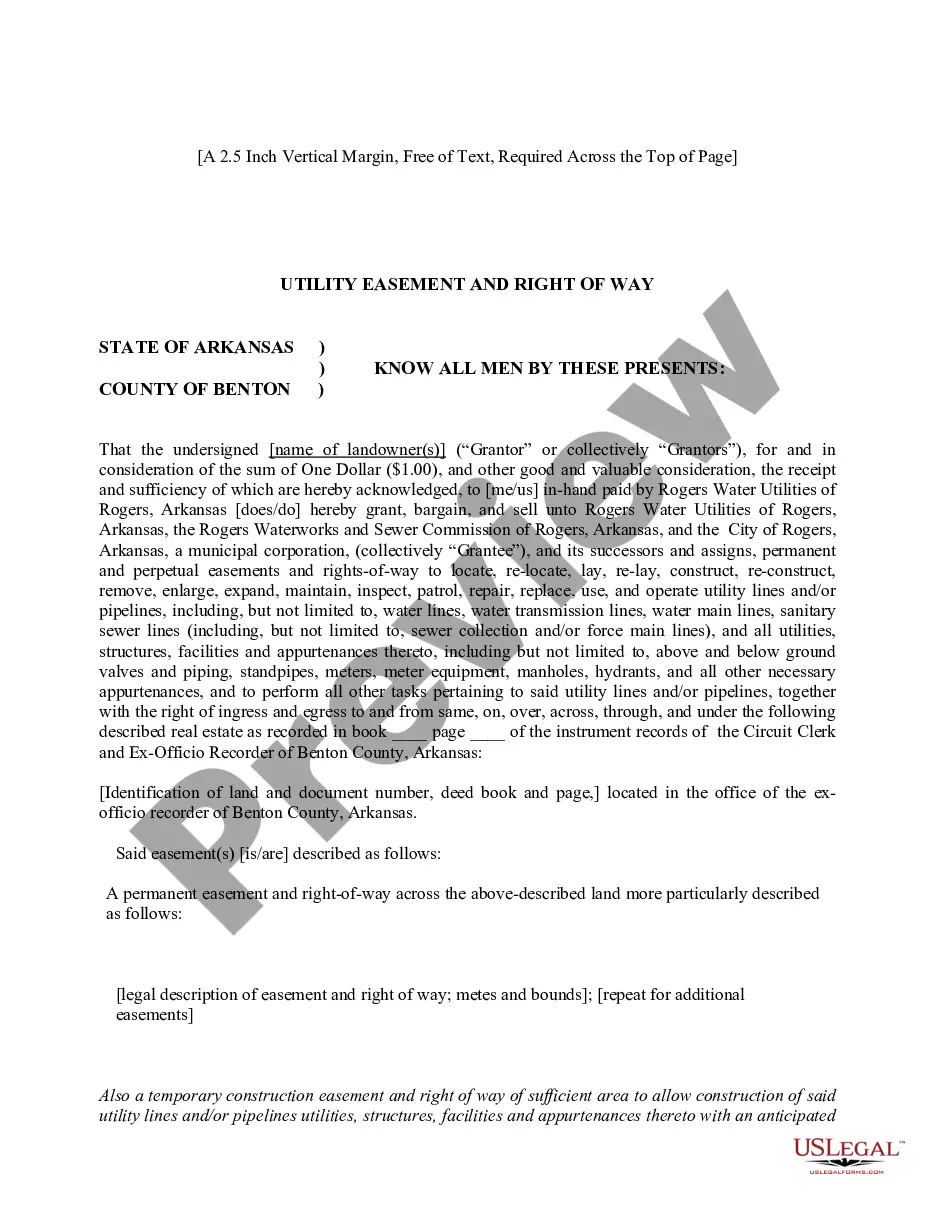
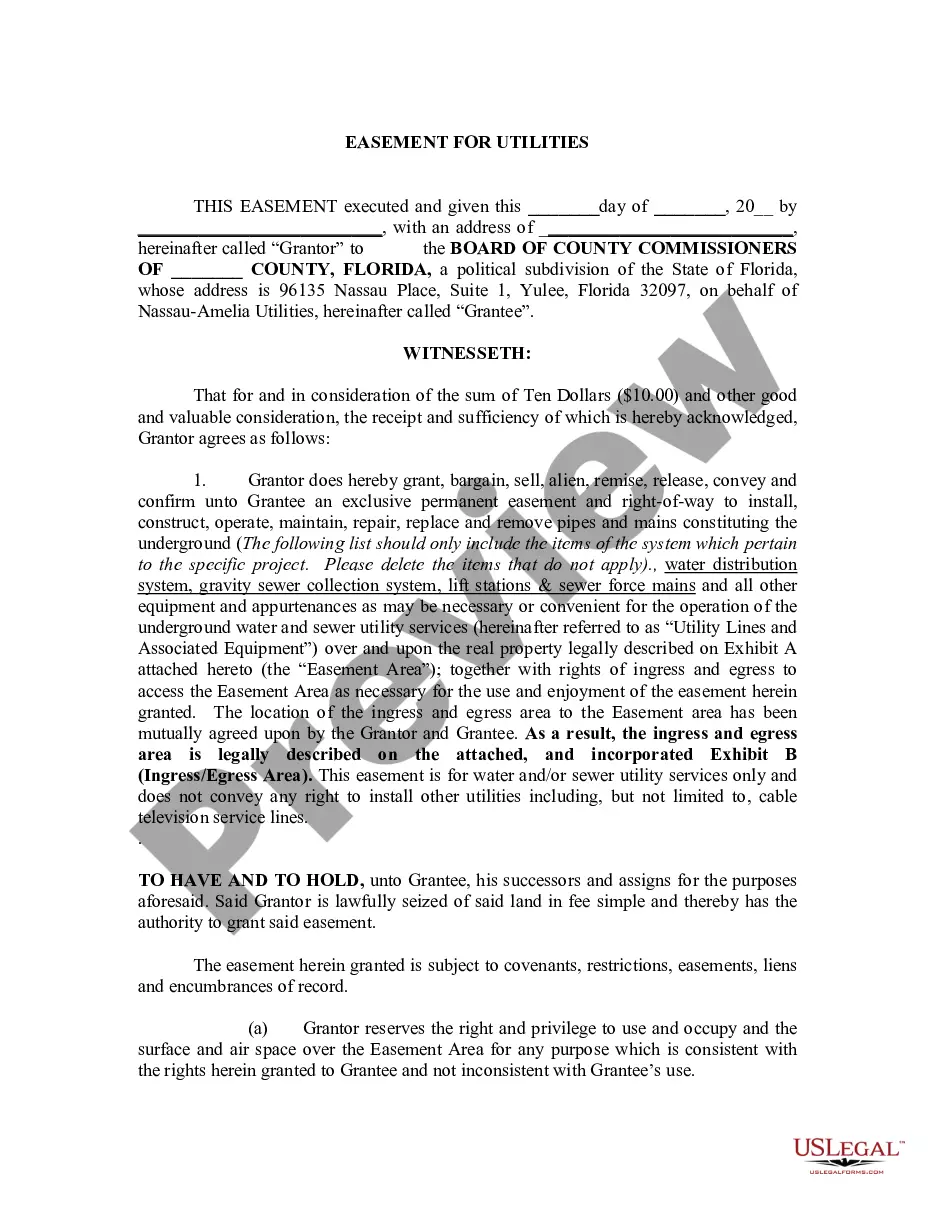
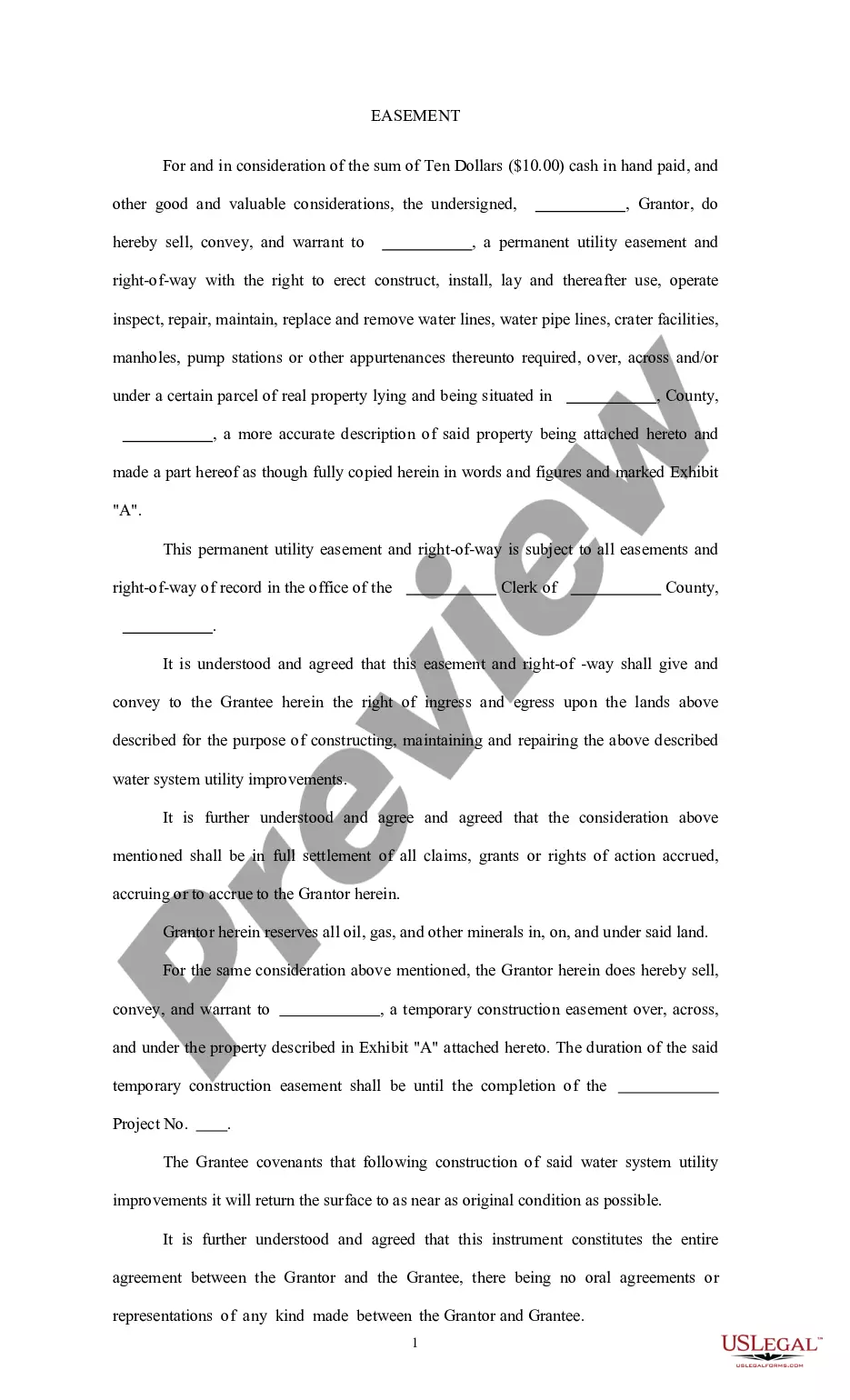
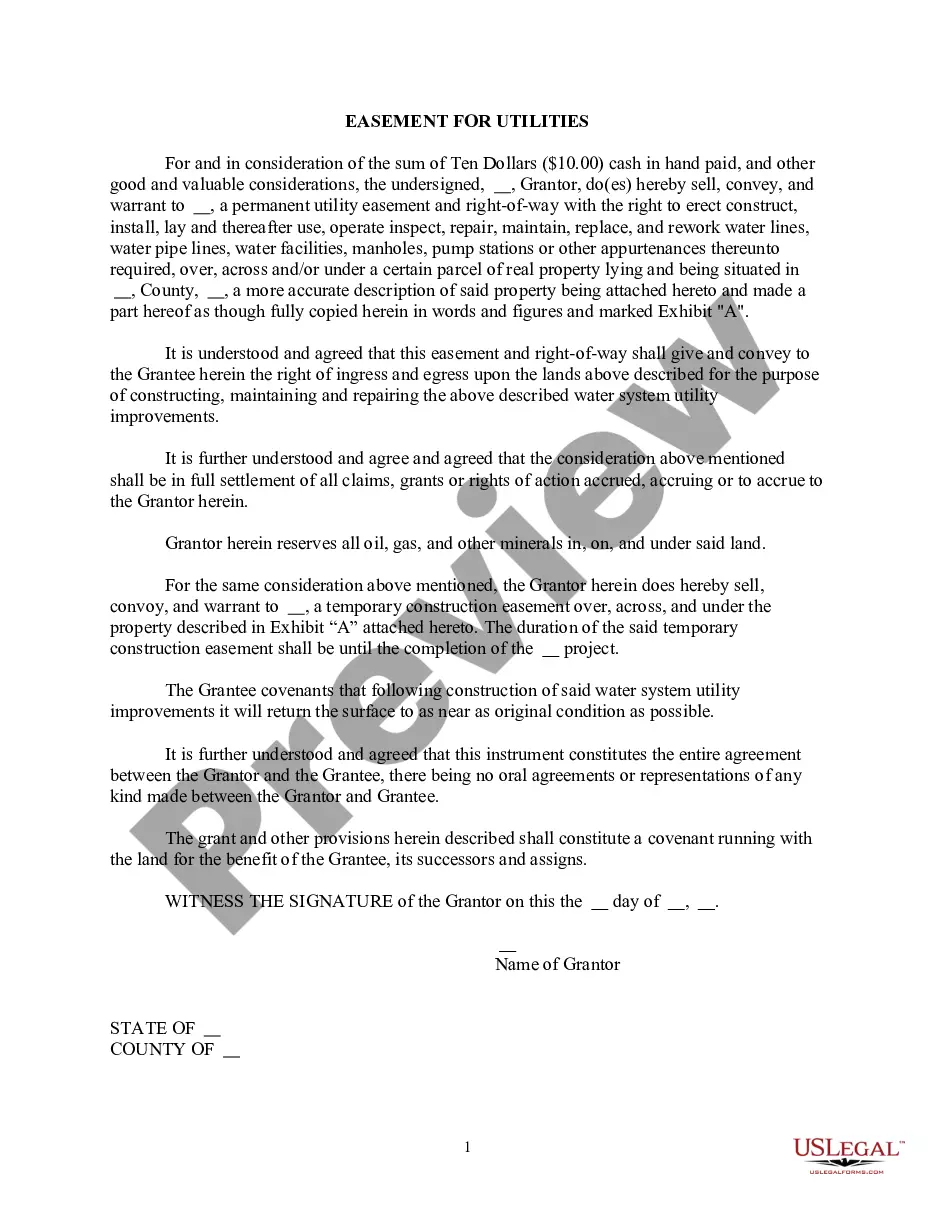
Get your form ready online
Our built-in tools help you complete, sign, share, and store your documents in one place.
Make edits, fill in missing information, and update formatting in US Legal Forms—just like you would in MS Word.
Download a copy, print it, send it by email, or mail it via USPS—whatever works best for your next step.
Sign and collect signatures with our SignNow integration. Send to multiple recipients, set reminders, and more. Go Premium to unlock E-Sign.
If this form requires notarization, complete it online through a secure video call—no need to meet a notary in person or wait for an appointment.
We protect your documents and personal data by following strict security and privacy standards.

Make edits, fill in missing information, and update formatting in US Legal Forms—just like you would in MS Word.

Download a copy, print it, send it by email, or mail it via USPS—whatever works best for your next step.

Sign and collect signatures with our SignNow integration. Send to multiple recipients, set reminders, and more. Go Premium to unlock E-Sign.

If this form requires notarization, complete it online through a secure video call—no need to meet a notary in person or wait for an appointment.

We protect your documents and personal data by following strict security and privacy standards.
Looking for another form?
How to fill out Missouri Utility Easement?
Regardless of social or occupational standing, finishing legal documentation is an unfortunate requirement in the contemporary world.
Often, it’s nearly impossible for individuals lacking legal expertise to craft these types of documents from scratch, largely due to the intricate terminology and legal subtleties they encompass.
This is where US Legal Forms proves beneficial.
Ensure that the template you have selected is appropriate for your location, as the regulations of one state or area do not apply to another.
Preview the document and review a brief synopsis (if available) of situations the form may be utilized for.
- Our service provides an extensive library with over 85,000 ready-to-use state-specific forms applicable to nearly any legal situation.
- US Legal Forms is also a valuable resource for associates or legal advisors who wish to save time utilizing our DYI forms.
- Whether you're looking for the Kansas City Missouri Utility Easement or any other document relevant to your state or locality, with US Legal Forms, everything is readily accessible.
- Here’s how you can swiftly obtain the Kansas City Missouri Utility Easement using our dependable service.
- If you are currently a subscriber, you can Log In to your account to download the necessary form.
- However, if you are new to our platform, make sure to follow these steps before downloading the Kansas City Missouri Utility Easement.
Form popularity
FAQ
Yes, you can build on a property easement, even a utility easement. Yet if you value peace of mind over everything else, not building on that easement is the best way to go. The dominant estate owning the easement may need to access the easement.
Prescriptive Easements Right must have been independently enjoyed without any agreement with the servient owner, Must be enjoyed openly, peacefully and as of a right without any interruption for a continuous period of 20 years and in respect of any government land the period of non-interruption shall be 30 years.
Utility easements shall be at least ten (10) feet wide, five (5) feet on each side of the lot line and shall be located along the rear or front lines as needed for proper utility placement.
An easement grants the owner of the dominant estate the right to use the land for a particular purpose, and such use may be on, under or above the land. Generally, the duty to maintain an easement rests with the owner of the dominant estate.
The short answer is ? the owner of the easement is responsible for maintaining the easement.
Driveways: The minimum width of an easement for driveway purposes is 30 feet. Pedestrian Facilities: A minimum of a 10 foot easement is required, but may need more depending on location and use. Private Roads: A 30-foot width will work for a private roadway with up to 6 users.
Utility Easements The most common type of easement, a utility easement allows a utility company to run its pipes, lines, etc., under or on other people's property in order to serve its customers. As opposed to buying all the land necessary, utility companies negotiate easement agreements with landowners.