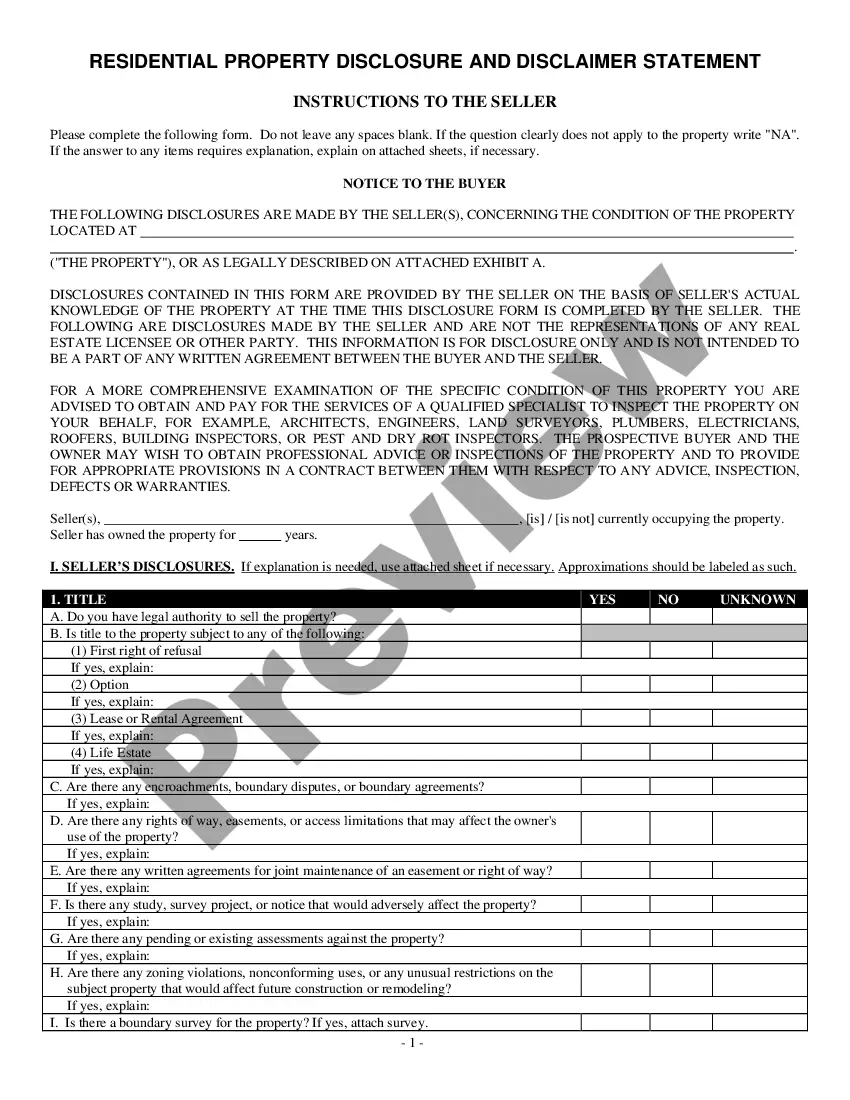
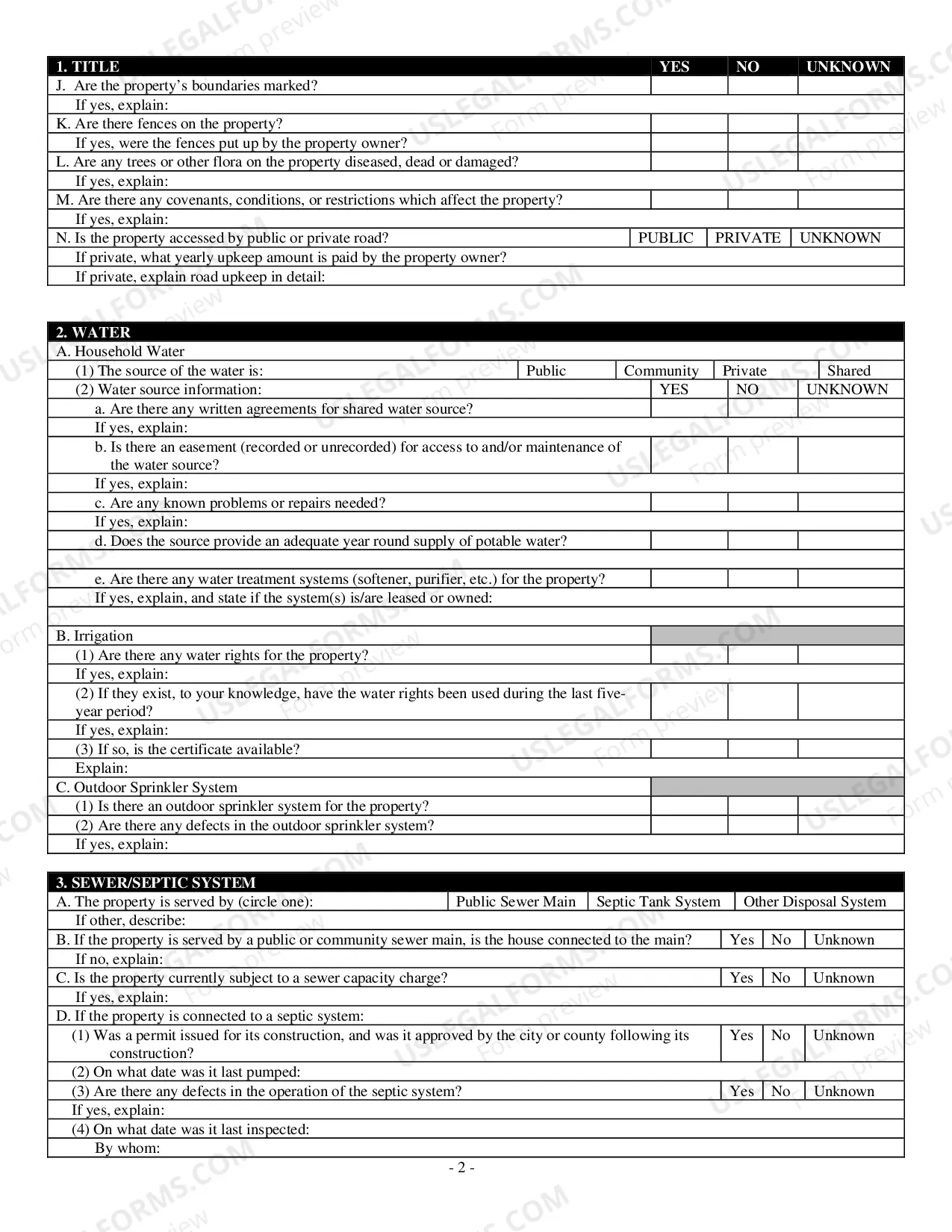
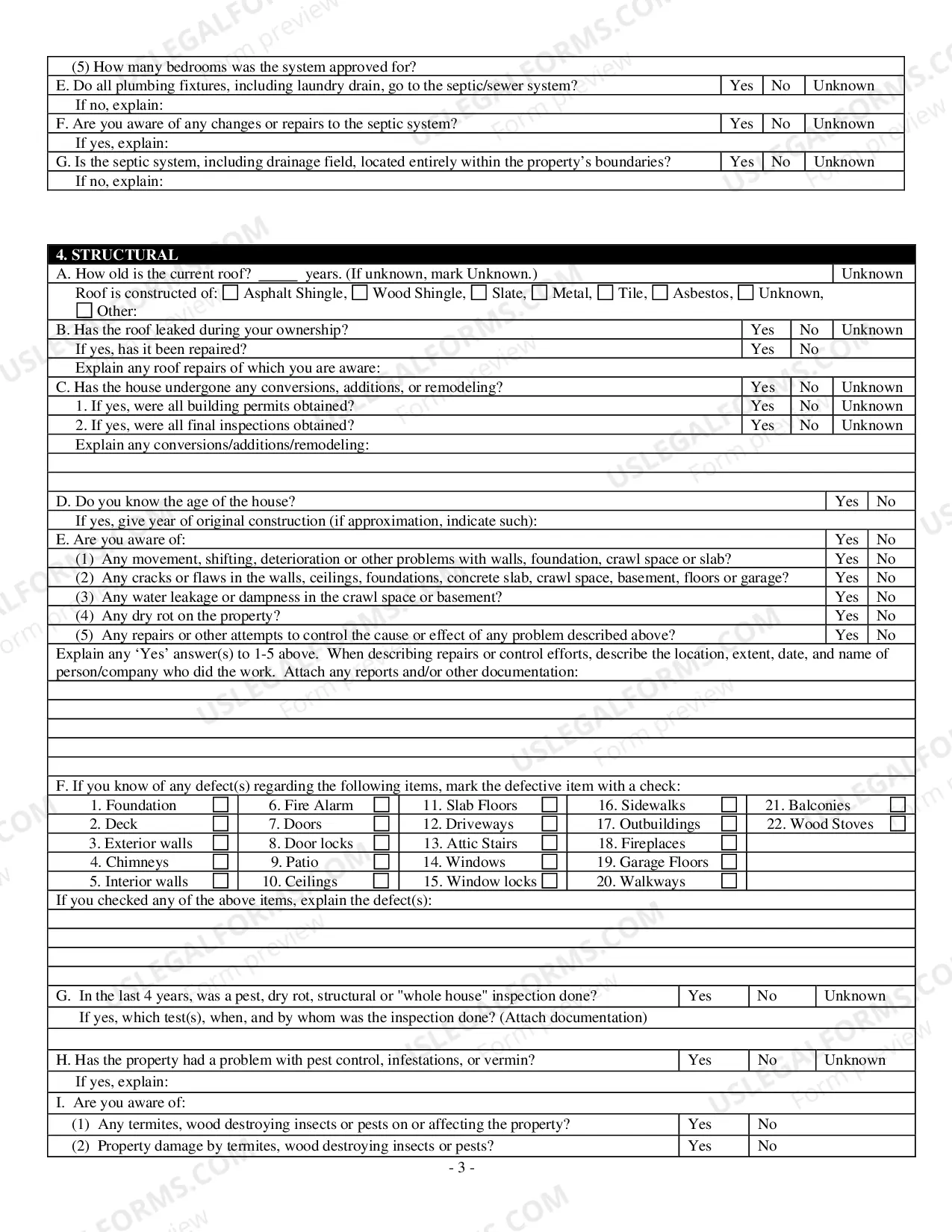
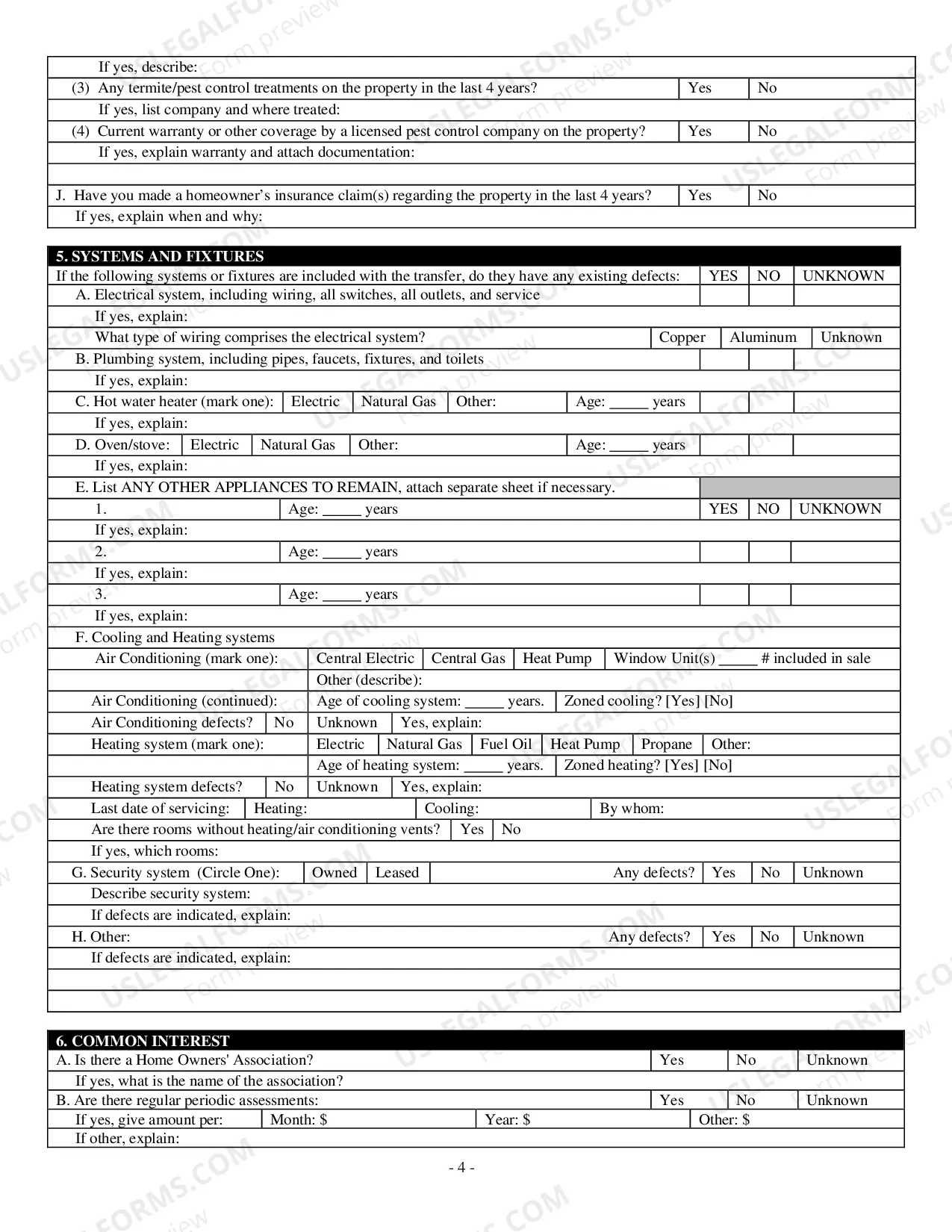
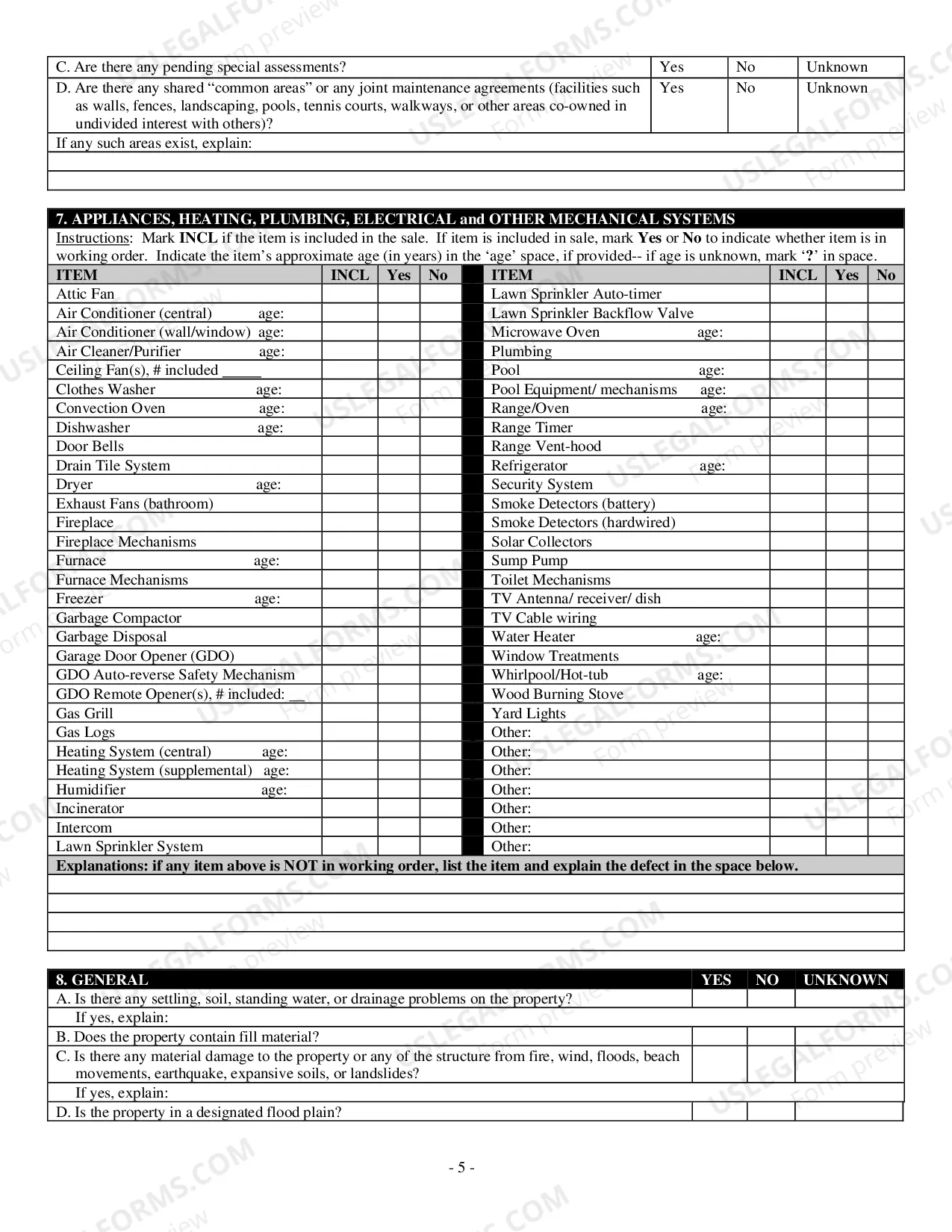
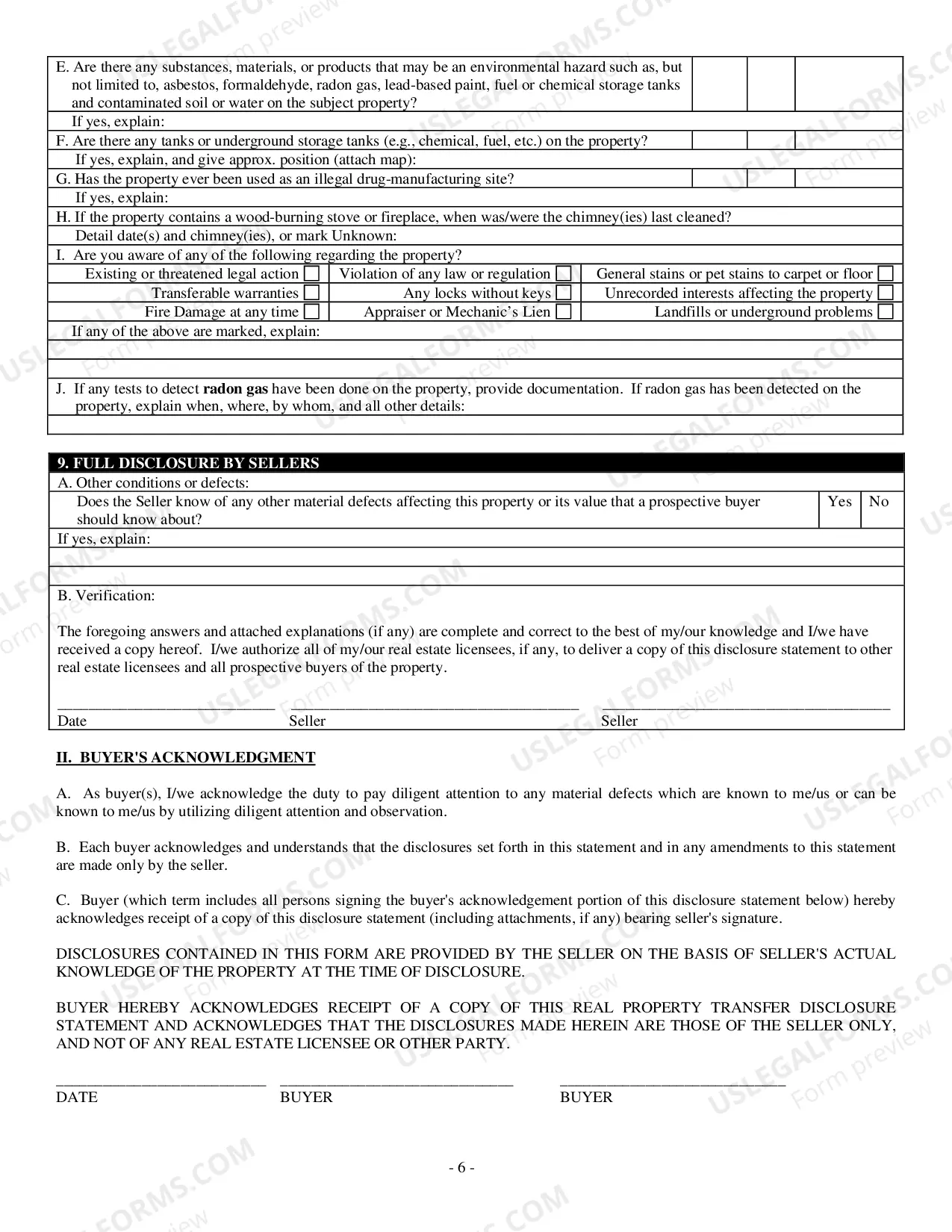
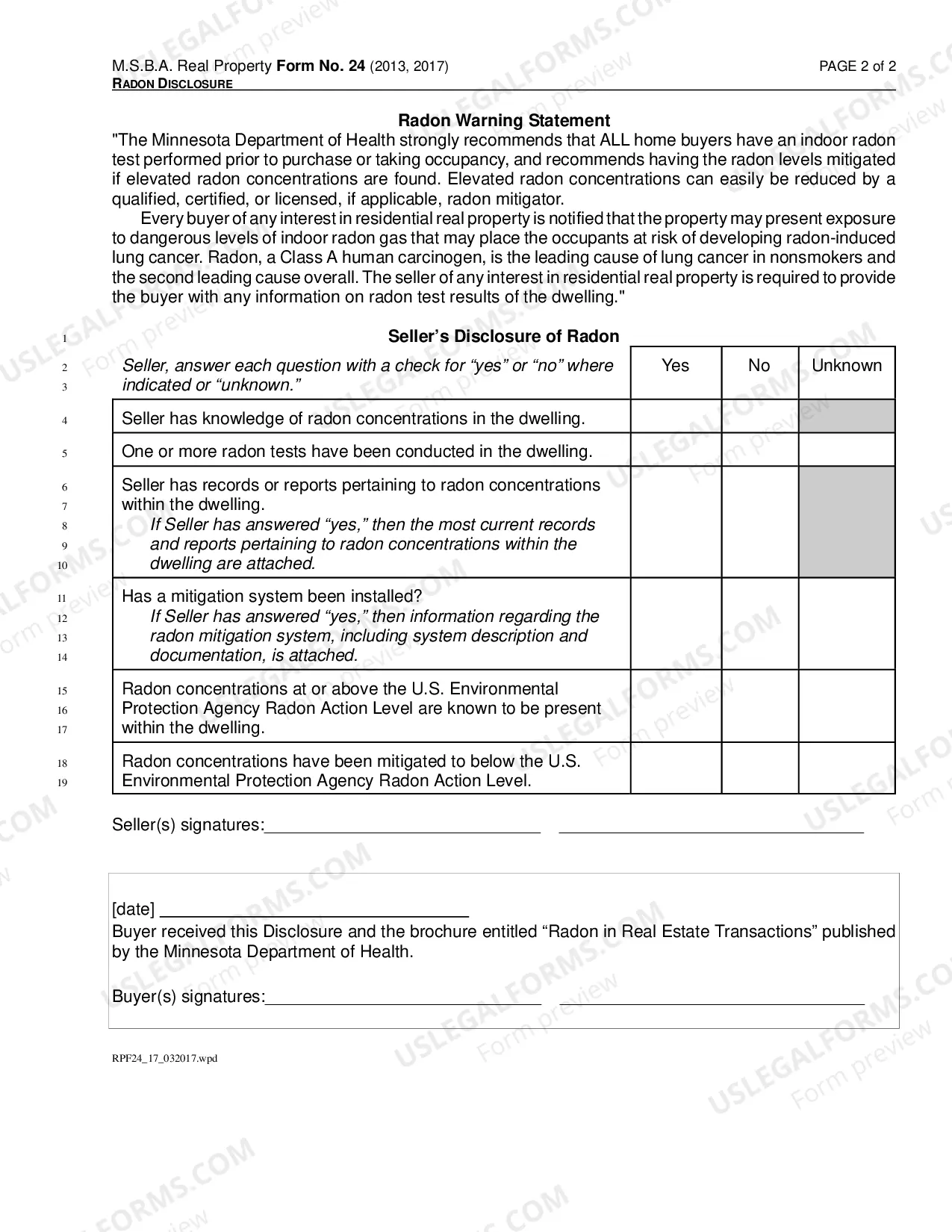
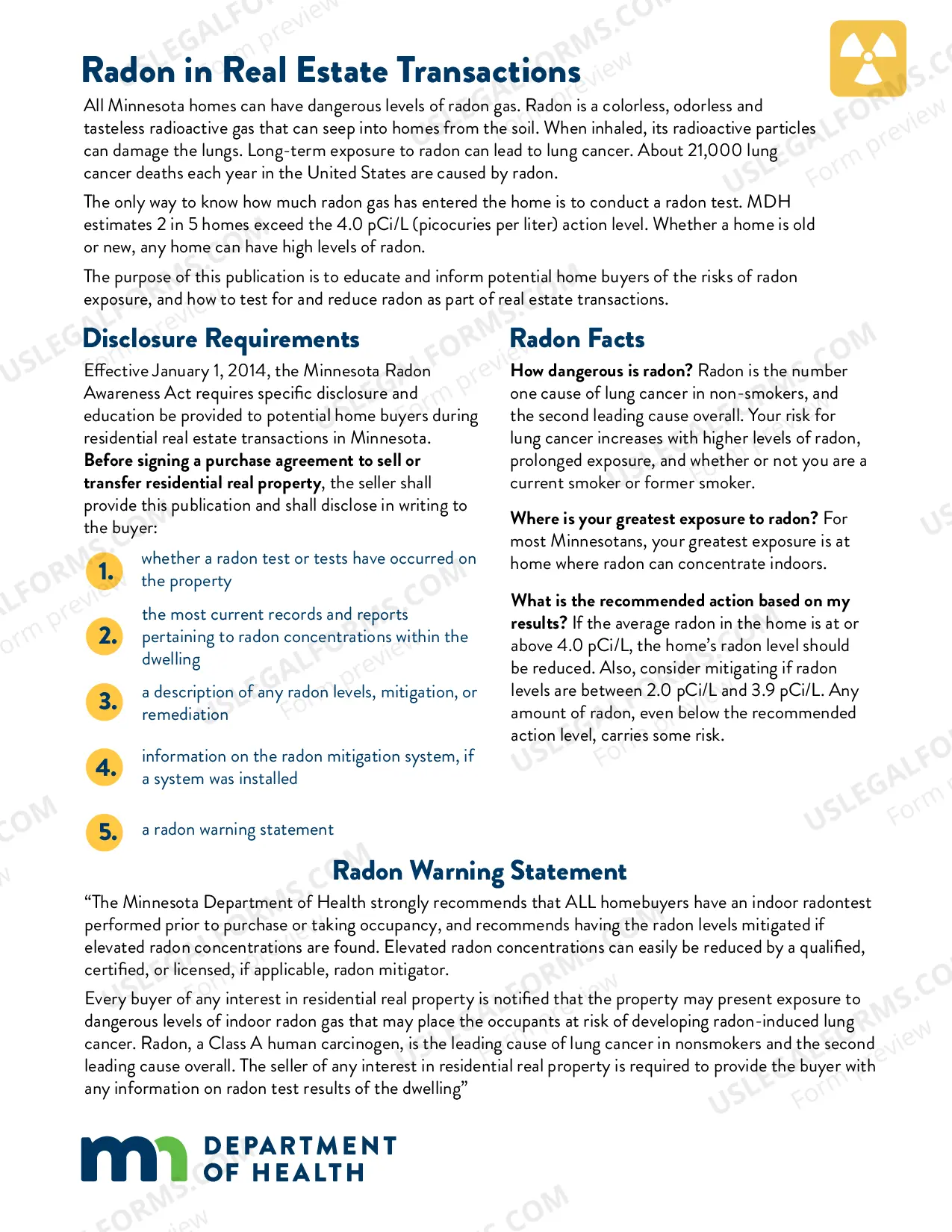
Saint Paul Minnesota Residential Real Estate Sales Disclosure Statement
Description

Get your form ready online
Our built-in tools help you complete, sign, share, and store your documents in one place.
Make edits, fill in missing information, and update formatting in US Legal Forms—just like you would in MS Word.
Download a copy, print it, send it by email, or mail it via USPS—whatever works best for your next step.
Sign and collect signatures with our SignNow integration. Send to multiple recipients, set reminders, and more. Go Premium to unlock E-Sign.
If this form requires notarization, complete it online through a secure video call—no need to meet a notary in person or wait for an appointment.
We protect your documents and personal data by following strict security and privacy standards.

Make edits, fill in missing information, and update formatting in US Legal Forms—just like you would in MS Word.

Download a copy, print it, send it by email, or mail it via USPS—whatever works best for your next step.

Sign and collect signatures with our SignNow integration. Send to multiple recipients, set reminders, and more. Go Premium to unlock E-Sign.

If this form requires notarization, complete it online through a secure video call—no need to meet a notary in person or wait for an appointment.

We protect your documents and personal data by following strict security and privacy standards.
Looking for another form?
How to fill out Minnesota Residential Real Estate Sales Disclosure Statement?
Getting verified templates specific to your local laws can be challenging unless you use the US Legal Forms library. It’s an online pool of more than 85,000 legal forms for both individual and professional needs and any real-life situations. All the documents are properly grouped by area of usage and jurisdiction areas, so searching for the Saint Paul Minnesota Residential Real Estate Sales Disclosure Statement gets as quick and easy as ABC.
For everyone already familiar with our service and has used it before, getting the Saint Paul Minnesota Residential Real Estate Sales Disclosure Statement takes just a few clicks. All you need to do is log in to your account, select the document, and click Download to save it on your device. The process will take just a few additional steps to make for new users.
Follow the guidelines below to get started with the most extensive online form catalogue:
- Look at the Preview mode and form description. Make certain you’ve chosen the right one that meets your requirements and totally corresponds to your local jurisdiction requirements.
- Look for another template, if needed. Once you see any inconsistency, utilize the Search tab above to get the right one. If it suits you, move to the next step.
- Purchase the document. Click on the Buy Now button and choose the subscription plan you prefer. You should create an account to get access to the library’s resources.
- Make your purchase. Provide your credit card details or use your PayPal account to pay for the service.
- Download the Saint Paul Minnesota Residential Real Estate Sales Disclosure Statement. Save the template on your device to proceed with its completion and get access to it in the My Forms menu of your profile whenever you need it again.
Keeping paperwork neat and compliant with the law requirements has major importance. Benefit from the US Legal Forms library to always have essential document templates for any demands just at your hand!
Form popularity
FAQ
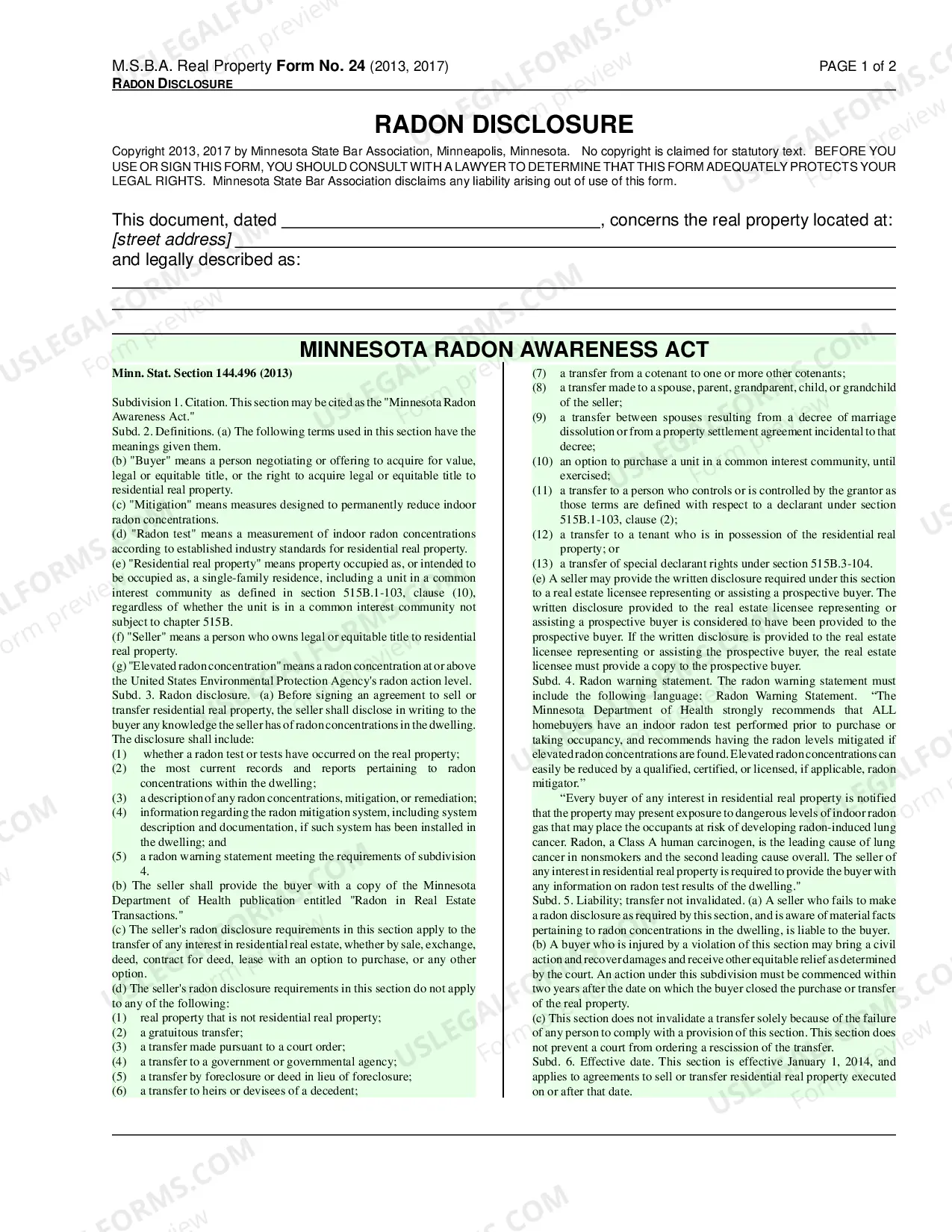
Sellers must also disclose information about toxic materials in the home, such as radon and asbestos. As stated above, it is almost always in the seller's best interest to let a potential home buyer know about any major problems with the home, especially relating to any structural or foundation problems.
A Seller's Disclosure is a legal document that requires sellers to provide previously undisclosed details about the property's condition that prospective buyers may find unfavorable. This document is also known as a property disclosure, and it's important for both those buying a house and for those selling a house.
Most Common Disclosures in Real Estate Natural Hazards Disclosure. First on the list is the natural hazards disclosure.Market Conditions Advisory (MCA) Market Conditions Advisory, also known as MCA, covers items more financial in nature.State Transfer Disclosure.Local Transfer Disclosure.Megan's Law Disclosures.
Minnesota law requires that all sellers of residential property disclose to prospective buyers all ?material facts? that could affect a buyer's use and enjoyment of the property. Minnesota law also requires that real estate salespeople disclose to buyers material information that they may know about the property.
How long are you liable when selling a house in Minnesota? You can be held liable for two years from the closing date.
How long are you liable when selling a house in Minnesota? You can be held liable for two years from the closing date.
Minnesota law specifies that the seller of a residential property must make a written disclosure to the prospective buyer that includes all ?material facts of which the seller is aware that could adversely and significantly affect 1) an ordinary buyer's use and enjoyment of the property, or 2) any intended use of the
But, there are 12 states that are still considered ?non-disclosure:? Alaska, Idaho, Kansas, Louisiana, Mississippi, Missouri (some counties), Montana, New Mexico, North Dakota, Texas, Utah and Wyoming. In a non-disclosure state, transaction sale prices are not available to the public.
As a seller, you might be wondering whether you need to legally disclose anything when selling a property. The answer is yes, you are legally obligated to disclose all known information about the property to potential buyers, both positive and negative.