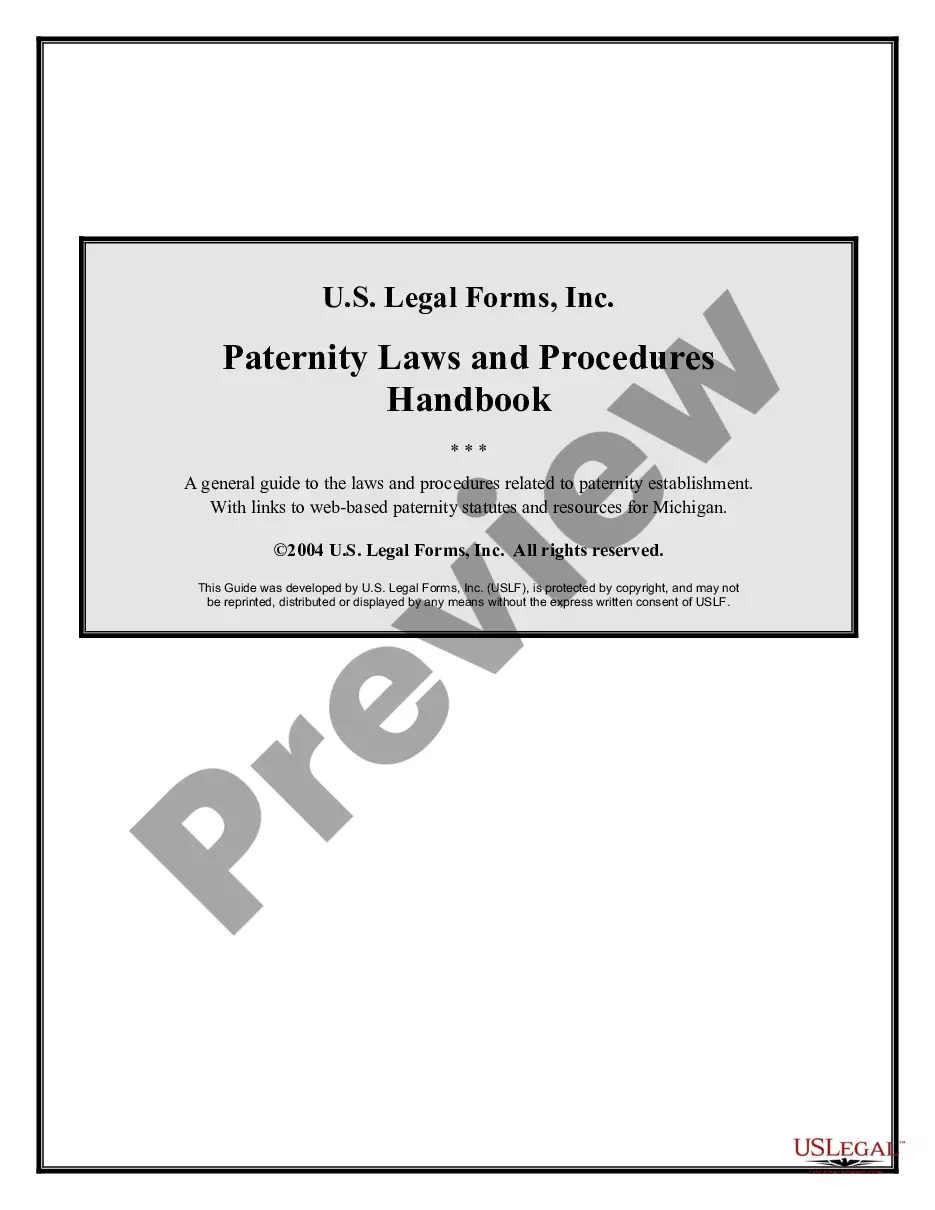
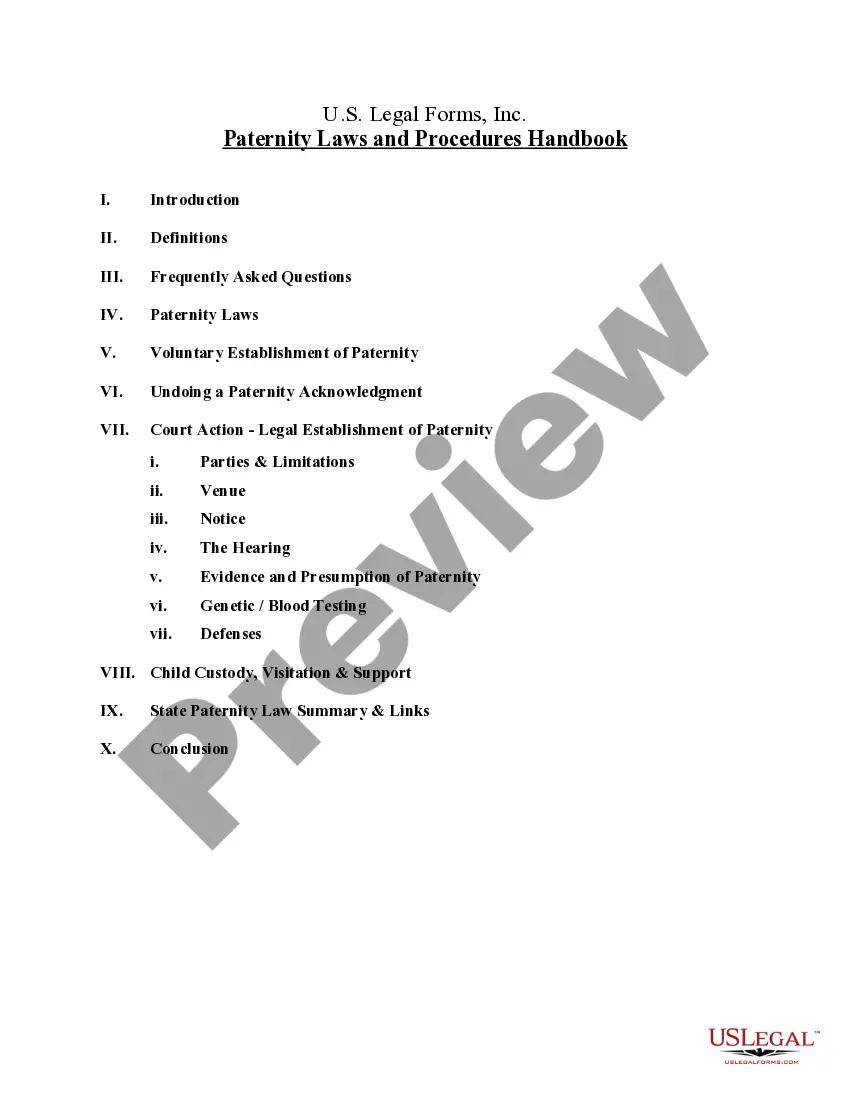
Grand Rapids Michigan Paternity Law and Procedure Handbook
Description
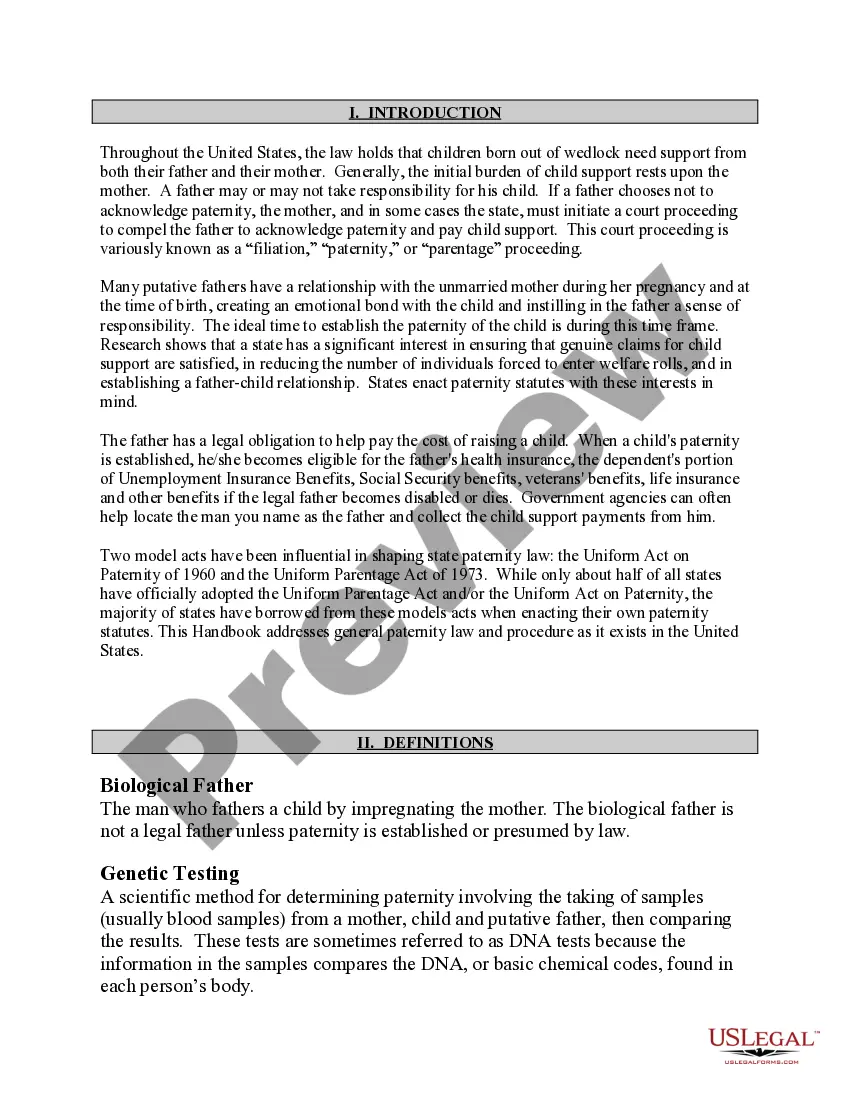
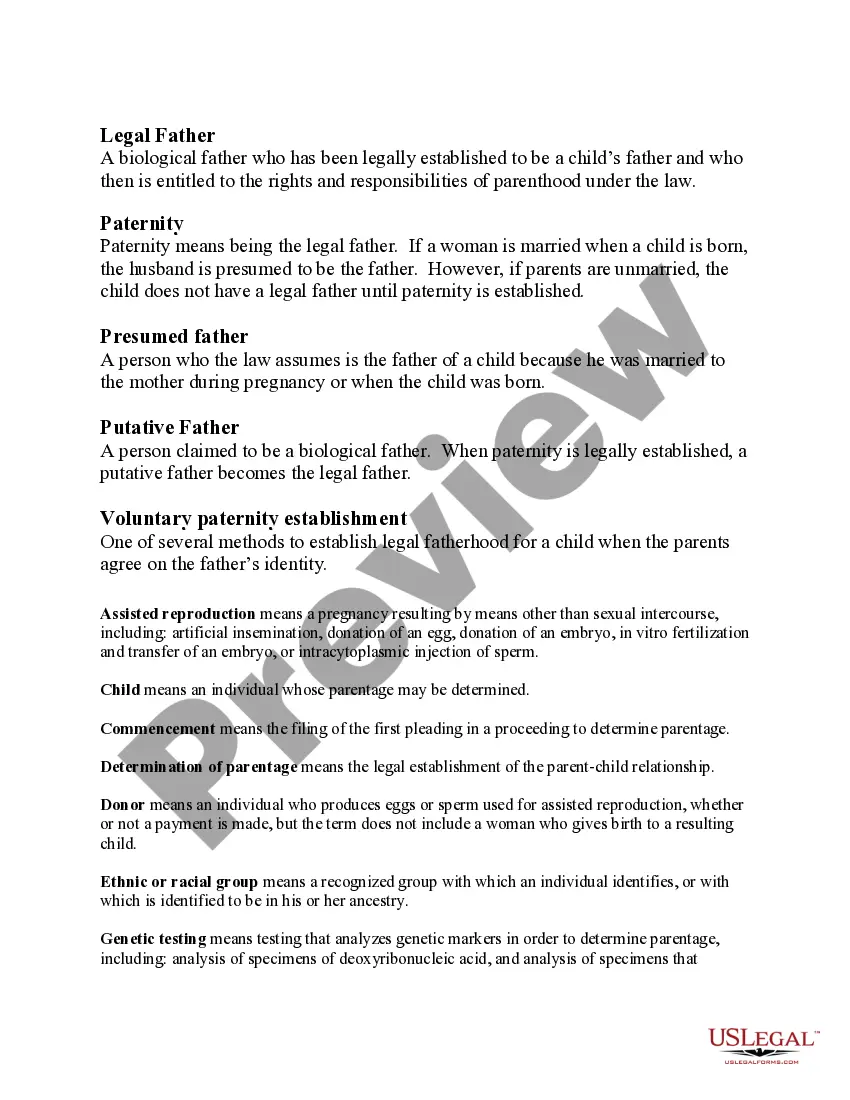
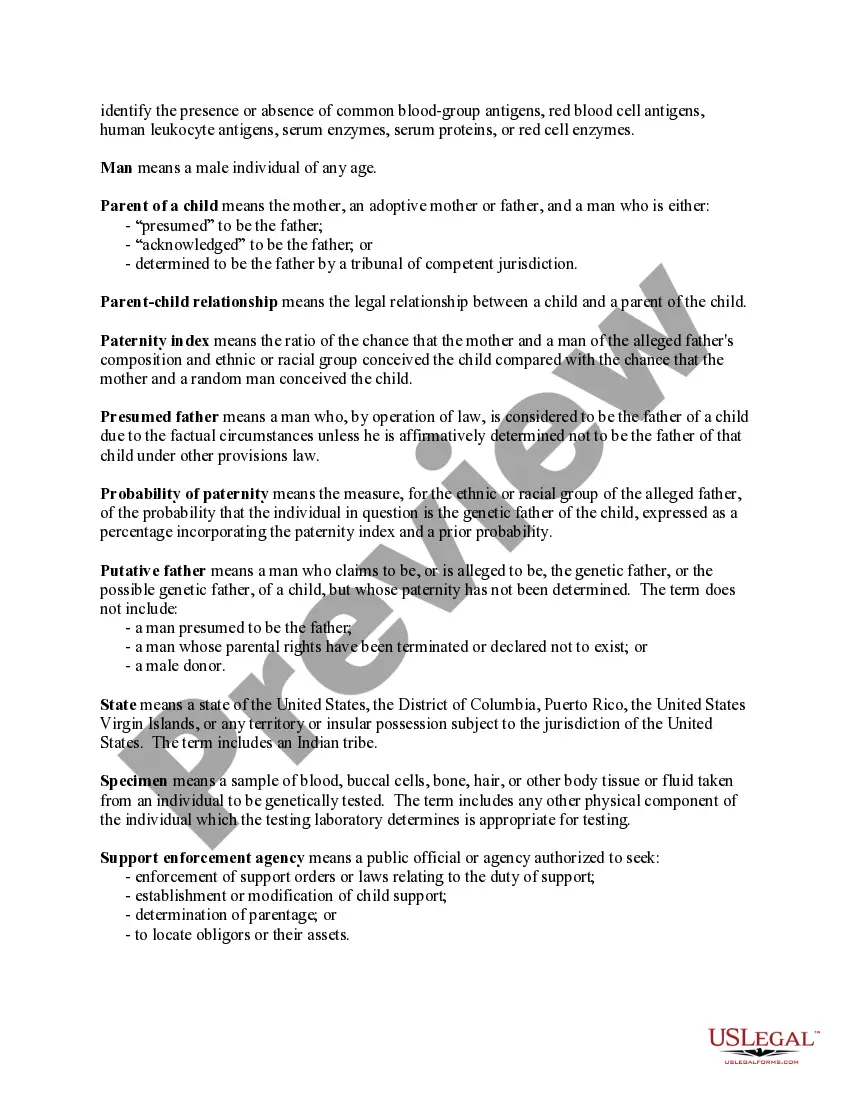
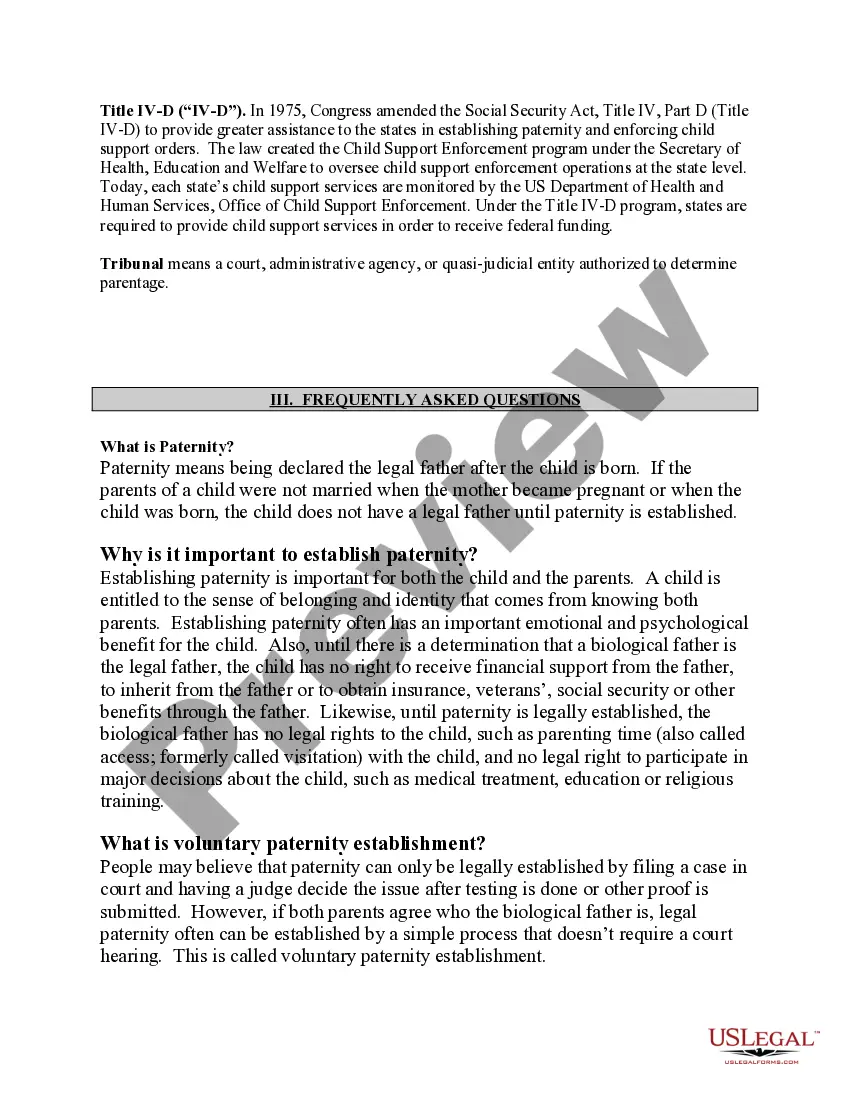
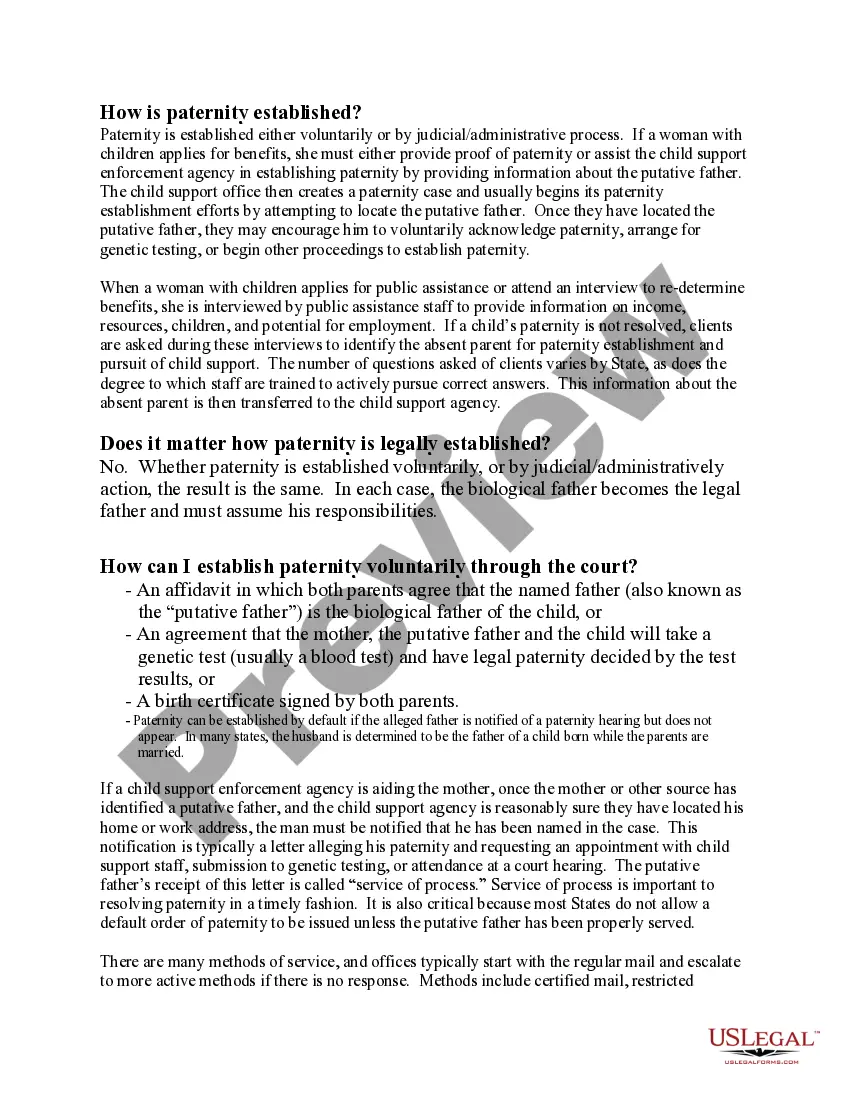
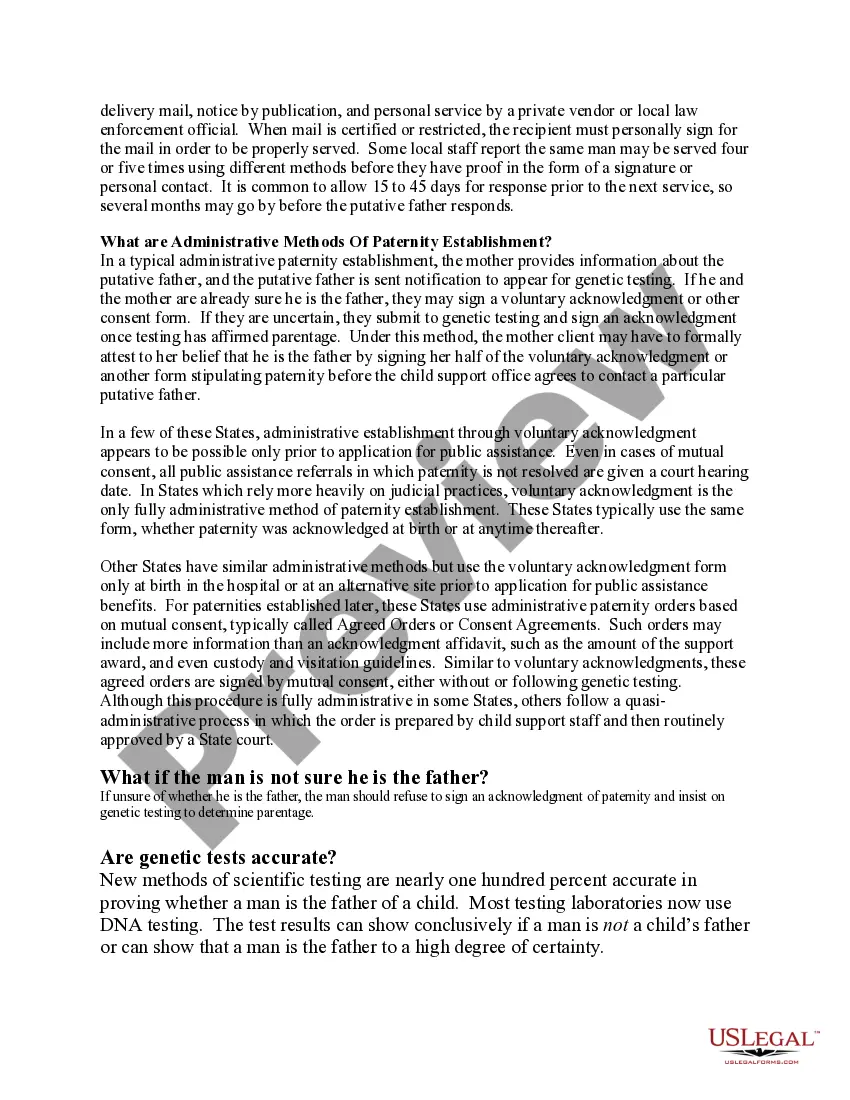
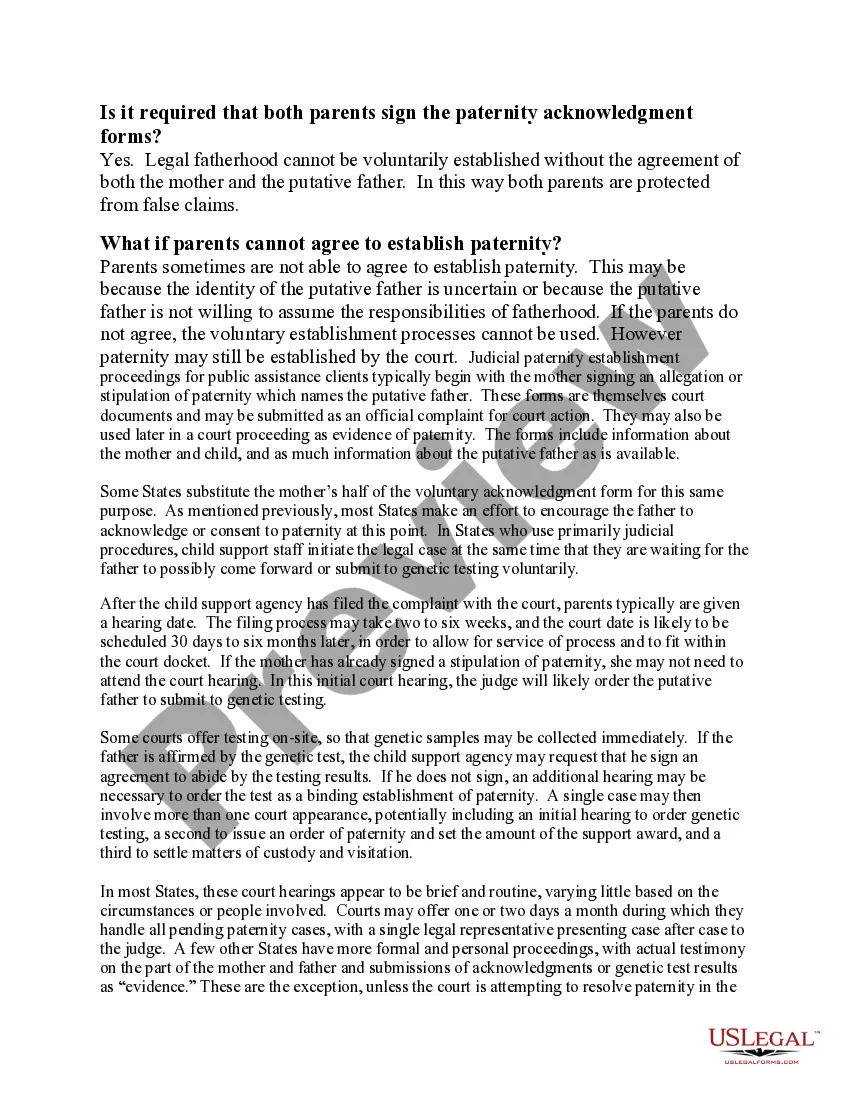
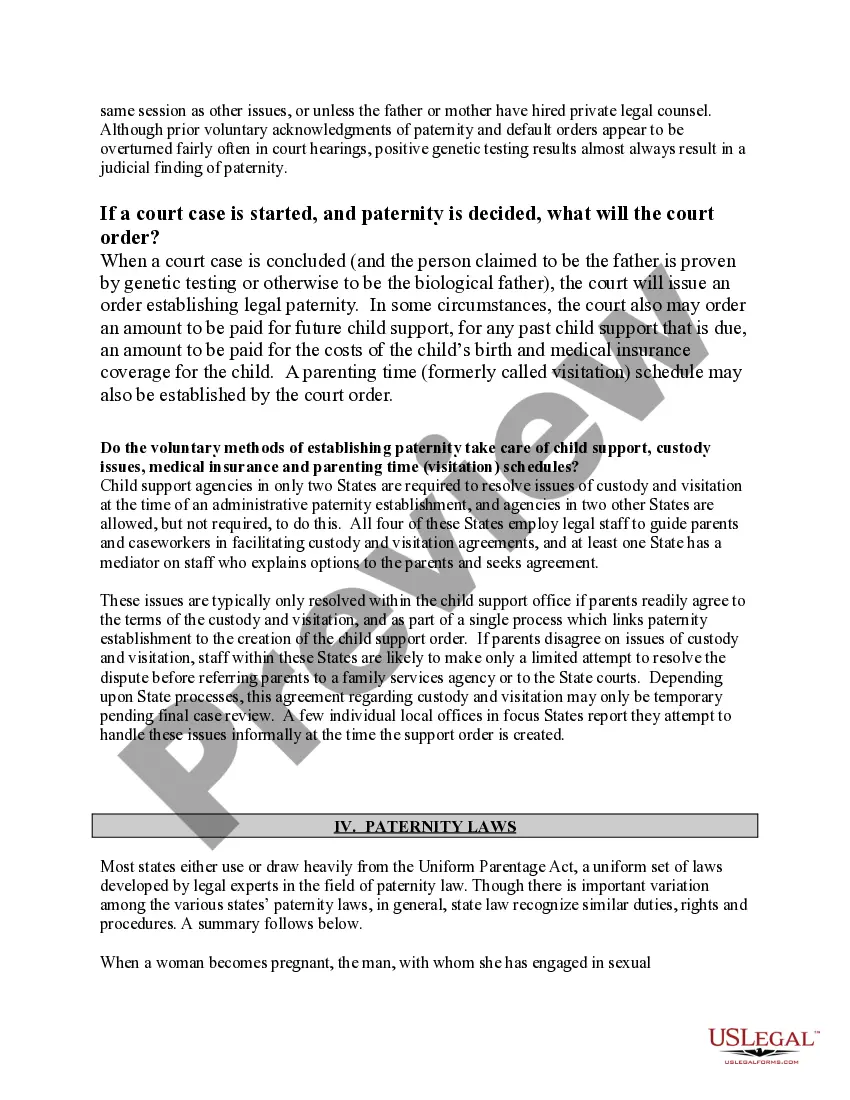


How to fill out Michigan Paternity Law And Procedure Handbook?
If you have previously employed our service, Log In to your account and obtain the Grand Rapids Michigan Paternity Law and Procedure Handbook on your device by clicking the Download button. Ensure your subscription is active. If it’s not, renew it as per your payment plan.
If this is your initial experience with our service, follow these straightforward steps to acquire your document.
You have continual access to all documents you have purchased: you can find it in your profile under the My documents section whenever you wish to use it again. Utilize the US Legal Forms service to quickly find and download any template for your personal or professional needs!
- Ensure you have found a suitable document. Review the description and utilize the Preview option, if available, to verify if it aligns with your needs. If it does not fit, use the Search tab above to find the appropriate one.
- Purchase the template. Click the Buy Now button and choose a monthly or annual subscription plan.
- Establish an account and make a payment. Use your credit card information or the PayPal option to finalize the transaction.
- Obtain your Grand Rapids Michigan Paternity Law and Procedure Handbook. Choose the file format for your document and save it to your device.
- Complete your sample. Print it out or utilize professional online editors to fill it out and sign it electronically.
Form popularity
FAQ
To file for child custody in Michigan, you need to submit a custody petition to the family court in your county. This process involves filling out required forms and potentially attending a hearing. For detailed instructions and necessary documents, the Grand Rapids Michigan Paternity Law and Procedure Handbook serves as a valuable resource to help you through the process.
A father has until the child reaches the age of 18 to establish paternity in Michigan, but sooner is always better to secure rights and responsibilities. This timeframe allows for necessary actions like seeking custody or establishing child support. The Grand Rapids Michigan Paternity Law and Procedure Handbook outlines steps for timely paternity establishment.
Yes, in Michigan, a father can voluntarily terminate his parental rights, but it often requires court approval. The process must follow specific legal protocols, which ensure that the decision is in the best interest of the child. To understand the intricacies of this process, refer to the Grand Rapids Michigan Paternity Law and Procedure Handbook for clear guidance.
In Michigan, a man generally has until the child turns 18 years old to establish paternity. However, acting sooner is beneficial as it can lead to important parental rights, such as custody and visitation. For detailed timelines and legal recommendations, consult the Grand Rapids Michigan Paternity Law and Procedure Handbook.
Even if a father is not listed on the birth certificate, he may still have the right to establish paternity, which can lead to custody and visitation rights. He should take steps to legally acknowledge paternity through the family court system. The Grand Rapids Michigan Paternity Law and Procedure Handbook provides essential information on how to claim these rights and navigate the legal process.
In Michigan, a father may lose parental rights if he has not participated in the child's life for a significant period, typically two years. If he fails to establish or maintain a relationship during this time, he risks losing his rights. To understand more about these specific situations, refer to the Grand Rapids Michigan Paternity Law and Procedure Handbook for comprehensive guidance.
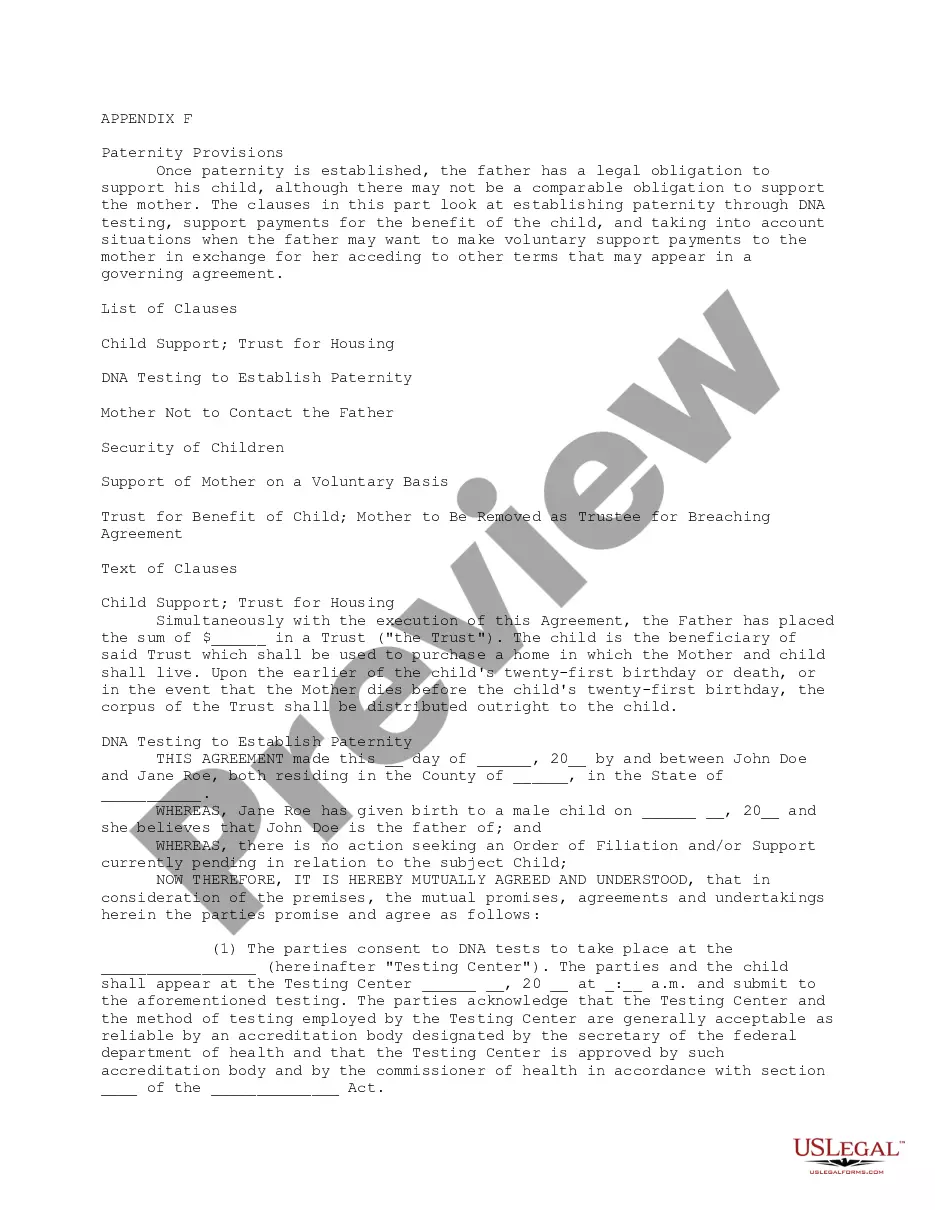
To file a paternity case in Michigan, you should start by gathering necessary information, such as the child's birth certificate and any relevant documentation about the mother. Next, you can file a complaint with the family court in your county. It is advisable to consult the Grand Rapids Michigan Paternity Law and Procedure Handbook for detailed steps and required forms, ensuring that you follow the right legal procedures.
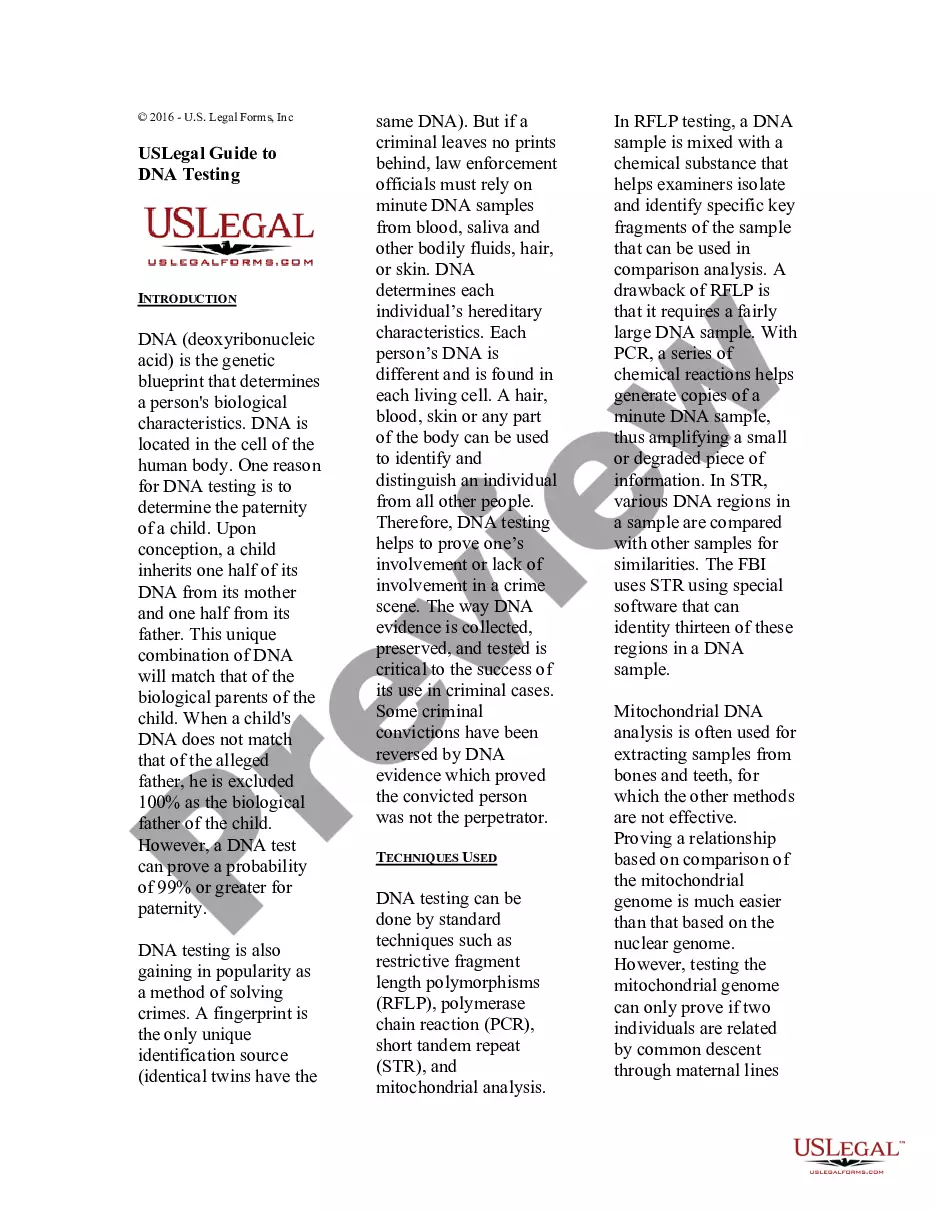
If the mother fails to appear for a scheduled paternity test, it may impact the case's outcome. Courts often view such absences seriously, and they might interpret it as non-cooperation. Referencing the Grand Rapids Michigan Paternity Law and Procedure Handbook will help you understand your options, such as requesting a rescheduled test or seeking legal action for non-compliance.
If a man denies paternity, it’s vital to address the situation legally. You can pursue a paternity test, which, if conducted, can prove or disprove his claim. The Grand Rapids Michigan Paternity Law and Procedure Handbook provides essential information on how to navigate situations of denial and ensure that legal rights concerning child support and custody are upheld.
Yes, you can obtain a paternity test even if the mother is not willing to participate. In such cases, you may need to seek a court order to ensure the test is conducted. The Grand Rapids Michigan Paternity Law and Procedure Handbook will guide you through the legal steps necessary to pursue this option, helping you establish or contest paternity appropriately.