Chicago Illinois Discovery Interrogatories from Defendant to Plaintiff with Production Requests

Description
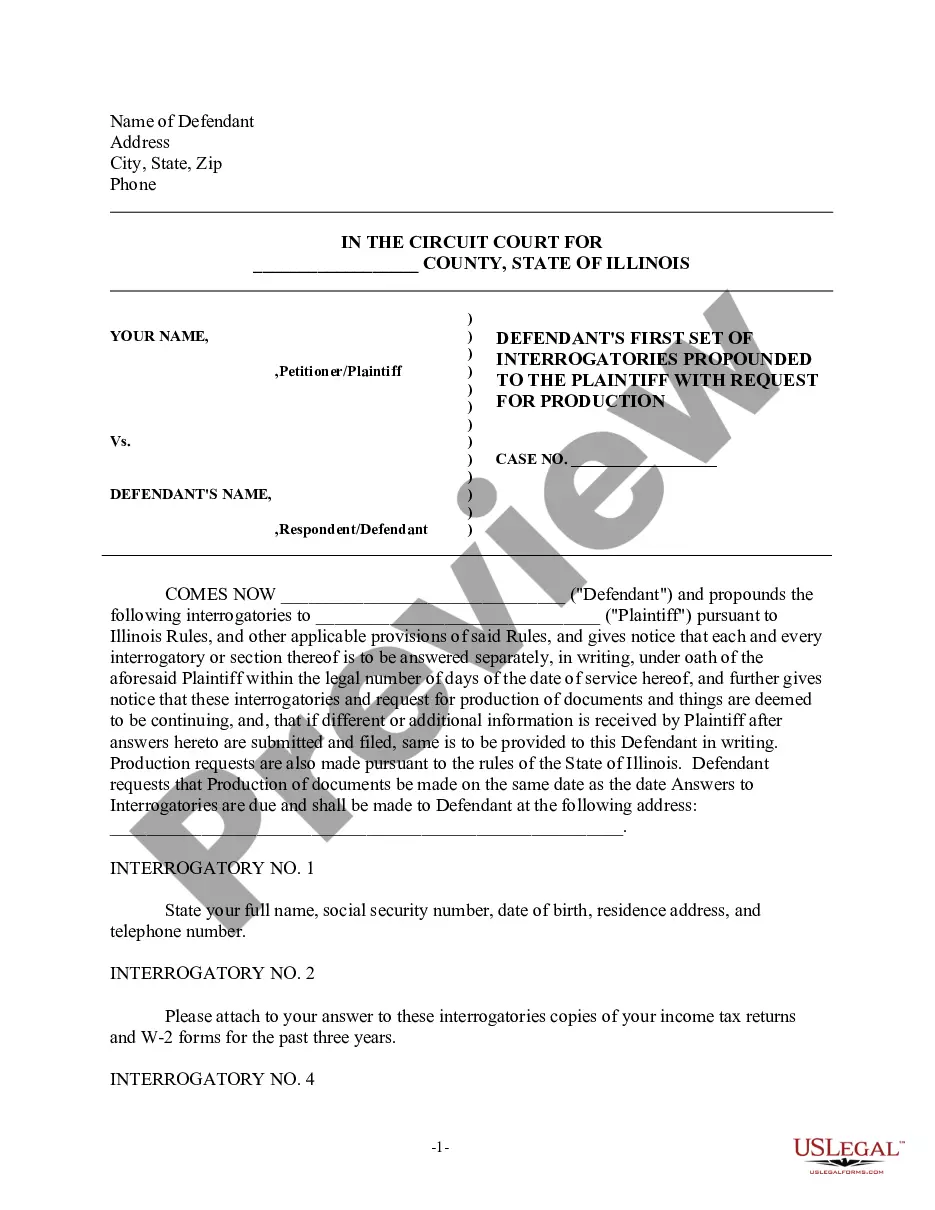
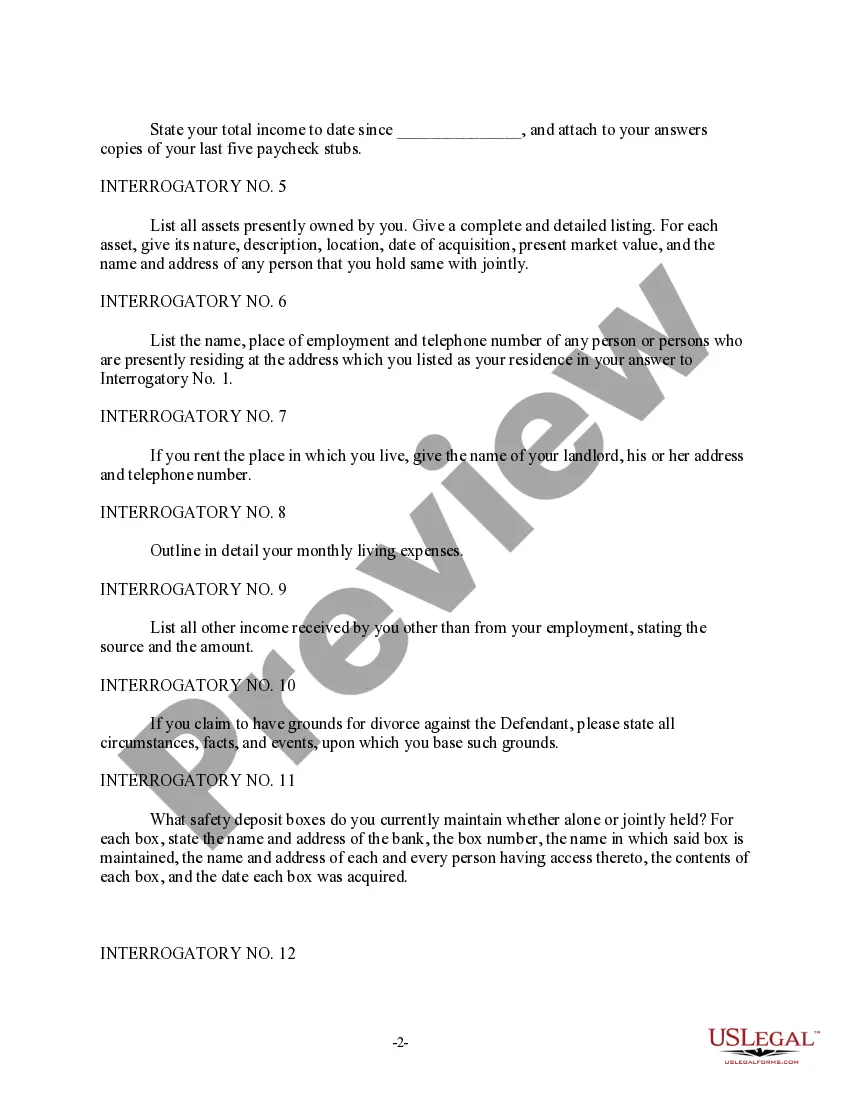
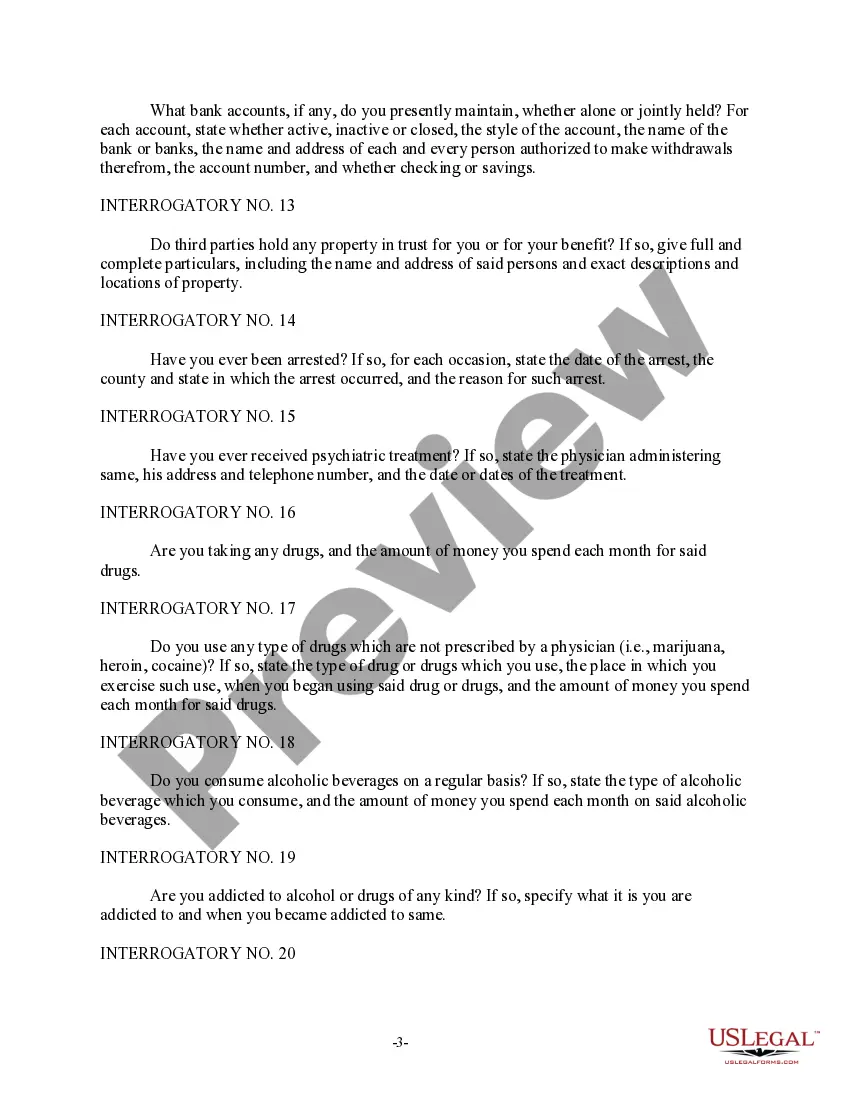
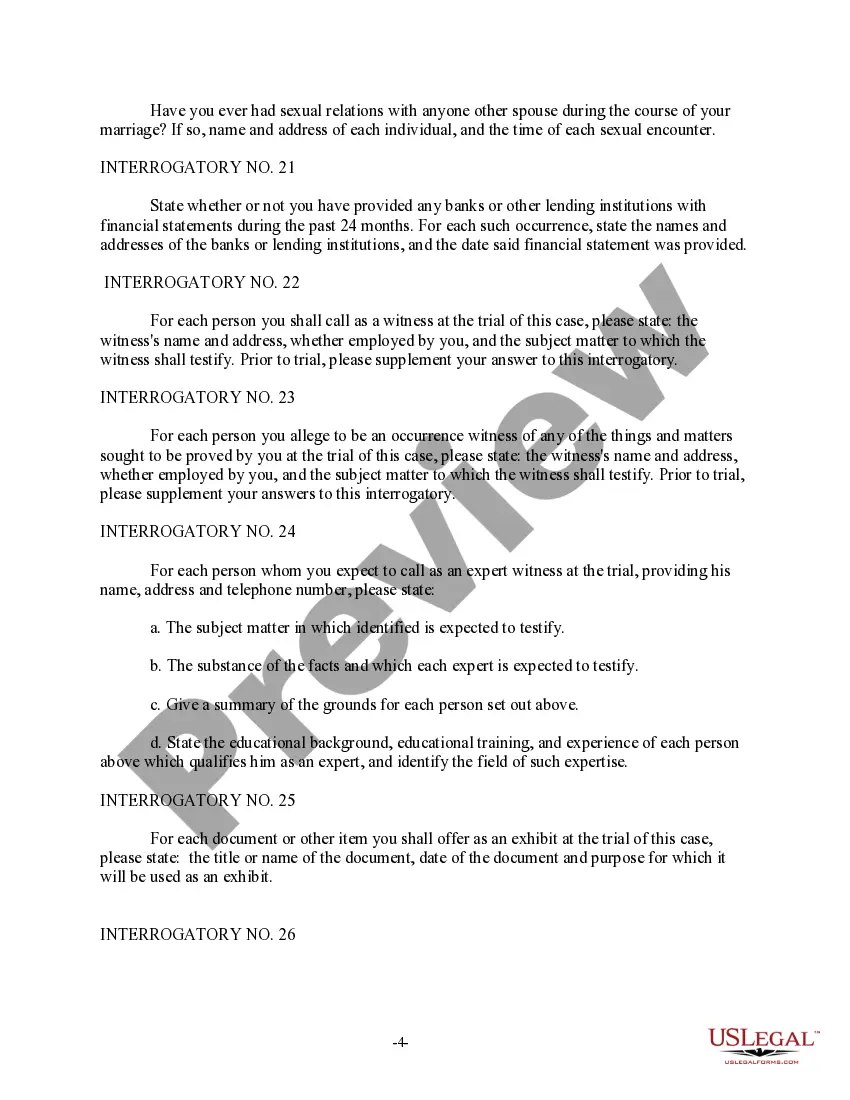
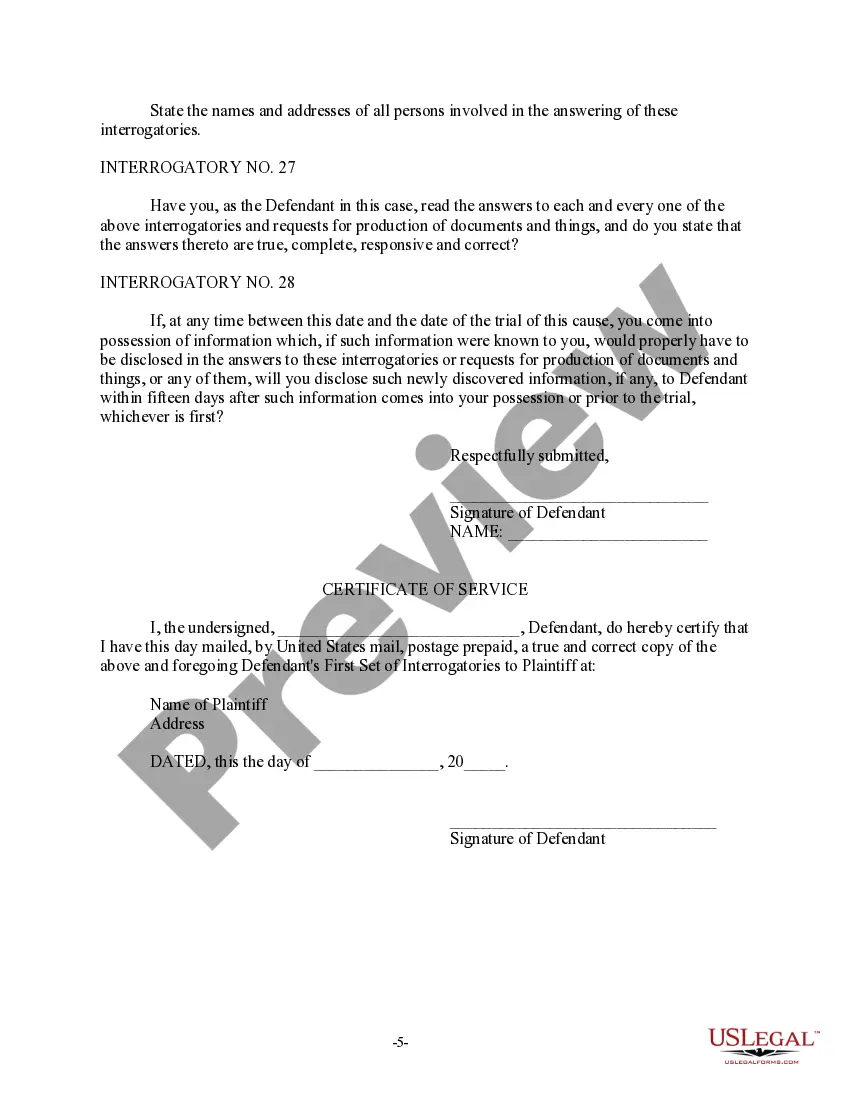
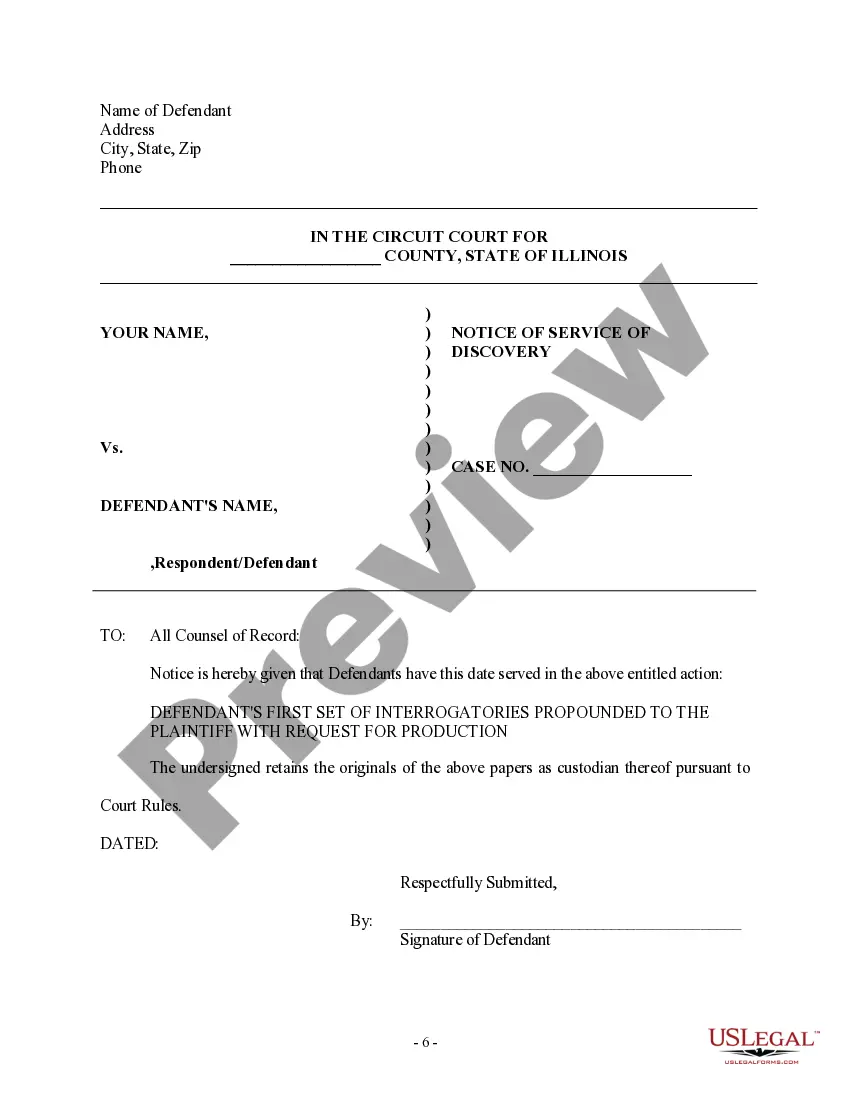
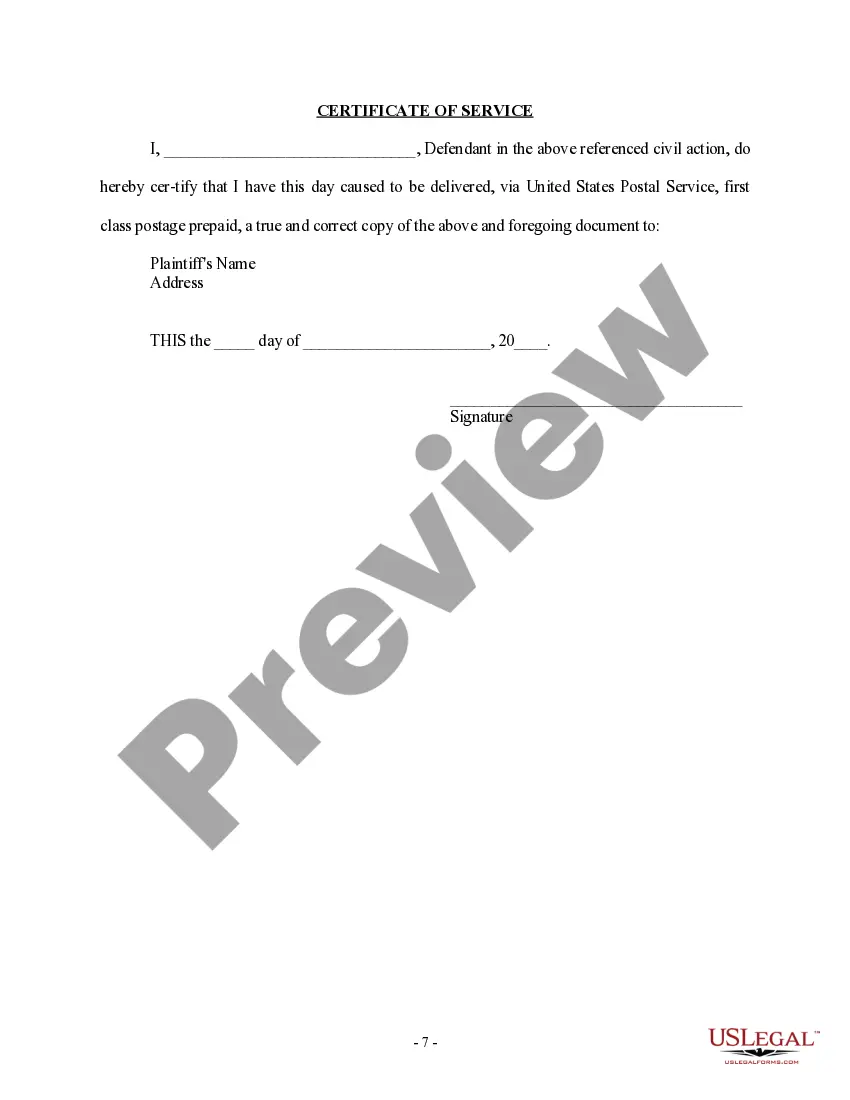
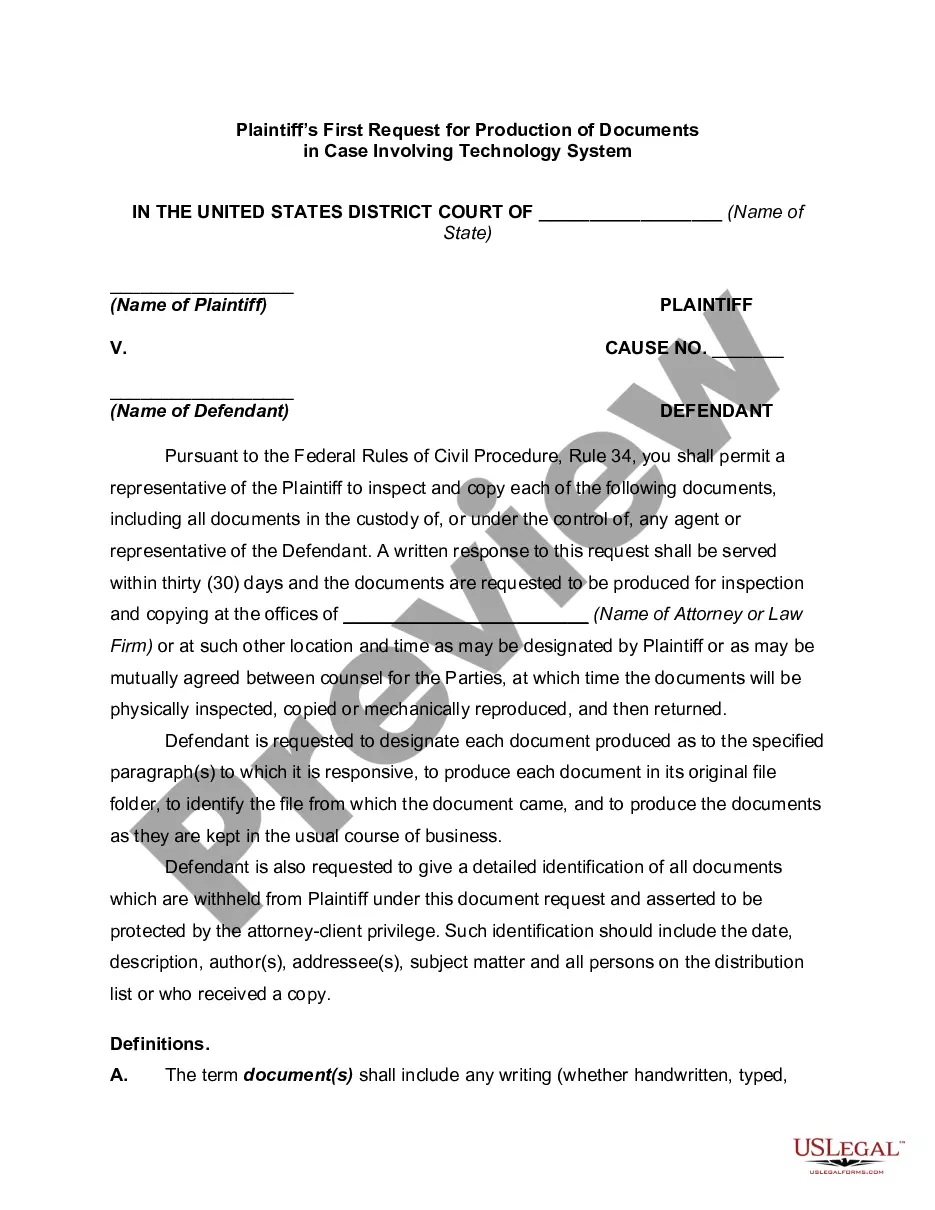
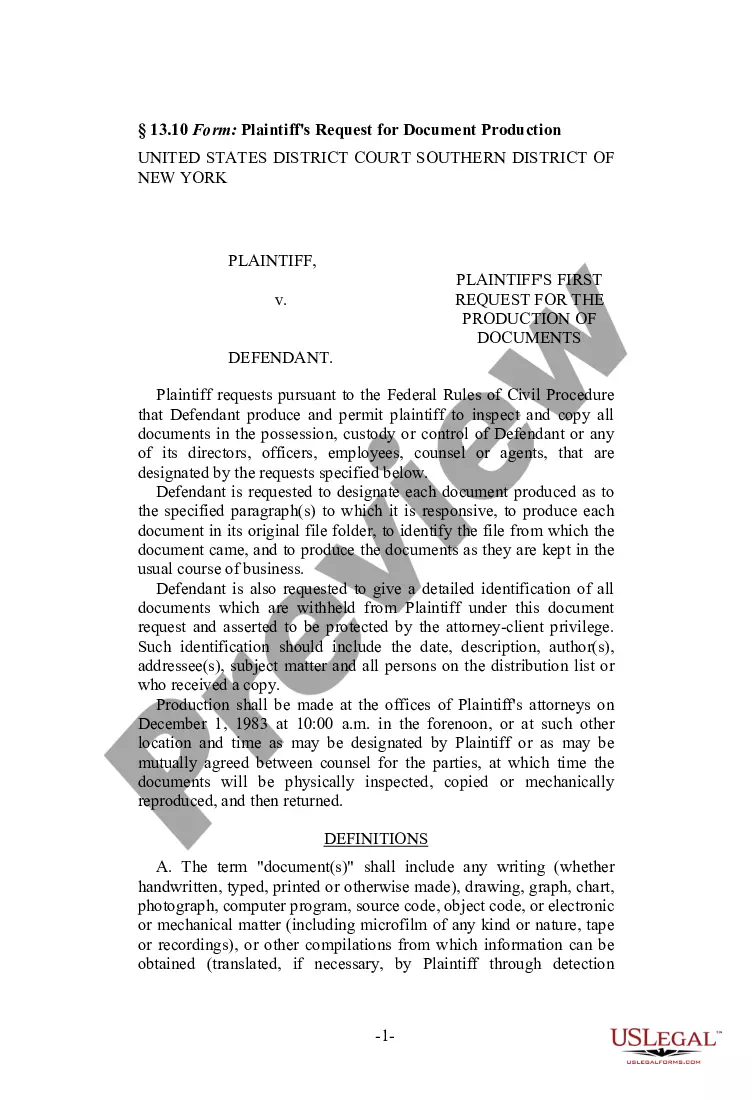

Get your form ready online
Our built-in tools help you complete, sign, share, and store your documents in one place.
Make edits, fill in missing information, and update formatting in US Legal Forms—just like you would in MS Word.
Download a copy, print it, send it by email, or mail it via USPS—whatever works best for your next step.
Sign and collect signatures with our SignNow integration. Send to multiple recipients, set reminders, and more. Go Premium to unlock E-Sign.
If this form requires notarization, complete it online through a secure video call—no need to meet a notary in person or wait for an appointment.
We protect your documents and personal data by following strict security and privacy standards.

Make edits, fill in missing information, and update formatting in US Legal Forms—just like you would in MS Word.

Download a copy, print it, send it by email, or mail it via USPS—whatever works best for your next step.

Sign and collect signatures with our SignNow integration. Send to multiple recipients, set reminders, and more. Go Premium to unlock E-Sign.

If this form requires notarization, complete it online through a secure video call—no need to meet a notary in person or wait for an appointment.

We protect your documents and personal data by following strict security and privacy standards.
Looking for another form?
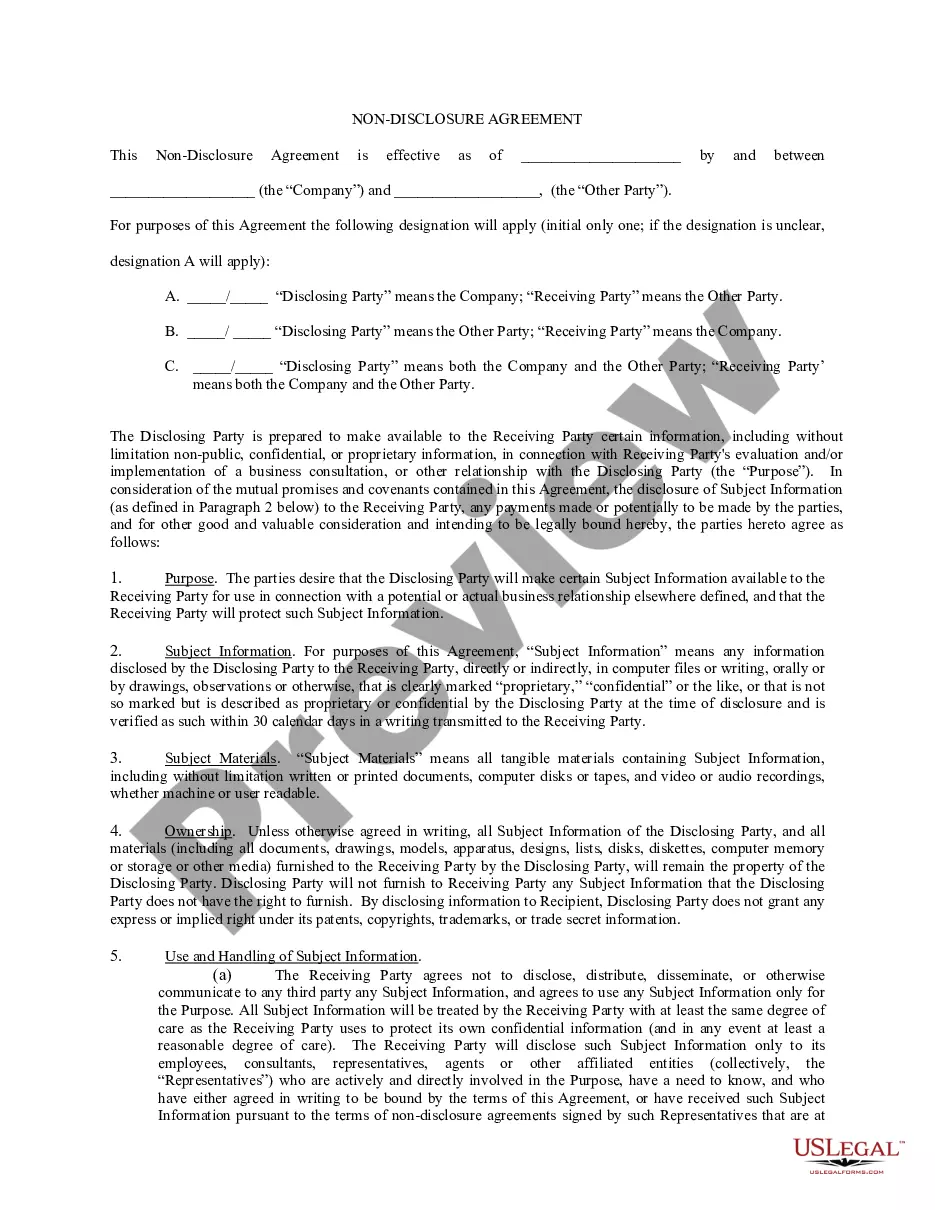
How to fill out Illinois Discovery Interrogatories From Defendant To Plaintiff With Production Requests?
If you have previously engaged with our service, Log In to your account and retrieve the Chicago Illinois Discovery Interrogatories from Defendant to Plaintiff with Production Requests on your device by clicking the Download button. Ensure your subscription is active. If not, renew it based on your payment plan.
If this is your initial encounter with our service, follow these straightforward steps to obtain your document.
You have lifetime access to every document you have acquired: it can be found in your profile under the My documents section whenever you need to access it again. Leverage the US Legal Forms service to easily locate and save any template for your personal or business requirements!
- Ensure you’ve located a suitable document. Browse the description and utilize the Preview option, if present, to verify if it fulfills your requirements. If it doesn’t suit you, use the Search tab above to locate the appropriate one.
- Purchase the template. Click the Buy Now button and select a monthly or yearly subscription plan.
- Create an account and make a payment. Employ your credit card information or the PayPal option to finalize the transaction.
- Receive your Chicago Illinois Discovery Interrogatories from Defendant to Plaintiff with Production Requests. Choose the file format for your document and store it on your device.
- Complete your document. Print it or utilize professional online editors to fill it out and sign it digitally.
Form popularity
FAQ
Interrogatories, which are written questions about things that are relevant or important to the case. (NRCP 33; JCRCP 33) Requests for production of documents or things, which are written requests that demand the other side provide particular documents or items.
Interrogatories, which are written questions about things that are relevant or important to the case. (NRCP 33; JCRCP 33) Requests for production of documents or things, which are written requests that demand the other side provide particular documents or items.
Interrogatories are a discovery tool that the parties can use to have specific questions about a case answered before trial. Interrogatories are lists of questions sent to the other party that s/he must respond to in writing.
Whereas depositions are useful for obtaining candid responses from a party and answers not prepared in advance, interrogatories are designed to obtain accurate information about specific topics. Interrogatories can be quicker, less costly, and less complicated than depositions, but there are downsides.
Answers to interrogatories can be much more complete than answers to deposition questions. Interrogatories are generally less expensive than depositions because they don't require court reporter fees, transcript costs, or attorney time in traveling to and from the deposition.
In a civil action, an interrogatory is a list of questions one party sends to another as part of the discovery process. The recipient must answer the questions under oath and according to the case's schedule.
Only 30 requests to admit are allowed unless the court allows more.
(c)Number of Interrogatories. Except as provided in subparagraph (j), a party shall not serve more than 30 interrogatories, including sub-parts, on any other party except upon agreement of the parties or leave of court granted upon a showing of good cause.
For each injury. 20. Pursuant to Illinois Supreme Court Rule 213(f), provide the name and address of each witness who will testify at trial and all other information required for each witness.
Interrogatories are to be raised at a pre-trial stage and must have a close connection with the matter in question, whereas cross examinations have a wider scope of questions that can be asked.