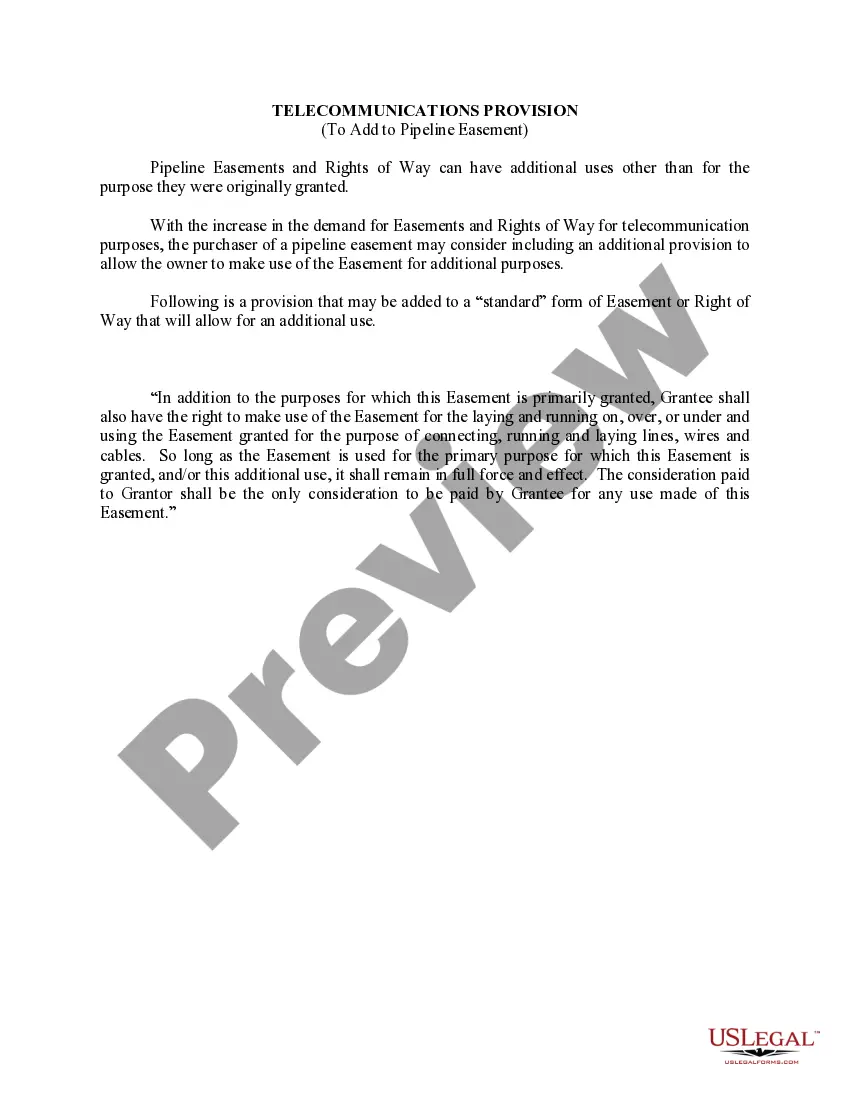
Miami-Dade Florida Boundary Line Agreement
Description
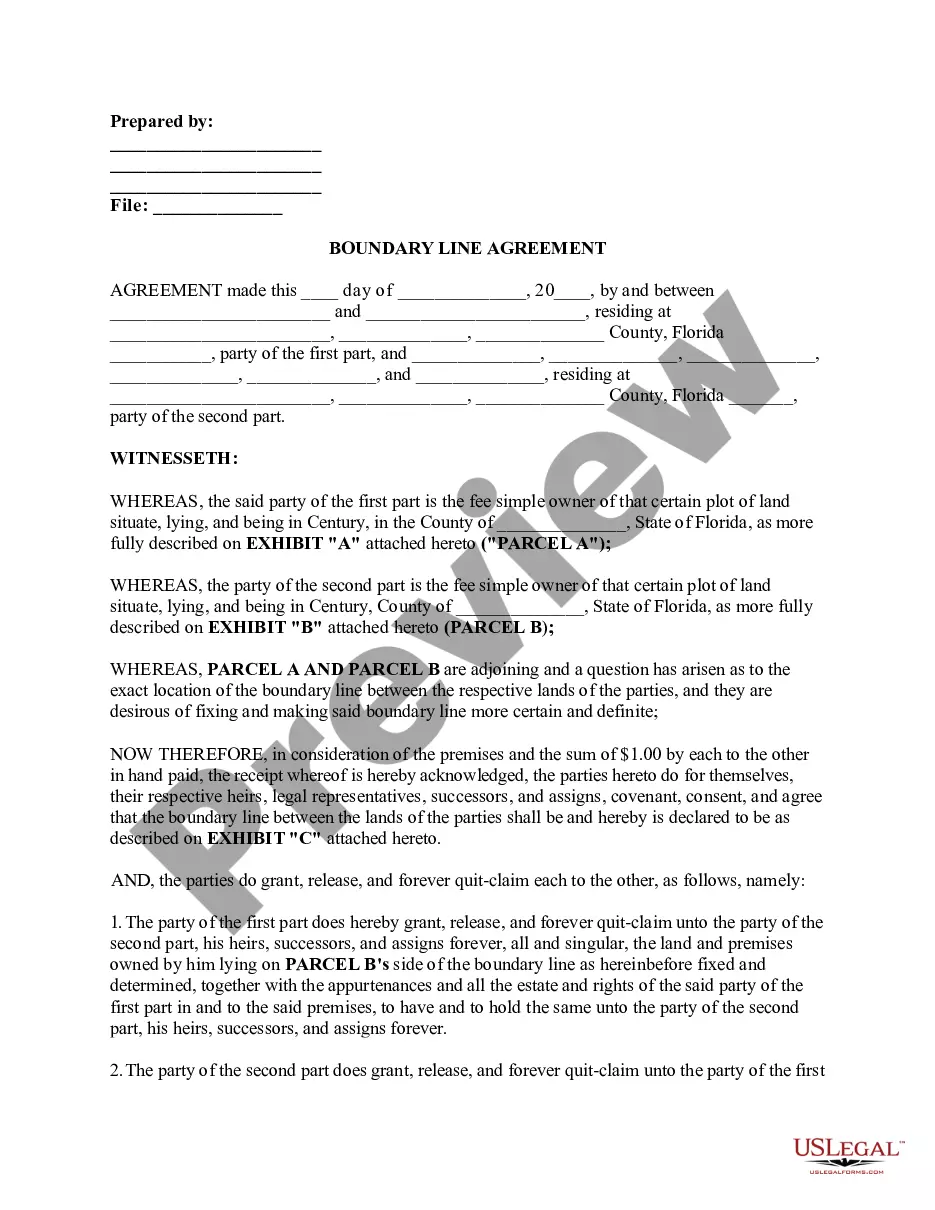
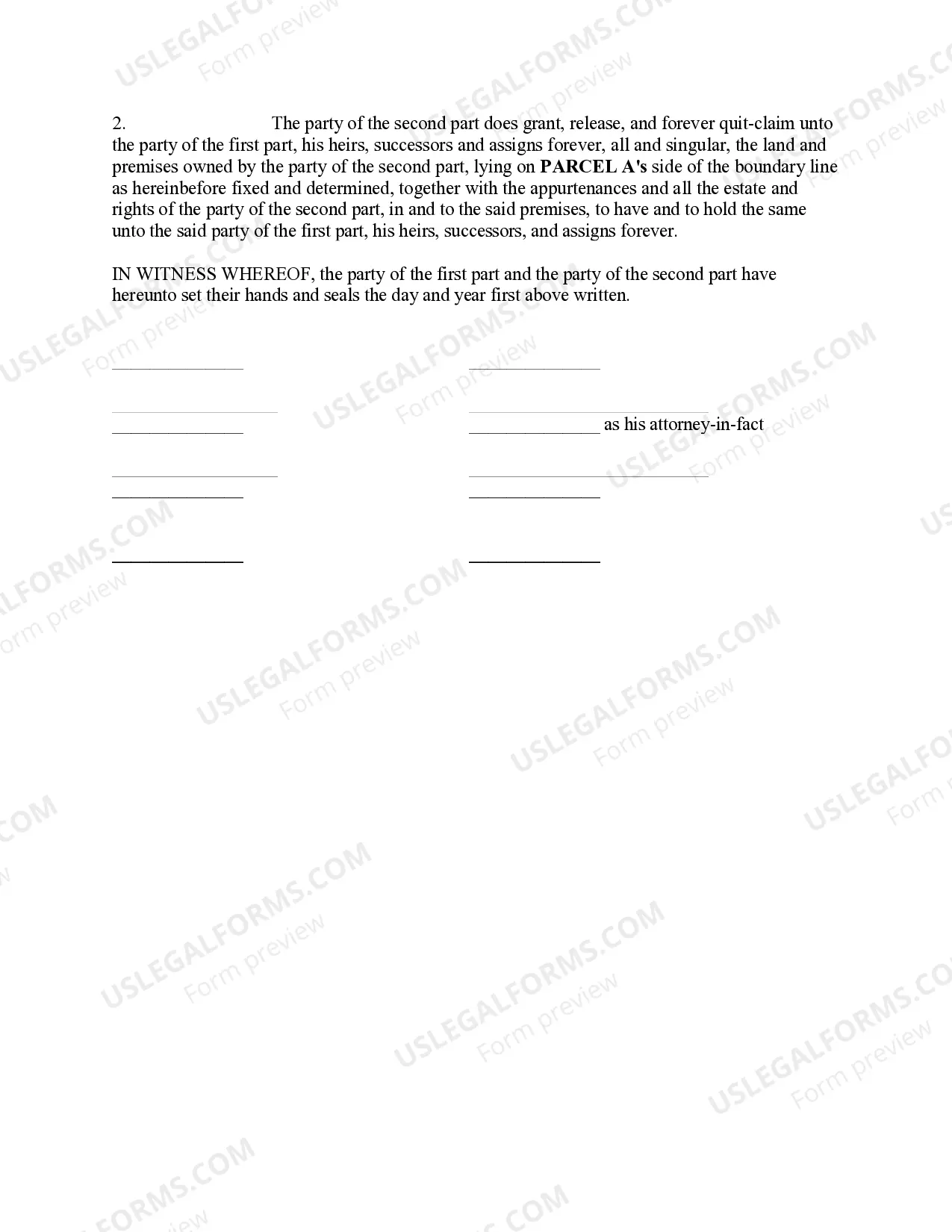
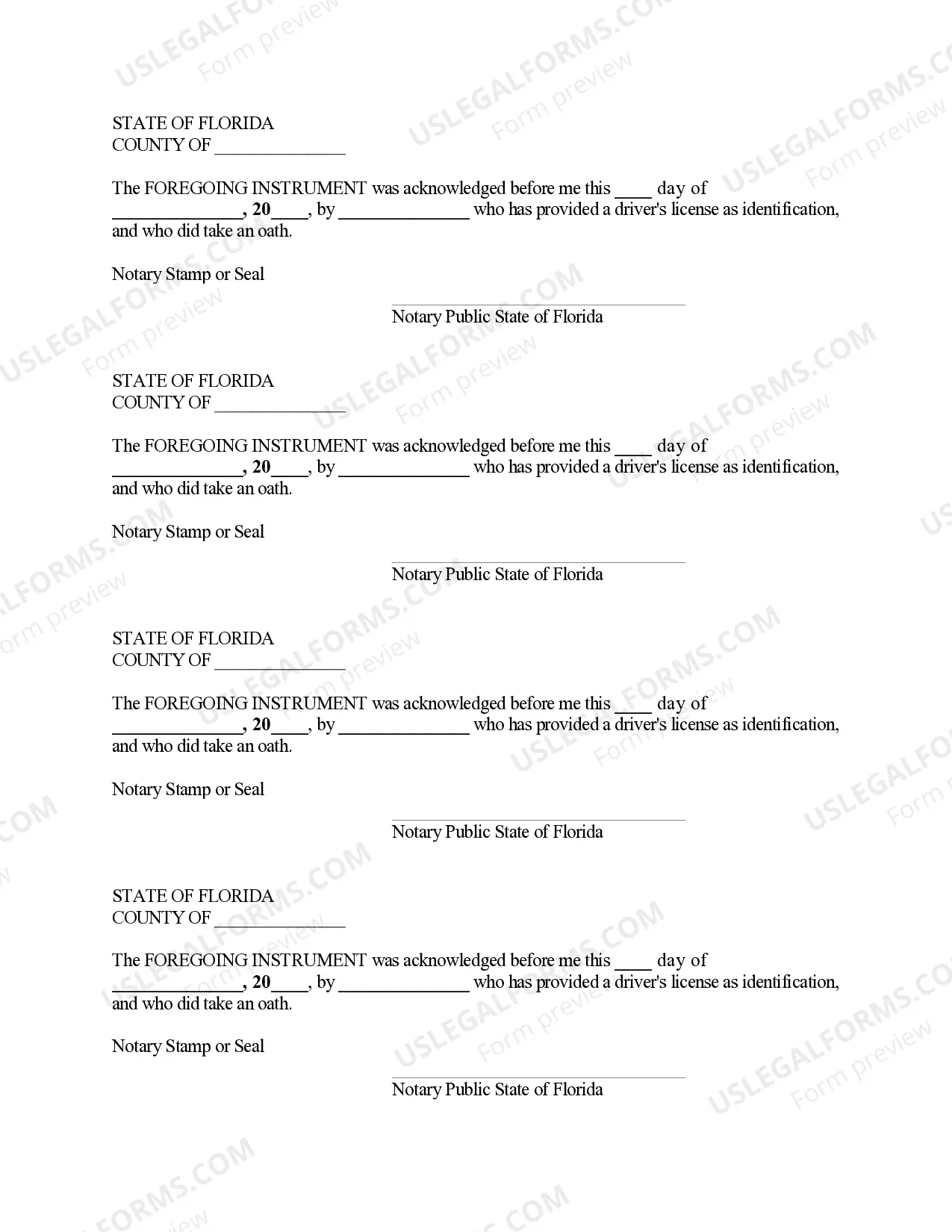

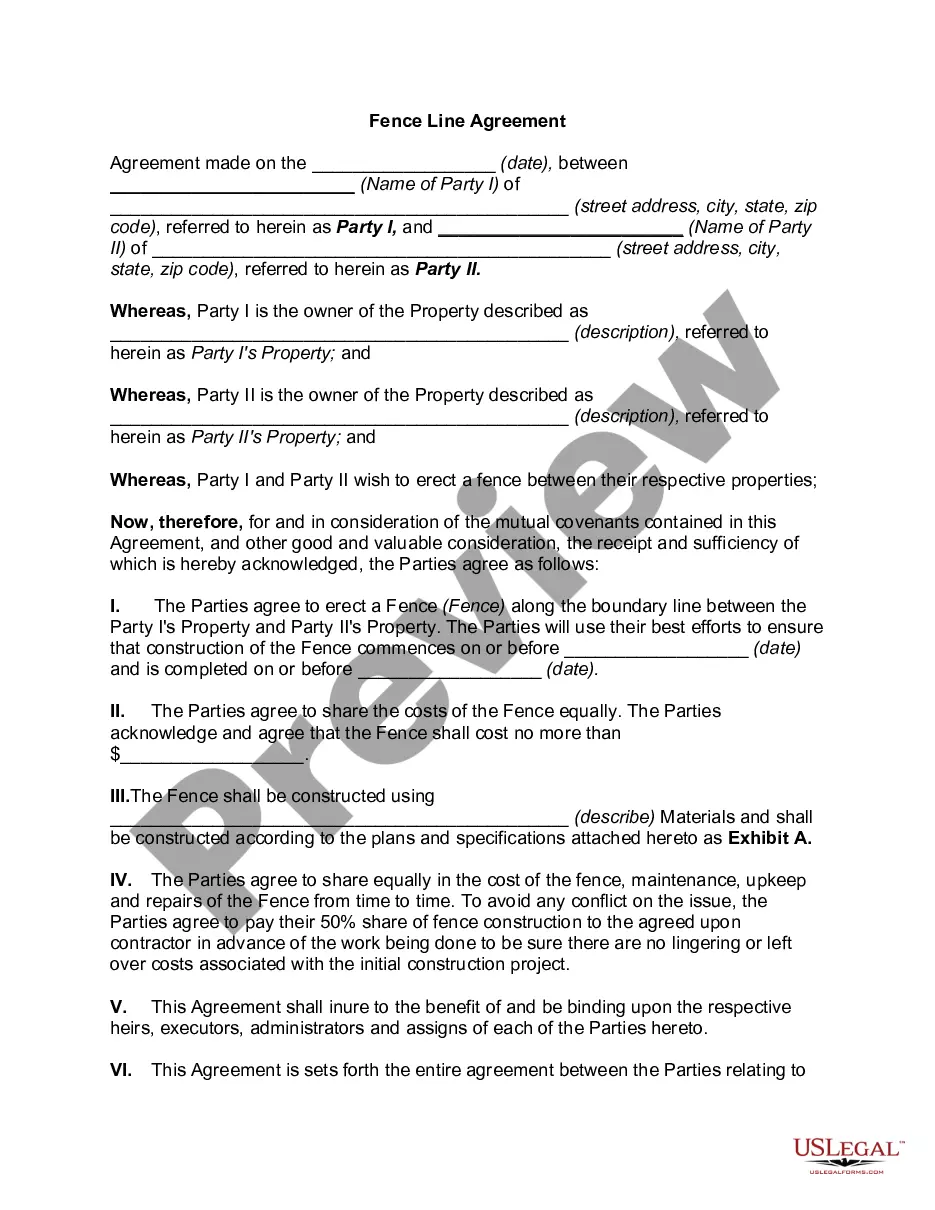




How to fill out Florida Boundary Line Agreement?
Are you in search of a reliable and economical supplier of legal forms to obtain the Miami-Dade Florida Boundary Line Agreement? US Legal Forms is your ideal answer.
Whether you require a simple agreement to establish guidelines for living with your partner or a set of documents to process your divorce through the court, we have you covered. Our platform offers over 85,000 current legal document templates for personal and business use.
All templates that we provide access to are not generic and are tailored based on the requirements of individual states and counties.
To retrieve the document, you need to Log In to your account, find the necessary form, and click the Download button beside it. Please remember that you can download your previously acquired document templates at any time from the My documents section.
Now you can register your account. Then choose the subscription plan and proceed with the payment. After completing the payment, download the Miami-Dade Florida Boundary Line Agreement in any available file format. You can revisit the website whenever needed and redownload the document at no additional cost.
Finding current legal forms has never been simpler. Try US Legal Forms today, and put an end to spending hours searching for legal documents online once and for all.
- Are you a first-time visitor to our site? No need to worry.
- You can create an account with great ease, but before that, ensure to do the following.
- Verify if the Miami-Dade Florida Boundary Line Agreement complies with your state and local laws.
- Review the form’s description (if available) to understand who and what the document is meant for.
- Restart the search if the form does not fit your legal circumstances.
Form popularity
FAQ
Miami-Dade County consists of various cities and communities, including Miami, Hialeah, and Coral Gables, among others. Each area offers distinct characteristics and amenities that cater to diverse populations. Understanding where you live within the county can enhance your real estate decisions and community engagement. To navigate property divisions and agreements effectively, the Miami-Dade Florida Boundary Line Agreement serves as a valuable resource for residents.
The boundaries of Miami-Dade County are defined by natural features and political lines, including bodies of water and neighboring counties. The county shares borders with the Atlantic Ocean to the east, making it unique in both geography and population. For residents or business owners, knowing these boundaries is vital for understanding property rights and responsibilities. The Miami-Dade Florida Boundary Line Agreement is a practical tool for clarifying land definitions within these established limits.
Yes, Miami-Dade County is divided into various districts, each represented by elected officials. These districts help organize governance and local services, making it easier for residents to access resources and information. Understanding district boundaries can also be essential for those concerned about property lines. The Miami-Dade Florida Boundary Line Agreement can assist residents in resolving issues related to district properties and boundaries.
Miami-Dade County encompasses a land area of about 2,000 square miles, making it one of the largest counties in Florida. This diverse landscape includes urban, suburban, and rural environments, offering a rich tapestry of community settings. Residents often engage in boundary line discussions to clarify property ownership and responsibilities. Utilizing resources like the Miami-Dade Florida Boundary Line Agreement can help ensure accurate delineation of property lines in this extensive area.
Ordinance 90 133 establishes policies regarding boundary adjustments in Miami-Dade County. This ordinance helps streamline processes related to land ownership disputes, offering guidelines on how residents can amend lot lines. By understanding this ordinance, residents can better navigate agreements that align with the Miami-Dade Florida Boundary Line Agreement. It provides a framework for resolving conflicts and promoting property unity.
Section 33 11 of the Code of Miami-Dade County outlines the regulations related to boundary line agreements within the county. This section facilitates land use clarity, especially when property lines are in dispute. It plays a crucial role in ensuring that community members understand their rights regarding land boundaries and can seek resolutions. This is particularly important when considering agreements, like the Miami-Dade Florida Boundary Line Agreement, that define property limits.
Yes, in Florida, you usually need a permit to construct a fence, depending on its height and location. Consulting the Miami-Dade County regulations before erecting a fence can prevent issues down the line, ensuring your project aligns with your Miami-Dade Florida Boundary Line Agreement and local laws.
Yes, a permit is generally needed for installing a permanent fence in Miami-Dade County. The permitting process ensures that the fence complies with local building codes and zoning regulations, which aligns with the guidelines outlined in a Miami-Dade Florida Boundary Line Agreement.
In Miami-Dade County, a permit is typically required for most temporary fences, especially for construction or safety purposes. This is important to know when preparing a Miami-Dade Florida Boundary Line Agreement, as having the correct permits helps you adhere to local laws and maintain good neighborly relations.
Florida law allows property owners the right to erect fences on their land, but it mandates that you comply with local regulations regarding height, materials, and placement. When considering a fence, it’s wise to reference a Miami-Dade Florida Boundary Line Agreement to avoid any disputes with adjacent property owners about property lines.