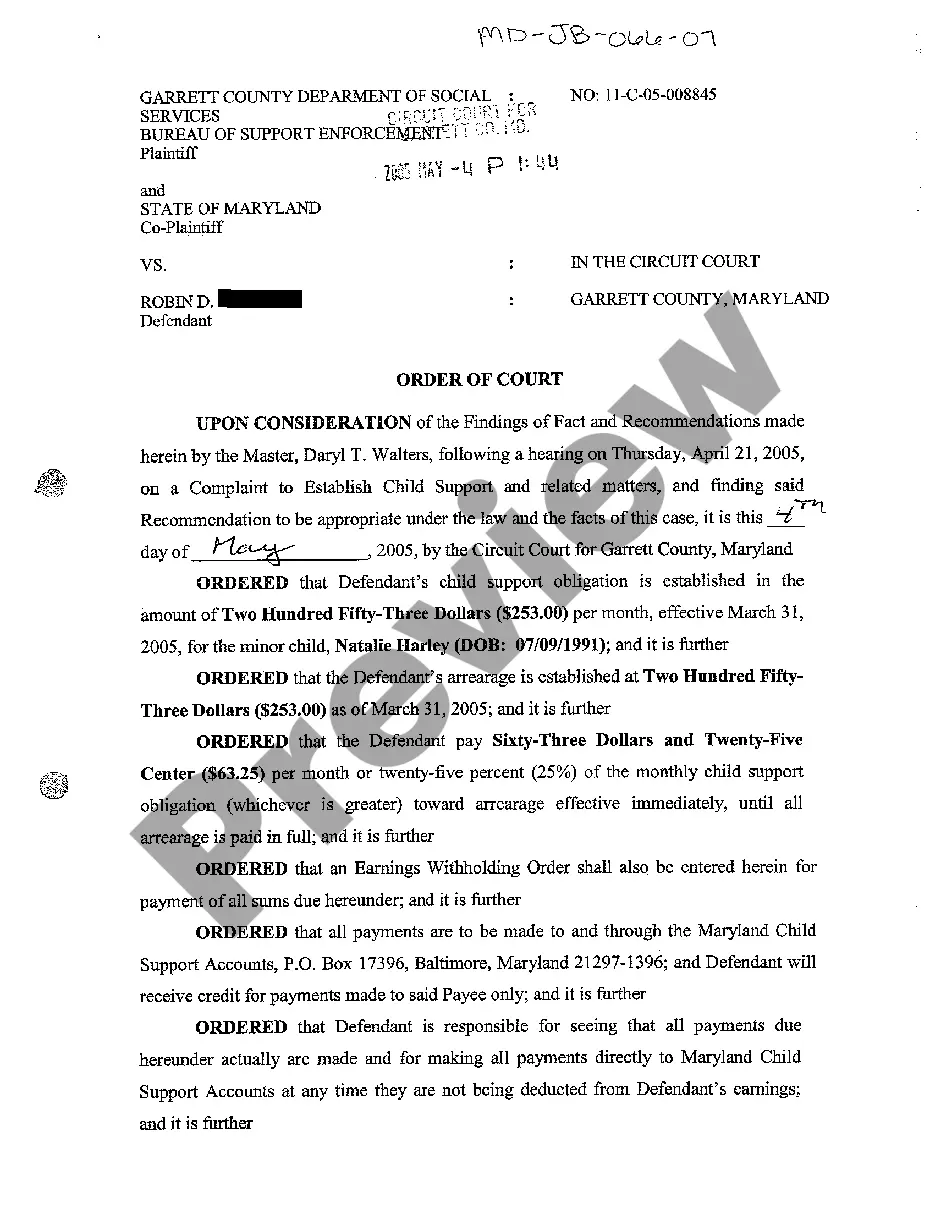
Kansas Letter from Tenant to Landlord containing Notice to landlord to cease retaliatory decrease in services
Understanding this form
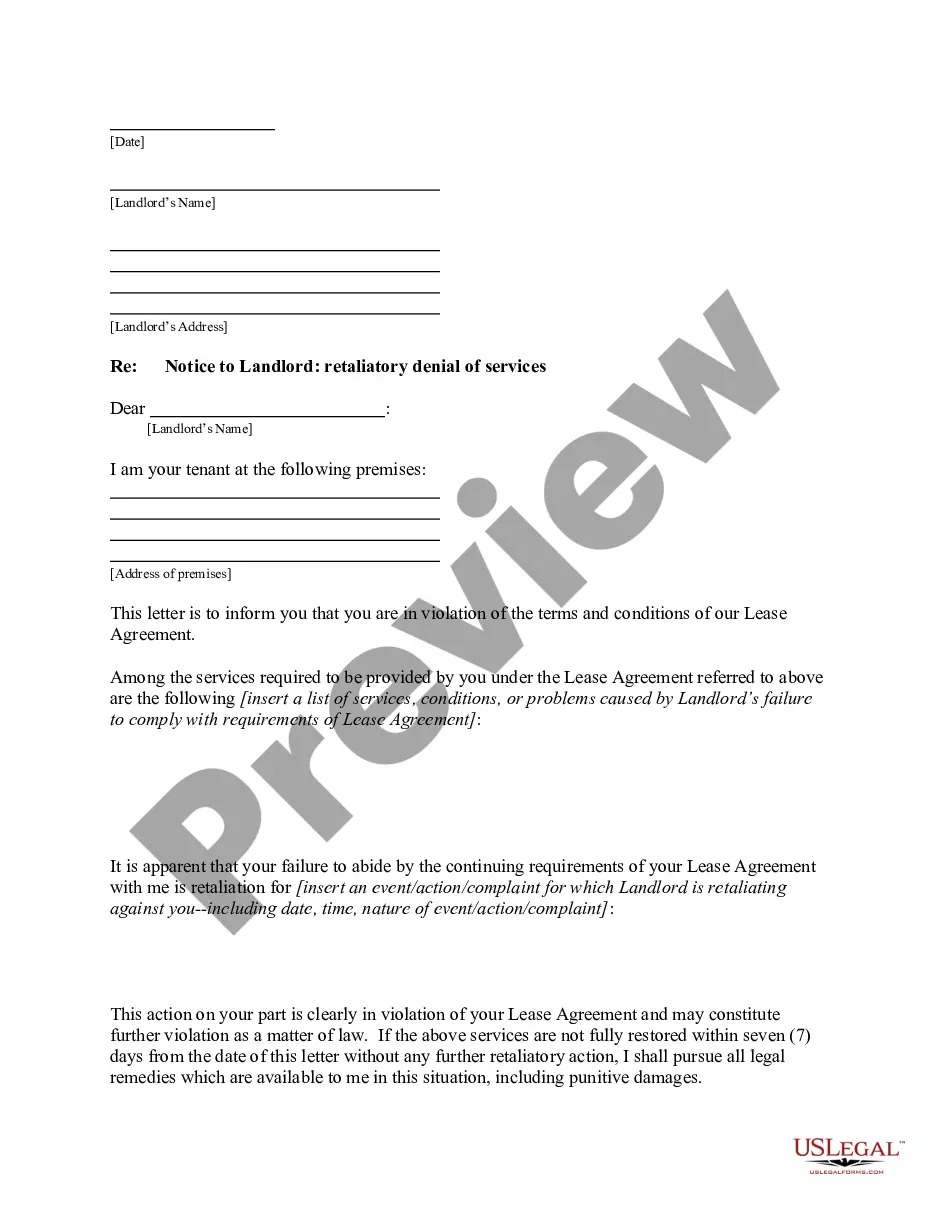
This letter from tenant to landlord serves as an official notice to the landlord to cease any retaliatory actions that result in a decrease in services as stipulated in the lease agreement. It highlights the tenant's claim that the landlord's failure to provide certain services is a form of retaliation for actions taken by the tenant. This form is crucial for tenants seeking to address violations of their lease agreement and protect their rights in a straightforward, documented manner.
Key components of this form
- Identification of the tenant and landlord information.
- Details of the specific services that have been denied.
- A statement of the claim regarding retaliatory actions by the landlord.
- A request for the landlord to cease such actions.
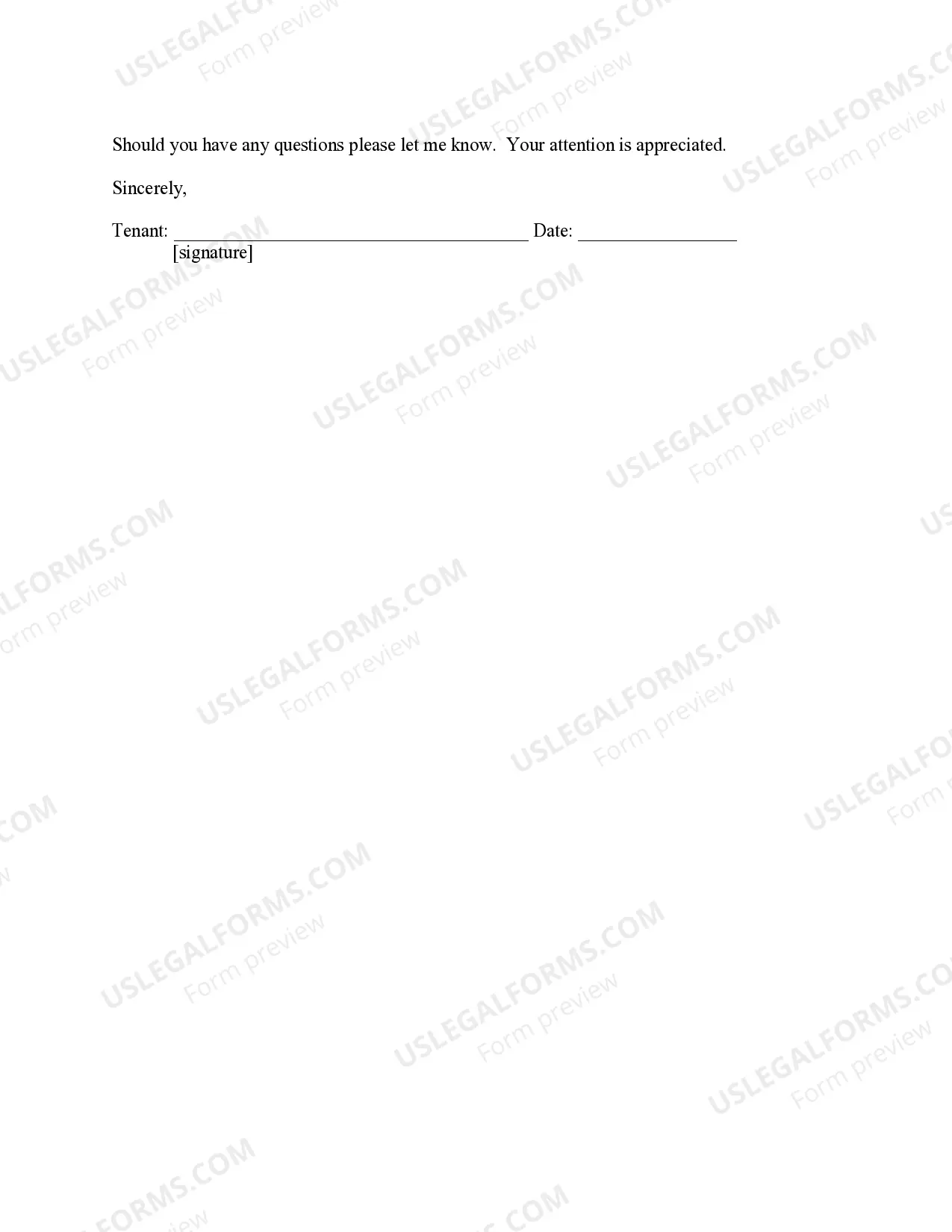
- Date of notice and tenant's signature for verification.

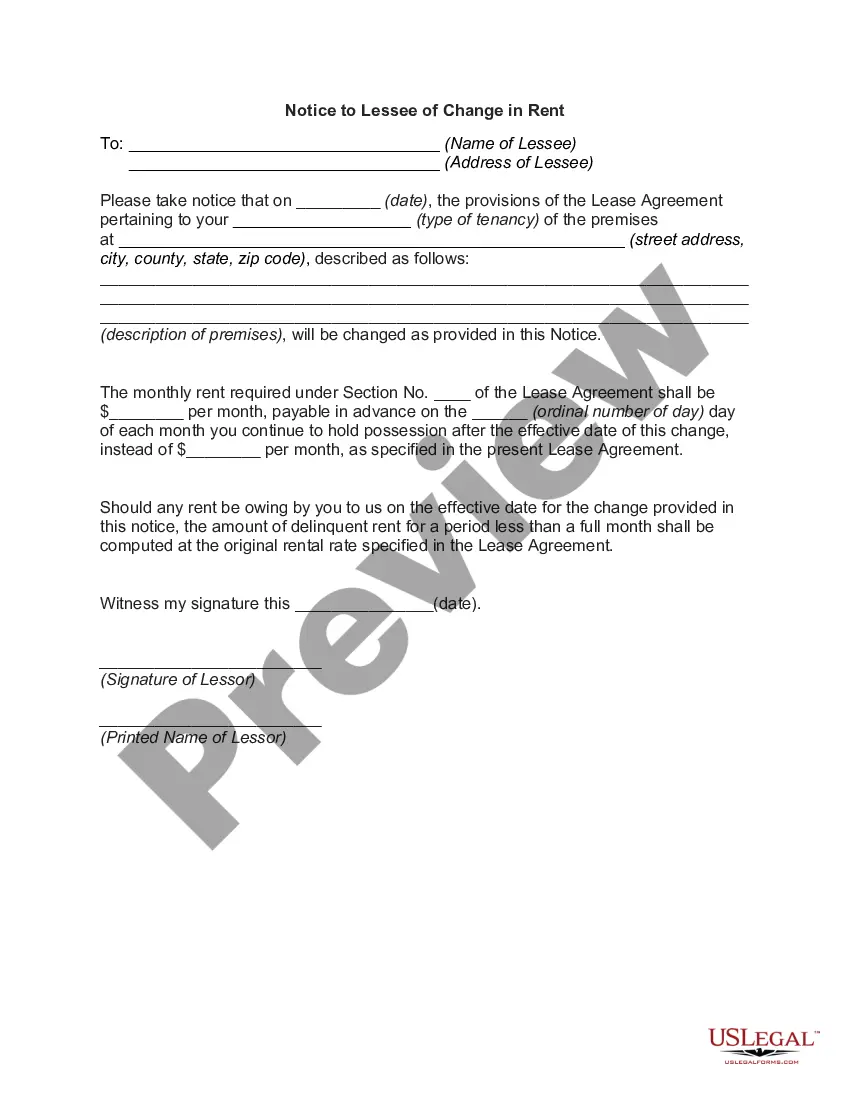

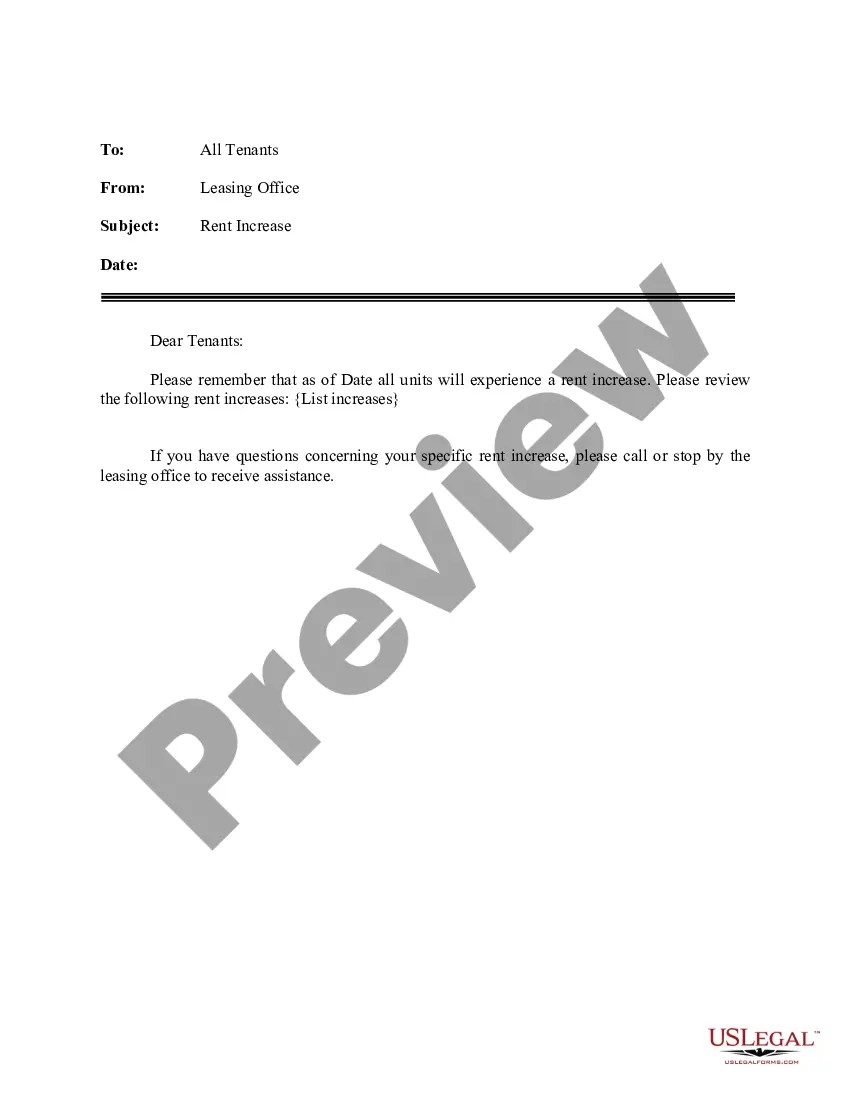

When to use this form
This form should be used when a tenant believes their landlord is retaliating against them by reducing or eliminating services outlined in their lease agreement. Common scenarios include situations where a tenant reports code violations, requests repairs, or engages in tenant advocacy and subsequently notices a decrease in essential services, such as heating, water, or maintenance. This letter acts as a formal notice and can escalate the issue toward resolution or legal action if necessary.
Intended users of this form
- Tenants experiencing a decrease in services from their landlord.
- Individuals who suspect retaliation based on their previous actions or complaints.
- Renters who wish to formally document their grievances before taking further legal steps.
How to complete this form
- Identify the parties: Enter the full names and contact information of both the tenant and the landlord.
- Specify the property: Clearly mention the address of the rental property involved.
- List the denied services: Enumerate the services or issues that the landlord has failed to provide.
- State the reason for the notice: Include a clear statement about the perceived retaliatory nature of the landlord's actions.
- Date the letter: Make sure to include the current date and provide the tenantâs signature to validate the document.
Does this form need to be notarized?
This form does not typically require notarization unless specified by local law. Ensure you check your state's regulations to confirm if notarization is necessary.
Get your form ready online
Our built-in tools help you complete, sign, share, and store your documents in one place.
Make edits, fill in missing information, and update formatting in US Legal Forms—just like you would in MS Word.
Download a copy, print it, send it by email, or mail it via USPS—whatever works best for your next step.
Sign and collect signatures with our SignNow integration. Send to multiple recipients, set reminders, and more. Go Premium to unlock E-Sign.
If this form requires notarization, complete it online through a secure video call—no need to meet a notary in person or wait for an appointment.
We protect your documents and personal data by following strict security and privacy standards.

Make edits, fill in missing information, and update formatting in US Legal Forms—just like you would in MS Word.

Download a copy, print it, send it by email, or mail it via USPS—whatever works best for your next step.

Sign and collect signatures with our SignNow integration. Send to multiple recipients, set reminders, and more. Go Premium to unlock E-Sign.

If this form requires notarization, complete it online through a secure video call—no need to meet a notary in person or wait for an appointment.

We protect your documents and personal data by following strict security and privacy standards.
Avoid these common issues
- Failing to provide specific details regarding the denied services.
- Not dating the letter, which can affect its validity.
- Using vague language that does not clearly express the nature of the grievance.
Why complete this form online
- Convenient access to the form anytime, eliminating the need for physical copies.
- Edit and customize the form easily based on personal circumstances.
- Reliable templates drafted by licensed attorneys ensure legal accuracy.
Legal use & context
- Using this letter can help protect tenant rights under various state landlord-tenant laws.
- It serves as a written record that may support future legal claims regarding retaliatory actions.
- Properly completing this form can demonstrate the tenant's proactive approach in addressing grievances.
What to keep in mind
- This letter addresses alleged landlord retaliation by notifying them of service reductions.
- Using this form helps tenants document their claims and assert their rights.
- Tenants must be clear and specific when describing the retaliatory actions.
Looking for another form?




Form popularity
FAQ
Write a letter to your landlord stating that you are aware of your rights as a tenant, that s/he is in clear violation of the law, and that you want the situation remedied with no further harassment. Keep a copy of the letter; it will be good evidence if you have to take the landlord to court later.
Invest in the right properties. There's a saying in real estate that you make your money when you buy. Purchase good insurance. Meticulously screen tenants. Streamline rent collection. Partner with the right professionals. Keep good records. Supercharge your ROI.
The landlord had a duty to reasonably maintain the property; The landlord knew or should have known of the dangerous condition; The landlord breached their duty by failing to repair/fix the dangerous condition;
Benefits of Suing Your Landlord Filing a lawsuit does have some potential advantages for tenants. Could Motivate a Landlord to Settle Outside of Court: Notifying your landlord of your intention to sue him or her could motivate your landlord to do everything in their power to avoid actually going to court.
The 14-day/30-day notice must say how the tenant is breaching the lease and that the lease will automatically terminate 30 days (or more) from the date of the notice unless the tenant fixes the problem within 14 days of the date of the notice.
If you're seeking damages for emotional distress caused by a landlord's discrimination, or punitive damages for especially blatant and intentional discrimination, a lawsuit may well be your best bet. Understand what's involved in suing your landlord. You may file a lawsuit in either federal or state court.
Know your state's landlord/tenant laws. Read and respond to the court summons. Try to work out a settlement. Consider legal counsel. Show up for court. Look sharp and provide evidence.
If your landlord breaches the warranty of habitability or the warranty of quiet enjoyment, you may be able to sue her to recover monetary damages.In some states, such as California and Arizona, you may be able to seek emotional distress damages if the landlord's actions were particularly egregious.