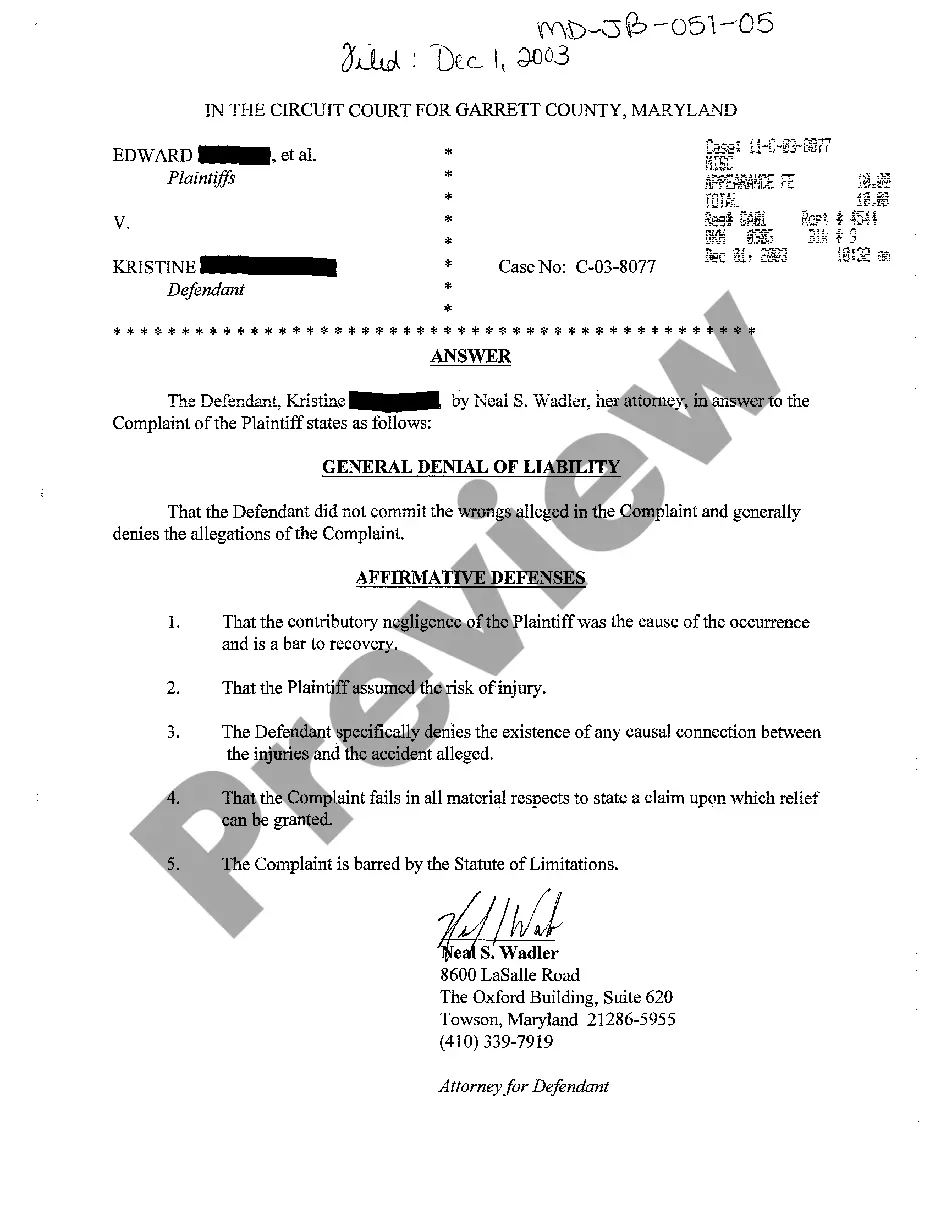
Kansas Letter from Tenant to Landlord containing Notice that heater is broken, unsafe or inadequate and demand for immediate remedy
About this form
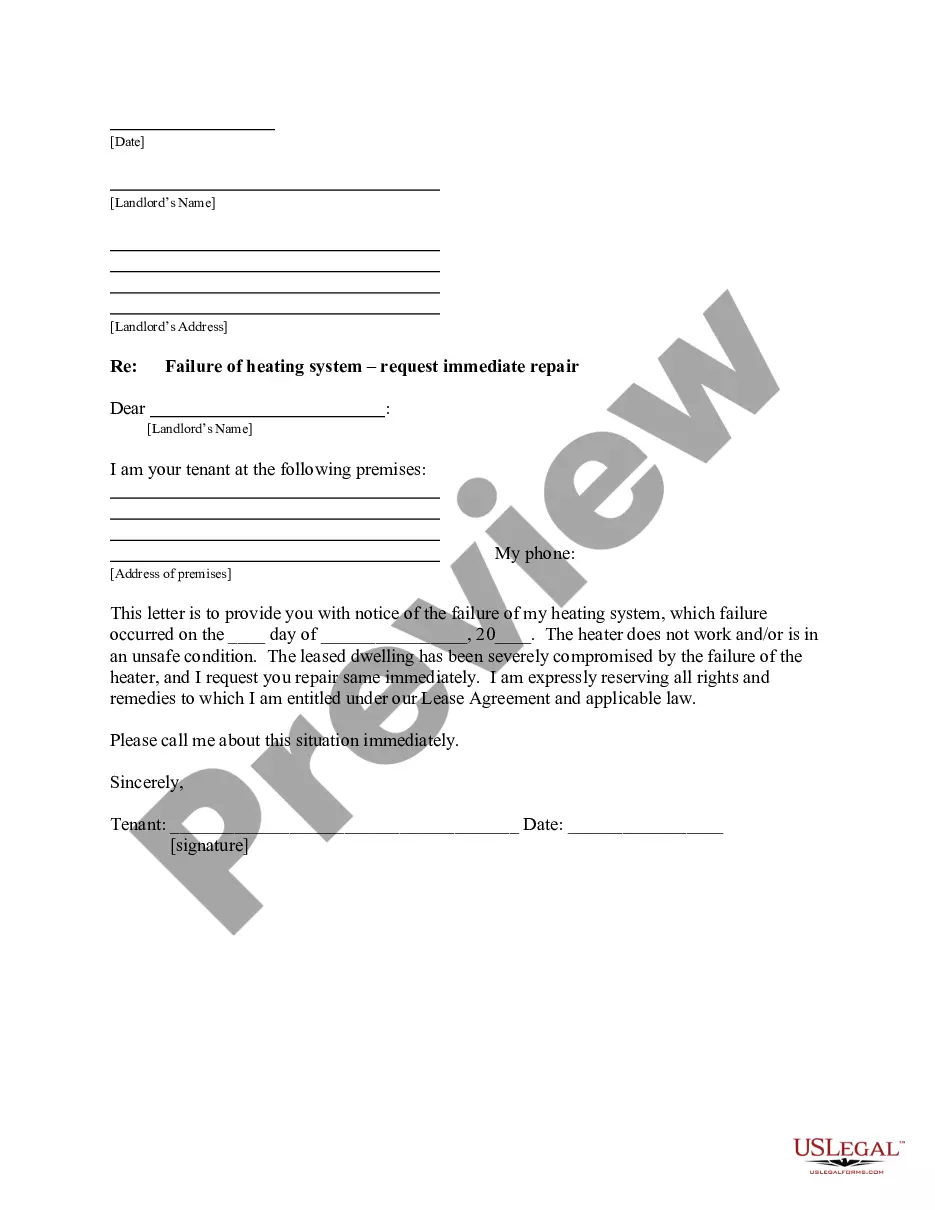
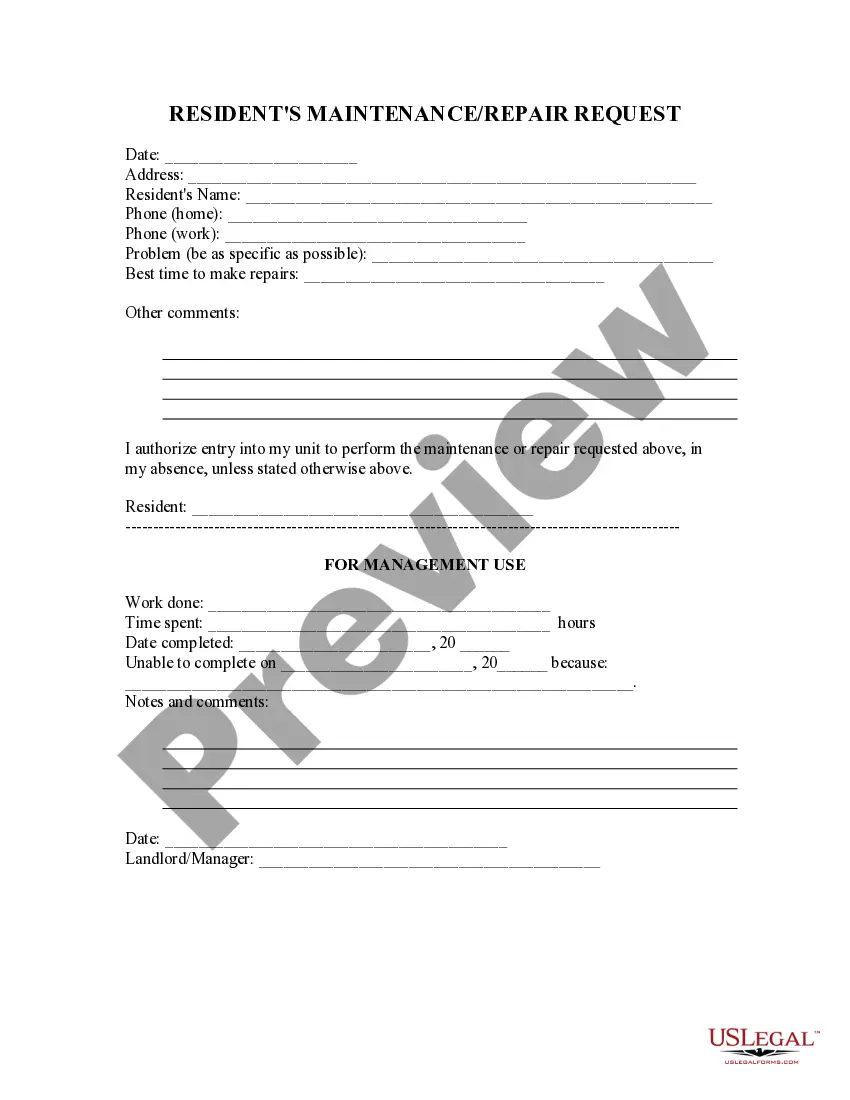
This form is a Letter from Tenant to Landlord containing Notice that the heater is broken, unsafe or inadequate and demand for immediate remedy. It serves as a formal notification from a tenant to the landlord about issues with the heating system in the leased premises. The letter highlights the landlord's failure to maintain a habitable property, as required by law, and demands prompt repairs. This form is essential for tenants seeking to address heating-related problems while ensuring they document their requests properly.
Key components of this form
- Tenant's contact information
- Landlord's contact information
- A detailed description of the heating issue
- A statement of the landlord's breach of duty
- A demand for immediate remedy
- Signature of the tenant and date



When to use this form
This form should be used when a tenant experiences issues with the heating system in their rental property. Common scenarios include situations where the heater has completely stopped working, is emitting dangerous fumes, or operates inefficiently, resulting in inadequate heating. It is crucial to document these issues formally to protect the tenant's rights and ensure timely resolution by the landlord.
Who should use this form
- Any tenant experiencing heating problems in their rental unit
- Individuals seeking to ensure that their landlord is aware of and addresses safety issues
- Tenants who wish to formally document their repair requests
- Renters in states where specific laws require notification of maintenance issues
Instructions for completing this form
- Identify the tenant and landlord by entering their respective contact details.
- Clearly describe the heating issue, specifying its nature and urgency.
- Include a statement regarding the landlord's legal obligations and any relevant local laws.
- State your demand for an immediate remedy to the heating issue.
- Sign and date the form to validate your request.
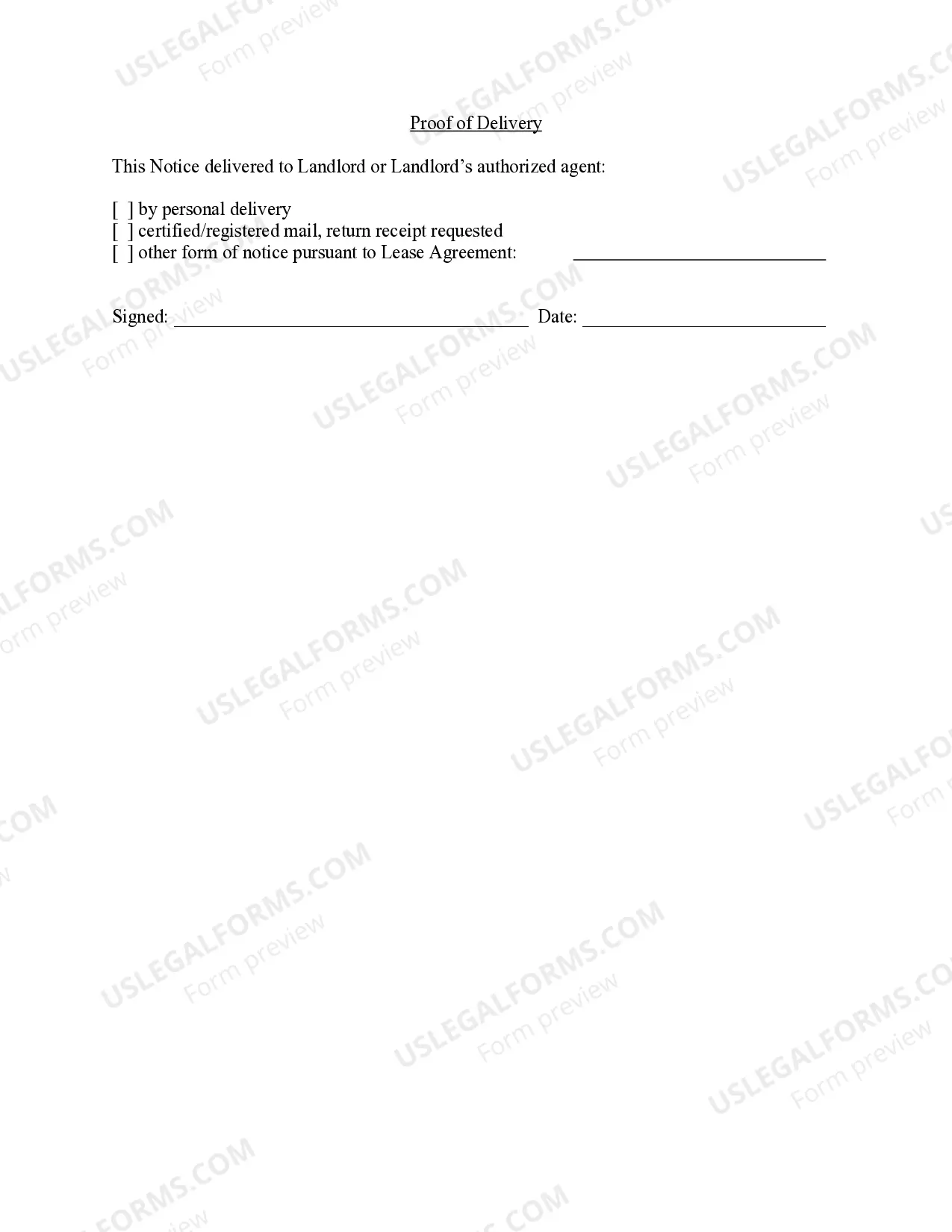
- Choose a delivery method to ensure the landlord receives the notice, such as personal delivery or certified mail.
Does this document require notarization?
This form usually doesn’t need to be notarized. However, local laws or specific transactions may require it. Our online notarization service, powered by Notarize, lets you complete it remotely through a secure video session, available 24/7.
Get your form ready online
Our built-in tools help you complete, sign, share, and store your documents in one place.
Make edits, fill in missing information, and update formatting in US Legal Forms—just like you would in MS Word.
Download a copy, print it, send it by email, or mail it via USPS—whatever works best for your next step.
Sign and collect signatures with our SignNow integration. Send to multiple recipients, set reminders, and more. Go Premium to unlock E-Sign.
If this form requires notarization, complete it online through a secure video call—no need to meet a notary in person or wait for an appointment.
We protect your documents and personal data by following strict security and privacy standards.

Make edits, fill in missing information, and update formatting in US Legal Forms—just like you would in MS Word.

Download a copy, print it, send it by email, or mail it via USPS—whatever works best for your next step.

Sign and collect signatures with our SignNow integration. Send to multiple recipients, set reminders, and more. Go Premium to unlock E-Sign.

If this form requires notarization, complete it online through a secure video call—no need to meet a notary in person or wait for an appointment.

We protect your documents and personal data by following strict security and privacy standards.
Common mistakes to avoid
- Failing to provide complete contact information for both tenant and landlord.
- Not being specific about the nature of the heating issue.
- Omitting the date of the notice or the tenant's signature.
- Neglecting to send the notice through a traceable delivery method.
Advantages of online completion
- Convenience of downloading and filling out the form at your own pace.
- Editability allows you to customize the form with specific details easily.
- Reliable templates designed by licensed attorneys to meet legal standards.
- Immediate access without the need for scheduling appointments or consultations.
Looking for another form?



Form popularity
FAQ
Can a landlord keep turning up unannounced? A. Landlords have a statutory right of entry to the rental property for inspection and repairs. If essential maintenance is needed, the landlord can gain entry as and when required.
1 month's notice if your tenancy runs from month to month. 4 weeks' notice if your tenancy runs from week to week. If you live with your landlord. You don't have to give a set amount of notice (unless your tenancy agreement says otherwise).
Weekly tenancyThe tenant or landlord must give one week of notice.
If you disagree with the landlord/agent about reasonable access, apply to the Tribunal for an order to specify or limit the days and times on which they can show the premises. If you refuse access, the landlord/agent can apply to the Tribunal for an order that authorises them or any other person to enter the premises.
They have to give you at least 28 days notice, but this could be longer depending on your agreement. If you don't leave by the time your notice ends, your landlord has to go to court to get a court order to make you leave.
Answer. Tenants have the right to "quiet enjoyment" of their home. Unless there is an emergency, your landlord or their agent must give you at least 24 hours' notice if they intend to visit.Apart from genuine emergencies, landlords cannot enter a tenant's home without their consent unless they have a court order.
The Housing Act clearly states the landlord must give the tenant two months written notice (normally by Section 21, this is different to the Section 21 Notice during a fixed term), however, a tenant can give notice by way of the same way they pay rent.
If you've been given notice since 29 August 2020, your landlord must give you 6 months to leave. You might have to leave much sooner if you're evicted using a section 8 notice, depending on the reason for eviction.at least 6 months for any notice given on or after 24 July 2020.
Kansas landlords must provide tenants with a 30-Day Notice to Comply, giving the tenant 14 days to correct the issue. If the issue isn't corrected within 14 days, the tenant will be required to move out at the end of the 30 day notice period.