What is an entry of appearance in legal proceedings?
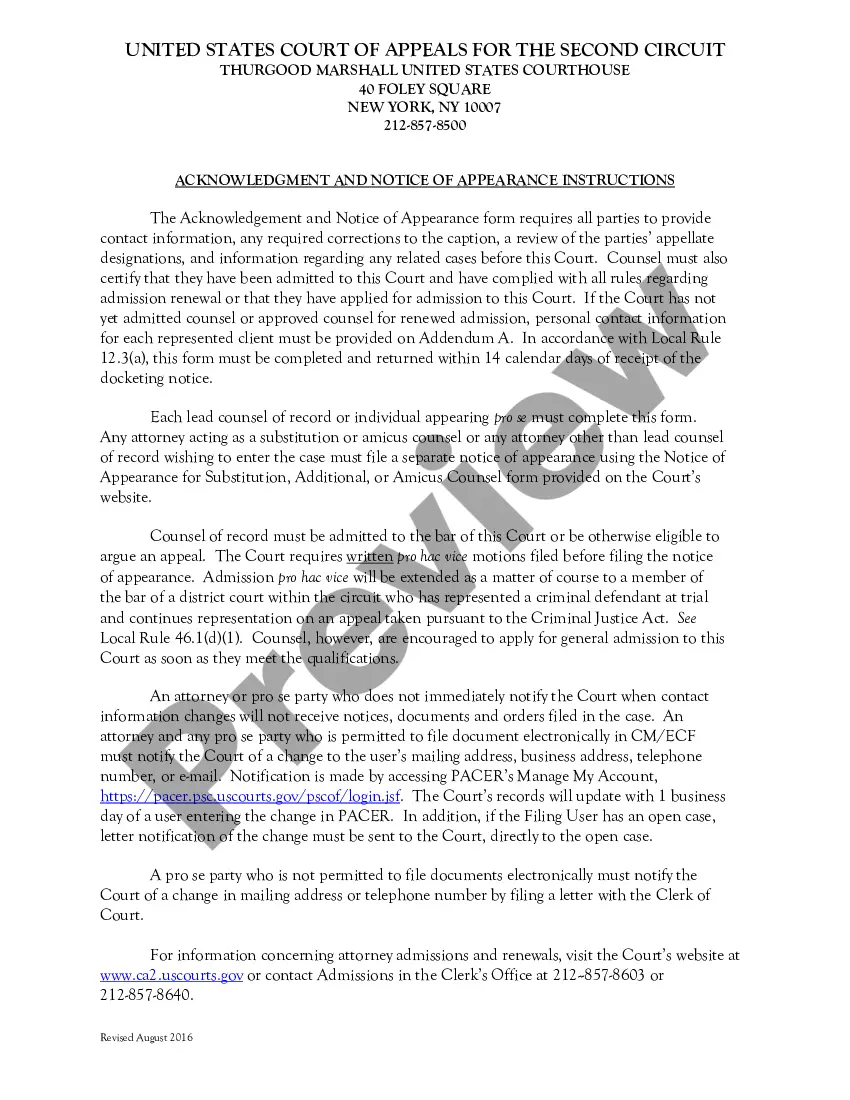
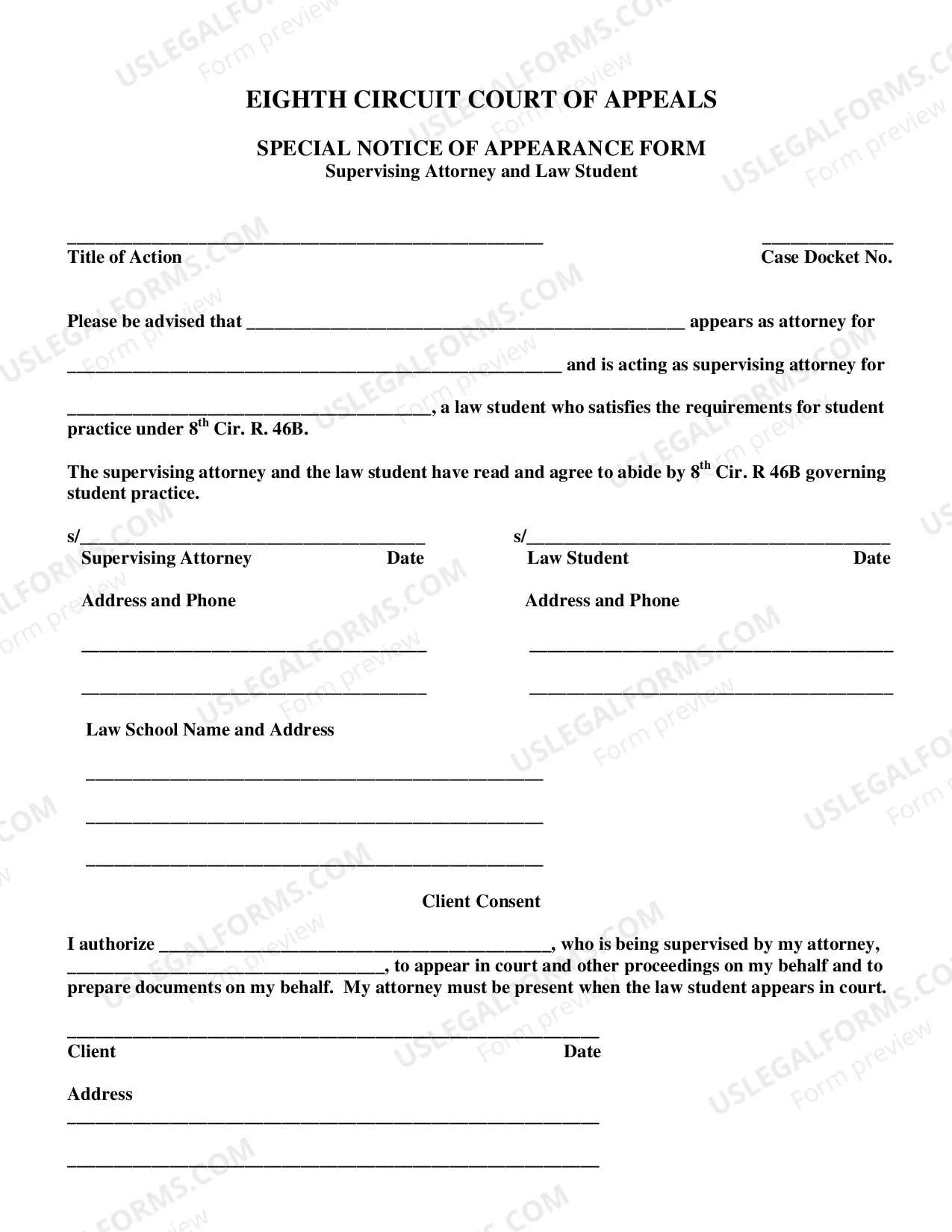
An Entry of Appearance is a formal document filed by an attorney to announce their representation of a client in a legal proceeding. This document notifies the court and other parties involved in the case that the attorney is acting on behalf of the client, ensuring that all future communications and court notices are directed to the attorney rather than the client. It is a crucial step in the legal process, indicating the attorney's role and protecting the client's rights.
Who should use this form
This form is typically used by attorneys who are representing individuals or entities in legal matters. It is essential for any lawyer entering a case to notify the court formally. Clients, such as individuals or businesses facing legal actions, will rely on their attorneys to file this document to ensure that their interests are represented properly.
Legal use and context
The Entry of Appearance is commonly used in various legal contexts, including civil litigation, family law cases, and administrative proceedings. Filing this document is typically required by the court rules in many jurisdictions when an attorney begins representation in a case. By doing so, it enables the attorney to receive all relevant legal documents and notifications pertaining to the case, thereby streamlining the legal process.
Key components of the form
The Entry of Appearance typically includes several essential components, such as:
- Name of the attorney entering the appearance
- Name of the client being represented
- Case number and title of the case
- Date of filing
- Signature of the attorney
Including all these elements helps to ensure the document is complete and serves its intended purpose effectively.
Common mistakes to avoid when using this form
When completing an Entry of Appearance, it's important to avoid some common mistakes that can undermine its effectiveness:
- Failing to include the correct case number
- Omitting the client's name or information
- Not signing the document
- Using incorrect formatting or language
Double-checking these details can prevent unnecessary delays or complications in the legal process.
What documents you may need alongside this one
In addition to the Entry of Appearance, you may need to prepare or gather several accompanying documents. These can include:
- Power of Attorney (if applicable)
- Any prior court documents relevant to the case
- Proof of service or notification to other parties
Having these documents ready can help ensure a smooth entry into the case and affirm the attorney's presence in legal proceedings.