What is admission of paternity and how does it work?
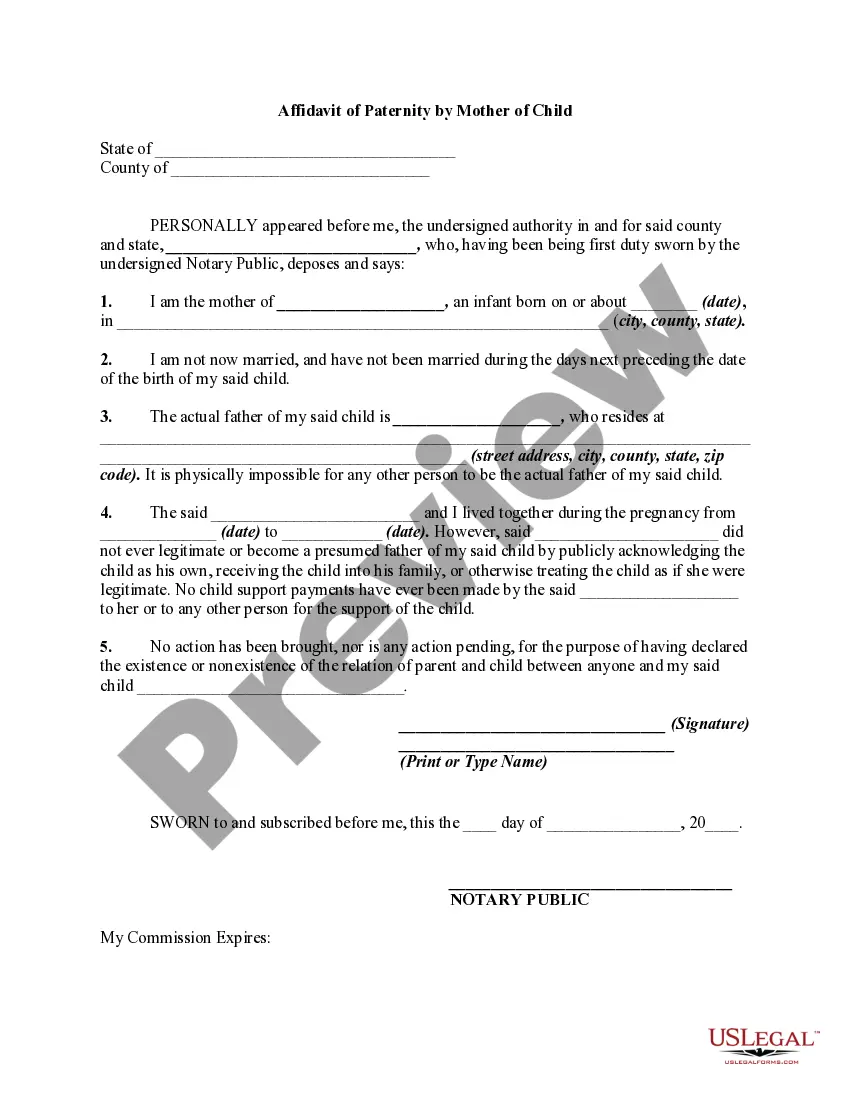
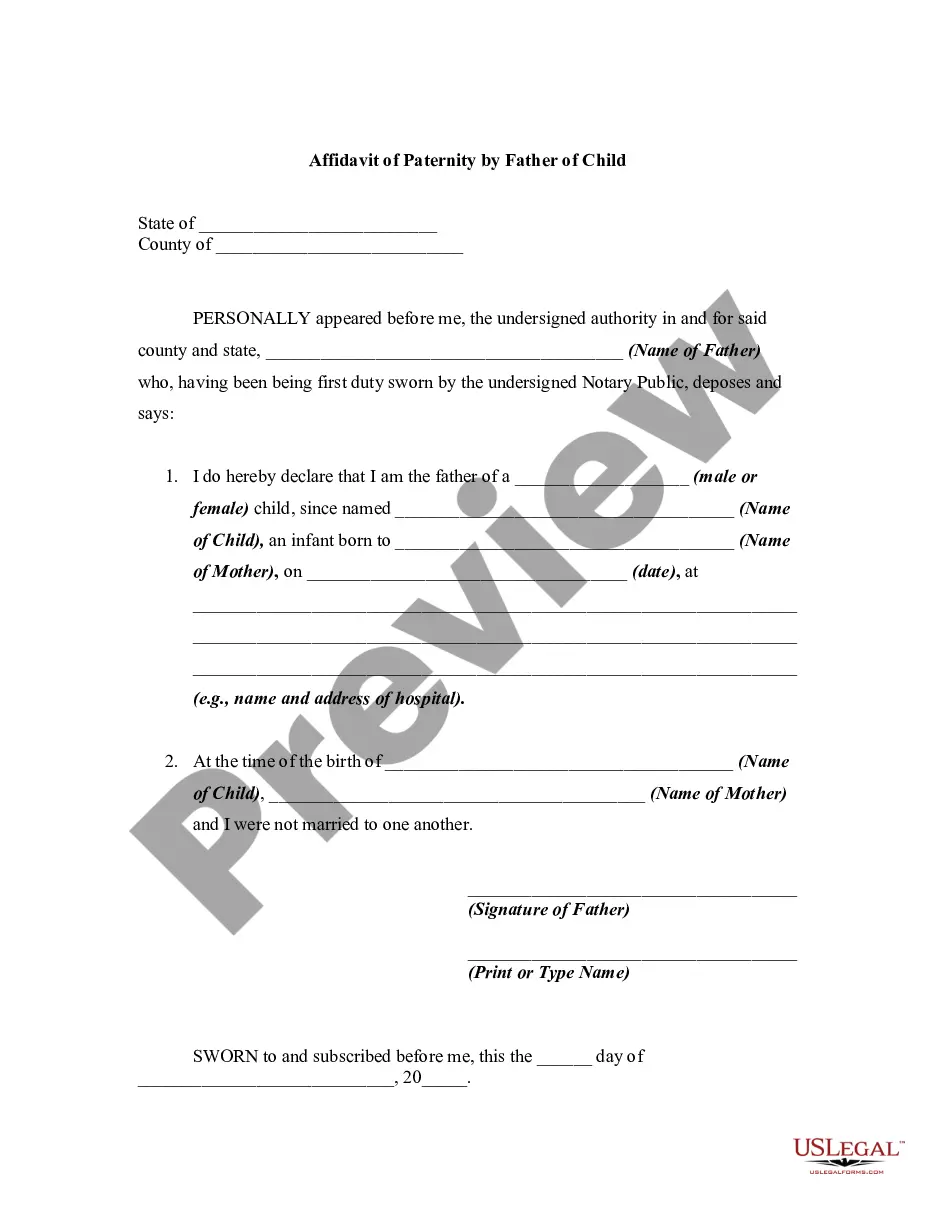
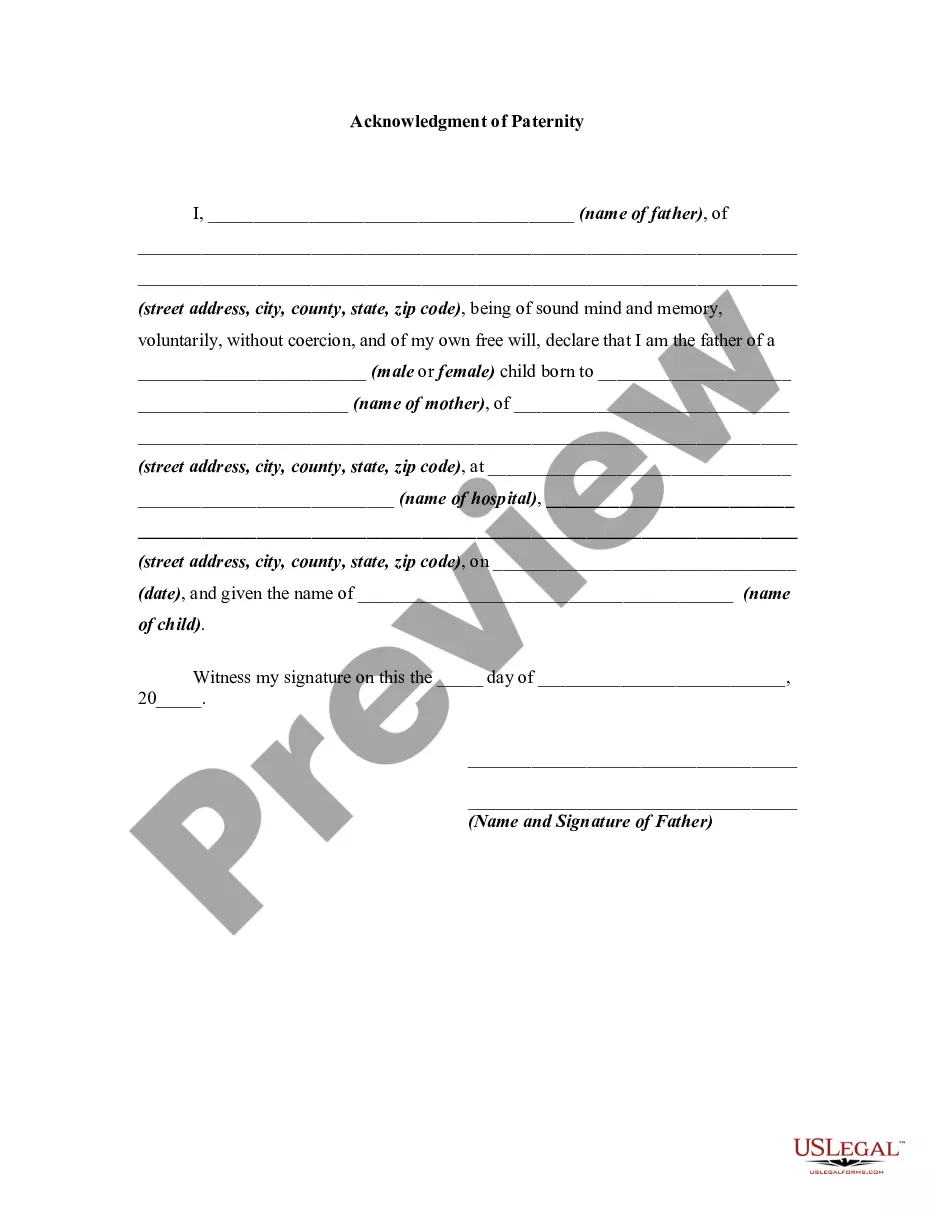
An admission of paternity is a legal document that establishes a father’s acknowledgment of their biological child. This form is used to confirm and formalize the relationship between the father and child, typically used in situations where legal acknowledgment is necessary for matters like custody, support, or inheritance.
Who should use this form
This form should be utilized by individuals who wish to legally confirm their status as the father of a child. It can be relevant for unmarried parents seeking to establish paternity, or for parents needing to address issues of child support, custody, or visitation rights.
Legal use and context
An admission of paternity serves multiple legal purposes. It can be used in family law cases to establish a father’s rights and responsibilities. Furthermore, it may be required by courts when determining child support obligations or for issues related to inheritance and parental rights. Understanding the legal context can help individuals navigate family law more effectively.
How to complete a form
Filling out an admission of paternity requires attention to detail. Follow these steps:
- Identify the petitioner and respondent by providing their names.
- State the name of the child and their date of birth.
- Indicate whether a hearing for support is requested.
- Sign and date the form before a notary.
Ensure that all information is accurate to avoid complications in the future.
What documents you may need alongside this one
When filing an admission of paternity, you may need additional documentation, such as:
- Birth certificate of the child
- Identification of both parents
- Any relevant court orders related to custody or support
Having these documents ready can streamline the process and help settle any confusions regarding paternity.
Key takeaways
The admission of paternity is crucial for establishing a legal connection between a father and child. This document aids in navigating rights and responsibilities related to parenting. Always ensure the form is completed correctly to uphold the legal standing of the admission.