What is a waiver of lien? Understanding its implications
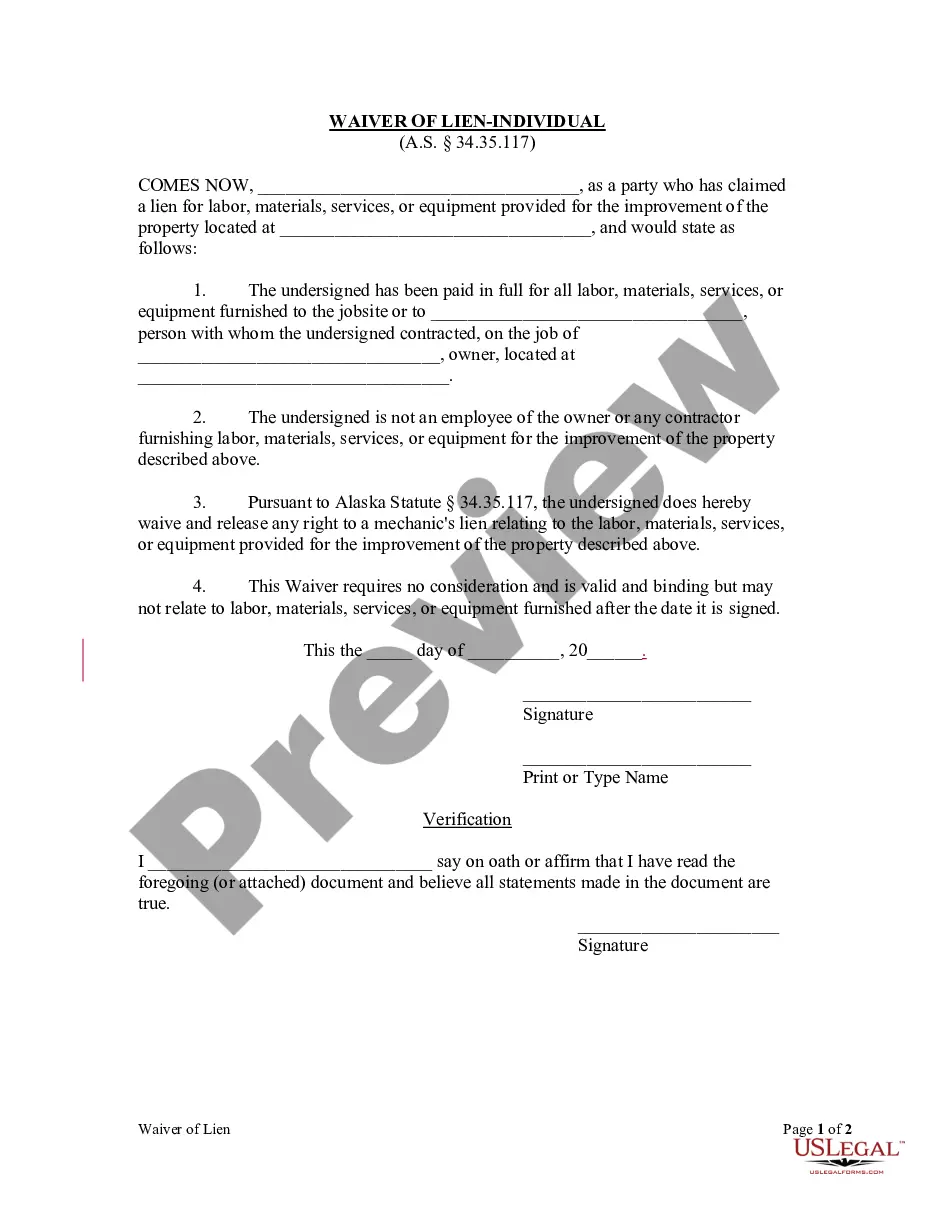
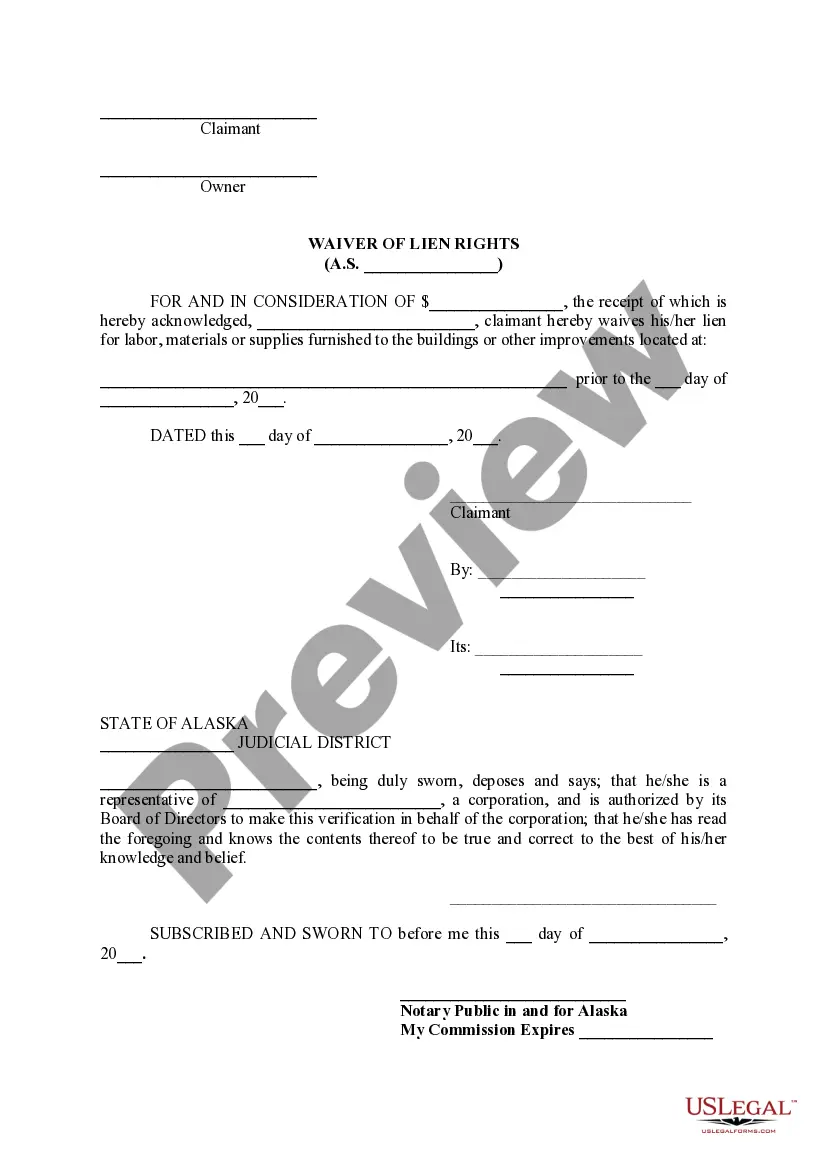
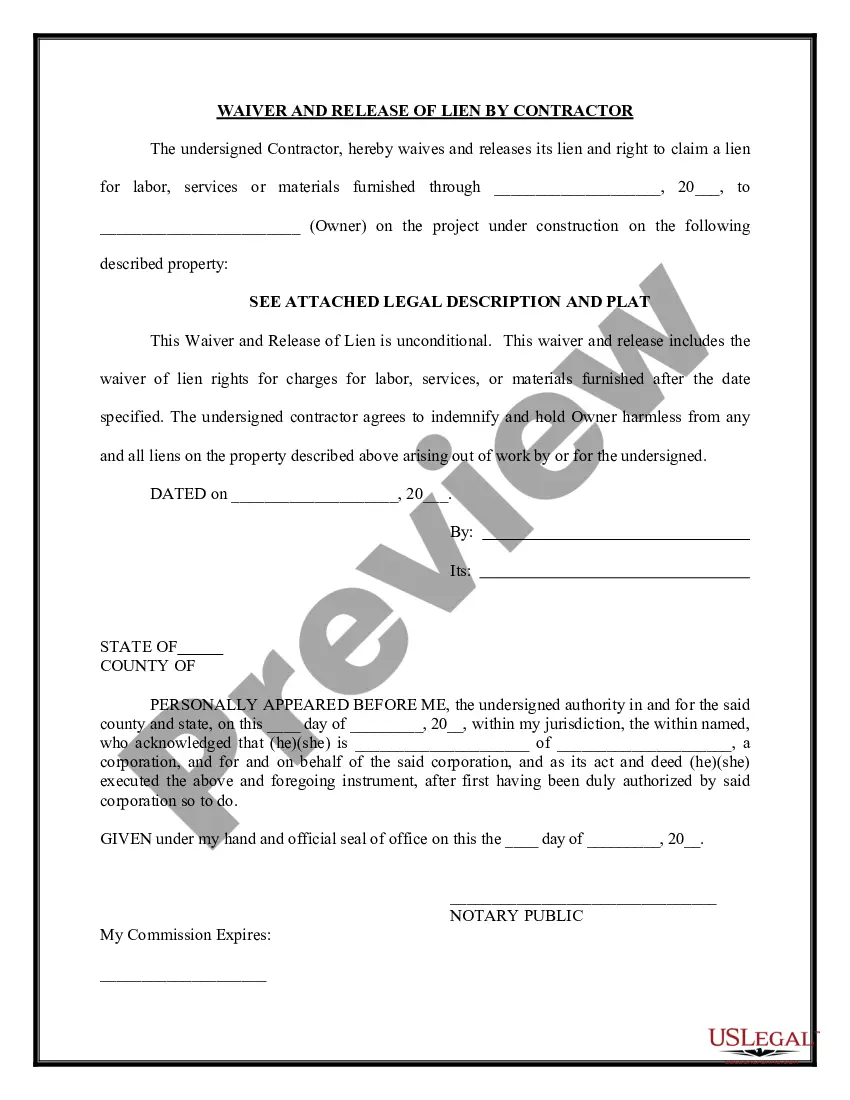
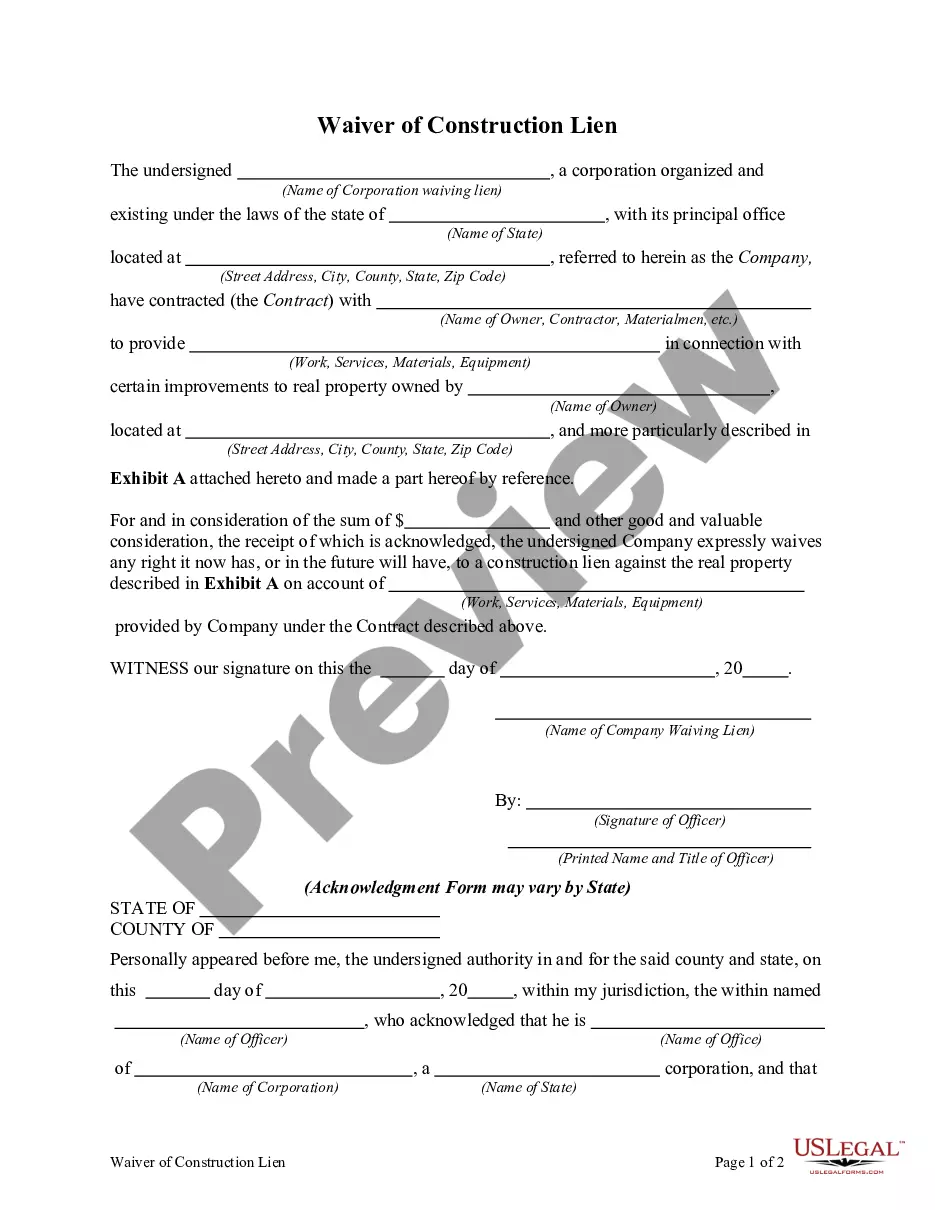
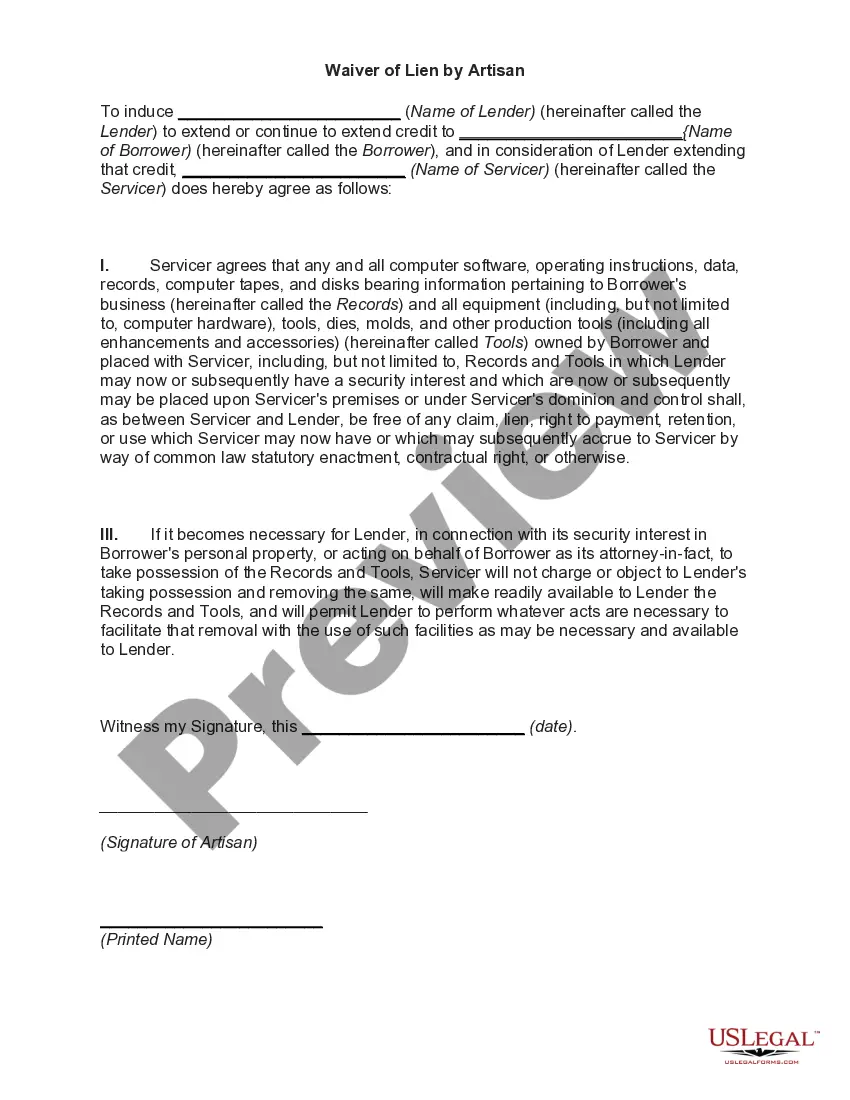
A waiver of lien is a legal document used primarily in construction projects. It serves to relinquish the right to file a lien on a property for unpaid work or materials provided. By signing this form, the contractor or subcontractor acknowledges that they have received payment for the services rendered and agree to waive any future claims against the property.
How to complete a form
Completing a waiver of lien form involves several steps:
- Identify the parties: Clearly state the names and addresses of both the contractor and the property owner.
- Specify the amount: Indicate the dollar amount received in exchange for waiving the lien.
- Description of services: Provide a detailed description of the labor, materials, or services supplied.
- Legal description of property: Include the exact legal description of the property involved.
- Date and signatures: Ensure all parties sign and date the document, and have it notarized.
Who should use this form
This form is typically used by contractors, subcontractors, and suppliers in the construction industry. It is particularly relevant for individuals or businesses that have provided labor, materials, or services but have received full payment for their work. By using this form, they can protect their business relationships and promote goodwill with property owners.
Legal use and context
The waiver of lien is often used in the context of construction projects to avoid disputes and maintain project cash flow. It is crucial during the payment process, as it formally eliminates the contractor's right to claim a lien on the property for the specified amount. This form is vital in protecting property owners from potential lien claims after making a full payment, thus encouraging timely payments and helping avoid legal complications.
Common mistakes to avoid when using this form
When completing a waiver of lien, it's important to be cautious to avoid these common errors:
- Incomplete information: Ensure all required details, such as names, amounts, and property descriptions, are filled in accurately.
- Incorrect notarization: Failure to have the document properly notarized can render it invalid.
- Forgetting signatures: Both parties must sign the form for it to be enforceable.
- Using outdated forms: Always use the most current version of the waiver of lien to ensure compliance with local laws.
What to expect during notarization or witnessing
When a waiver of lien is notarized, the notary public verifies the identities of the signatories and ensures that they are signing the document voluntarily. Users should prepare the following:
- Identification: Have valid government-issued identification ready.
- Complete forms: Ensure the waiver is fully completed beforehand, except for signatures.
- Presence: All parties involved in the waiver must be present for the notarization.
Key takeaways
In summary, a waiver of lien is a crucial document in the construction field that protects both contractors and property owners. It should be completed accurately and notarized to ensure its legality. Avoid common mistakes to maintain its validity, and understand its importance in the payment process to foster healthy business relations.