What Is a Summons? Understanding the Basics and Importance
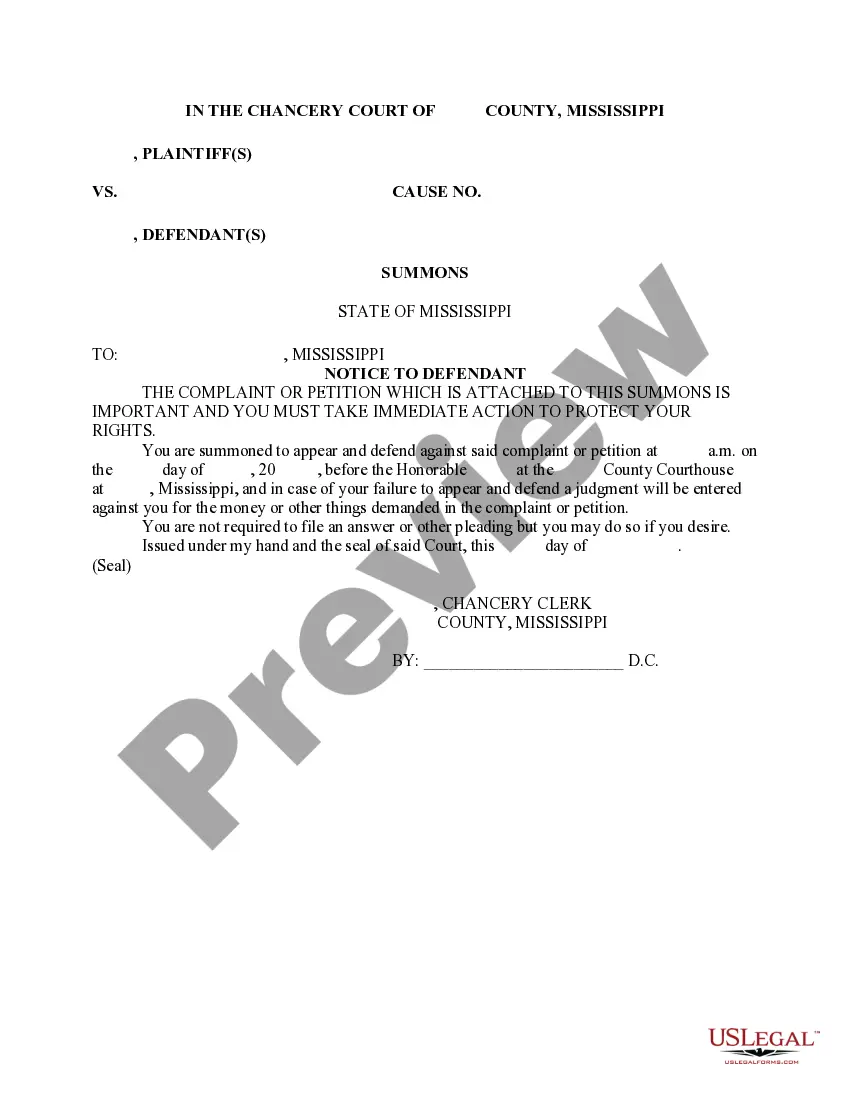
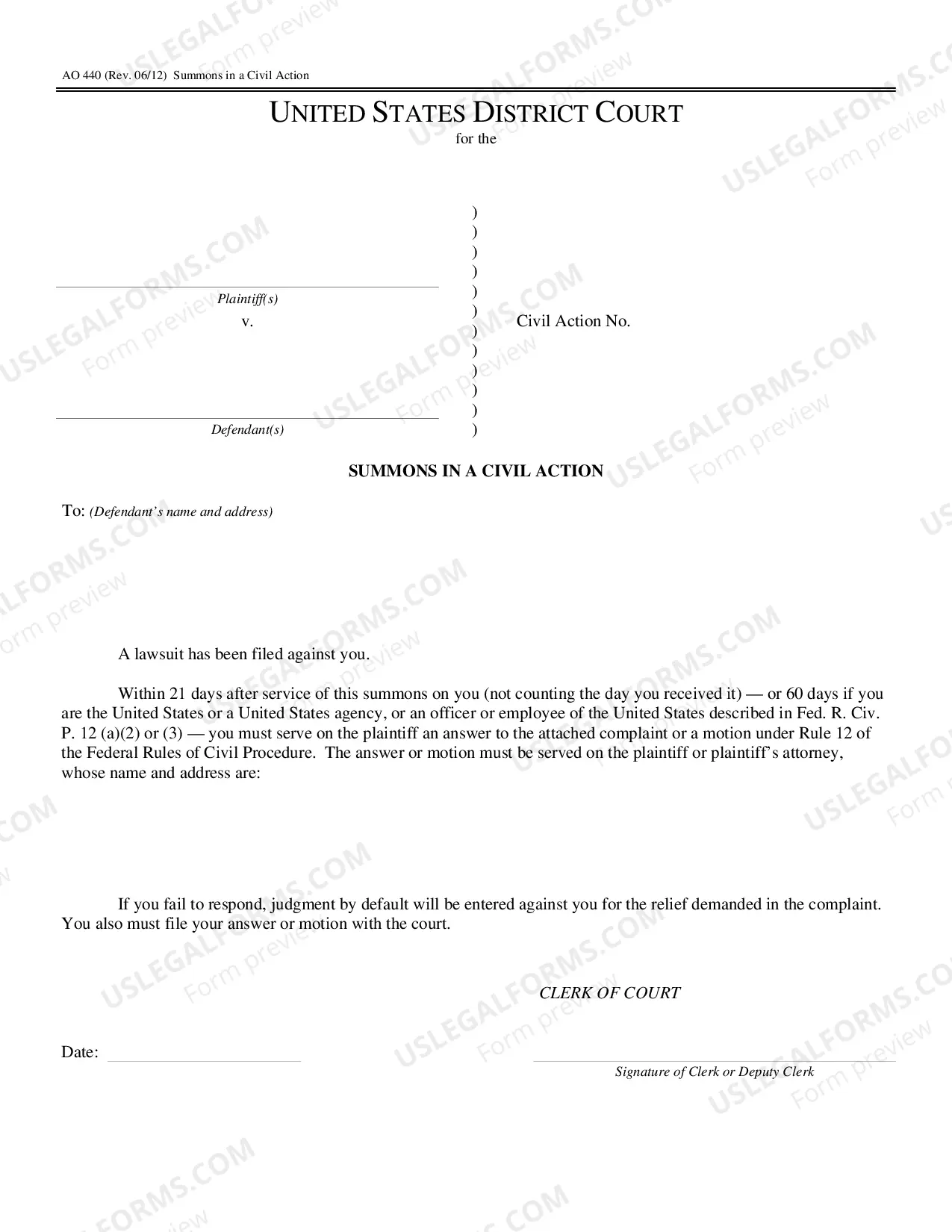
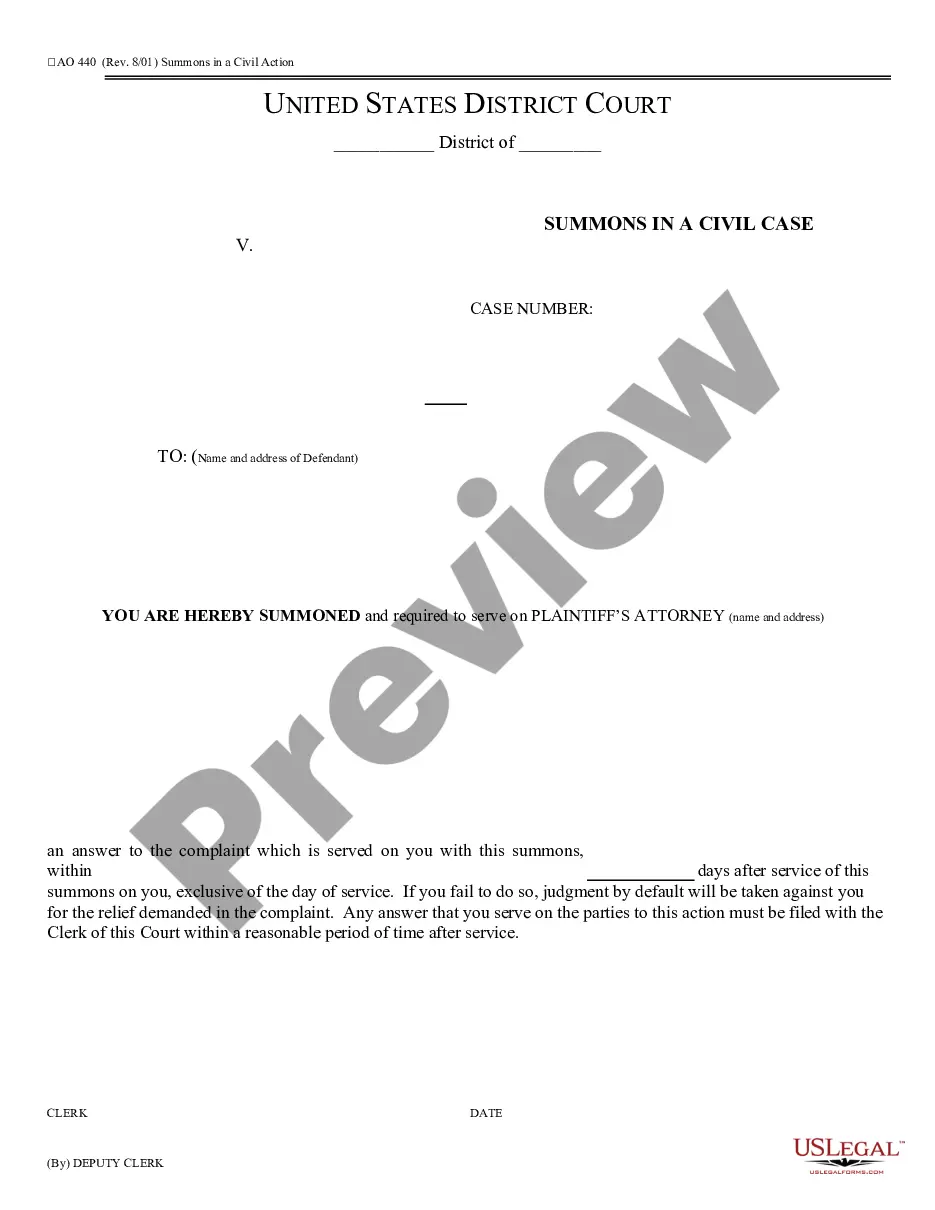
A summons is a legal document issued by a court that notifies an individual that they are required to appear in court. This document typically outlines the nature of the case, the parties involved, and the time and place of the court appearance. Understanding a summons is essential, as it informs the recipient of their legal obligations and rights regarding the impending court proceedings.
Who should use this form
A summons is generally used in civil and criminal cases. It is typically issued by a plaintiff to notify a defendant of a legal action being taken against them. If you are a plaintiff seeking to initiate legal proceedings or a defendant who has received a summons, you must understand how to respond appropriately. This form is crucial for anyone involved in litigation to ensure that the legal process is followed correctly.
How to complete a form
Completing a summons form involves several key steps:
- Identify the correct court—Ensure that the summons is issued from the appropriate court.
- Fill in the plaintiff and defendant details—Include the names and addresses of all parties involved.
- Specify the case number—If applicable, include the assigned case number for reference.
- Detail the court appearance—State the date, time, and location where the defendant must appear.
- Sign the document—The form must be signed by the issuing authority, such as a clerk of the court.
Ensure all information is accurate to avoid any delays or complications in the legal process.
Key components of the form
A standard summons includes the following essential elements:
- Court information: The name and location of the court issuing the summons.
- Case details: Information about the case, including the case number and type of action.
- Parties involved: Names, addresses, and other identifying information of the plaintiff(s) and defendant(s).
- Instructions for the defendant: Clear directions regarding the defendant's required actions, including the deadline for response.
- Signature: The official signature of the court clerk or the judge.
Understanding these components helps ensure that all necessary information is provided accurately.
Common mistakes to avoid when using this form
When completing or using a summons, be mindful of potential mistakes:
- Failing to include all required parties—Ensure that all plaintiffs and defendants are properly named.
- Incorrect dates or times—Double-check that all dates and times listed are accurate.
- Missing signature—A summons is not valid without the signature of the court clerk or judge.
- Not providing sufficient details—Be clear and thorough in outlining the nature of the case and the required response.
Avoiding these common pitfalls can streamline the legal processes and prevent unnecessary complications.
Key takeaways
A summons is an essential legal document that initiates court proceedings by notifying individuals of their required appearance in court. It is crucial for both plaintiffs and defendants to understand the document's requirements, including:
- The importance of accurately completing the form.
- Knowing who must use the form and in what context.
- Avoiding common mistakes to ensure validity and compliance.
Being informed about these aspects helps individuals navigate the legal system more effectively.