What Is a summons? Essential Information for Your Case
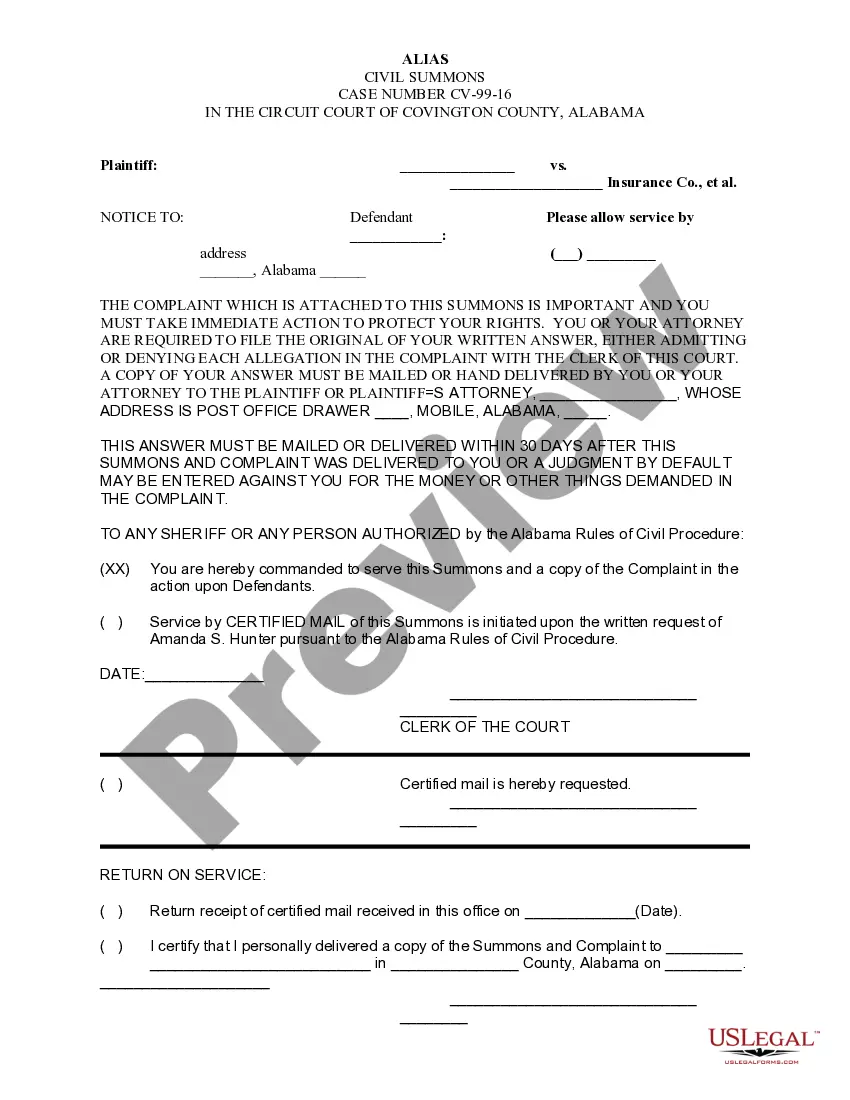
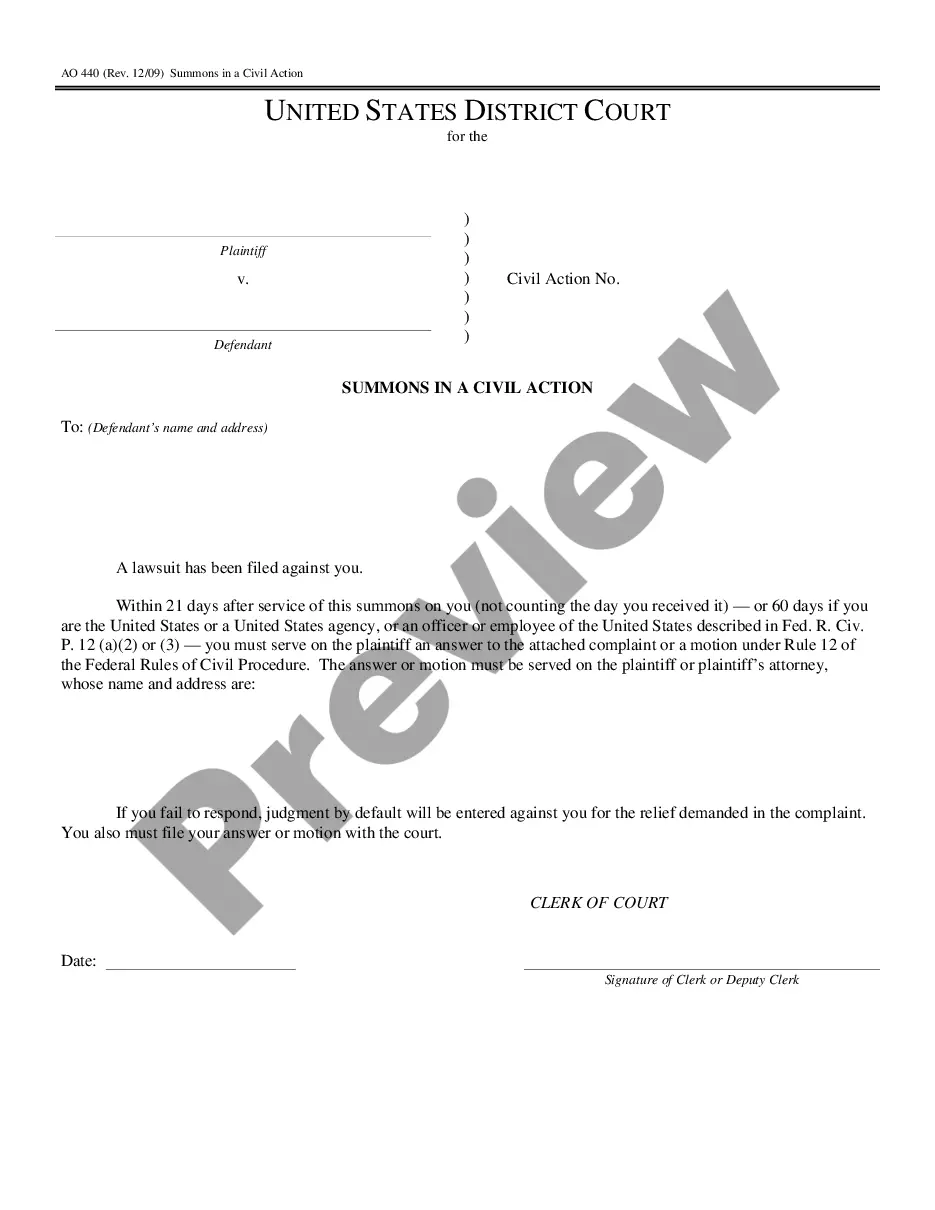
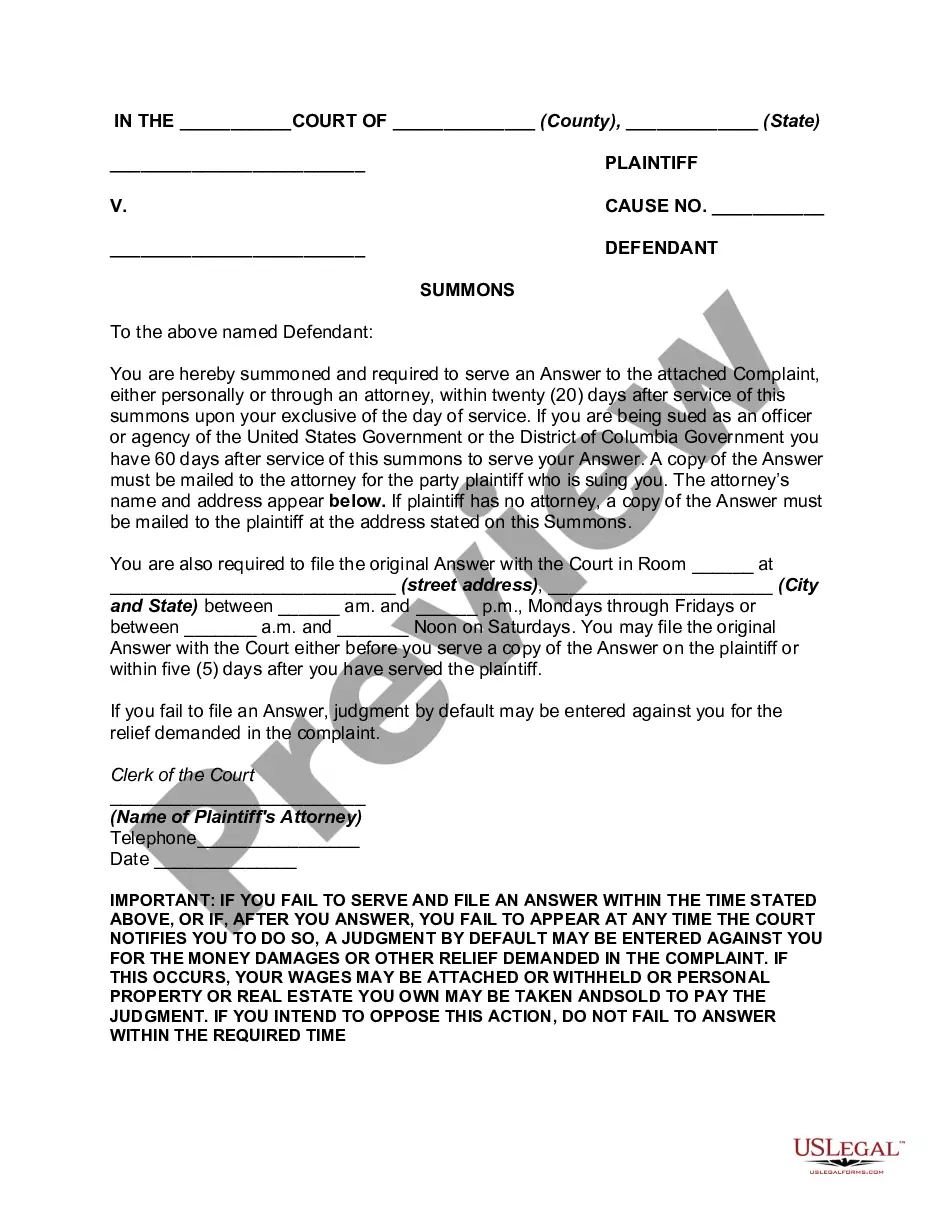
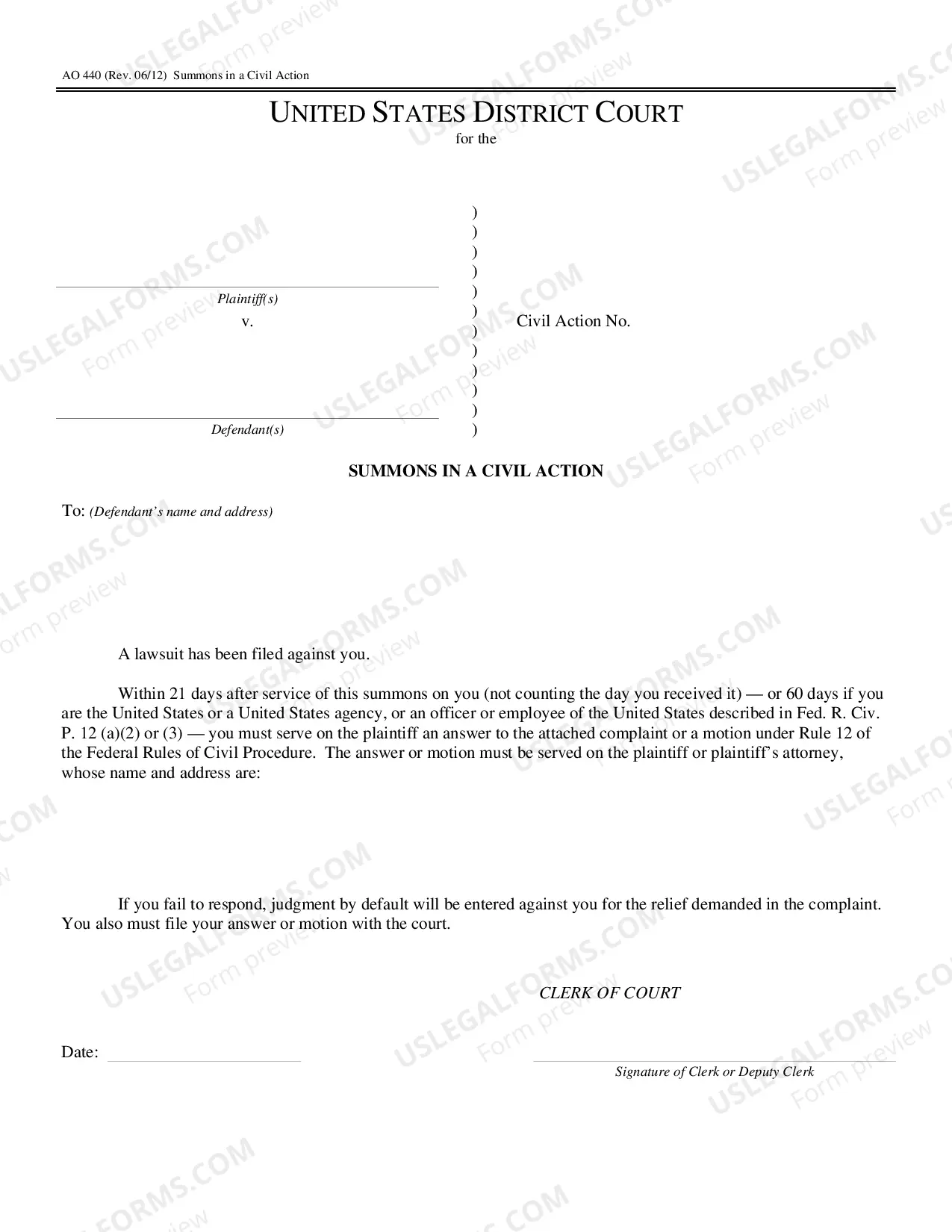
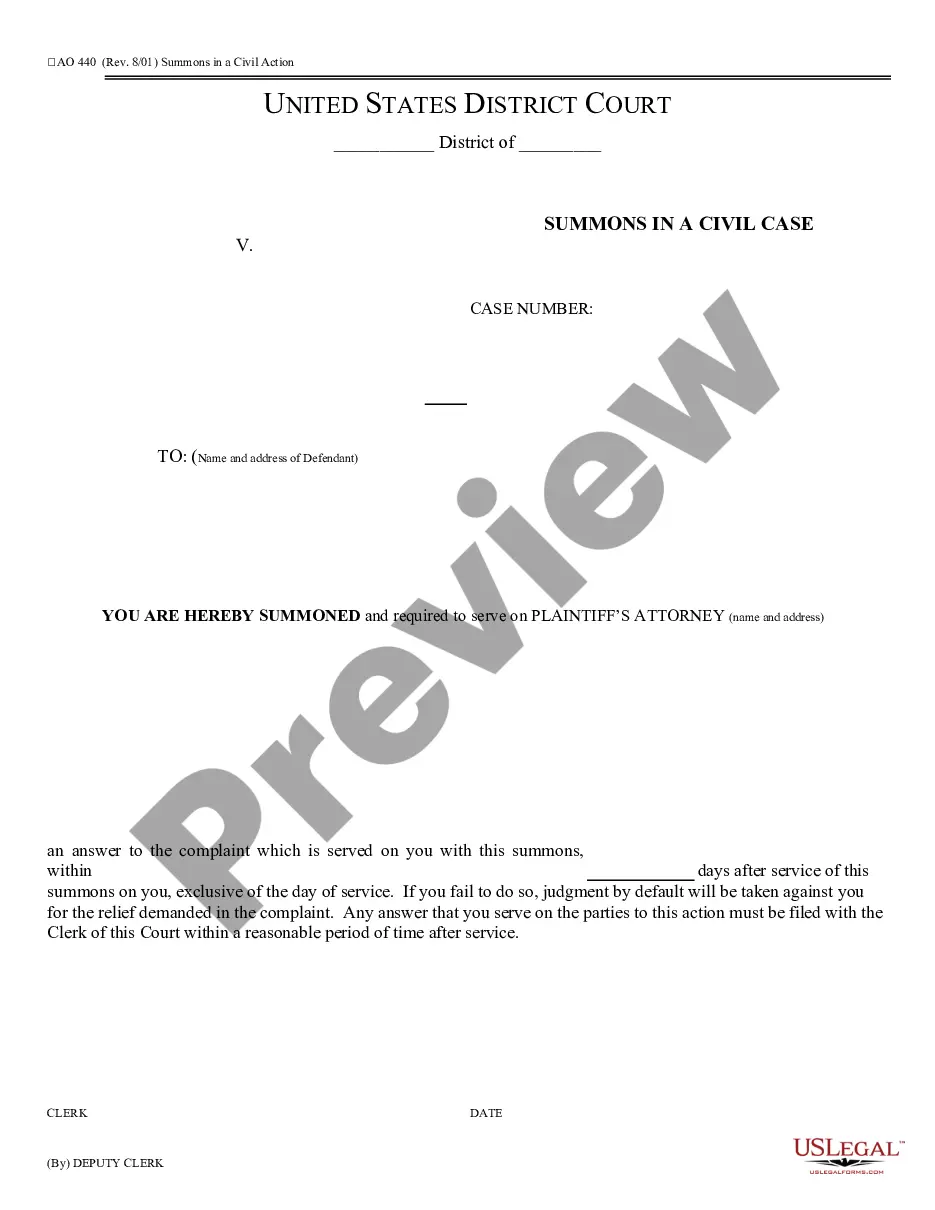
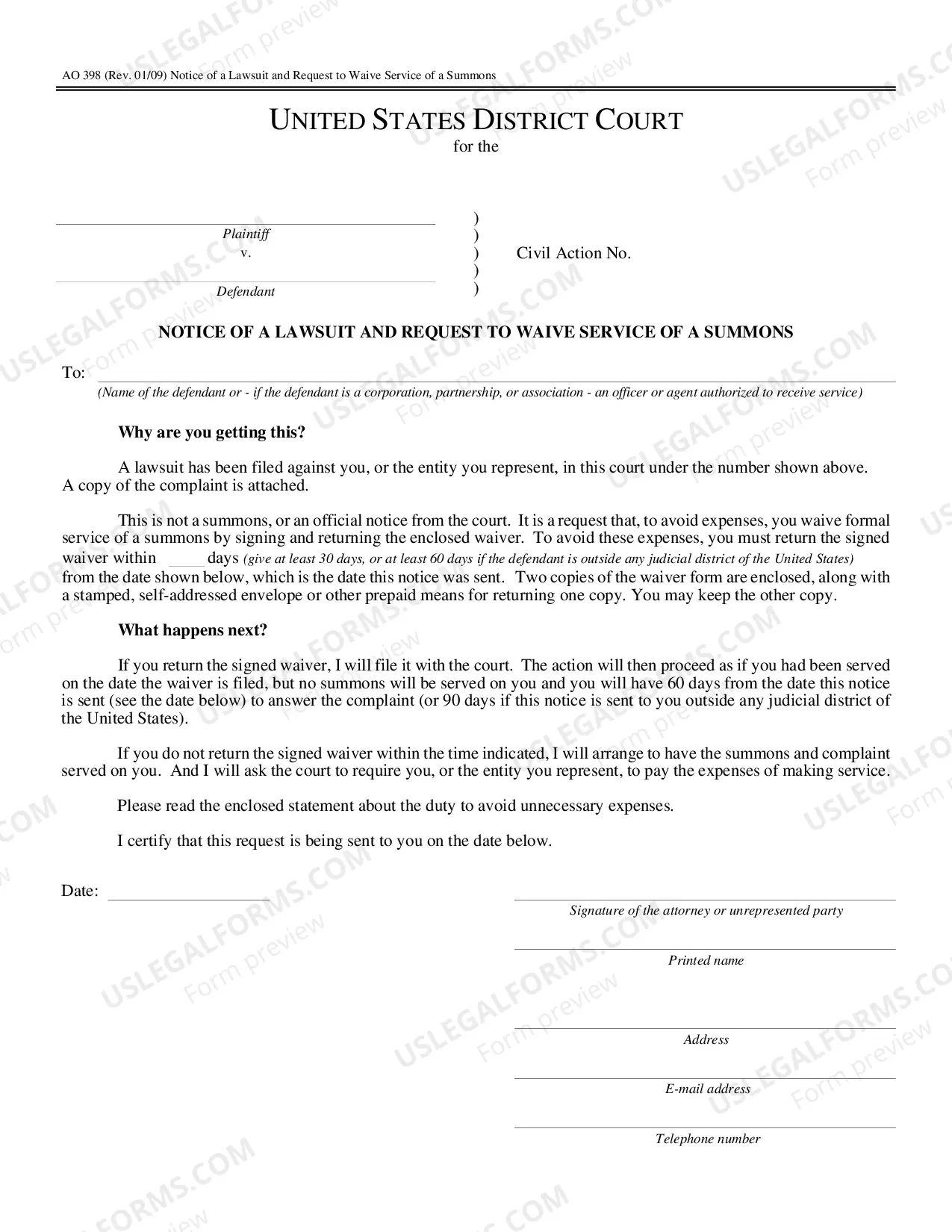
A summons is a legal document issued by a court to notify a defendant that they are being sued. It formally initiates a lawsuit and is part of the legal process. The summons will include important details such as the names of the parties involved, the case number, and instructions for the defendant on how to respond to the lawsuit.
Who should use this form
This form is primarily used by plaintiffs in a civil lawsuit who need to formally notify the defendant of the legal action being taken against them. It is also relevant for defendants who have received a summons, as it dictates their obligation to respond in a timely manner.
How to complete a form
To complete a summons, follow these steps:
- Fill in the name of the court.
- Enter the county name.
- Input the case number assigned by the court.
- Provide the names of the plaintiff(s) and defendant(s).
- Include details of how the defendant will be served, either through a sheriff or by certified mail.
- Sign and date the form in the appropriate field.
Legal use and context
A summons is a critical part of the litigation process. It ensures that the defendant is made aware of the pending lawsuit and provides them with an opportunity to present their side. Failure to respond to a summons can result in a default judgment against the defendant, meaning the court may rule in favor of the plaintiff without hearing the defendant's arguments.
Key components of the form
A typical summons includes the following key components:
- The name of the court and county where the case is filed
- The case number
- Names and addresses of the parties involved
- Instructions for the defendant to respond
- Deadline for the response
- Signature of the court clerk
Common mistakes to avoid when using this form
When filling out a summons, avoid the following common mistakes:
- Not including the correct case number.
- Failing to provide precise names and addresses for all parties.
- Missing the response deadline, which can lead to losing the case by default.
- Not properly serving the summons to the defendant.
What to expect during notarization or witnessing
If notarization is required for the summons, expect a notary public to verify the identity of the person signing the document. The signer will need to present valid identification. After verifying the identity, the notary will complete the notarial act, which includes signing and stamping the document to confirm its authenticity.