What is a judgment in a criminal case?
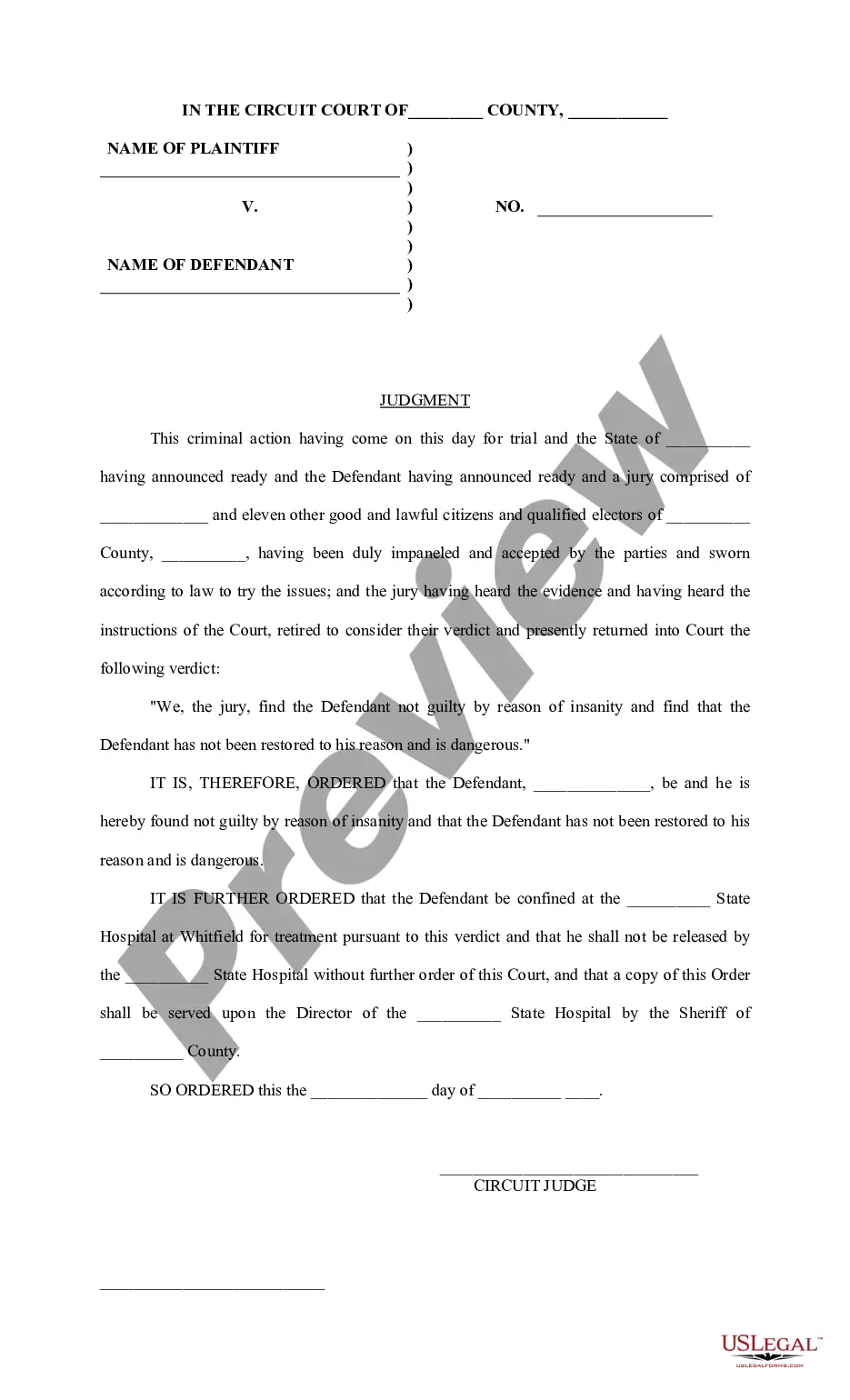
A judgment is a formal decision made by a court regarding the rights and liabilities of the parties involved in a legal case. This ruling is typically the result of a trial, where evidence and arguments are presented by each side. Judgments can be made in both civil and criminal cases and can lead to various outcomes, including awarding damages, determining guilt or innocence, and ordering specific actions.
Legal use and context
Judgments serve a critical role in the legal system, as they provide a resolution to disputes. They establish legal precedents and clarify the interpretation of laws in specific situations. A judgment can be enforced through legal mechanisms such as liens, garnishments, or contempt findings, depending on the nature of the ruling. Understanding the context in which a judgment is issued is essential for parties involved in legal proceedings.
Who should use this form
This form is relevant for individuals or entities who are engaged in legal proceedings and wish to understand the implications of a judgment issued against them or in their favor. It is particularly useful for plaintiffs and defendants in civil litigation, as well as individuals facing legal judgments in criminal cases. Legal professionals may also use it to guide their clients through the complexities of a judgment.
Key components of the form
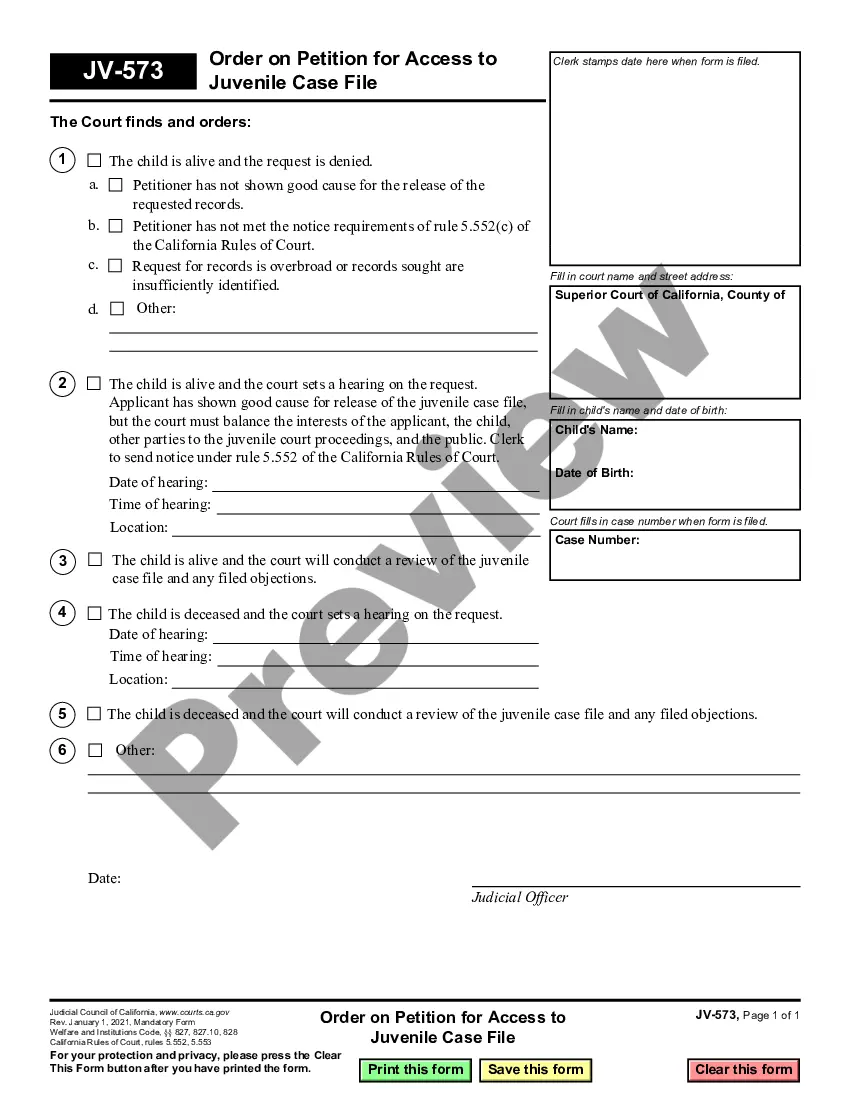
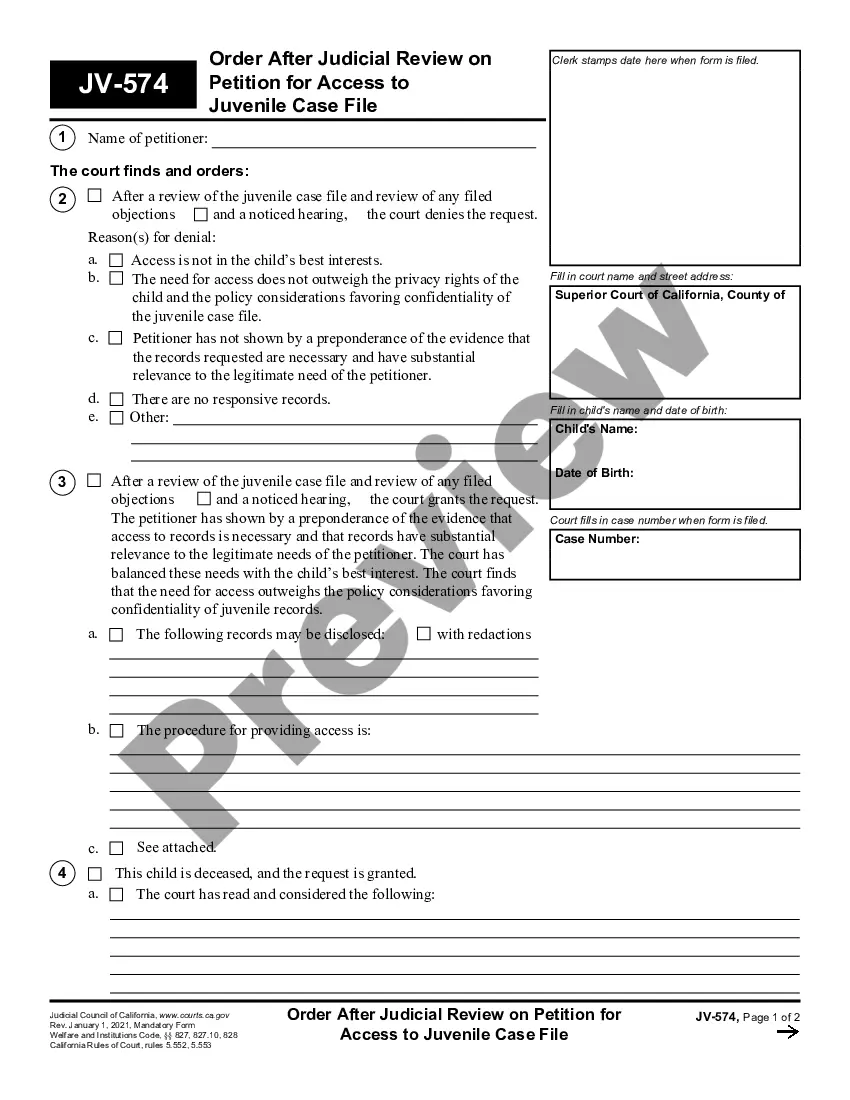
A judgment form typically includes several important components:
- Caption: Identifies the court and parties involved.
- Findings: States the facts and legal basis for the court's decision.
- Order: Specifies the actions required by the parties based on the judgment.
- Date: Indicates when the judgment was issued.
Understanding these components is essential for anyone dealing with or affected by a judgment.
Common mistakes to avoid when using this form
When dealing with judgments, several common mistakes can occur:
- Failing to understand the implications of the judgment.
- Not adhering to the deadlines for appeals or compliance.
- Misinterpreting the legal language of the judgment.
- Neglecting to keep records and documentation related to the judgment.
By recognizing and avoiding these mistakes, individuals can better navigate their legal situations.