What Is a Boundary Line Agreement and How It Affects Property Rights
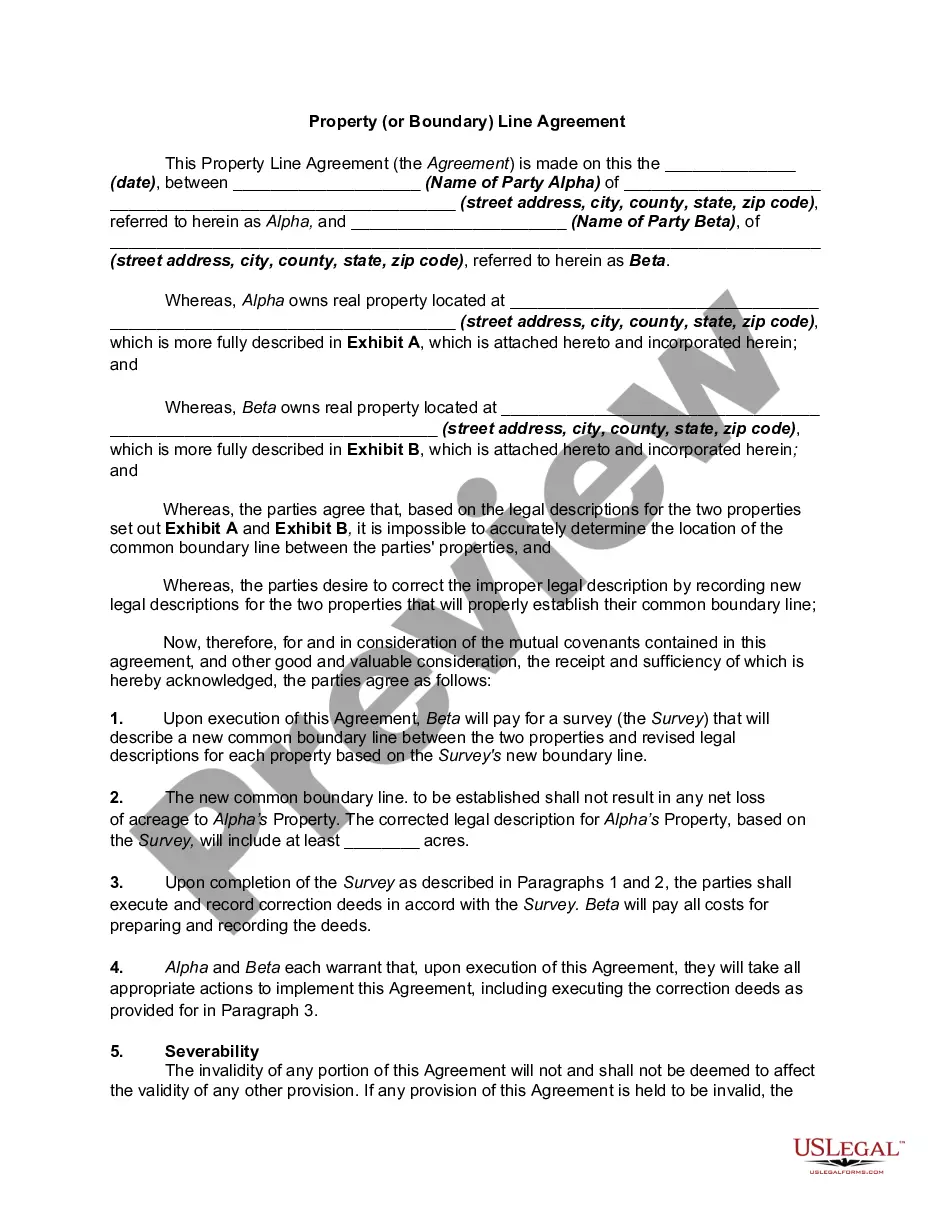
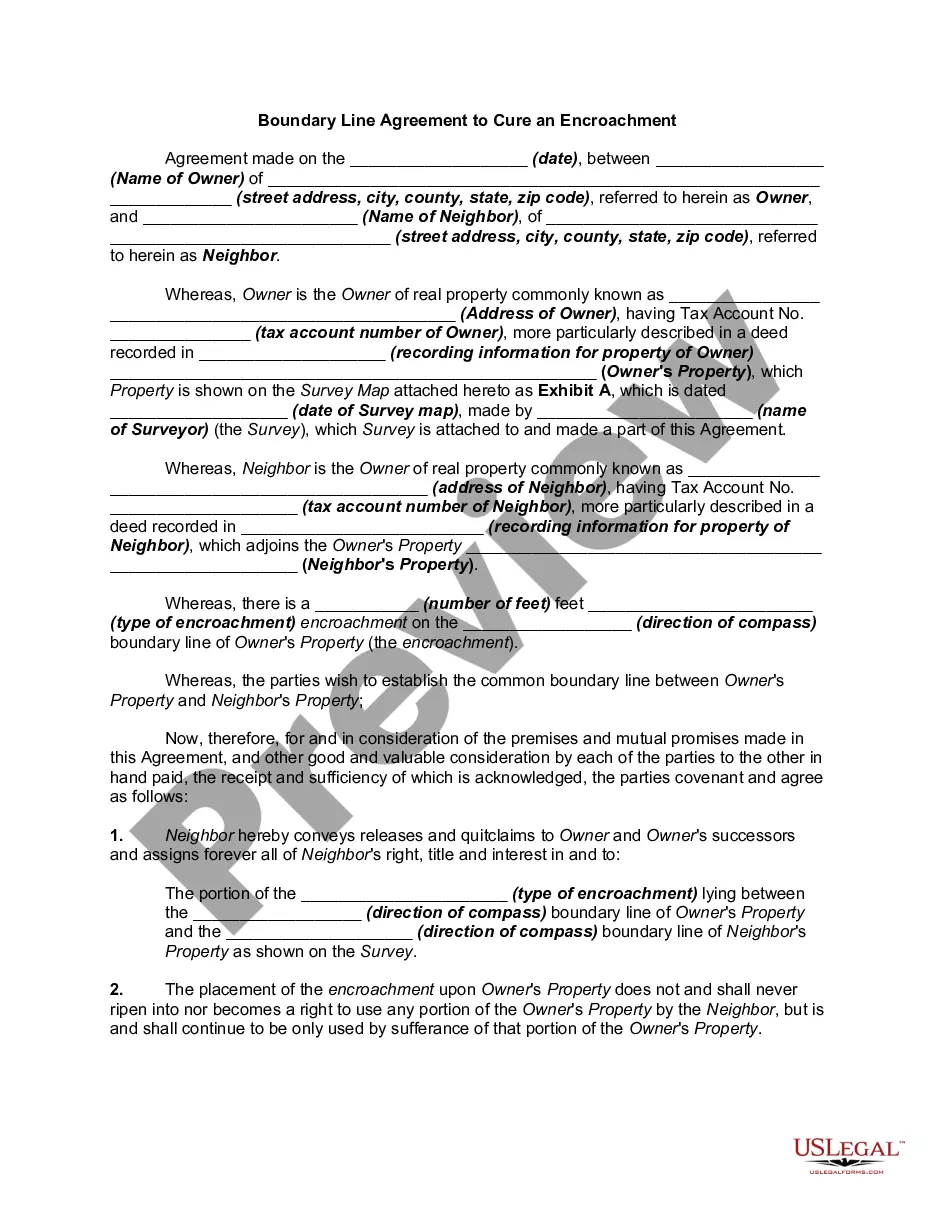
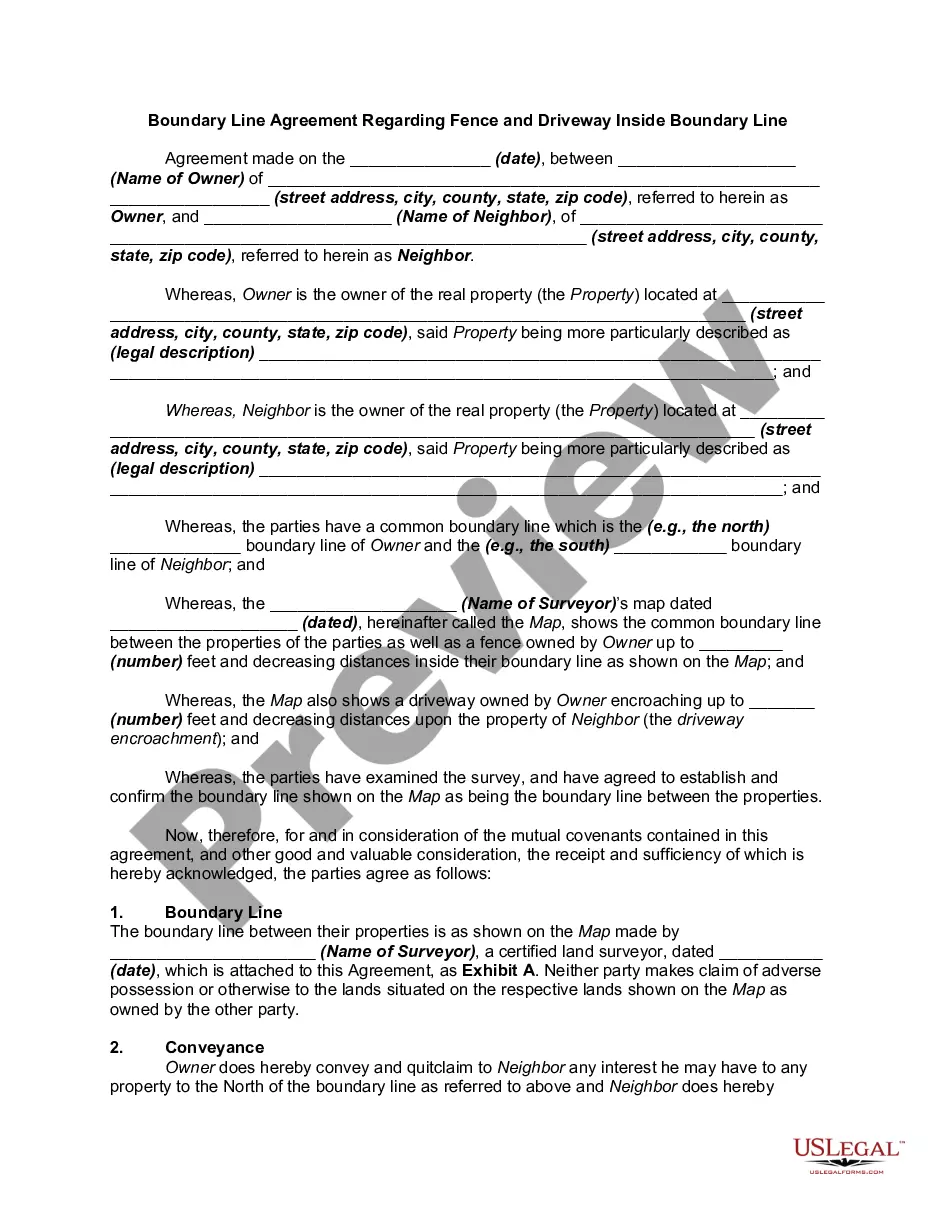
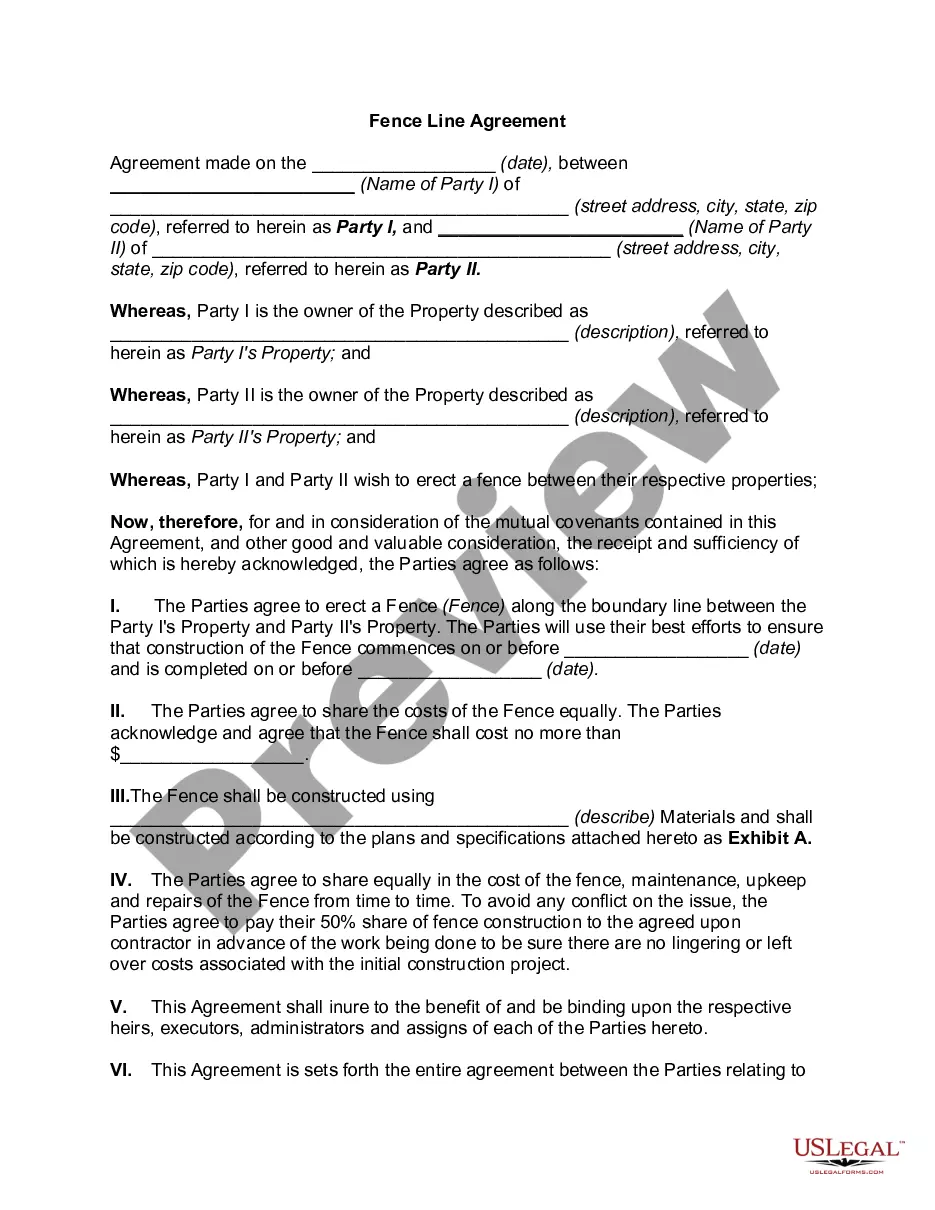
A boundary line agreement is a legal document that formalizes the mutually agreed-upon boundary between two or more adjoining properties. This type of agreement helps to prevent disputes that may arise over property lines, ensuring that each party clearly understands the limits of their property and preventing future conflicts. Boundary line agreements are often used when property owners have differing perceptions of where their property boundaries lie, and when a survey has clarified those lines.
Who should use this form
This form is primarily for property owners or trustees of adjacent properties who wish to establish a clear and legally binding boundary line. Those involved in disputes over property lines or those looking to clarify the boundaries for future reference can benefit from using a boundary line agreement. This legal document is important for individuals, families, or entities who own adjoining parcels of land and want to protect their rights regarding property use and development.
Key components of the form
A boundary line agreement typically includes the following components:
- Identifying information: Names of the parties involved and descriptions of the properties.
- Survey details: A detailed description of the agreed boundary line, often referenced from a professional surveyor's plan.
- Legal descriptions: Specific legal references to previously recorded documents that pertain to the properties.
- Covenants: Obligations and rights of the parties regarding the agreed boundary.
Including these components ensures that the agreement is comprehensive and legally enforceable.
What documents you may need alongside this one
When preparing a boundary line agreement, it is advisable to have the following documents on hand:
- Property deeds: Proof of ownership of the properties involved.
- Previous surveys: Any prior surveys that may provide context or clarification regarding existing boundaries.
- Maps or plans: A detailed plan that visualizes the property lines as agreed upon by the parties.
- Legal descriptions: Documentation that describes the properties involved in the agreement.
Gathering these documents will help ensure the agreement is accurate and valid.
What to expect during notarization or witnessing
During the notarization process of a boundary line agreement, all parties involved must appear in front of a notary public. The notary will verify the identities of the signatories and ensure they are signing voluntarily. Here are the steps you can expect:
- Present the completed form to the notary.
- Provide identification for all signers to the notary.
- Sign the document in the presence of the notary.
- The notary will then complete their part by signing and sealing the document.
This process ensures that the agreement is valid and legally binding.
Common mistakes to avoid when using this form
To ensure the boundary line agreement is effective, it is important to avoid the following mistakes:
- Incomplete information: Ensure that all parties and property descriptions are accurately listed without any omissions.
- Vague descriptions: Provide clear and precise legal descriptions of the properties and boundary lines to prevent misunderstandings.
- Neglecting signatures: Make sure all parties sign the agreement and that the document is notarized.
Avoiding these pitfalls will help maintain the integrity and enforceability of the agreement.
Legal use and context
Boundary line agreements are commonly used in real estate to formalize the physical boundaries of neighboring properties. They are legally binding and play an essential role in property transactions, development plans, and legal disputes. Should either party need to assert their rights concerning the property, this document serves as a critical piece of evidence in court. Additionally, these agreements may enhance the value of the property by providing clear definitions of boundaries for potential buyers.