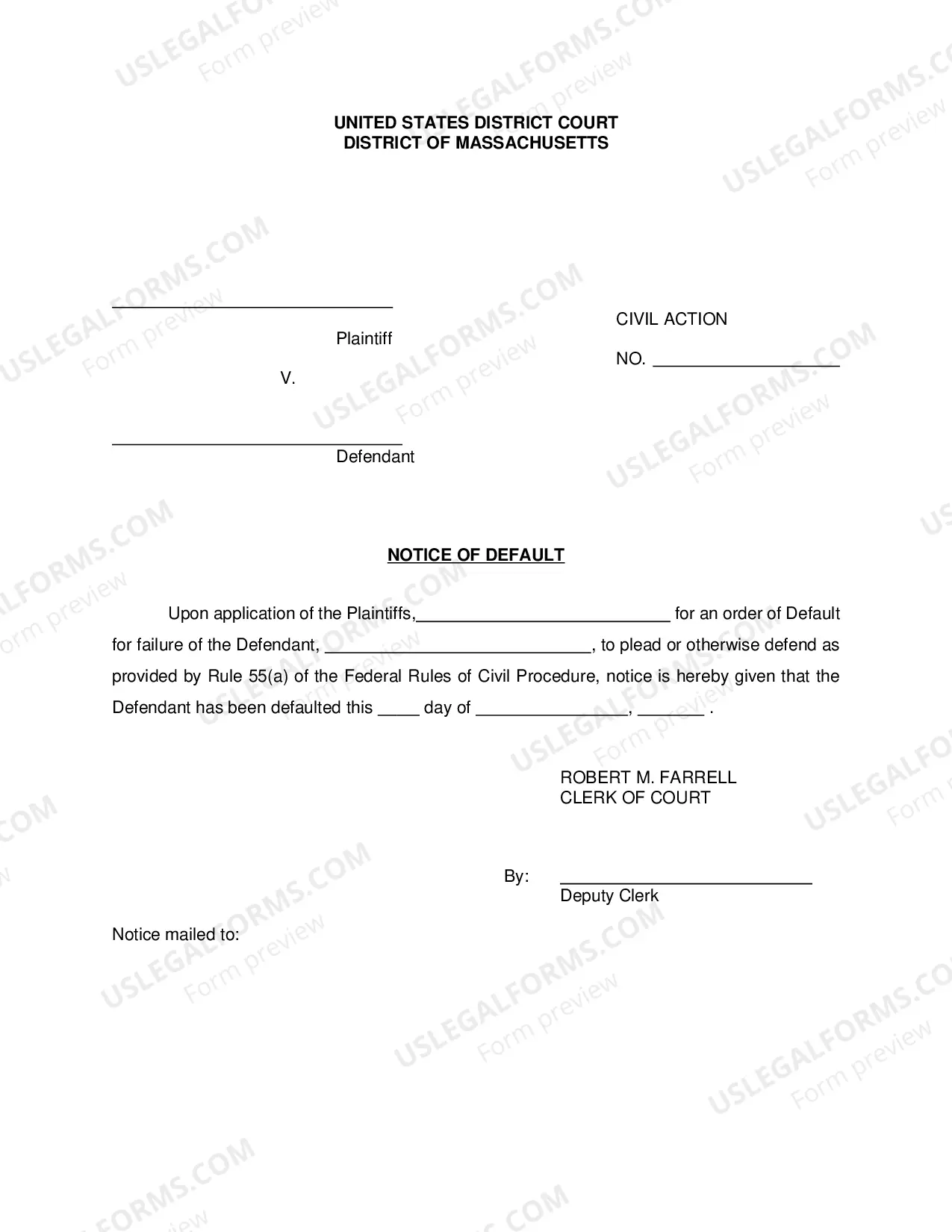
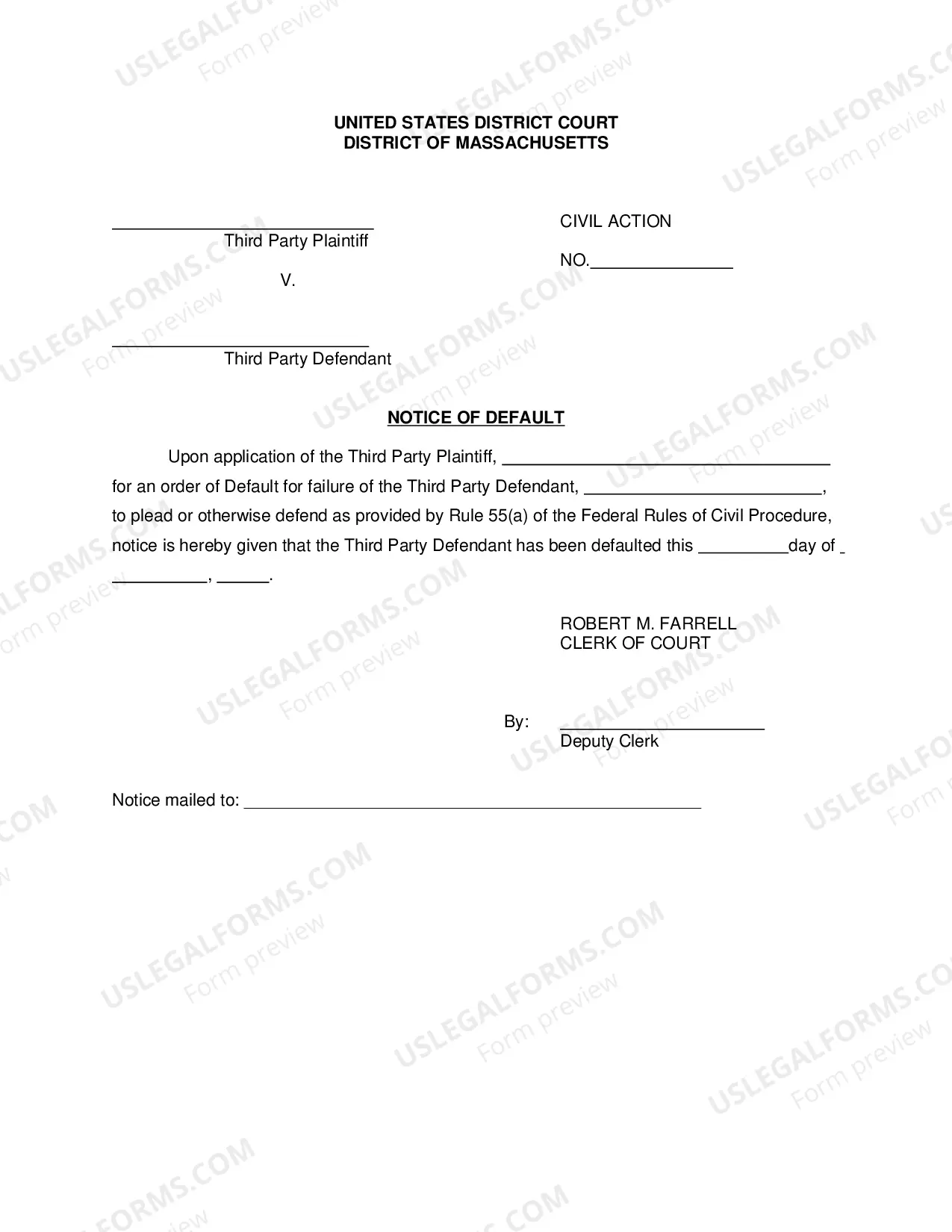
How to Understand Termination by Employer at Will?
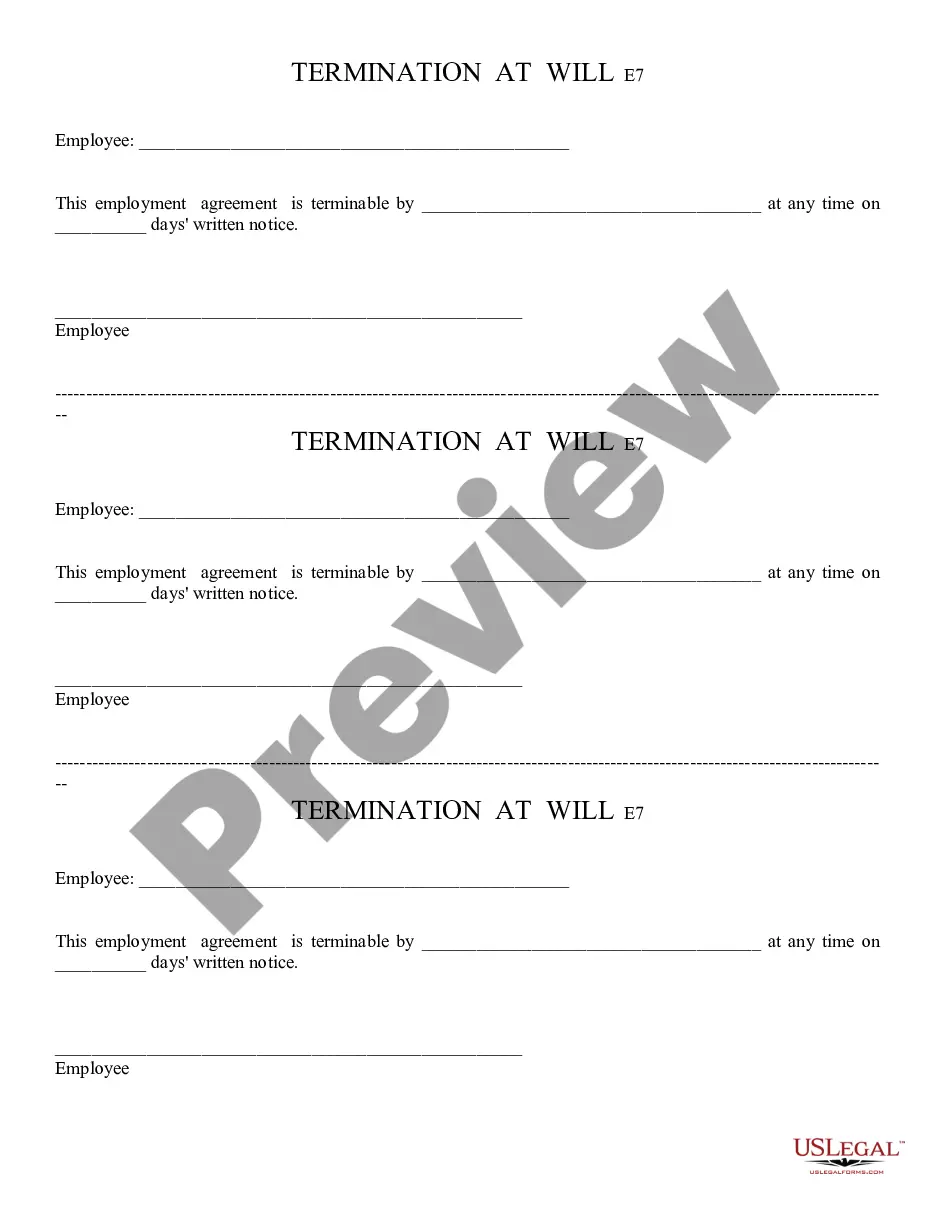
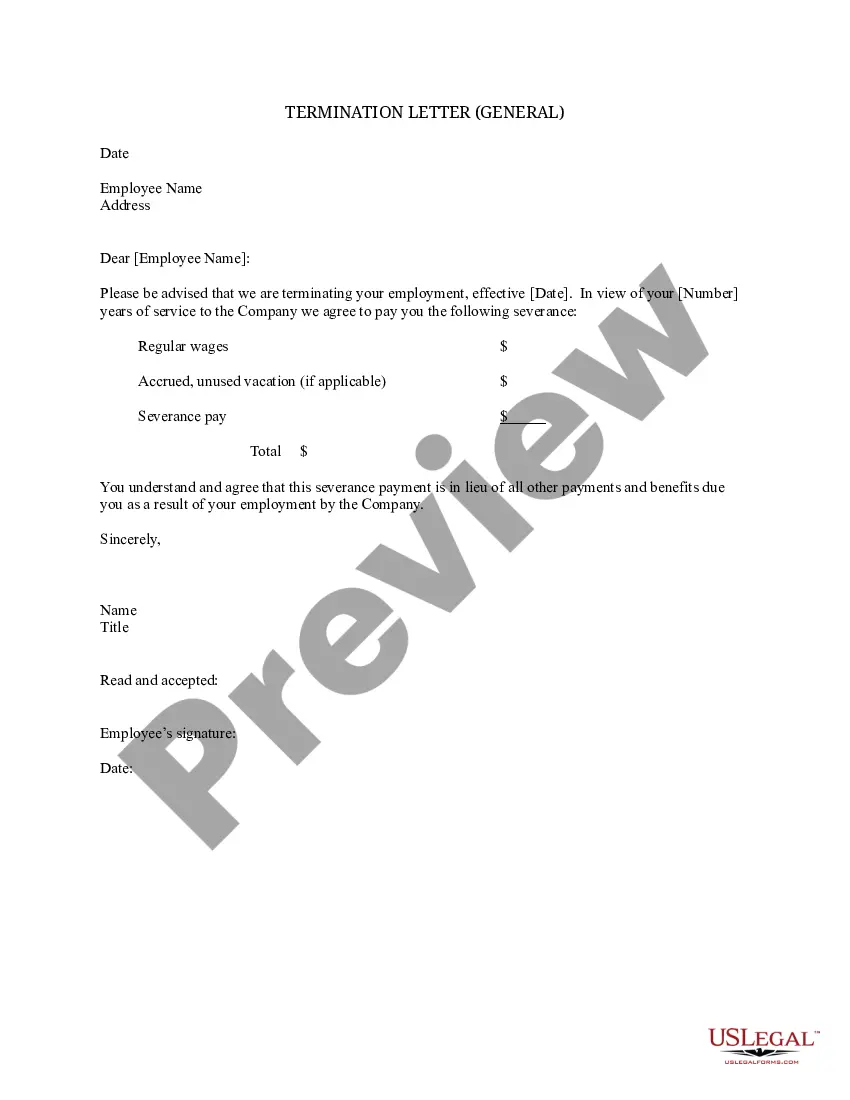
The term termination by employer at will refers to the legal right of an employer to end an employee's job for any reason, or no reason at all, as long as the reason is not illegal. This type of termination does not require any advance notice or justification, allowing employers the flexibility to make staffing decisions based on changing business needs.
Who should use this form
This form is useful for both employers and employees seeking to understand their rights and responsibilities under at-will employment. Employers may use this document to clarify termination policies, while employees can reference it to know what to expect should their employment be terminated without cause.
Legal use and context
At-will employment is a common arrangement in many states in the U.S. It permits employers to terminate employees based on company needs, but it also sets certain limitations. Employers cannot terminate employees for discriminatory reasons, such as race, gender, or disability. Understanding the legal context can help both parties navigate the potential pitfalls of termination.
Key components of the form
The form should include several critical components:
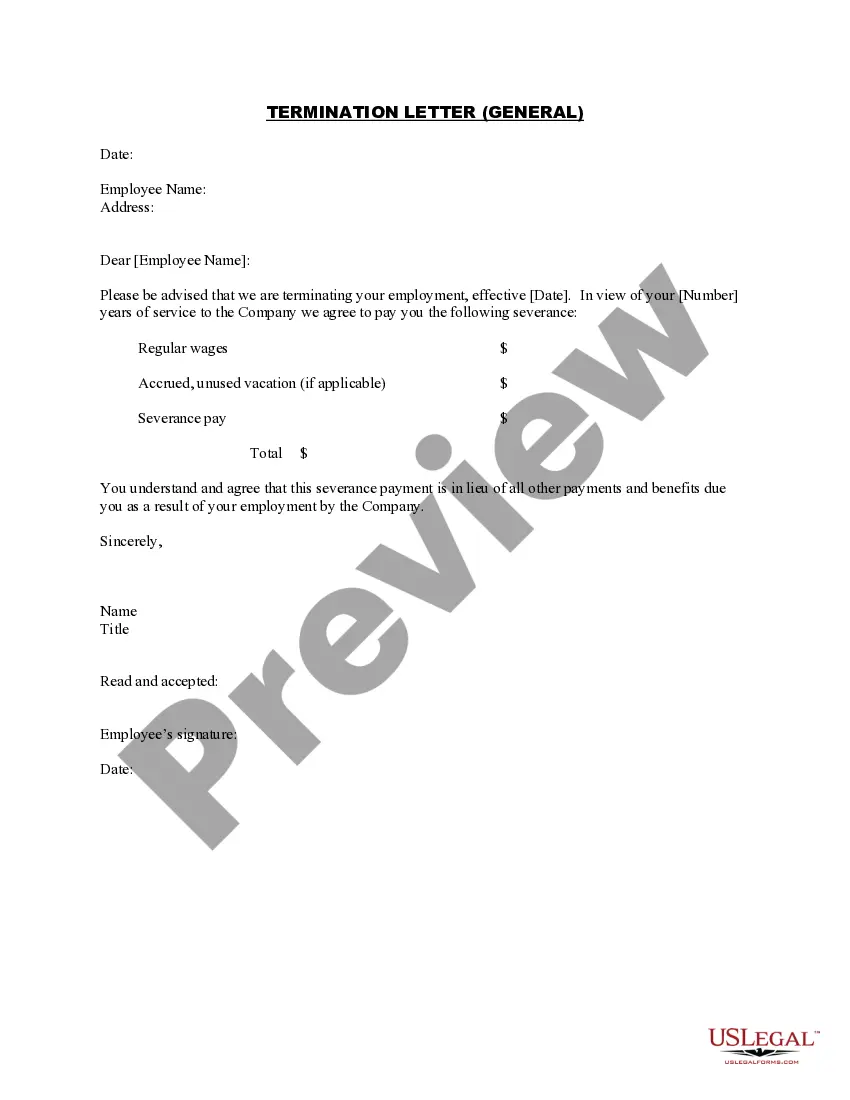
- Employer name: The name of the company or individual terminating employment.
- Employee name: The name of the individual whose employment is being terminated.
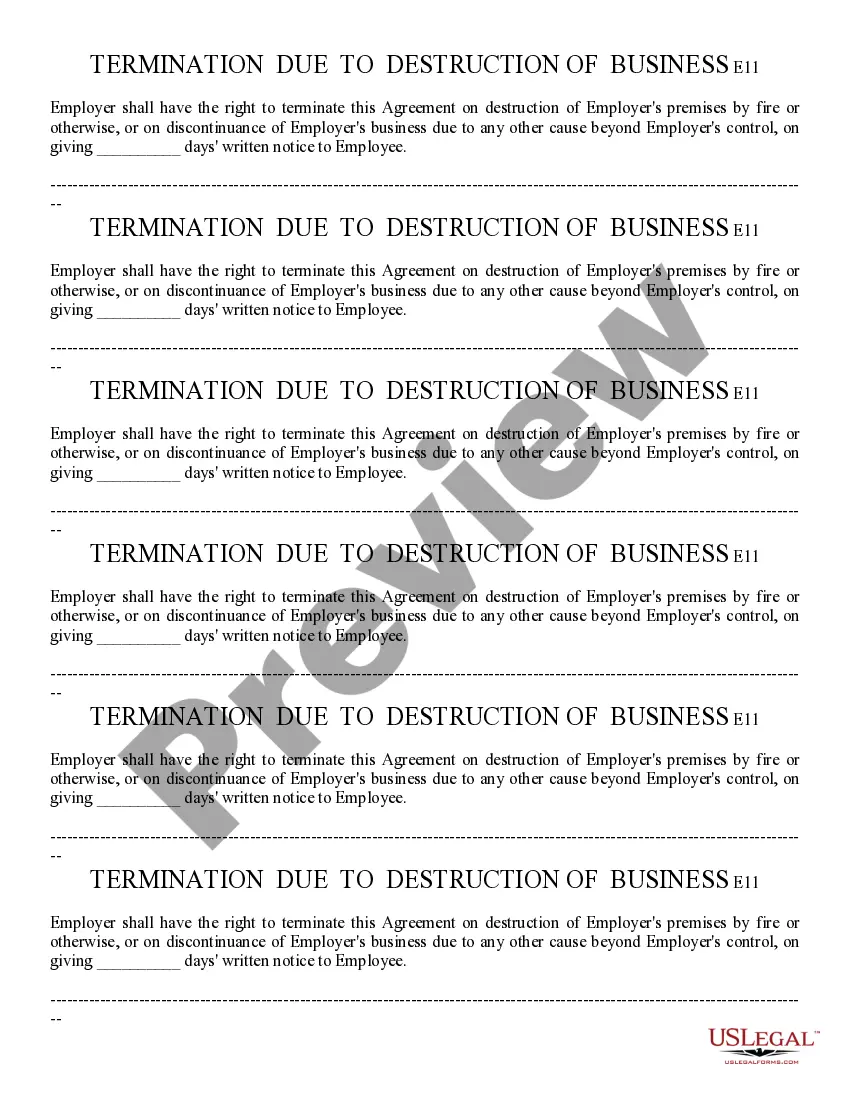
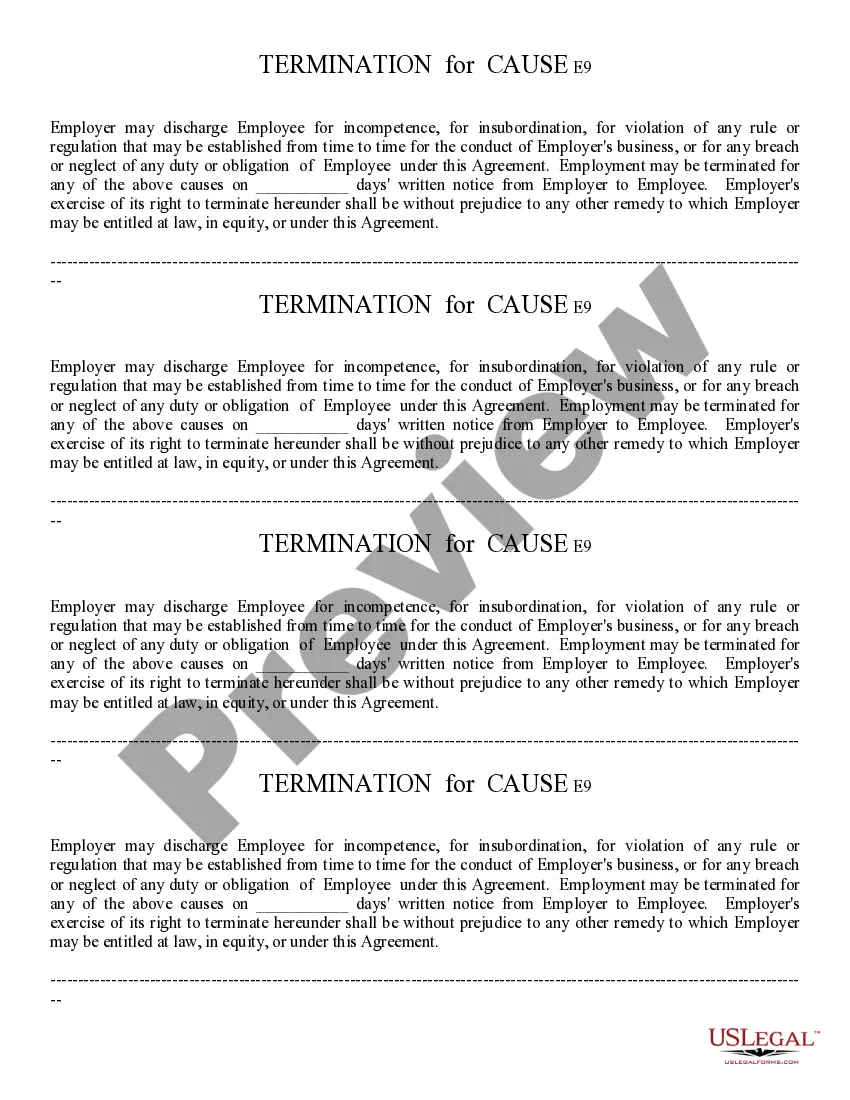
- Termination clause: A statement indicating that employment may end at the discretion of the employer.
- Agreement signature: A space for the employee to acknowledge their understanding and acceptance of these terms.
Common mistakes to avoid when using this form
When completing or using this form, be mindful of the following common errors:
- Not clearly specifying the employer and employee names.
- Failing to provide enough context around the termination process.
- Neglecting to have the employee sign the acknowledgment, which solidifies their understanding.
- Overlooking state-specific laws that may alter at-will employment agreements.
What to expect during notarization or witnessing
If this form requires notarization, both the employer and the employee may need to appear before a notary public. The notary will verify their identities and witness their signatures. It’s important to bring valid identification and to review the document thoroughly before signing to ensure all information is accurate.
Key takeaways
Understanding termination by employer at will is crucial for both parties involved. Key takeaways include:
- At-will employment allows for flexible termination practices.
- Legal protections exist to prevent wrongful termination.
- Clear documentation can help prevent misunderstandings.