What Is The Revocation Of Guarantee Process And How It Works
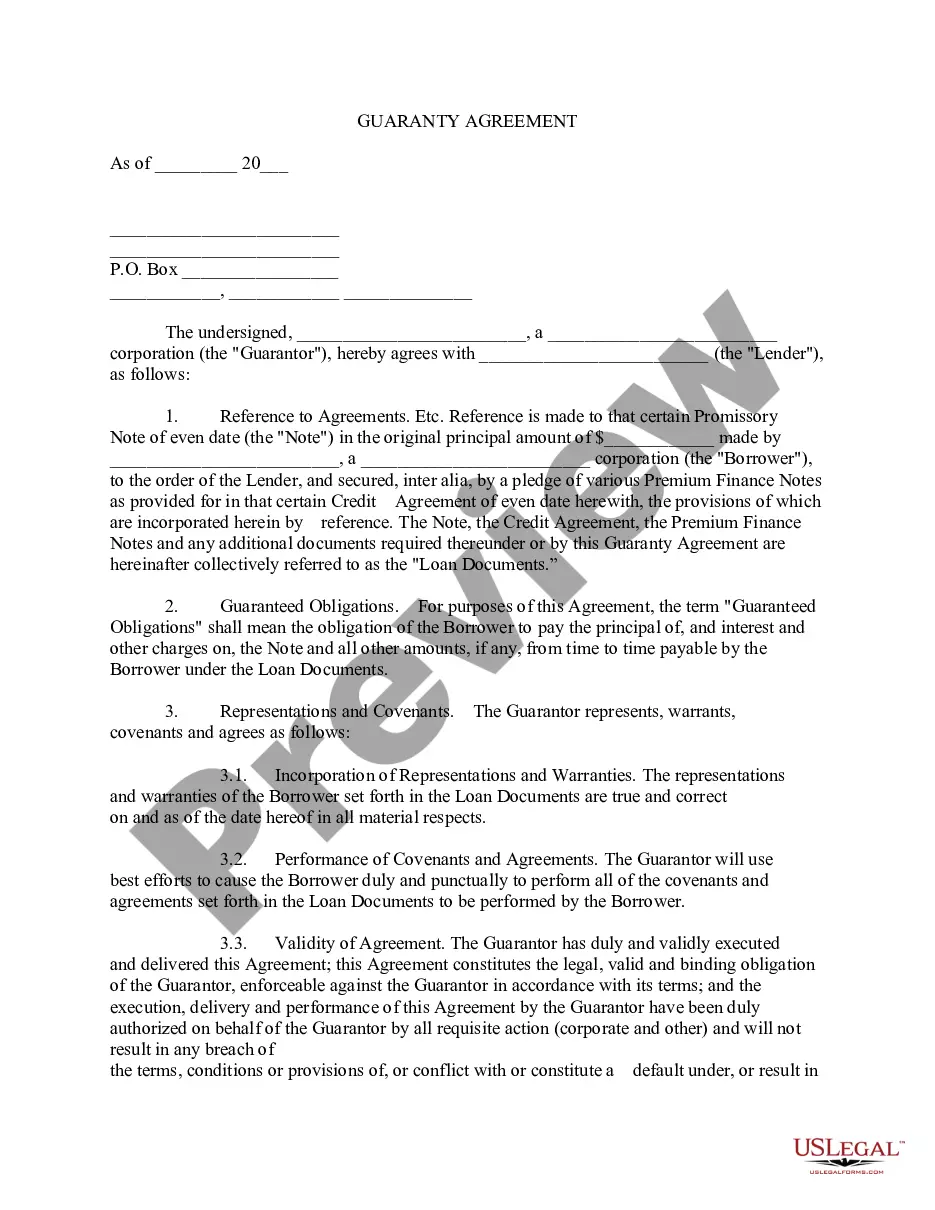
The revocation of guarantee process refers to the formal procedure by which a guarantor cancels their obligation to cover another's debts. This ensures that the guarantor will no longer be held responsible for debts incurred by the obligor after the effective date of revocation. It is essential for both parties involved to understand this process to avoid unexpected financial liabilities.
Who should use this form
This form is relevant for individuals or businesses that have previously guaranteed loans or financial obligations for others. If a guarantor wishes to terminate their responsibility for these obligations, they should complete this form. It is particularly useful for those who experience a change in financial circumstances or relationships with the obligor.
Key components of the form
The main components of the revocation of guarantee form include:
- The names and addresses of both the guarantor and the obligor.
- The date the guarantee was originally executed.
- The specific obligations being revoked.
- The effective date of the revocation.
- The signature of the guarantor, which must be dated.
Each component is crucial to ensure the document's legitimacy and clarity about the terms of revocation.
Common mistakes to avoid when using this form
Avoid the following common mistakes when completing the revocation of guarantee form:
- Filling out the form without clear identification of the obligor's specific debt obligations.
- Failing to sign or date the form, which can render it ineffective.
- Incorrectly stating the effective date of revocation. This can lead to continued liability.
- Not providing the necessary notifications to the obligor or lenders involved.
By being mindful of these pitfalls, the process can be smoother and prevent future complications.
What documents you may need alongside this one
When revoking a guarantee, the following documents may be necessary:
- The original guarantee agreement, to reference the terms.
- Any correspondence between the guarantor and obligor regarding debts.
- Notices sent to creditors or third parties related to the revocation.
Having these documents ready ensures a seamless process and can provide further clarity if disputes arise.
What to expect during notarization or witnessing
Notarization serves to validate the identity of the signer and ensures the document is legally recognized. During this process, the guarantor will:
- Present valid identification to the notary public.
- Sign the revocation form in the presence of the notary.
- Receive a notarization stamp or signature as proof of the formal process.
Witnessing may also be required; in this case, an impartial individual will observe the signing process as confirmation. This step is important for the enforcement of the revocation in legal contexts.
Key takeaways
The revocation of guarantee is a critical process for any guarantor wishing to release themselves from financial obligations. Key points include:
- Understanding the importance of formally canceling guarantees to avoid ongoing liability.
- Ensuring all necessary information is accurately provided in the form.
- Being aware of the need for notarization or witnessing to solidify the revocation process.
By adhering to these key takeaways, guarantors can effectively manage their financial responsibilities.