What Are Letters of Guardianship? Understanding Legal Empowerment
Letters of Guardianship are legal documents issued by a court, allowing an individual, known as a guardian, to make decisions on behalf of a person who is unable to do so due to incapacity. This incapacity can arise from various circumstances, including mental illness, disability, or age-related issues.
These letters serve as formal recognition of the guardian's authority, as defined by state laws, and typically outline the specific powers granted to the guardian regarding the personal and legal affairs of the incapacitated person.
Who should use this form
Individuals who may benefit from Letters of Guardianship include:
- Family members seeking to protect a loved one who is incapable of managing their personal matters.
- Friends or representatives of an individual suffering from a severe disability or illness.
- Anyone needing to establish a legal framework for making decisions on behalf of an incapacitated person.
This form is vital for ensuring that decisions made on behalf of someone else are authorized and recognized by the legal system.
Legal use and context
Letters of Guardianship are primarily used in cases where an individual is declared legally incapacitated by a court. The process involves submitting a petition to the court, providing evidence of the individual’s incapacity, and often a medical evaluation. Once the petition is approved, the guardian is granted legal authority to act on behalf of the incapacitated person in various matters, including health care and financial decisions.
These letters are crucial in situations involving medical care, financial management, or any other decision-making scenario where the incapacitated individual cannot provide consent or make informed choices.
Key components of the form
The form for Letters of Guardianship typically includes the following key components:
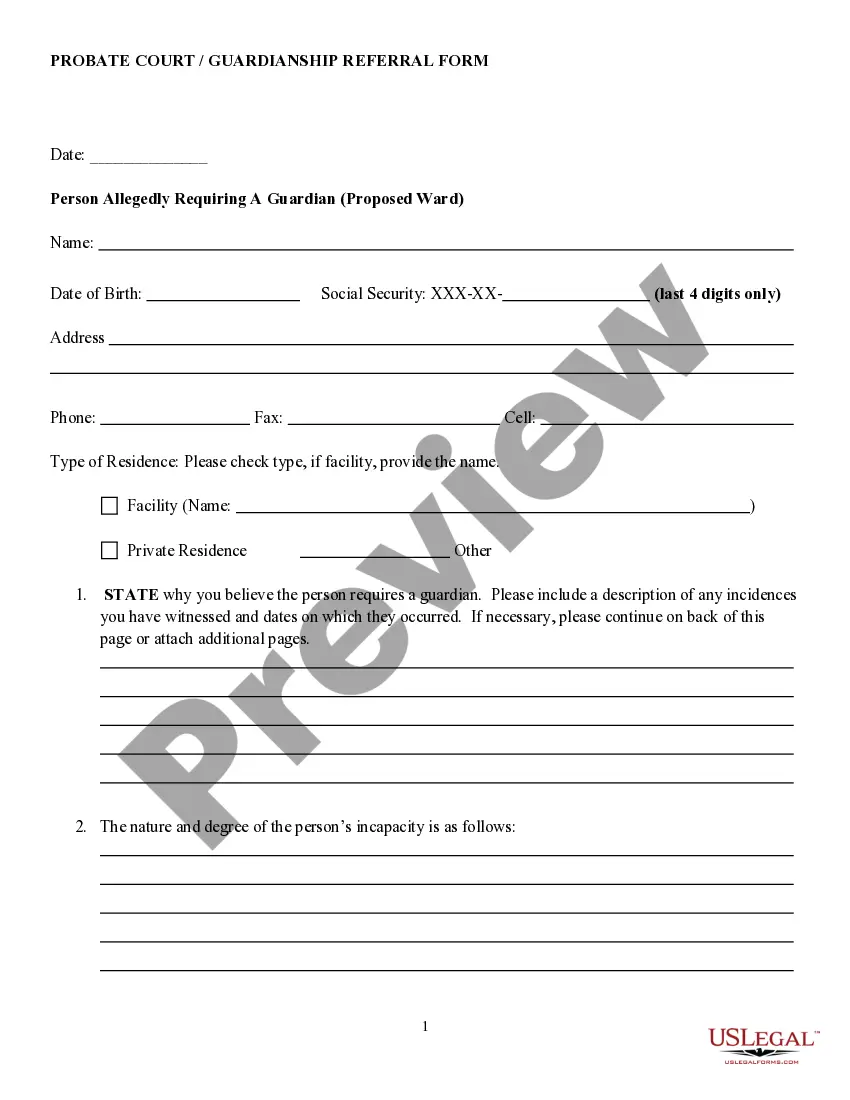
- The petitioner's information: Name, address, and relationship to the incapacitated person.
- Details about the incapacitated individual: Full name, address, and reason for incapacity.
- Guardian's powers: Specific authorities granted to the guardian, such as medical decision-making and managing finances.
- Signature lines: Space for the judge to sign and date the document, making it official.
Each of these components is essential for ensuring that the document is legally valid and clearly articulates the guardian's responsibilities.
Common mistakes to avoid when using this form
When completing Letters of Guardianship, it's important to avoid common errors that may delay the process or lead to complications. Here are some pitfalls to consider:
- Incomplete information: Ensure all required fields are filled out completely and accurately.
- Not adhering to state-specific requirements: Each state may have different rules regarding guardianship; consult local laws to ensure compliance.
- Forgetting signatures: Make sure that all necessary signatures are obtained, especially from the judge.
By being aware of these common mistakes, users can better prepare and submit their forms effectively.
What documents you may need alongside this one
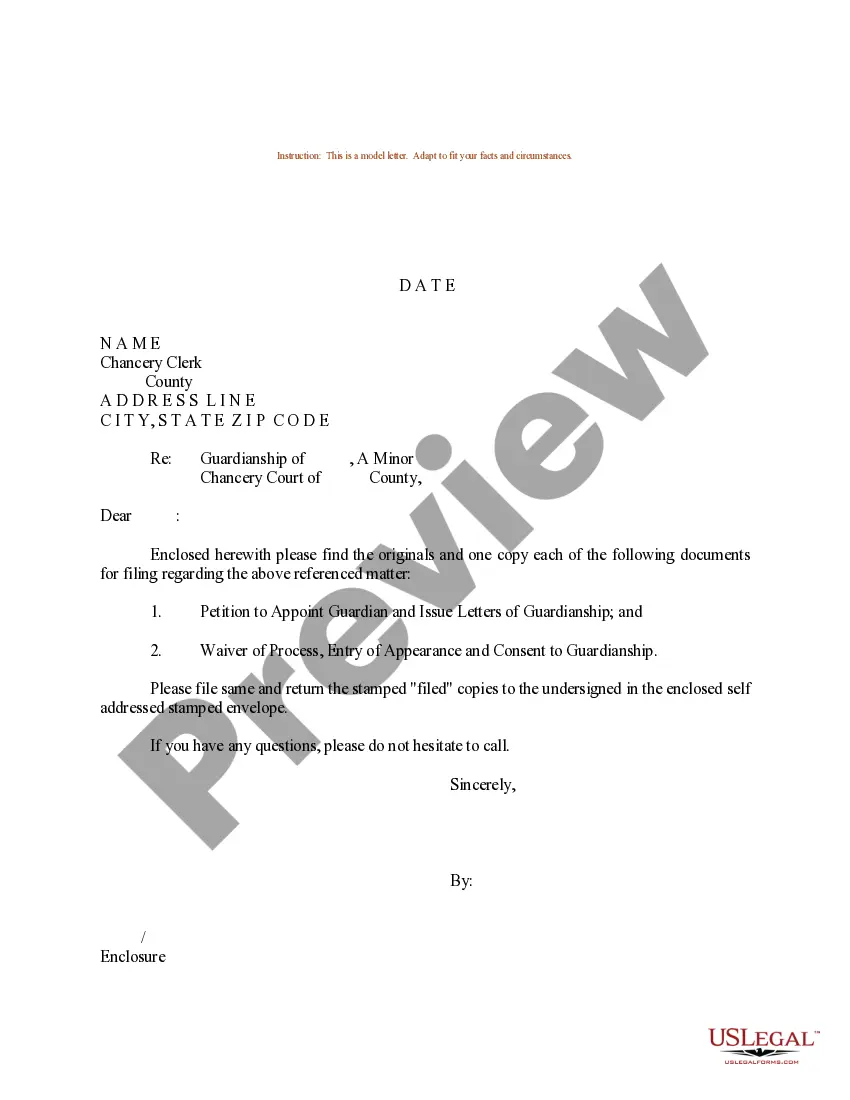
Along with the Letters of Guardianship, several additional documents may be required to support your application:
- Medical certificates: Documentation from a healthcare professional confirming the incapacitated person's condition.
- Proof of relationship: Documents that validate your relationship to the individual, such as birth certificates or marriage licenses.
- Background checks: Some jurisdictions may require a background check of the proposed guardian.
Gathering these documents in advance can streamline the application process and ensure you are well-prepared for any court requirements.
Key takeaways
Letters of Guardianship are vital legal instruments designed to protect individuals who cannot manage their own affairs due to incapacity. Key points to remember include:
- They grant legal authority to a guardian to make decisions on behalf of an incapacitated person.
- Properly completing the form and following legal procedures is crucial for its validity.
- Being aware of supporting documents and potential mistakes will help facilitate the application process.
Understanding these elements ensures a smoother experience when seeking guardianship over an incapacitated individual.