What Is an Installment Note for Joint Makers?
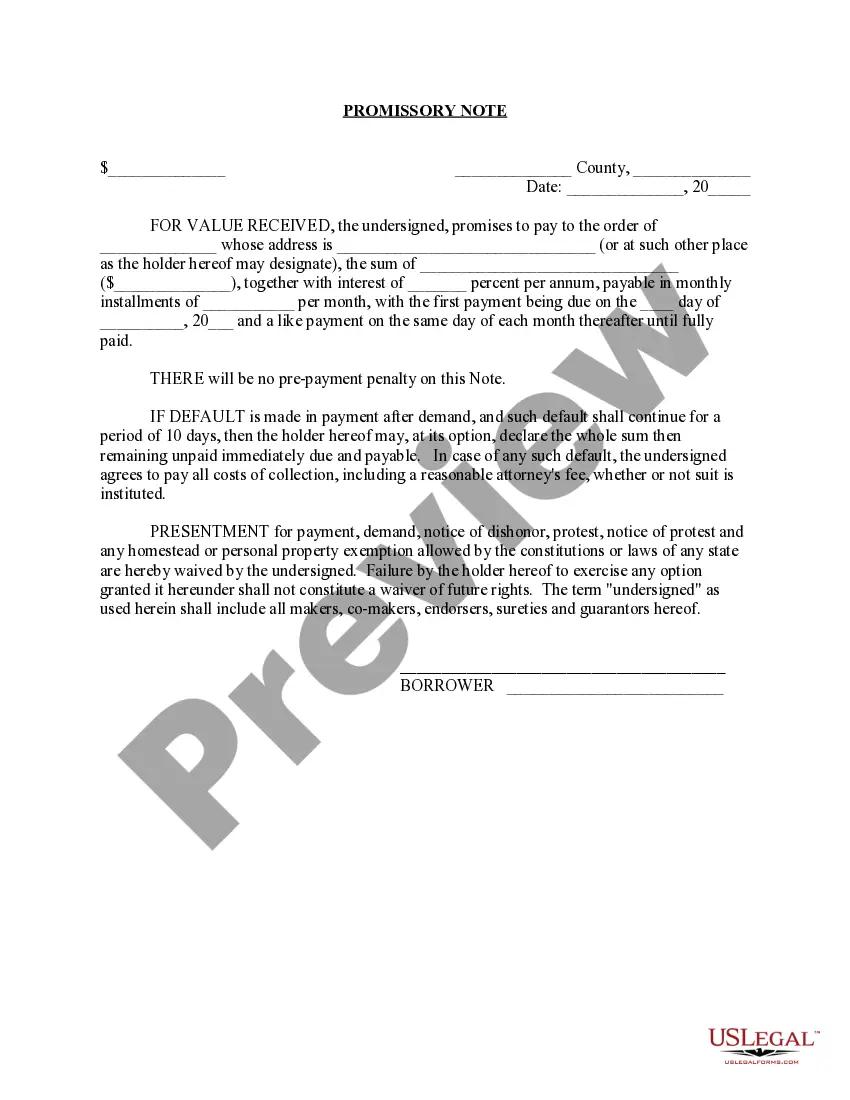
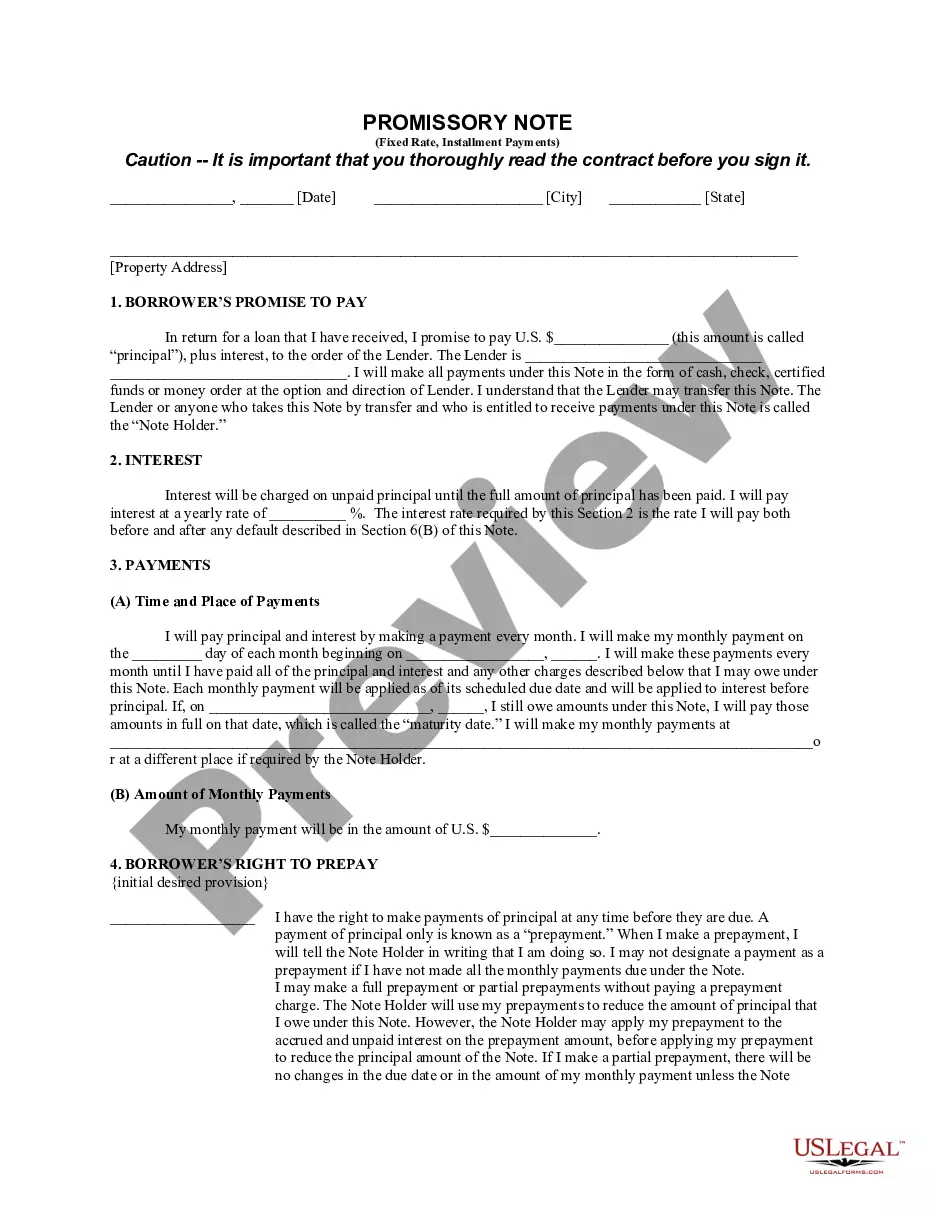
An installment note for joint makers is a legal document in which two or more individuals, referred to as makers, agree to repay borrowed money in regular payments. This type of note outlines the terms of the loan, including the total amount, interest rate, payment schedule, and consequences for late payments. It is designed to ensure that all parties involved are fully aware of their joint responsibilities in paying back the debt.
Who should use this form
This form is ideal for individuals who are borrowing money together, such as partners, friends, or family members. Anyone entering into a shared financial agreement where joint responsibility is needed, including in real estate purchases or shared business ventures, can benefit from this installment note. It is especially useful for those who want to formalize their financial obligations and protect each other’s interests.
Key components of the form
The main components of an installment note for joint makers include:
- Loan amount: The total amount being borrowed.
- Interest rate: The annual percentage rate applied to the loan.
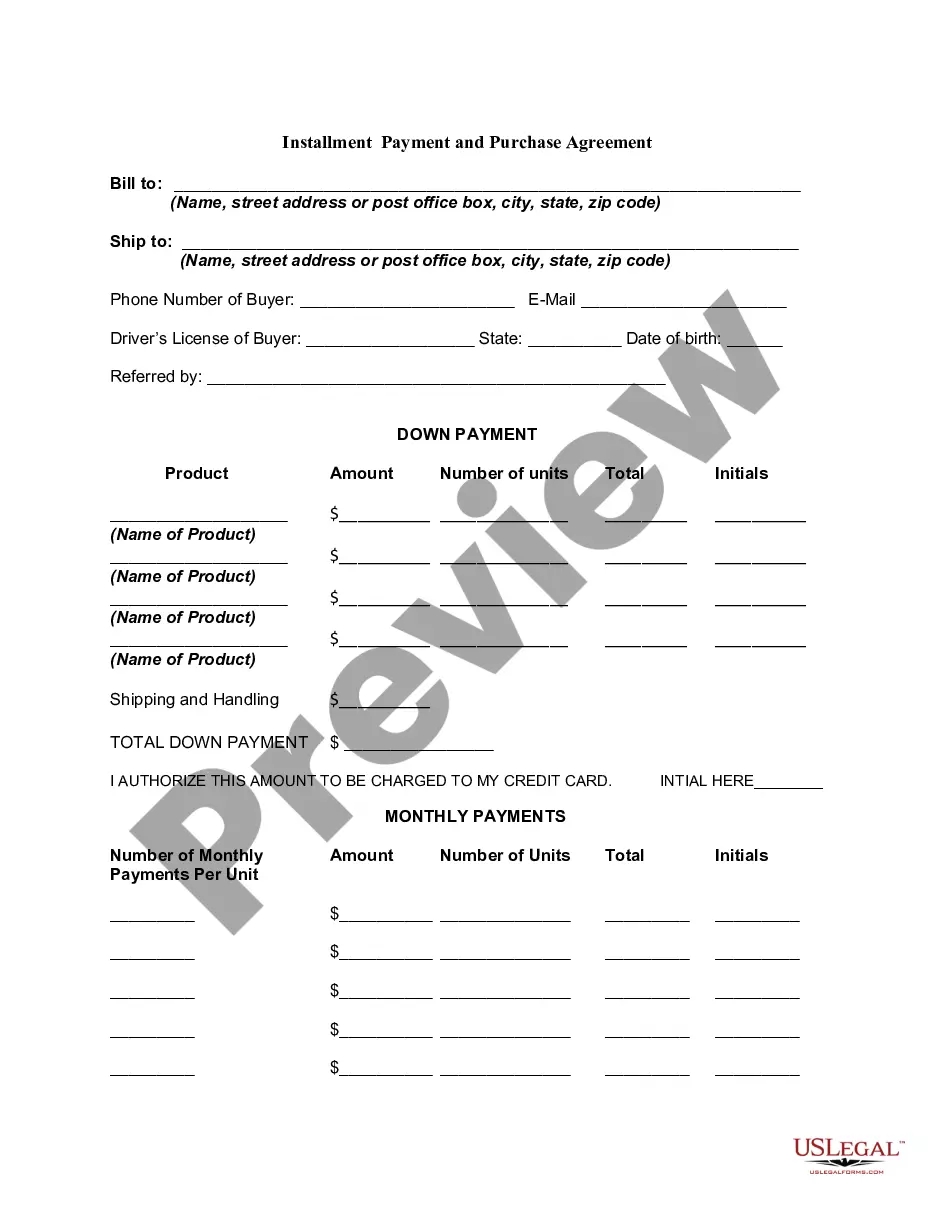
- Payment schedule: The specifics of how often payments will be made and in what amounts.
- Consequences of default: Provisions for overdue payments, including potential penalties and acceleration of the loan's due date.
- Signatures: All parties involved must sign the document, usually in the presence of a notary public.
How to complete a form
Completing an installment note for joint makers involves several steps:
- Enter the date and the total amount of the loan.
- Specify the annual percentage rate and the payment schedule, detailing the monthly installments.
- Outline the consequences of any missed payments and late fees.
- Include the addresses and information of all makers and the payee.
- Ensure all parties sign the form in front of a notary public to finalize it.
Common mistakes to avoid when using this form
Here are common pitfalls to watch out for when completing an installment note for joint makers:
- Failing to clearly specify payment terms, leading to confusion later.
- Not including all necessary signatures, which can render the document invalid.
- Overlooking to notarize the document, which is often a legal requirement.
- Neglecting to review the document for errors before signing, potentially causing disputes.
What to expect during notarization or witnessing
During the notarization process, each maker must present valid identification to the notary public. The notary will verify the identities of all parties, ensure they understand the document they are signing, and witness the actual signing. The notary will then affix their seal and signature, confirming that the document has been properly executed. It’s crucial that all makers are present at this time to avoid any future legal issues regarding the acknowledgment of their signatures.