How to Write an Answer and Defenses for Legal Complaints
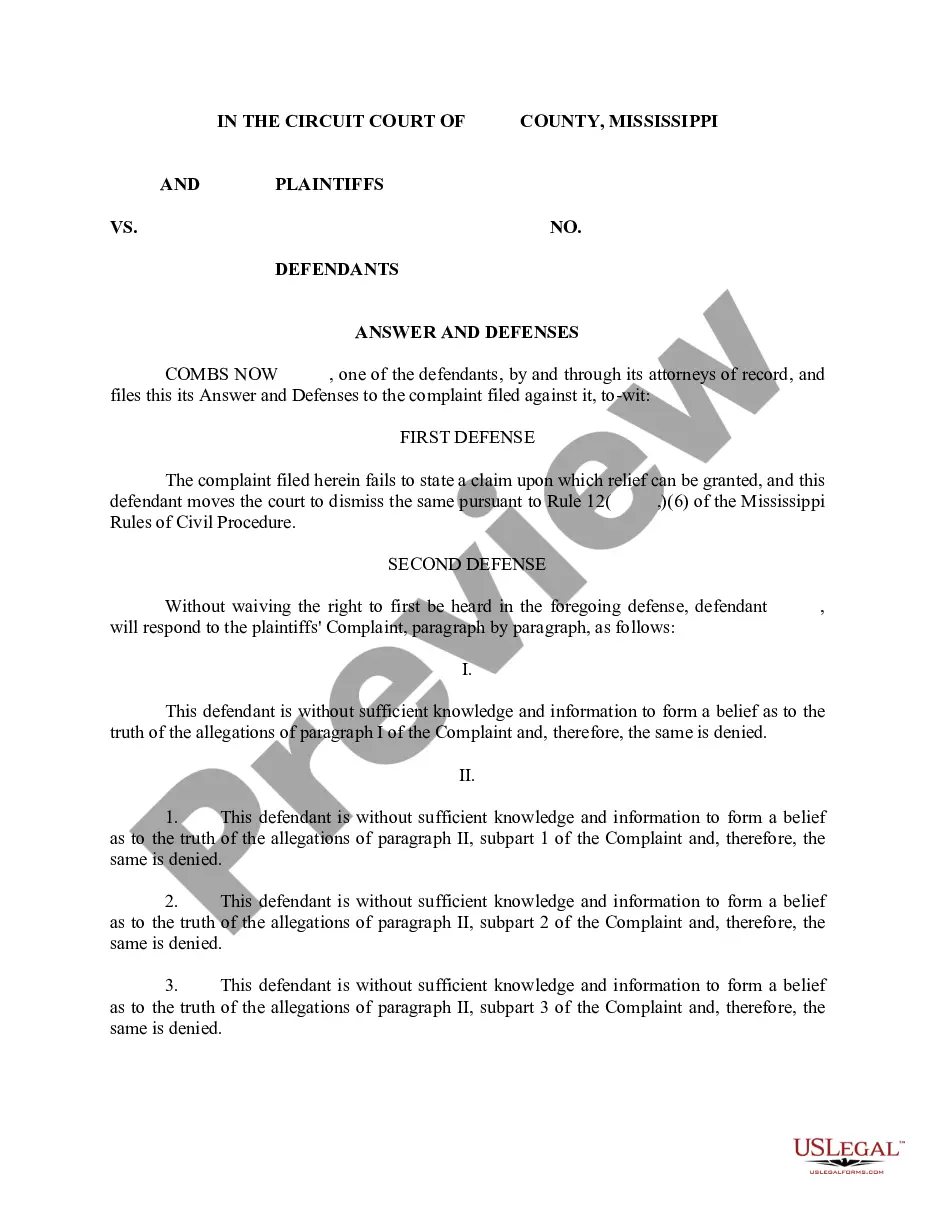
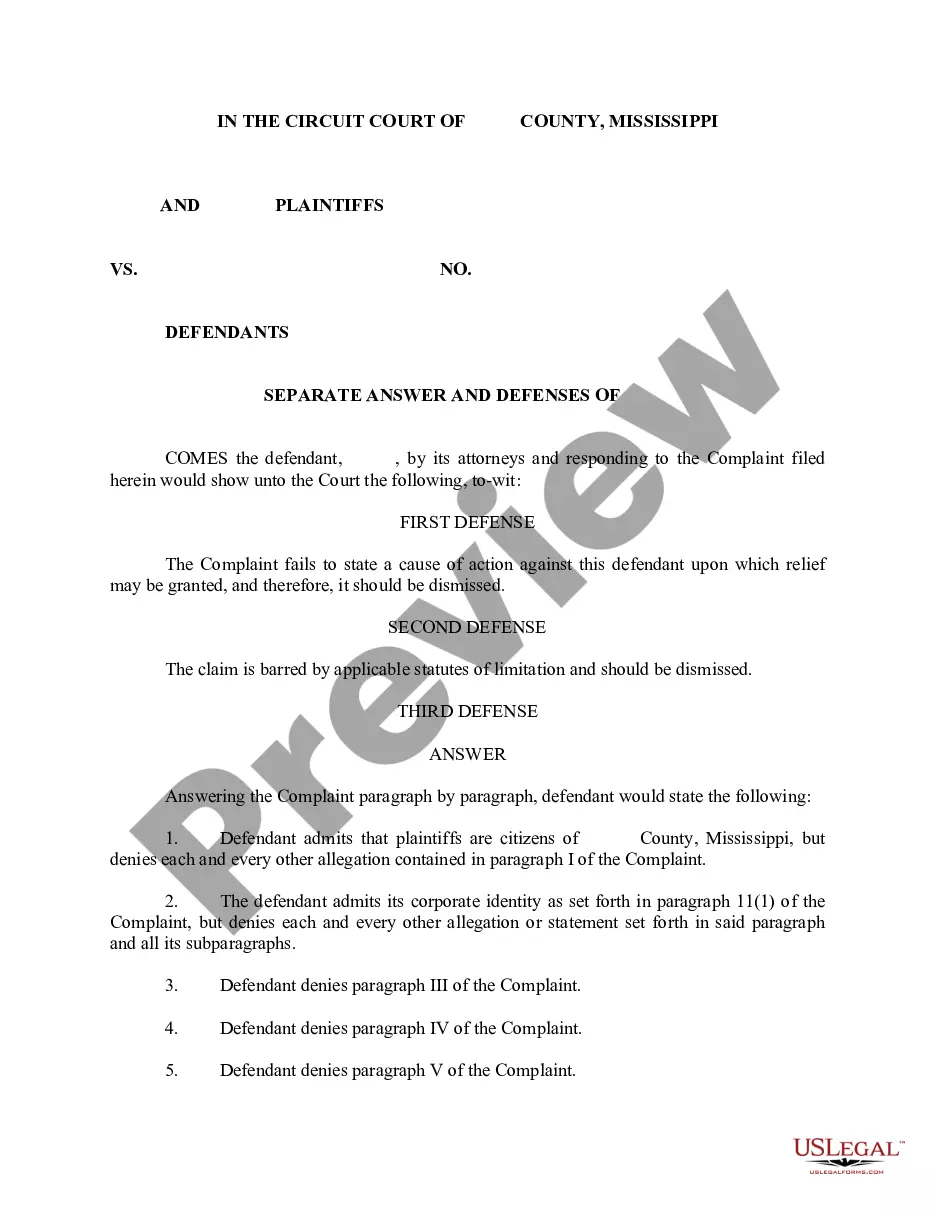
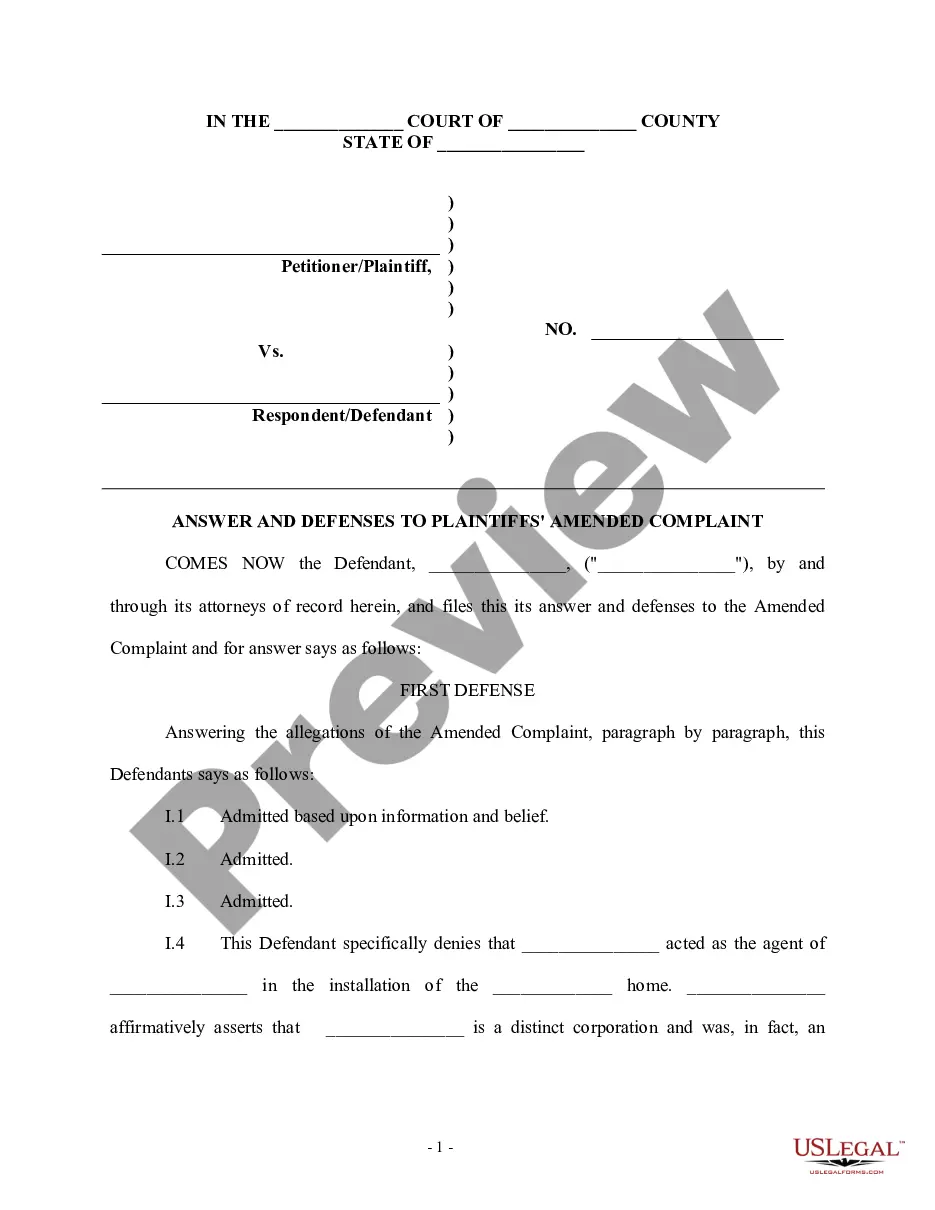
An Answer and Defenses document is a formal written response filed by a defendant in response to a complaint in a civil lawsuit. This document outlines the defendant's responses to the allegations made by the plaintiffs, asserting legal defenses and presenting any relevant counterclaims. Understanding this form is crucial as it sets the stage for how the case will proceed in court.
Key components of the form
The primary components of an Answer and Defenses document typically include:
- Heading: This section includes the court's name, the title of the case, and the case number.
- Introduction: A brief statement indicating the defendant’s response to the complaint.
- Defenses: Legal defenses against each allegation made in the complaint, articulated clearly.
- Affirmative Defenses: Additional statements that can limit or negate liability even if the allegations are true, such as statute of limitations.
- Conclusion: A closing remark requesting specific relief from the court.
How to complete a form
Completing the Answer and Defenses form involves the following steps:
- Review the complaint: Read each allegation carefully to understand your position.
- Draft your responses: Address each item in the complaint, deciding whether to admit, deny, or state that you have insufficient knowledge.
- Include defenses: Add legal defenses for each relevant allegation.
- Sign the document: Ensure it is signed by you or your attorney before filing.
- File with the court: Submit the completed document to the court and serve copies to the plaintiffs.
Common mistakes to avoid when using this form
When preparing an Answer and Defenses document, be cautious of the following common errors:
- Failing to respond to every allegation can result in default judgment.
- Not asserting appropriate defenses can weaken your case.
- Incomplete or unclear responses can lead to confusion or misinterpretation.
- Missing deadlines for filing the answer can negatively impact your legal standing.
Who should use this form
This form is designed for defendants in civil lawsuits who have been served with a complaint and need to formally respond to the allegations. It is applicable for various cases, including but not limited to, contract disputes, tort claims, and family law matters. Individuals should consider seeking legal advice if they are unsure about how to complete the form or the implications of their responses.
Legal use and context
The Answer and Defenses form is utilized within the context of civil litigation. It serves as a critical document for defendants to outline their stance in a legal proceeding and prevent the allegations from being accepted as true by default. This form is integral to the legal process as it ensures the defendant has the opportunity to contest the claims made against them, contributing to the fair resolution of the case.
What to expect during notarization or witnessing
While notarization typically is not required for an Answer and Defenses document, if you choose to have it notarized, expect the following:
- You must sign the document in the presence of the notary.
- The notary will verify your identity and willingness to sign.
- A notary seal will be affixed once the document is signed, confirming its authenticity.
This step can enhance the credibility of your submissions to the court.