How to Fill Out a Warranty Deed Step by Step
A warranty deed is a legal document used to transfer ownership of real property from one party to another. It guarantees that the grantor (the seller) holds clear title to the property and has the legal right to sell it. The warranty deed protects the grantee (the buyer) by ensuring that they will not face any claims against the property in the future.
How to complete a form
To fill out a warranty deed, follow these steps:
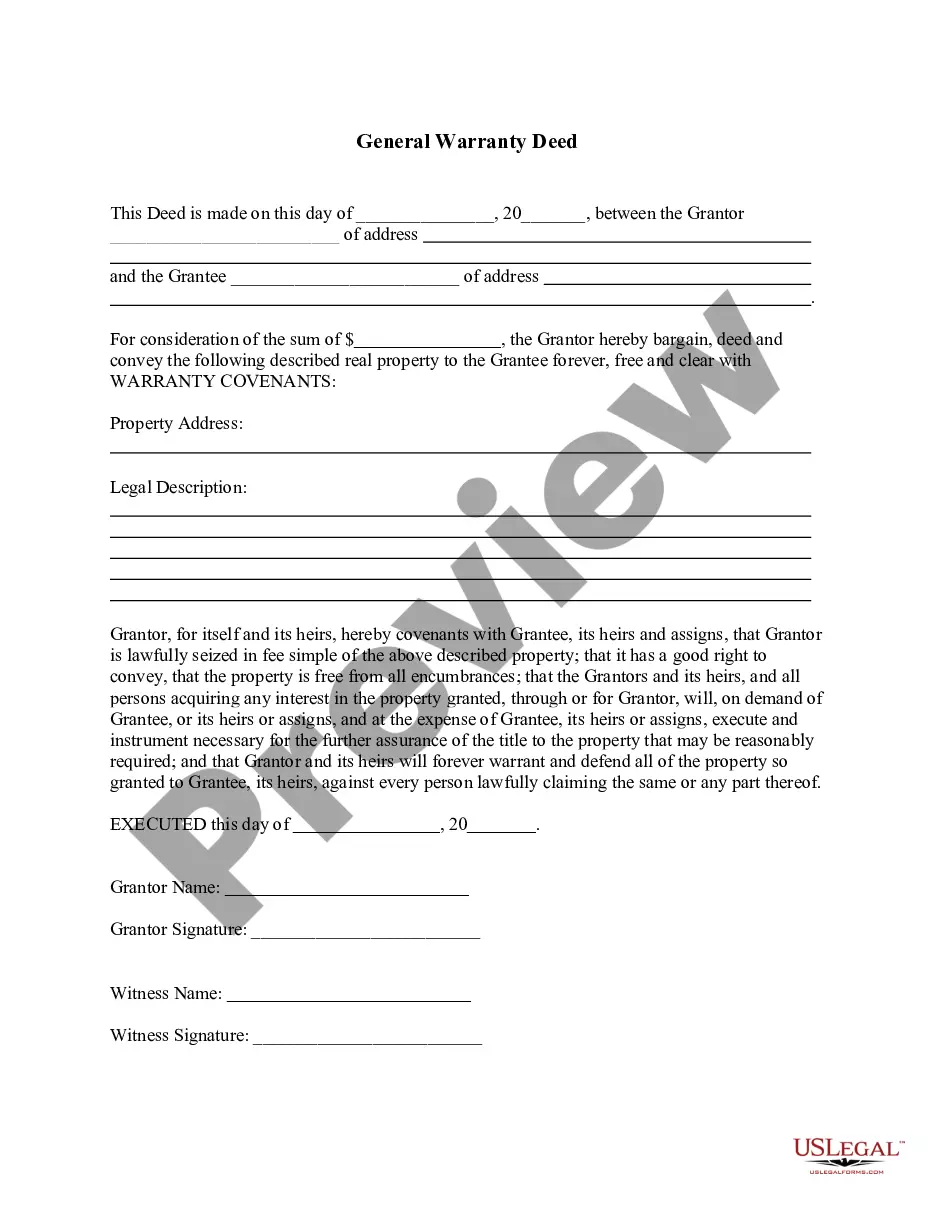
- Identify the parties: Clearly state the names of the grantor and grantee, along with their addresses.
- Describe the property: Provide a legal description of the property being transferred, including any relevant details.
- Consideration amount: Enter the amount the grantee is paying for the property.
- Signatures: Ensure both the grantor and grantee sign the deed in the appropriate sections.
- Notarization: Have the document notarized to validate the signatures.
Key components of the form
A warranty deed typically includes the following elements:
- Grantor's Name and Address: The person or entity transferring the property.
- Grantee's Name and Address: The person or entity receiving the property.
- Consideration: The payment or value exchanged for the property.
- Property Description: A detailed legal description of the property being conveyed.
- Signatures: The written agreement and acknowledgment by the grantor and grantee.
- Notary Public Acknowledgment: Confirmation by a notary that the signatures are genuine.
Common mistakes to avoid when using this form
When completing a warranty deed, be mindful of the following common pitfalls:
- Incomplete Information: Ensure all required information is filled out completely and accurately.
- Legal Description Errors: Double-check the legal description to avoid discrepancies that could invalidate the deed.
- Signing in the Wrong Place: Make sure signatures are in the designated areas to ensure authenticity.
- Not Having the Document Notarized: Failing to notarize can render the deed unenforceable.
What to expect during notarization or witnessing
During the notarization process, you will need to present the completed warranty deed to a notary public. They will verify your identity and your willingness to sign the document. The notary will then acknowledge your signature and may provide a seal or stamp on the document. This process helps protect against fraud and ensures that the transaction was executed properly.
Who should use this form
This form is primarily used by individuals or entities wishing to transfer property ownership. Typical users include:
- Homeowners selling their property.
- Real estate investors acquiring new properties.
- Family members transferring property as part of an estate plan.
Key takeaways
When filling out a warranty deed, remember to:
- Provide clear and accurate information about both parties and the property.
- Ensure the deed is notarized to be legally binding.
- Avoid common mistakes to protect against future claims or disputes.