How to Determine the Valuation of a Share of Partnership?
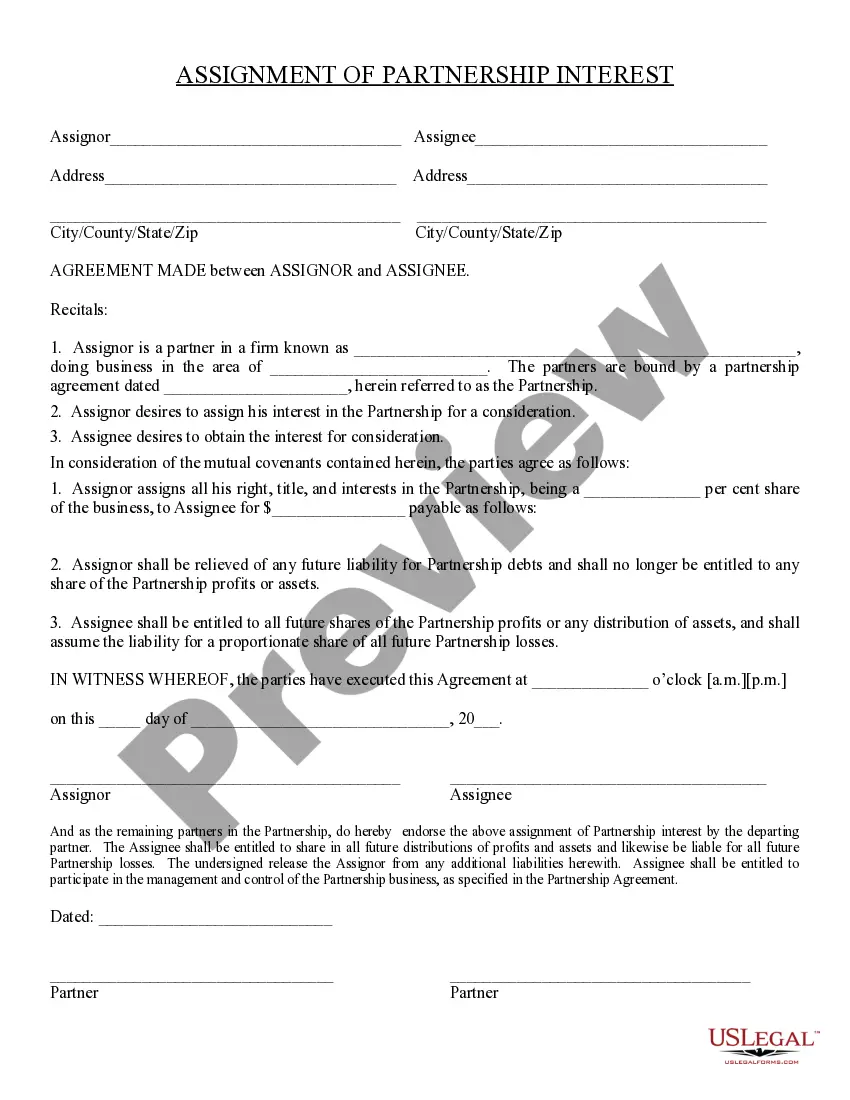
The valuation of a share of partnership refers to the process of determining the worth of a partner's ownership stake within a partnership. This share represents the partner's investment and entitlements to the partnership's profits, assets, and liabilities. Understanding this valuation is crucial, especially when a partner decides to withdraw, as it facilitates a fair buyout process and ensures equitable treatment among partners.
How to complete a form
To begin the valuation process, partners must fill out a specific form that outlines the partnership's financial situation and assets. Here are the general steps to complete the form:
- Gather relevant financial documents such as balance sheets, asset valuations, and partnership agreements.
- Fill in details regarding the partnership's assets and liabilities clearly and accurately.
- Provide the date of withdrawal if applicable, as it influences the valuation based on book value.
- Review the completed form for accuracy before submitting it to the partnership for approval.
Who should use this form
This form is primarily intended for partners in a partnership who are contemplating withdrawal. It is also useful for existing partners who need to ascertain the value of a withdrawing partner’s share to facilitate a buyout, as well as for business appraisers and legal advisors involved in the partnership's operations.
Key components of the form
The form for determining the valuation of a share of partnership includes important sections that capture essential financial data:
- Partners' details: Names and roles of each partner involved.
- Asset inventory: Detailed list of all partnership assets, including property and fixtures.
- Liabilities: All debts and obligations of the partnership that need to be settled.
- Withdrawal details: Date and terms of the withdrawing partner’s exit.
Common mistakes to avoid when using this form
When filling out the valuation form, several common errors can arise. These include:
- Neglecting to include all partnership assets and liabilities, which can lead to an inaccurate valuation.
- Using outdated financial information that does not reflect the current value of the partnership.
- Failing to accurately document the date of withdrawal, affecting the calculation of book value.
What documents you may need alongside this one
In addition to the valuation form, partners should prepare and submit several key documents to ensure an accurate evaluation:
- Current partnership agreement.
- Recent financial statements, including balance sheets and income statements.
- Asset appraisal reports for physical and intangible assets.
- Any amendments or addendums to the initial partnership agreement.
Key takeaways
Accurately determining the valuation of a share of partnership is essential for making informed decisions when a partner withdraws. Key points to remember include:
- Understanding all partnership assets and liabilities is critical to valuation.
- Proper documentation and accurate information can prevent disputes among partners.
- Consulting with legal and financial advisors can facilitate a smoother process.