How to create an agreement to perform specified tasks effectively
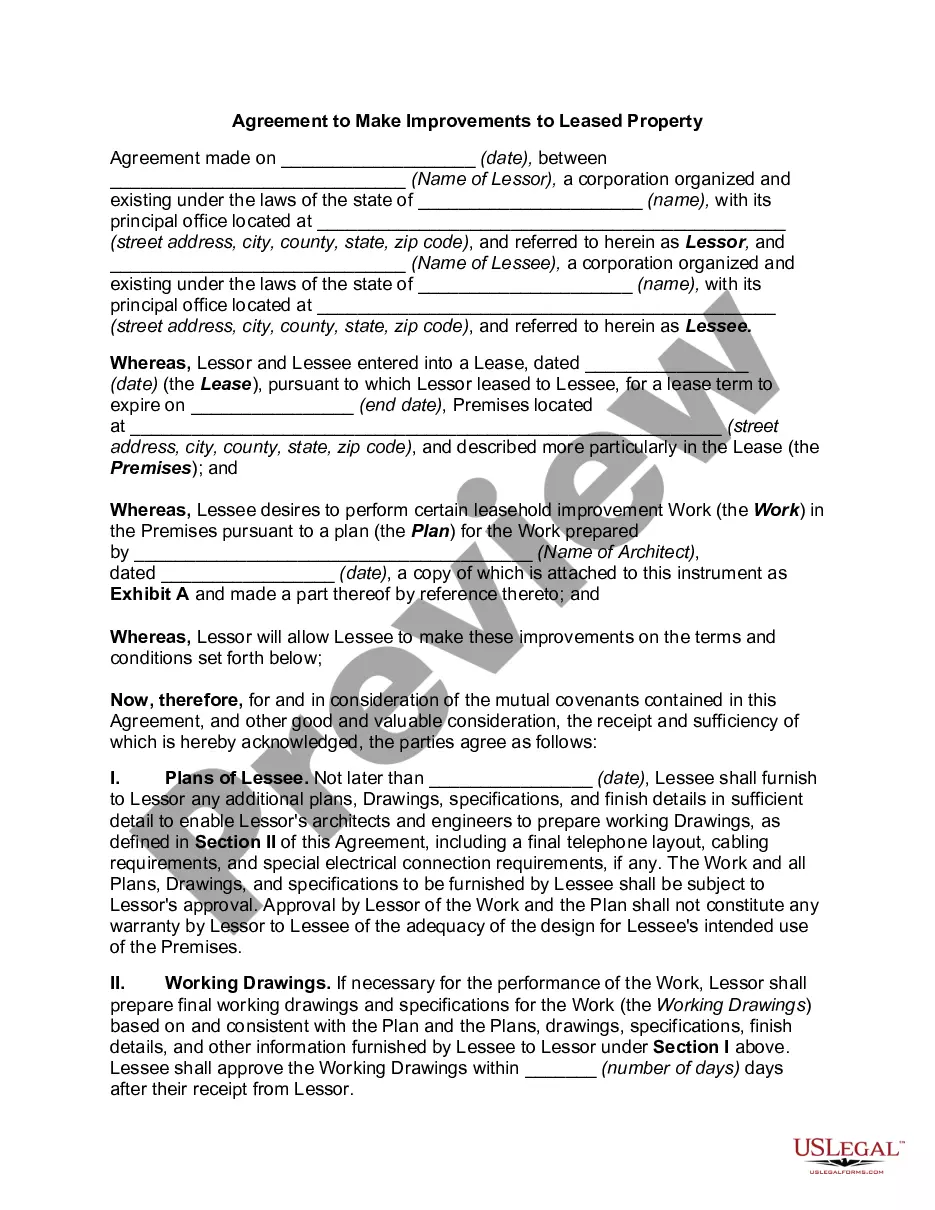
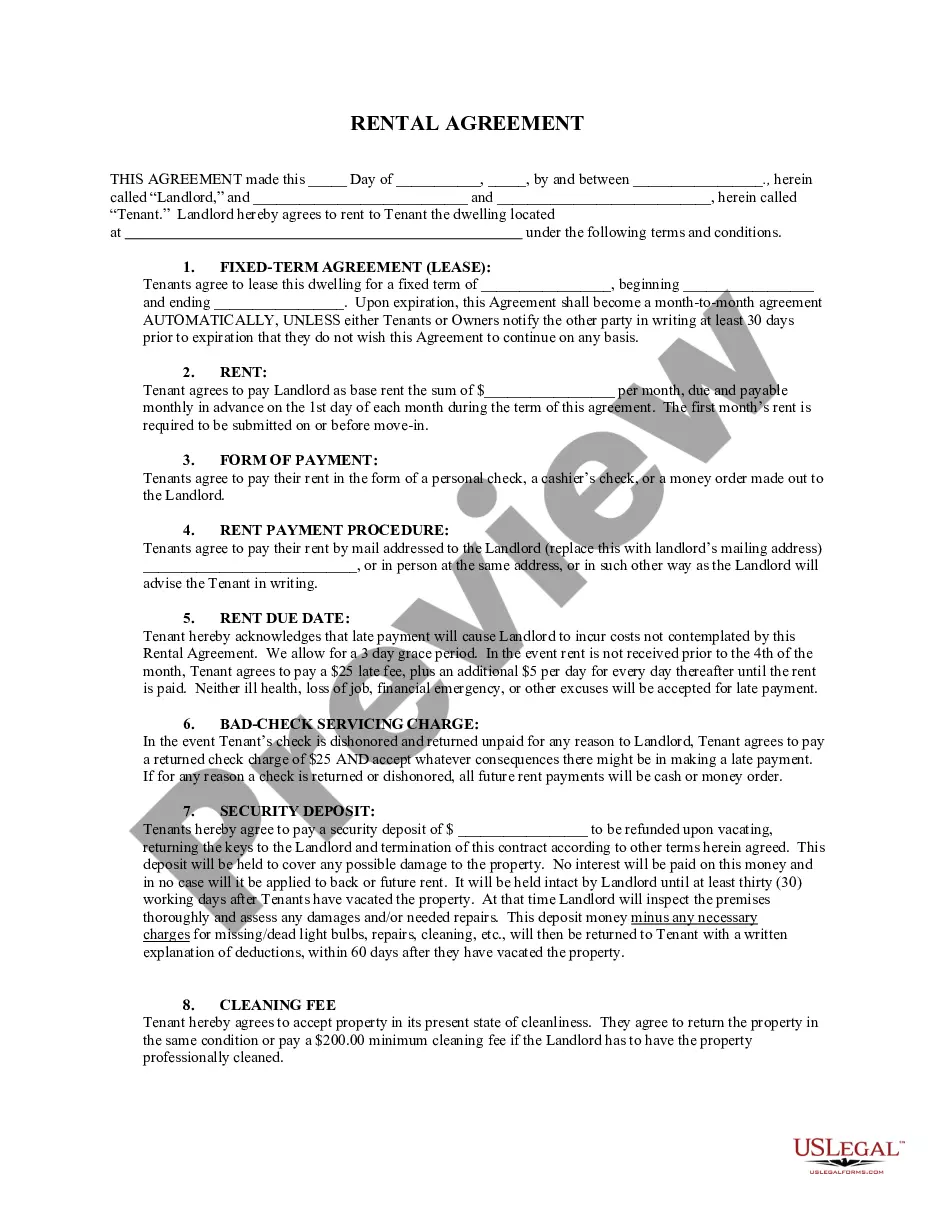
An agreement to perform specified tasks is a legal document that outlines the responsibilities and obligations of parties involved in a transaction or arrangement. Such agreements ensure clarity over the tasks to be completed, the timeframes for completion, and the consequences of failing to meet those obligations. This type of agreement can be used in various contexts, including landlord-tenant relationships, business contracts, and service agreements.
How to complete a form
To effectively complete an agreement to perform specified tasks, follow these steps:
- Begin by identifying the parties involved, including names and addresses.
- Clearly state the date of the original agreement that this document is referencing.
- List the specified tasks that need to be performed, ensuring they are detailed and unambiguous.
- Set a deadline for the completion of those tasks.
- Include provisions for what happens if the tasks are not completed on time.
- Provide spaces for signatures, including printed names and dates.
Key components of the form
Several critical elements must be included in an agreement to perform specified tasks:
- Identification of parties: Full names and contact details of all parties involved.
- Description of tasks: A clear and detailed list of the specific tasks to be performed.
- Deadline: The agreed-upon date for task completion.
- Consequences for non-completion: Outlining actions to be taken if agreed tasks are not completed on time.
- Legal context: Any relevant statutes or acts that govern the agreement.
Who should use this form
This form is suitable for anyone entering into an agreement where specific tasks are to be performed. Common scenarios include:
- Landlords and tenants establishing responsibilities related to property maintenance.
- Contractors and clients outlining job specifications.
- Business partners defining project roles and deliverables.
In general, any party that wishes to formalize an arrangement involving task completion can benefit from using this form.
Common mistakes to avoid when using this form
When drafting an agreement to perform specified tasks, avoid these common pitfalls:
- Failing to clearly specify tasks, leading to misunderstandings.
- Not setting a realistic deadline for task completion.
- Neglecting to include what happens if tasks are not completed.
- Using vague language that leaves room for interpretation.
- Omitting signatures, which can render the agreement unenforceable.
Legal use and context
This agreement serves a crucial purpose in various legal contexts. It formalizes the expectations of the involved parties and may be used in disputes if tasks are not performed as agreed. It also helps ensure compliance with applicable laws and regulations, such as those governing residential landlord-tenant relationships. Understanding the legal implications of this agreement is vital for all parties involved to protect their rights and interests.