How to complete a realty mortgage: A step-by-step guide
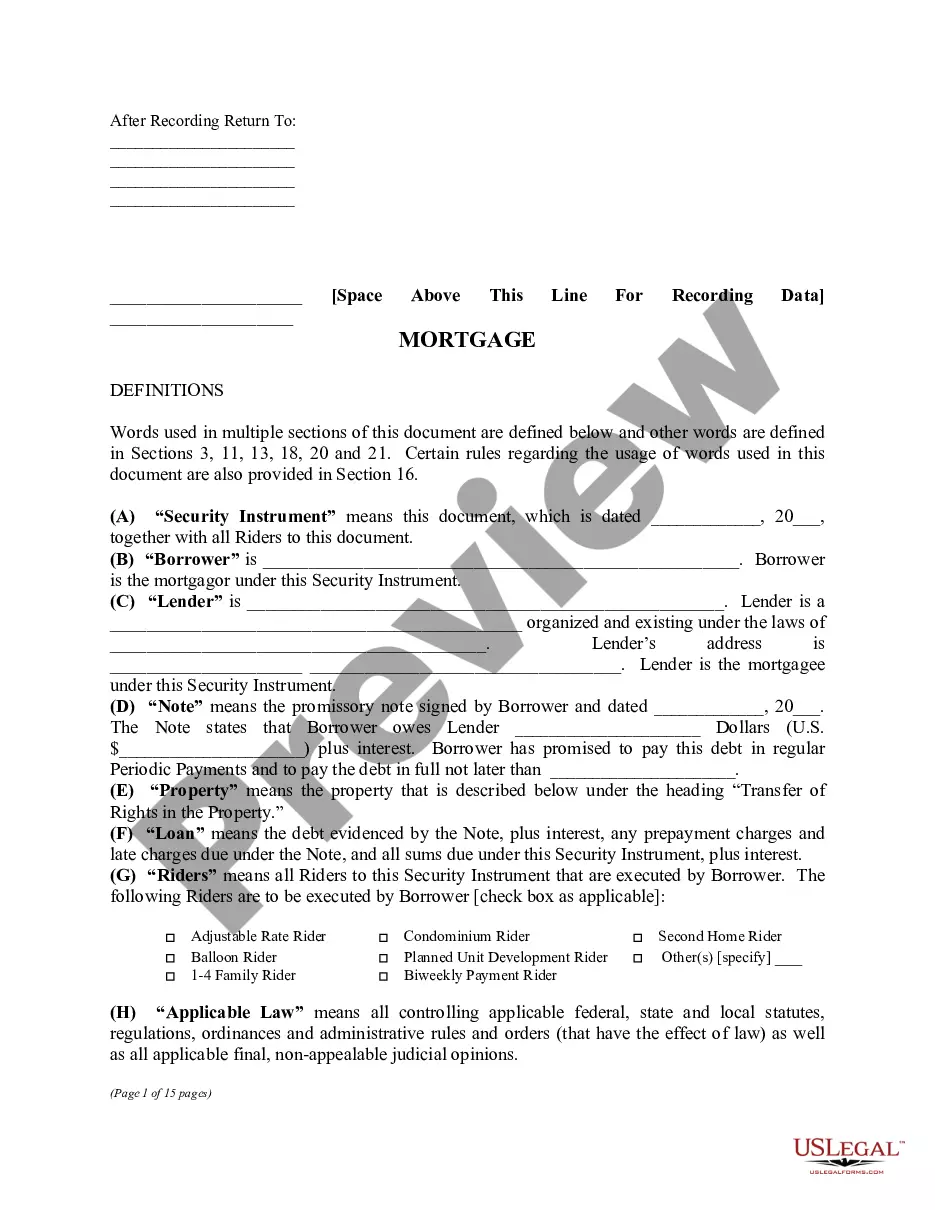
A realty mortgage is a legal document that secures a loan with real estate as collateral. It creates a lien on the property, giving the lender (known as the mortgagee) the right to take possession of the property if the borrower (known as the mortgagor) fails to fulfill their repayment obligations. In essence, the mortgage allows the borrower to access funds while the lender ensures their investment is protected through the property itself.
How to complete a form
Filling out a realty mortgage form involves several steps:
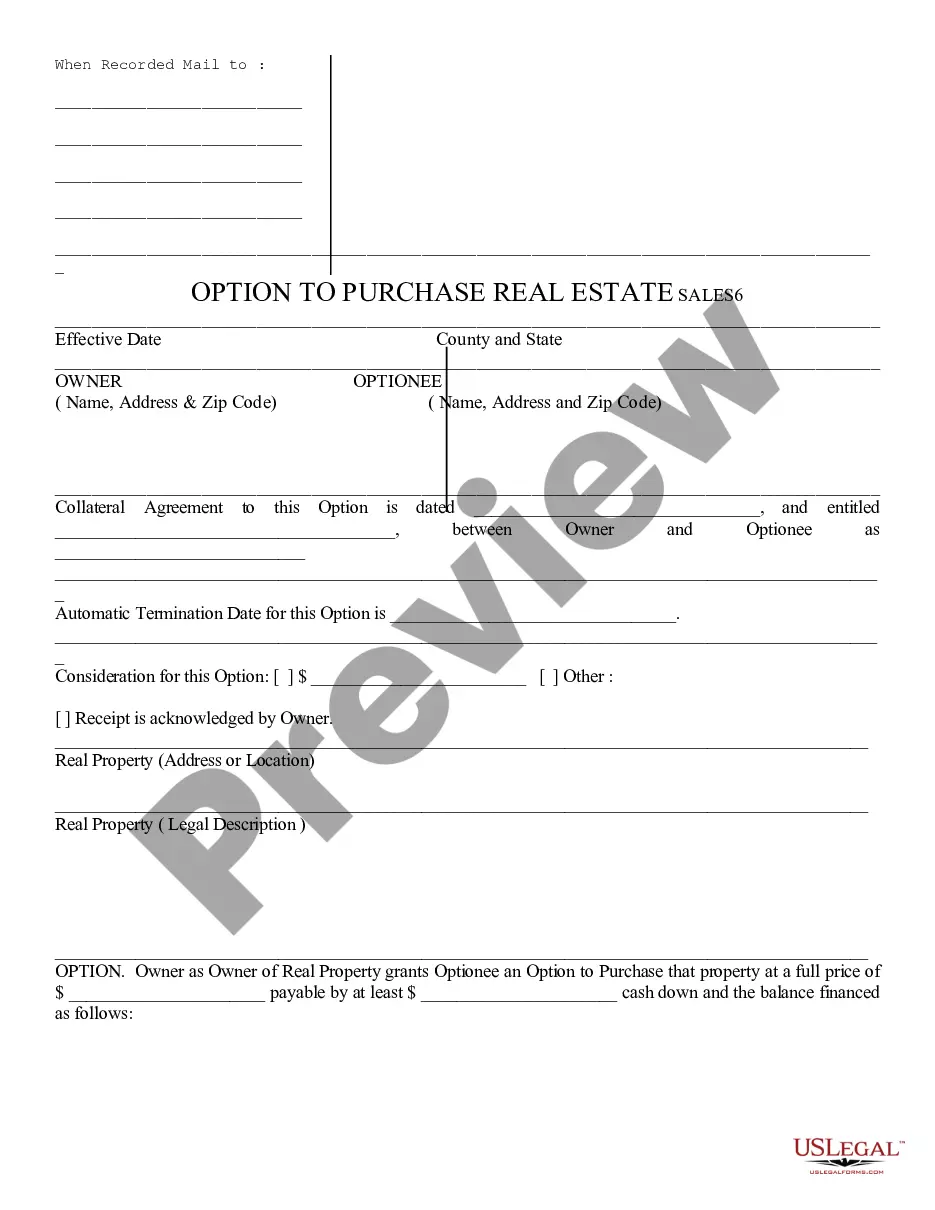
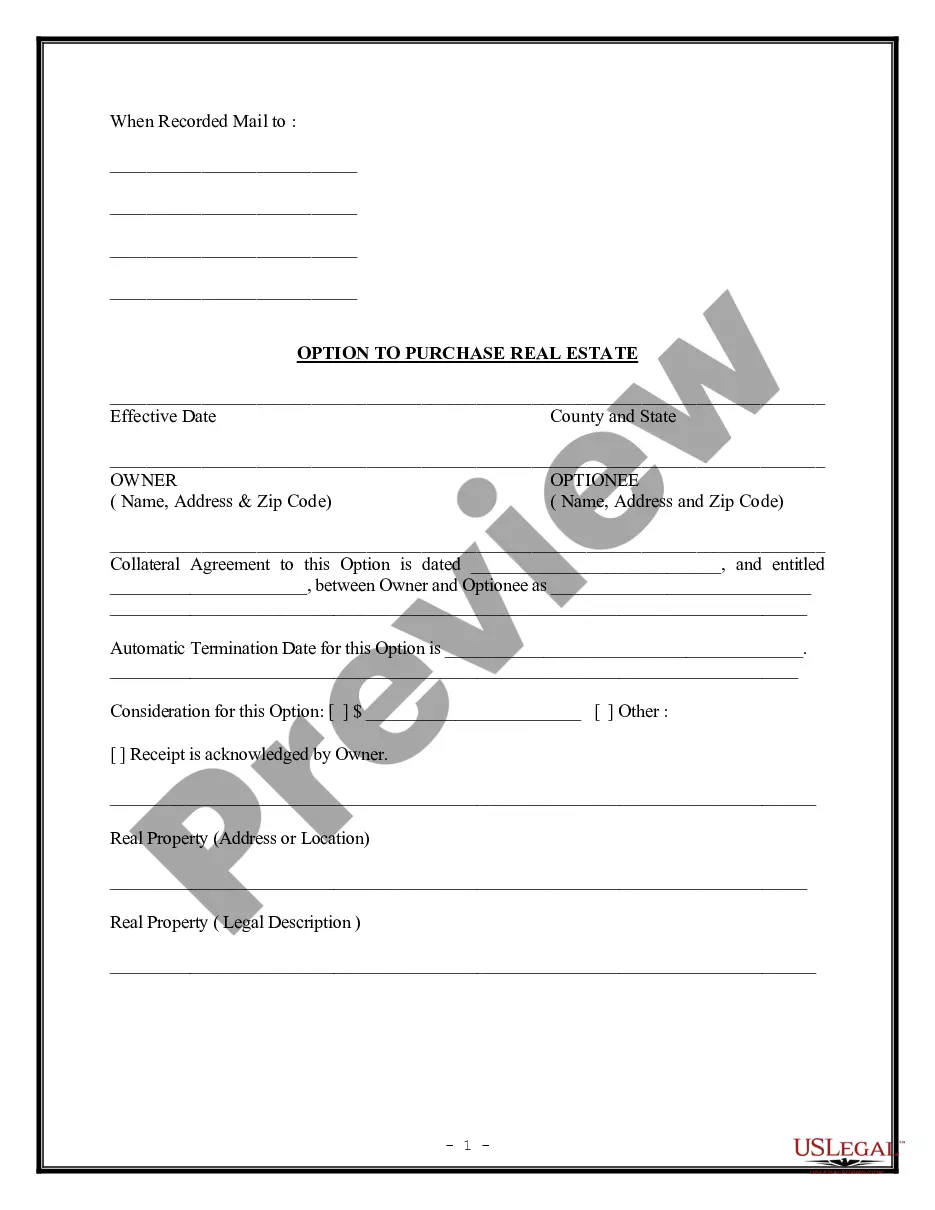
- Gather your information: Collect personal information, including names, addresses, and contact details of both the borrower and lender.
- Identify the property: Clearly describe the mortgaged property by providing its address and legal description.
- Clarify the obligation: State the nature of the obligation secured, including the amount borrowed and any parties involved.
- Sign and date: Both parties must sign the mortgage in the appropriate places and date the document.
- Notarization: Arrange for a notary public to witness the signing, if required by state law.
Ensure all details are accurate to avoid issues in the future.
Key components of the form
A realty mortgage typically includes the following key components:
- Mortgagor and mortgagee information: Names and addresses of the borrower and lender.
- Description of the property: The address and legal description must be clearly stated.
- Amount of loan: Clearly specify the loan amount being secured by the mortgage.
- Consideration: Note the consideration provided for the mortgage.
- Additional covenants: Include provisions regarding taxes, insurance, maintenance, and potential default scenarios.
These components ensure that all necessary legal grounds are covered and protect both parties' interests.
Common mistakes to avoid when using this form
When completing a realty mortgage, it’s important to avoid the following common mistakes:
- Incomplete information: Ensure all fields are filled out completely, including signatures and dates.
- Incorrect legal description: Provide an accurate and complete legal description of the property to avoid disputes later.
- Neglecting notarization: Remember to notarize the document when required, as failure to do so may render it invalid.
- Failing to read terms: Review all terms and conditions before signing to ensure understanding of obligations.
- Not keeping copies: Always retain a copy of the signed document for future reference.
What documents you may need alongside this one
When preparing to complete a realty mortgage, be sure to have the following documents available:
- Property deed: A copy of the property deed helps verify ownership.
- Financial documents: Provide proof of income or creditworthiness if required by the lender.
- Title report: A title report can confirm there are no other liens against the property.
- Insurance documentation: Proof of any insurance policies required by the lender for the mortgaged property.
Gathering these documents beforehand can streamline the mortgage process.
What to expect during notarization or witnessing
During the notarization of a realty mortgage, you can expect the following process:
- Identification: The notary will verify the identity of all signatories by reviewing valid identification.
- Witnessing signatures: The notary must witness the signing of the document to ensure authenticity.
- Documentation: The notary will complete their section of the document, adding their signature and seal.
- Recording: After notarization, the mortgage may need to be recorded with the appropriate government office, depending on local laws.
This process is crucial for establishing the legal validity of the mortgage.