How to file a notice of lien for medical services by hospital
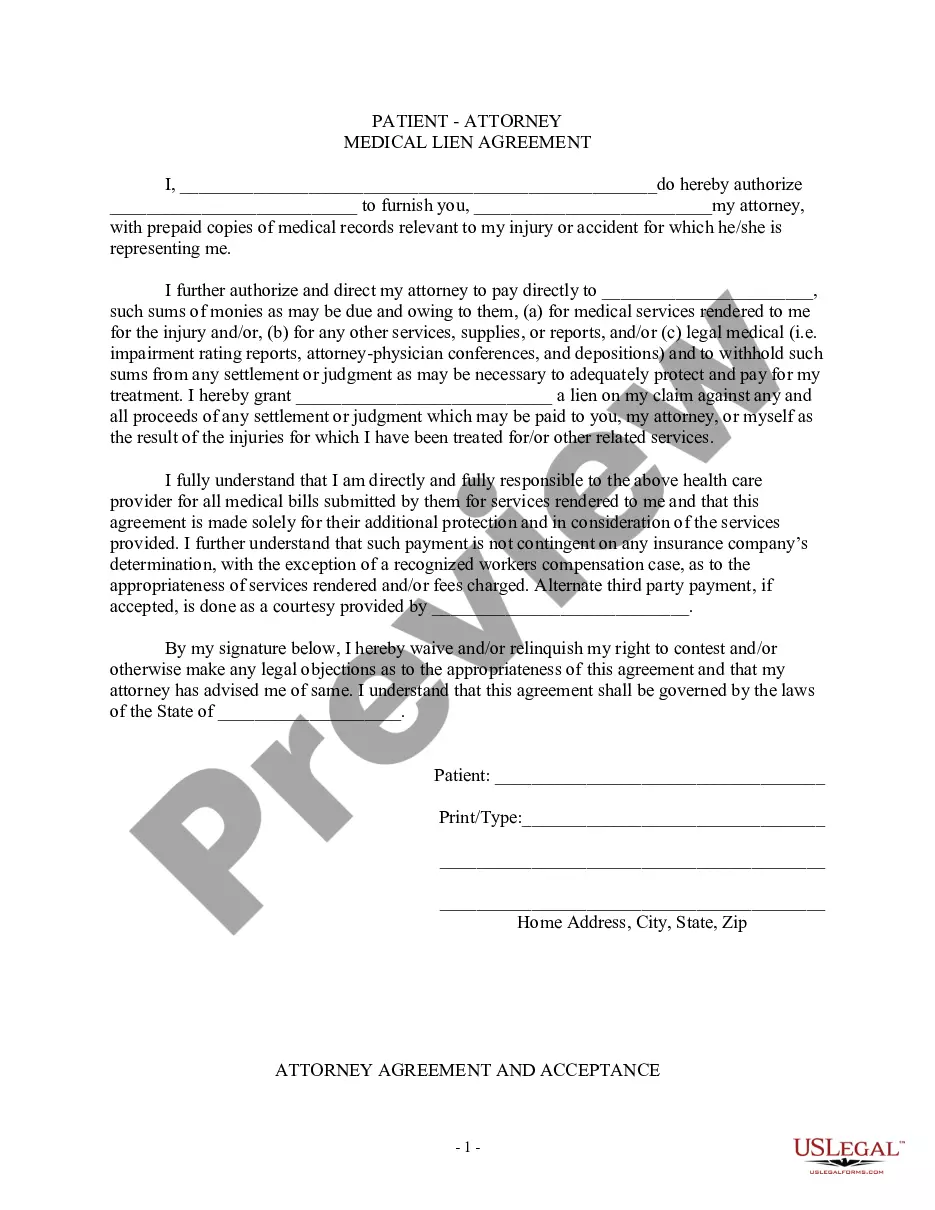
A notice of lien for medical services by a hospital is a legal document that asserts the right of the hospital to claim payment for medical services rendered to a patient. This lien allows the hospital to seek reimbursement from any third parties who may be responsible for the medical expenses incurred by the patient. It typically arises in cases of personal injury, where an individual receives medical treatment following an accident or injury caused by someone else.
How to complete the form
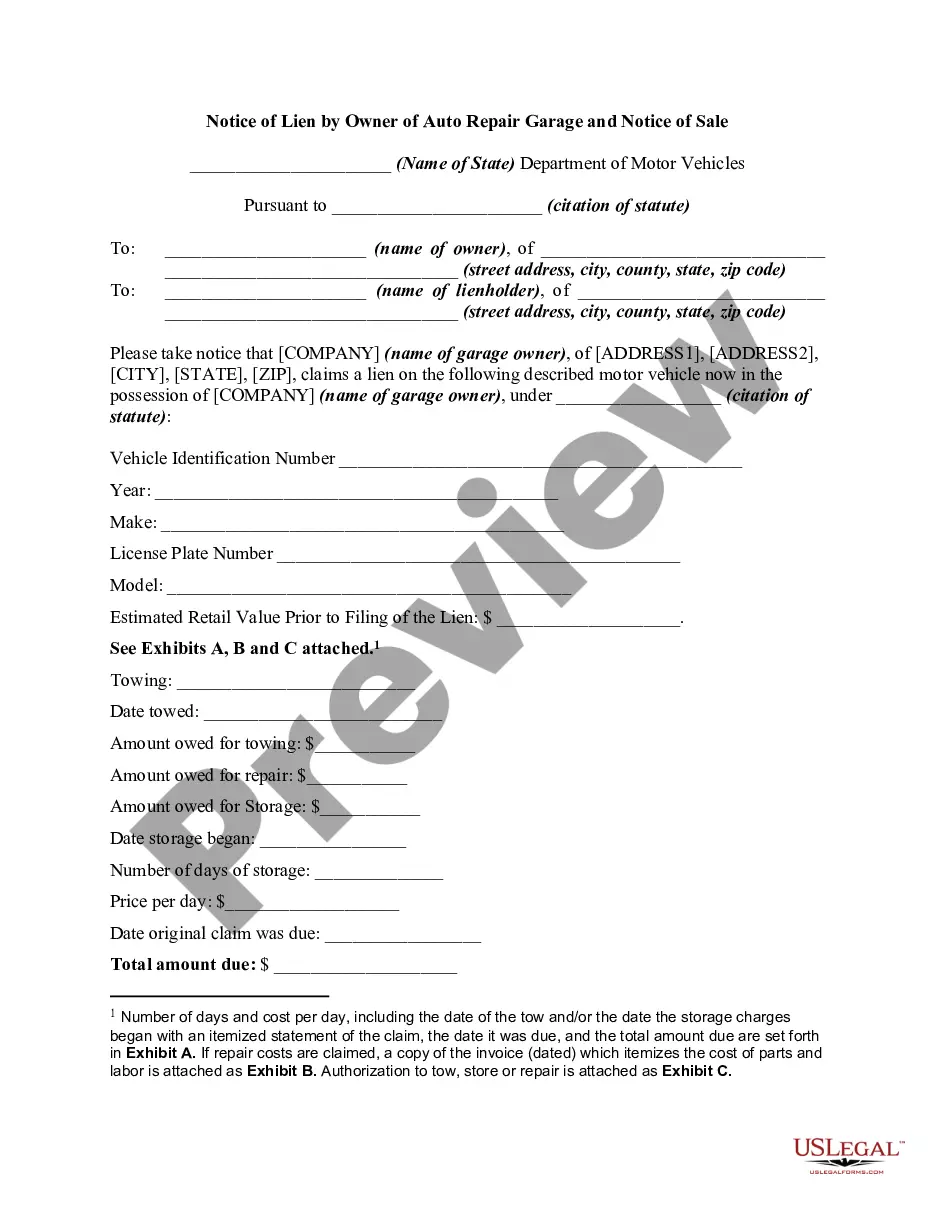
To accurately complete the notice of lien for medical services by a hospital, follow these steps:
- Identify the claimant: Enter the name of the hospital or medical facility claiming the lien.
- Provide patient details: Include the full name of the injured person and the date of the incident.
- Detail services rendered: Specify the types of services provided (hospitalization, physician services, etc.) and the dates during which they were rendered.
- State amounts due: Clearly indicate the total amount claimed, any payments received, and the remaining balance that is unpaid.
- Sign and date: The authorized representative of the hospital must sign the document, along with having it notarized if required.
Who should use this form
This form is intended for use by hospitals, clinics, or medical providers that have provided services to an individual who suffered injuries due to an accident or third-party negligence. It is essential for healthcare providers seeking to secure their claims for payment from insurance companies or liable parties.
Legal use and context
The notice of lien serves a critical legal purpose by protecting the financial interests of medical providers. In many jurisdictions, hospitals are permitted to file such liens as a means to ensure they receive payment for services when other parties are liable for a patient's injury. This legal mechanism is particularly relevant in personal injury cases, where medical costs need to be compensated by insurance settlements or judgments.
Common mistakes to avoid when using this form
To ensure the notice of lien is valid and enforceable, avoid the following common mistakes:
- Incomplete information: Ensure all required fields are filled in with accurate information.
- Missing signatures: The document must be signed by an authorized representative of the hospital.
- Neglecting notarization: Some jurisdictions require notarization for the lien to be legally effective.
- Incorrect amounts: Double-check amounts owed to avoid disputes or challenges.
What documents you may need alongside this one
When filing a notice of lien for medical services by a hospital, it may be necessary to provide additional documentation to support the claim. These can include:
- Copies of the medical records detailing the services provided
- Invoices or bills itemizing the charges for treatment
- Evidence of the incident that caused the injuries, such as police reports or accident documentation
What to expect during notarization or witnessing
When a notice of lien requires notarization, you can expect the following process:
- The signer must present a valid form of identification.
- The notary will verify the identity of the signer and witness the signing of the document.
- The notary will then affix their seal, indicating the document has been properly notarized.
It's essential to check local regulations, as requirements may vary by jurisdiction.