How to file an emergency order for child custody or visitation?
An emergency order for child custody or visitation is a legal document that allows a court to make immediate decisions regarding the temporary custody or visitation rights of a child. This type of order is typically requested when there is a concern about the immediate safety or well-being of the child. Such an order can be filed without prior notice to the other party if notifying them could cause harm or if it’s impractical to do so.
Who should use this form
This form is intended for individuals who are facing urgent circumstances that require immediate legal intervention regarding the custody or visitation of a child. This may include cases of potential harm, neglect, or other emergency situations that threaten the child's safety. Parents or legal guardians who believe that their child is in immediate danger should consider filing an emergency order.
Key components of the form
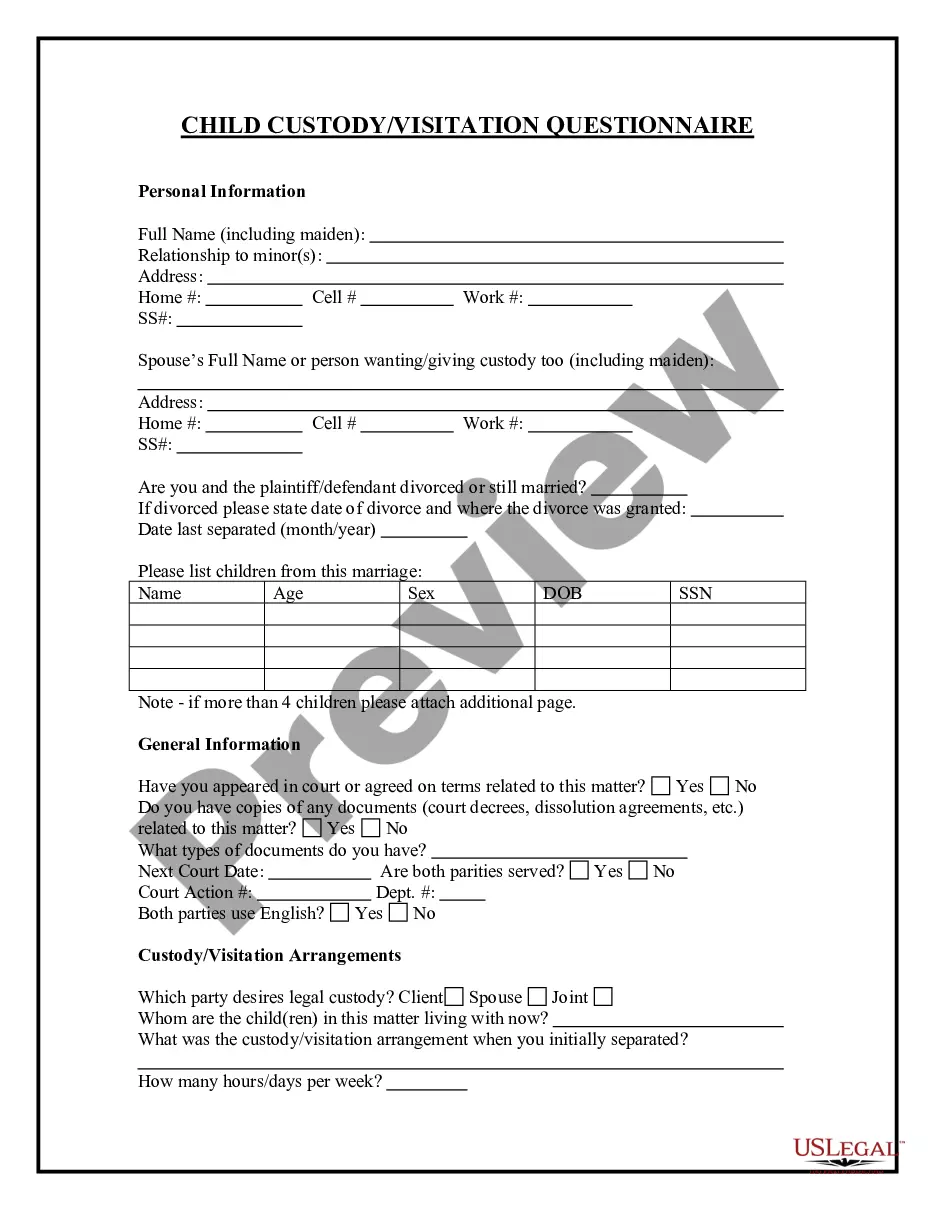
The emergency order form typically includes:
- A section for the petitioner to provide their personal information, including name and address.
- Details outlining the nature of the emergency, including specific concerns for the child’s safety.
- A list of children covered by the order, including their names and dates of birth.
- The court's findings that justify the emergency order.
- Instructions for notifying the other party and scheduling a court hearing.
Common mistakes to avoid when using this form
When filing for an emergency order, it's crucial to avoid these common mistakes:
- Failing to provide sufficient evidence to support the claim of urgency.
- Not properly completing all required sections of the form.
- Neglecting to include necessary documentation that may support the emergency claim.
- Overlooking deadlines for notifications and court appearances.
What documents you may need alongside this one
Along with the emergency order form, you may need to provide:
- Any previous court orders related to custody or visitation.
- Evidence of the emergency or potential harm, such as medical records, police reports, or witness statements.
- Financial information if requesting child support or related orders.
What to expect during notarization or witnessing
If your jurisdiction requires the emergency order to be notarized or witnessed, expect the following:
- You will need to sign the document in the presence of a notary public or witness, who will also sign to verify your identity.
- Bring valid identification to confirm your identity.
- Make sure you understand the content of the document before signing, as notaries cannot provide legal advice.
Key takeaways
When filing an emergency order for child custody or visitation, remember to:
- Clearly articulate the emergency and provide supporting evidence.
- Complete all required sections of the form accurately.
- Be prepared to follow up with a court hearing to discuss the order further.