How to create a marriage termination agreement: A step-by-step guide
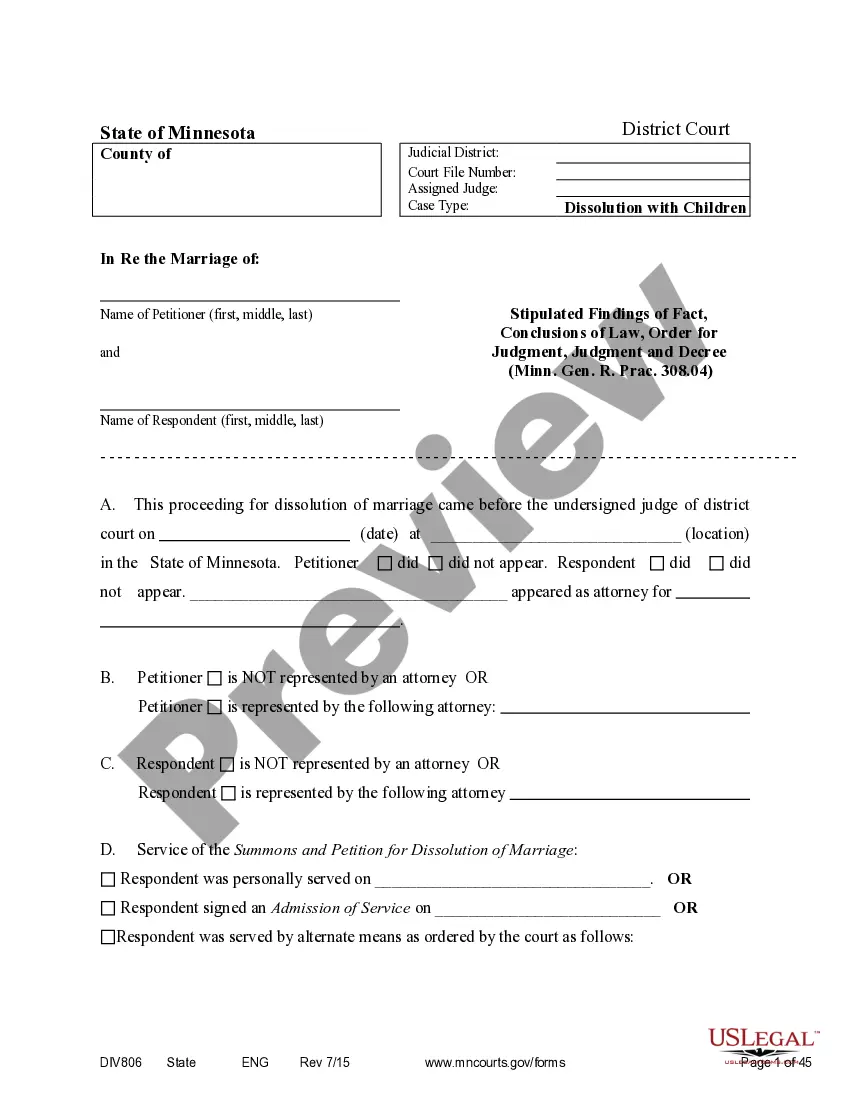
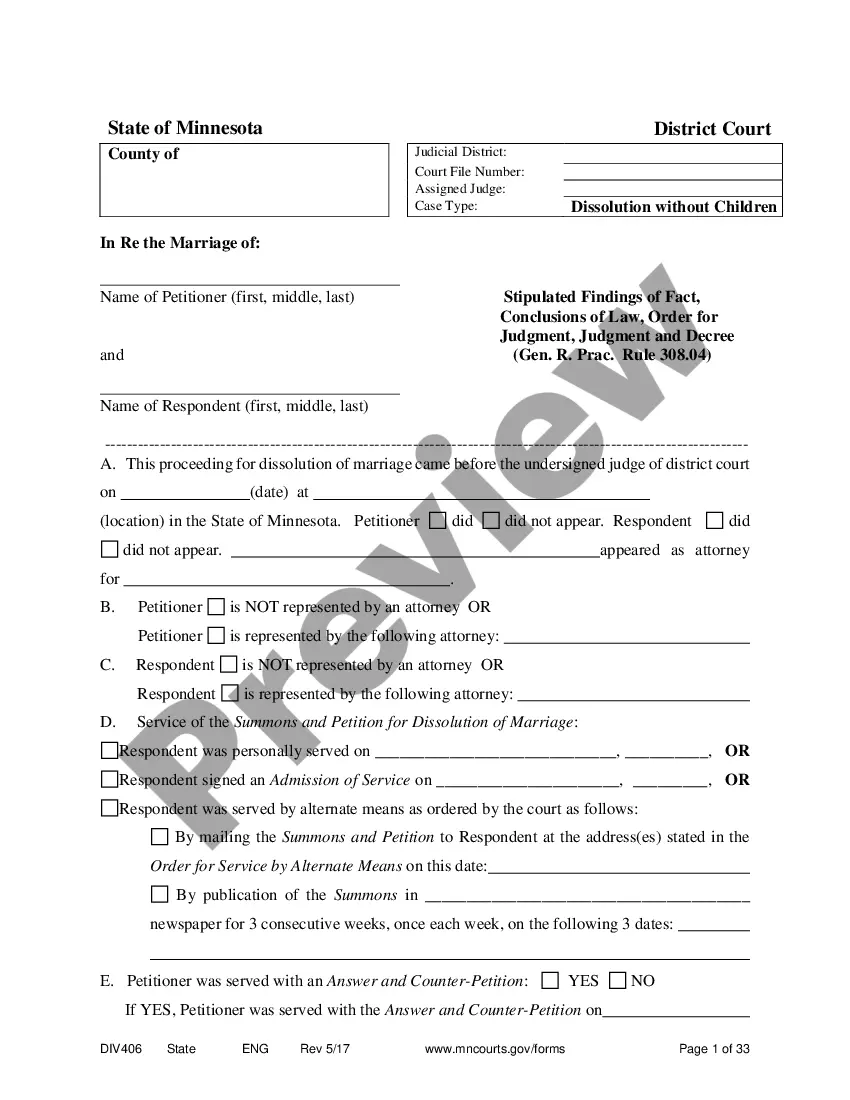
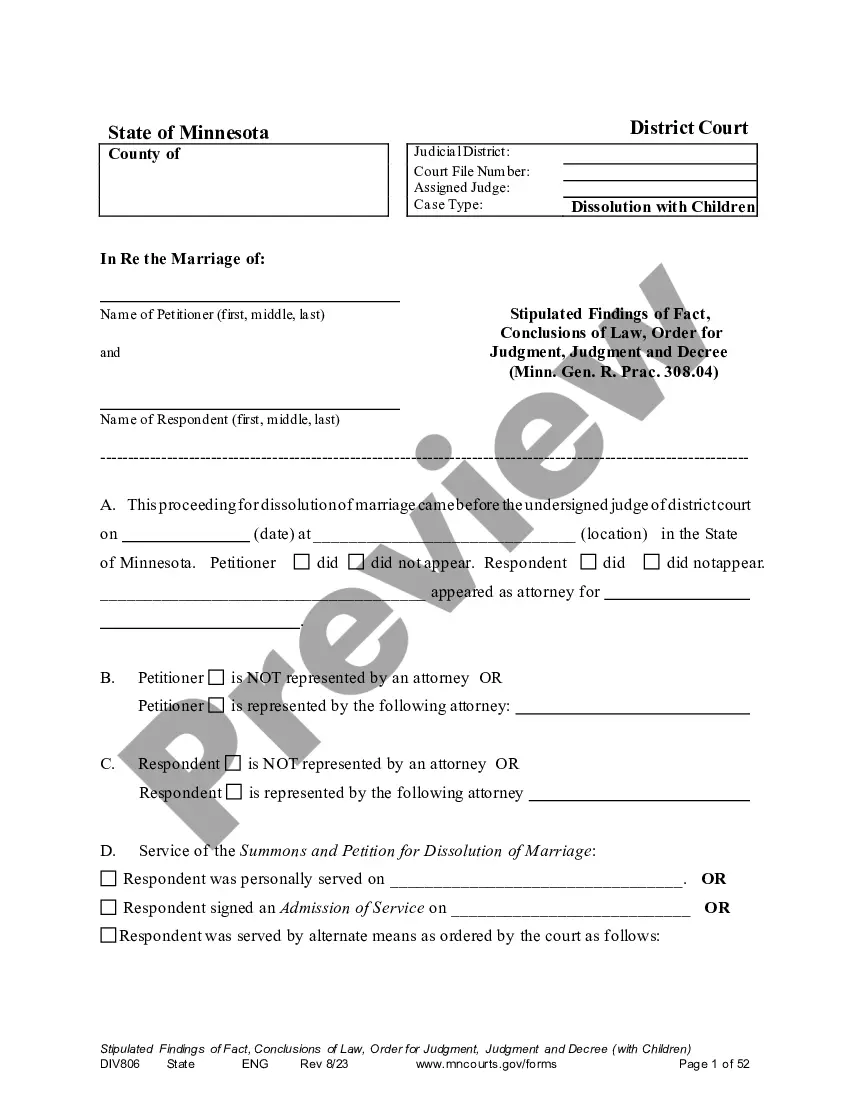
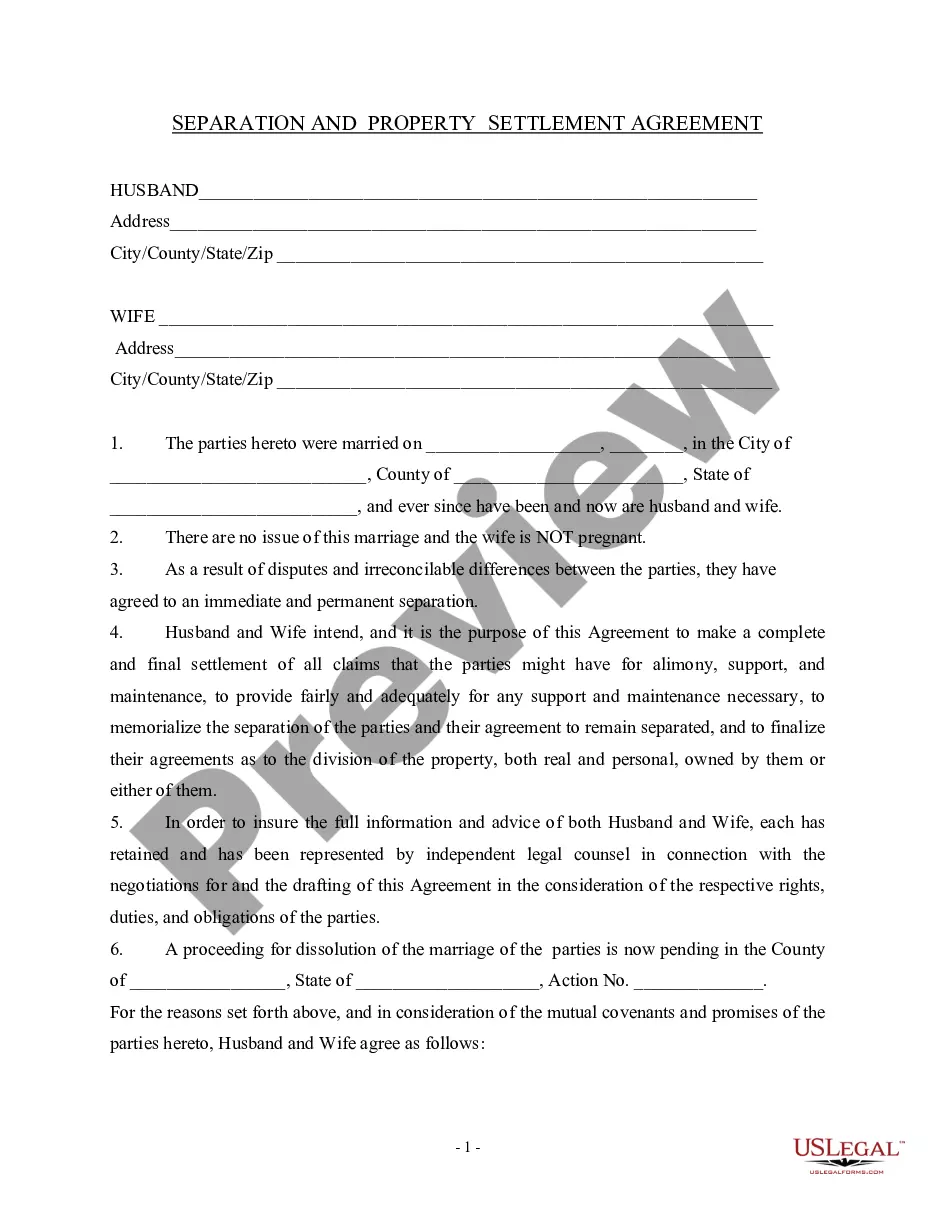
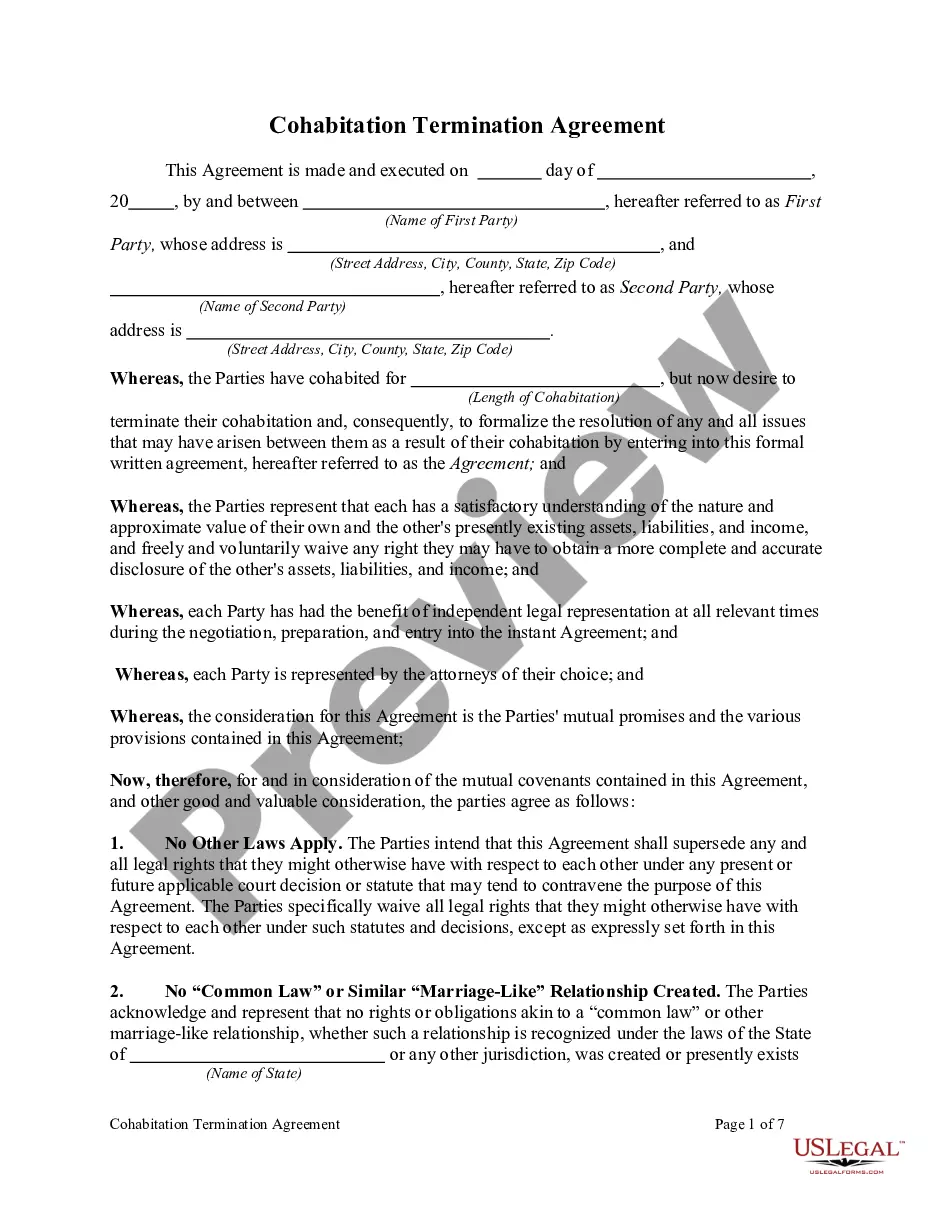
A marriage termination agreement, often referred to as a dissolution agreement, is a legal document that outlines the terms under which a couple agrees to end their marriage. This agreement covers various aspects such as property division, spousal support, and other relevant issues that may arise during the dissolution process. It is essential for both parties to ensure that the document accurately reflects their mutual understanding and agreements to facilitate a smoother legal process.
How to complete a form
Completing a marriage termination agreement involves several key steps:
- Identify the parties: Both spouses must be clearly identified in the agreement.
- List assets and debts: Each party should provide a comprehensive list of all marital assets and debts.
- Negotiate terms: Both parties should discuss and agree on the division of property, financial support, and any other relevant terms.
- Draft the agreement: Prepare the document, ensuring that all agreed-upon terms are included.
- Review with legal counsel: Each party should consider having the agreement reviewed by a licensed attorney.
- Sign and notarize: Both parties must sign the agreement, and it may need to be notarized before filing.
Who should use this form
A marriage termination agreement is suitable for individuals or couples who are legally dissolving their marriage and have resolved issues related to property division and support. This document may also benefit couples seeking a clear understanding of their rights and obligations, particularly when children or significant assets are involved. It is advisable for both parties to consult legal professionals to ensure that their interests are adequately protected.
Key components of the form
When drafting a marriage termination agreement, consider including the following key components:
- Identification of both parties.
- Division of marital property, including real estate, bank accounts, and personal belongings.
- Details regarding alimony or spousal maintenance, if applicable.
- Custody arrangements for any children, including visitation and support obligations.
- Clarification of any debts and who will be responsible for their repayment.
- Signatures of both parties and possible witnesses or notaries.
Common mistakes to avoid when using this form
To prevent issues with a marriage termination agreement, avoid these common mistakes:
- Failing to disclose all assets and debts: It is vital for both parties to be transparent about their financial situations.
- Not consulting a legal professional: Without legal advice, parties may overlook important legal rights or obligations.
- Leaving out crucial details: Ensure all terms are specifically outlined to avoid future disputes.
- Neglecting to notarize the document: Notarization may be necessary for the agreement to be enforceable.
What documents you may need alongside this one
When preparing a marriage termination agreement, the following documents may be required:
- Proof of identity for both parties.
- Financial statements outlining assets and debts.
- Any existing prenuptial agreements.
- Tax returns from the previous years.
- Documentation related to children, such as birth certificates or previous custody agreements.
What to expect during notarization or witnessing
During the notarization process, both parties will need to present valid identification to the notary public. The notary will verify the identities and ensure that both parties are signing willingly. It is crucial to execute the agreement in the presence of the notary to validate it legally. Additionally, some jurisdictions may require witnesses to observe the signing, so be sure to check local requirements to ensure compliance.