What Is Certification for Medical Records and Its Importance
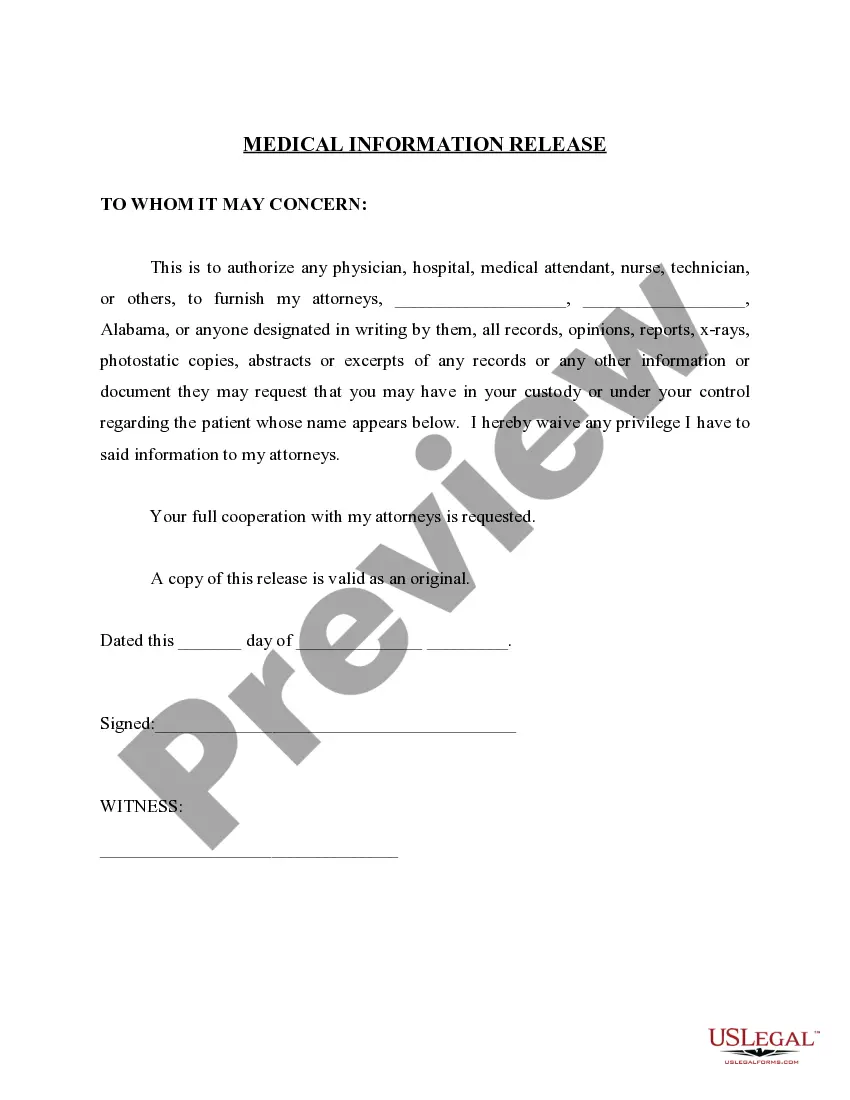
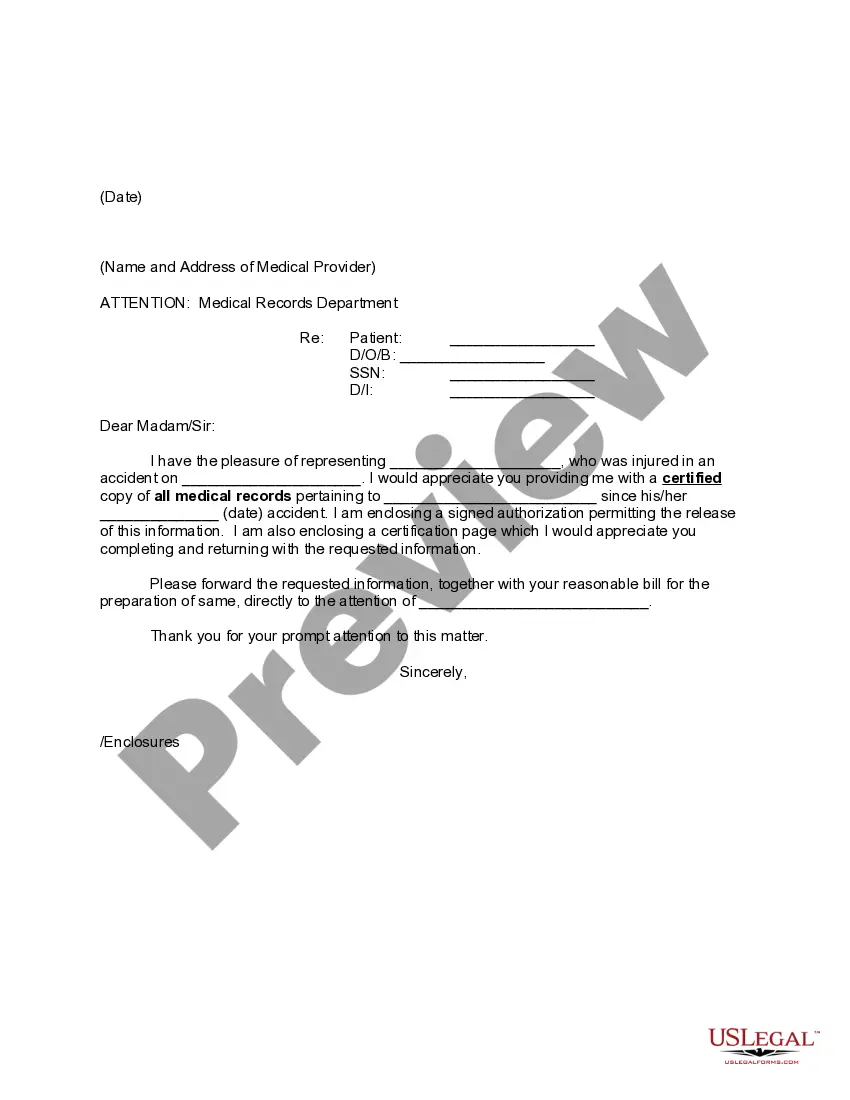
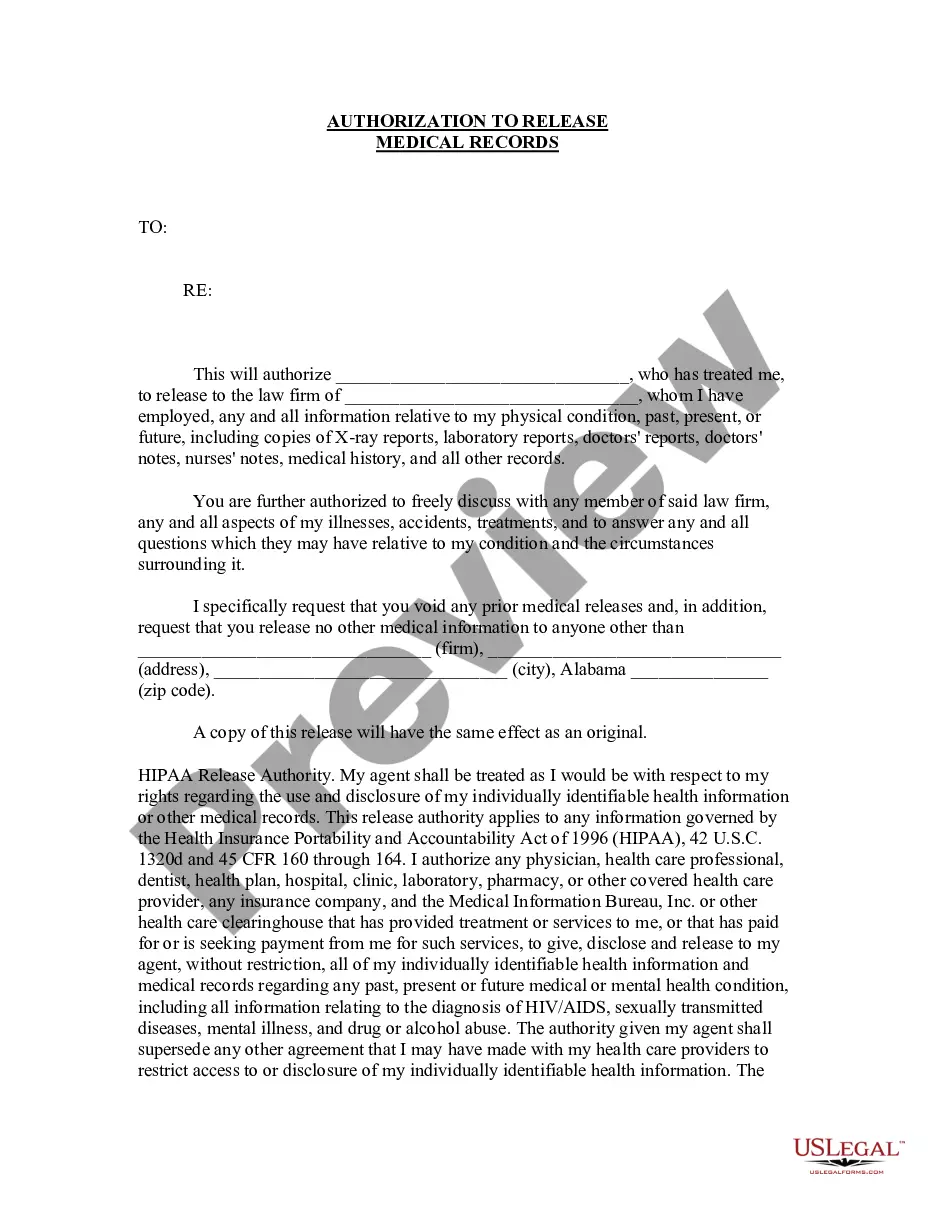
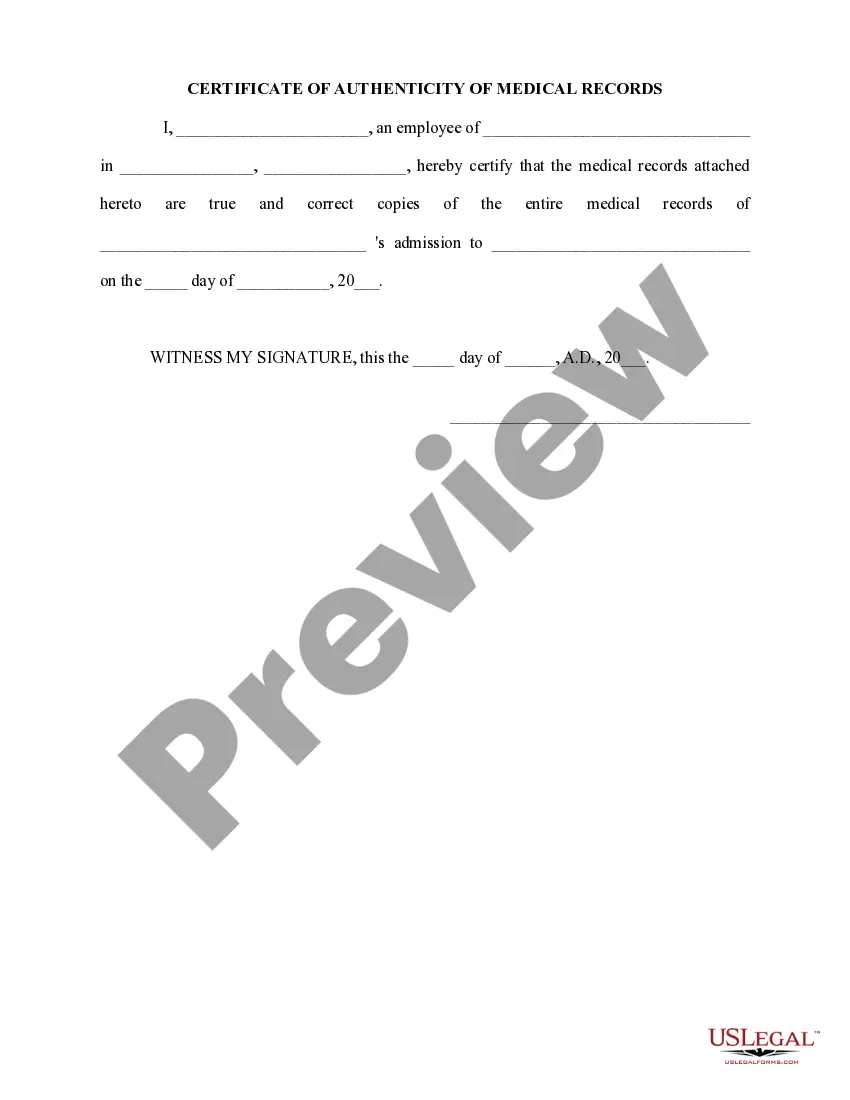
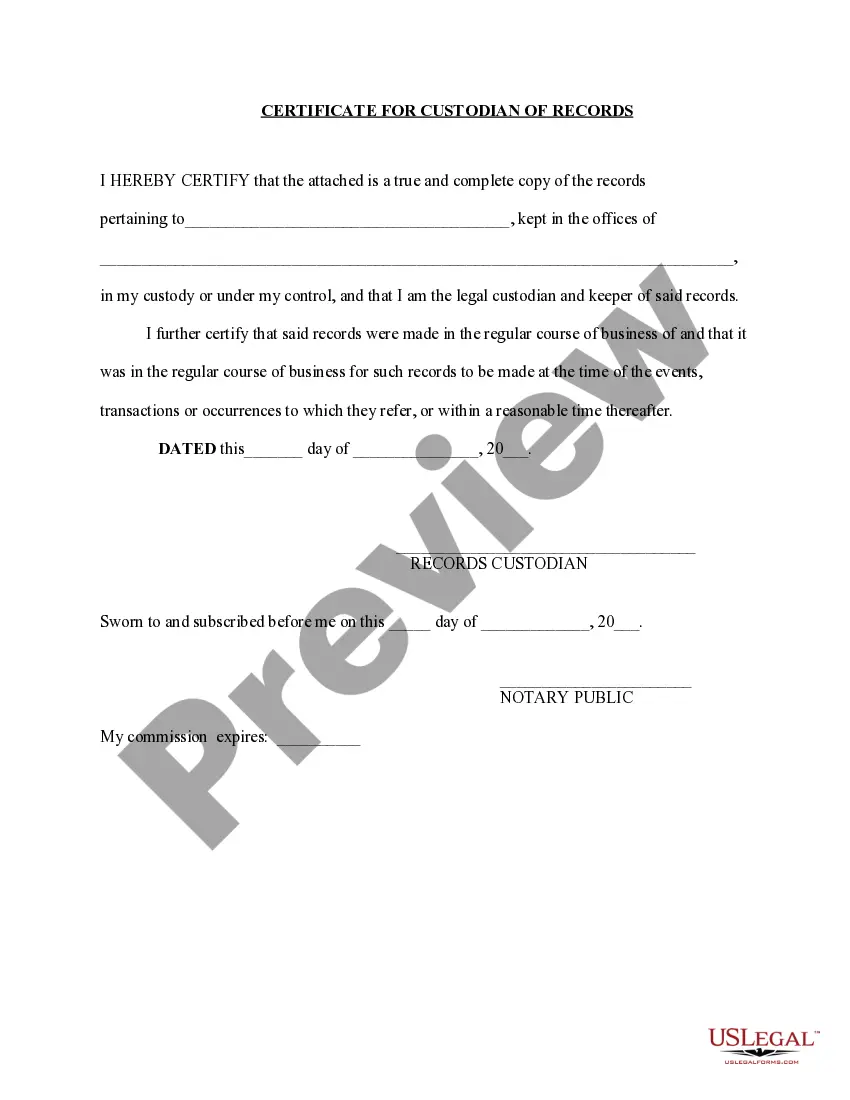
A certification for medical records is a formal statement verifying the authenticity and accuracy of medical documents maintained by a healthcare provider. This certification is necessary when a patient or their authorized representative requests access to their medical records or requires them for legal proceedings. The certification typically includes the custodian's details and the patient's information, affirming that the records are true copies.
Who should use this form
This certification form is essential for individuals who need to obtain or present their medical records for purposes such as insurance claims, legal disputes, or medical treatment continuity. It is particularly relevant for patients, attorneys, and healthcare providers involved in the documentation of patient health history.
How to complete a form
To complete the certification for medical records, follow these steps:
- Fill in your name as the person requesting certification.
- Provide the complete name of the medical office or provider maintaining the records.
- Identify the specific records being certified.
- Sign and date the form in the designated areas.
- Ensure a notary public witnesses the signature and completes their section.
Key components of the form
The form includes several critical sections:
- Custodian's information: The name and position of the individual certifying the records.
- Medical office details: The name and address of the healthcare provider involved.
- Patient information: Full name and possibly other identifiers of the patient whose records are being certified.
- Notary section: A place for a notary public to authenticate the document.
Legal use and context
This certification may be required in various legal contexts, such as medical malpractice lawsuits, personal injury claims, or when disputing insurance claims. It acts as an official record of a patient's health history, confirming the validity of the medical documentation involved.
What documents you may need alongside this one
When submitting a certification for medical records, you may also need to provide:
- Proof of identity, such as a driver's license or passport.
- Authorization forms signed by the patient if you are not the patient.
- Any previous correspondence with the medical office regarding the records.
Common mistakes to avoid when using this form
When completing the certification for medical records, it's important to avoid the following errors:
- Failing to provide accurate patient or custodian information.
- Not having the form notarized, if required.
- Submitting the form without the necessary identification documents.
- Providing incomplete medical record details that may lead to processing delays.