What Is Affidavit for Nonresident Status? A Comprehensive Guide
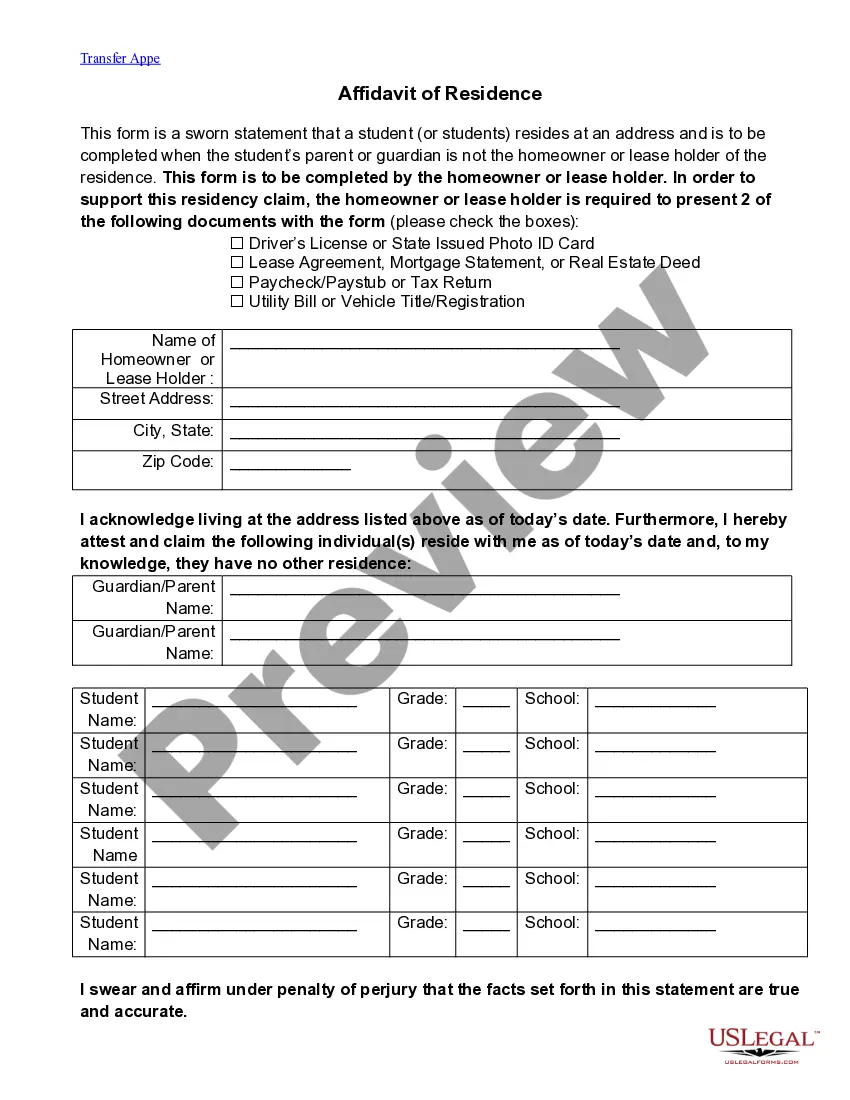
An affidavit for nonresident status is a legal document used to confirm that an individual or entity does not reside in the state where the affidavit is filed. This affidavit is commonly utilized in legal proceedings where the residency status of the parties involved is relevant. By submitting this form, the affiant declares under oath their nonresident status and provides relevant details to support this claim.
How to complete a form
Completing an affidavit for nonresident status involves several steps:
- Provide personal information, including your full name and address.
- Clearly state the purpose of the affidavit, specifying that you are declaring your nonresident status.
- Include any relevant details that support your claim, such as the state of your primary residence.
- Sign the affidavit in the presence of a notary public, confirming that the information is accurate to the best of your knowledge.
Who should use this form
This form is intended for individuals or entities that need to declare their nonresident status, particularly in legal contexts. Typical users include:
- Individuals involved in legal proceedings where residency needs to be established.
- Parties in a divorce action, where one party claims residency in a different state.
- Businesses operating in multiple states that need to clarify their residency status for tax or legal purposes.
Legal use and context
The affidavit for nonresident status is often used in various legal settings, including court cases, tax filings, and property disputes. It ensures that all parties involved have a clear understanding of residency, which can affect jurisdiction and legal rights. Furthermore, this affidavit may be required by courts, lawyers, or government agencies to validate nonresident claims.
What documents you may need alongside this one
When filing an affidavit for nonresident status, you may need to provide additional documentation to support your claim. This may include:
- Proof of residency, such as a utility bill or lease agreement.
- Identification, such as a driver’s license or passport.
- Any pertinent legal documents related to the case or transaction where the affidavit is required.
What to expect during notarization or witnessing
To make the affidavit legally binding, it must be notarized or witnessed. During this process, you can expect the following:
- You will be required to present valid identification to the notary or witness.
- You will sign the affidavit in their presence, affirming that the information provided is truthful.
- The notary will then seal and sign the affidavit, validating its authenticity.
Common mistakes to avoid when using this form
It's essential to be cautious when completing your affidavit for nonresident status. Common mistakes include:
- Providing incomplete or incorrect personal information.
- Failing to include relevant supporting details.
- Not signing the affidavit in the presence of a notary or designated witness.
- Submitting the affidavit without the required additional documentation.