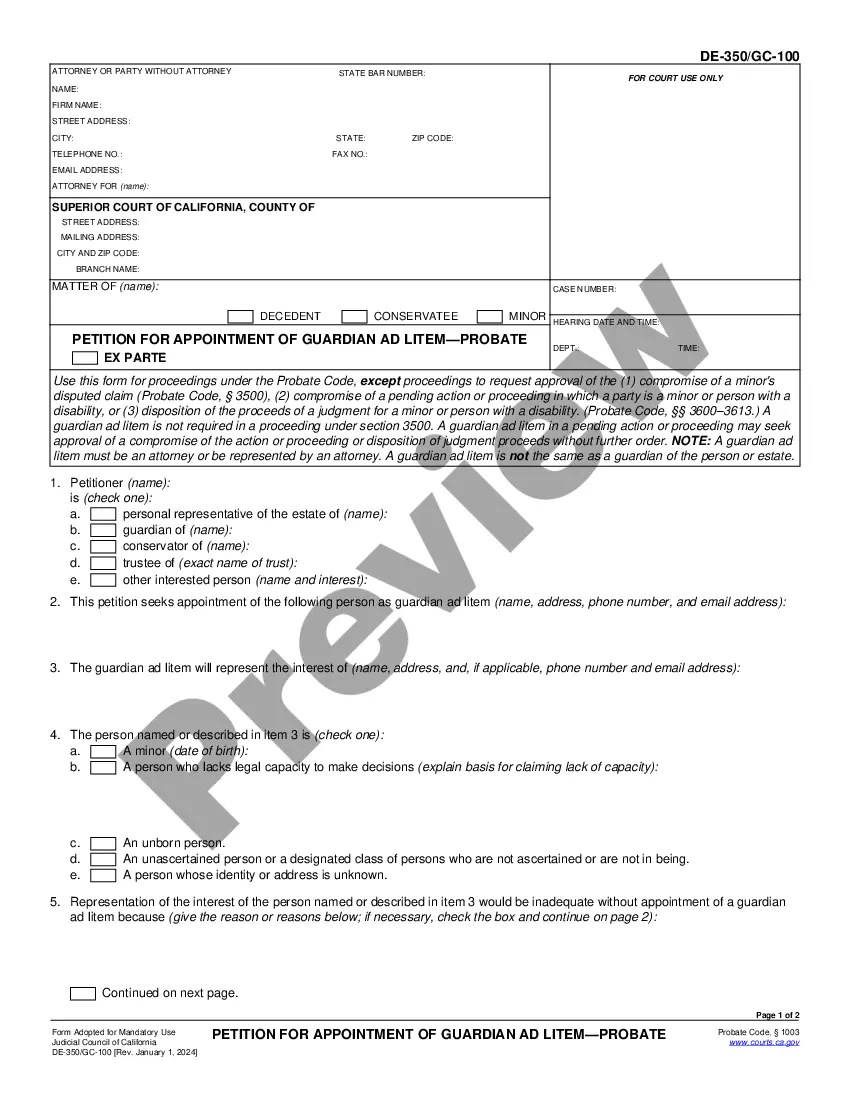
Illinois Letter from Tenant to Landlord about Illegal entry by landlord
Overview of this form
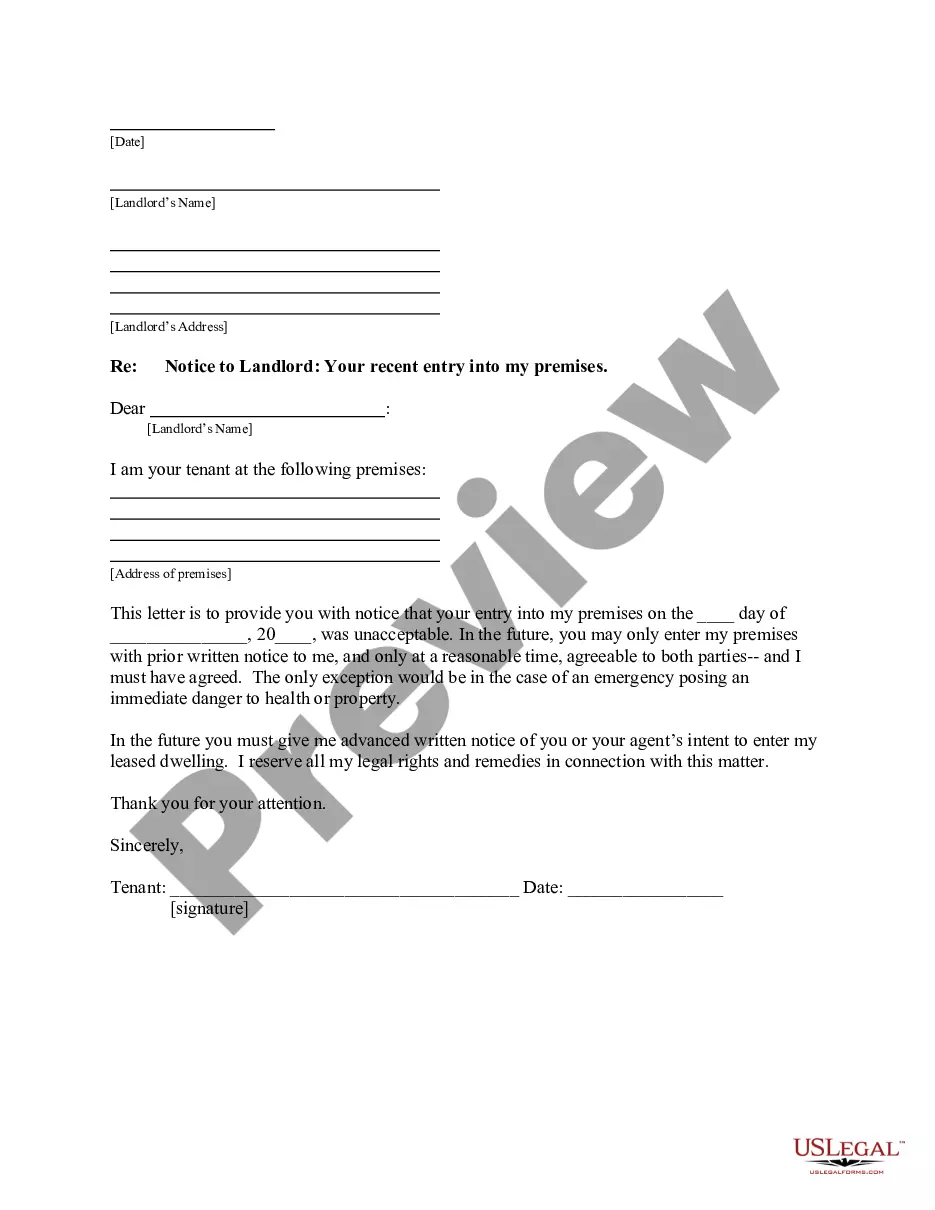
This form is a Letter from Tenant to Landlord about illegal entry by the landlord. It serves as a formal request, ensuring that the landlord provides advance written notice before entering the leased dwelling, except in emergencies. This form is essential for preserving tenant rights and clarifying entry conditions, distinguishing it from other general landlord communication letters.
Key parts of this document
- Request for advanced written notice from the landlord before entry.
- Specification that entry should occur at a reasonable time agreed upon by both parties.
- Statement reserving the tenant's legal rights and remedies concerning the landlord's entry.
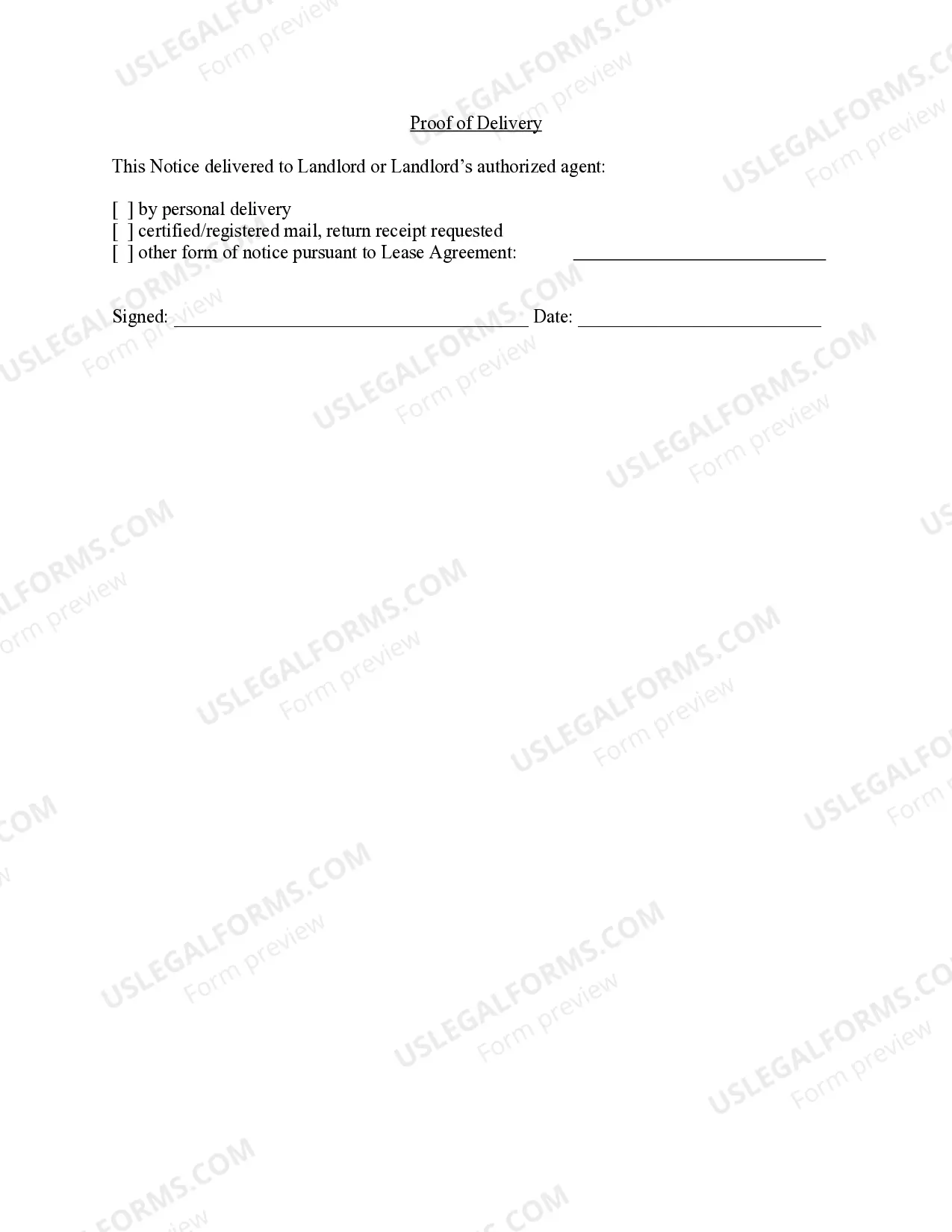
- Proof of delivery section to document how the notice was sent to the landlord.

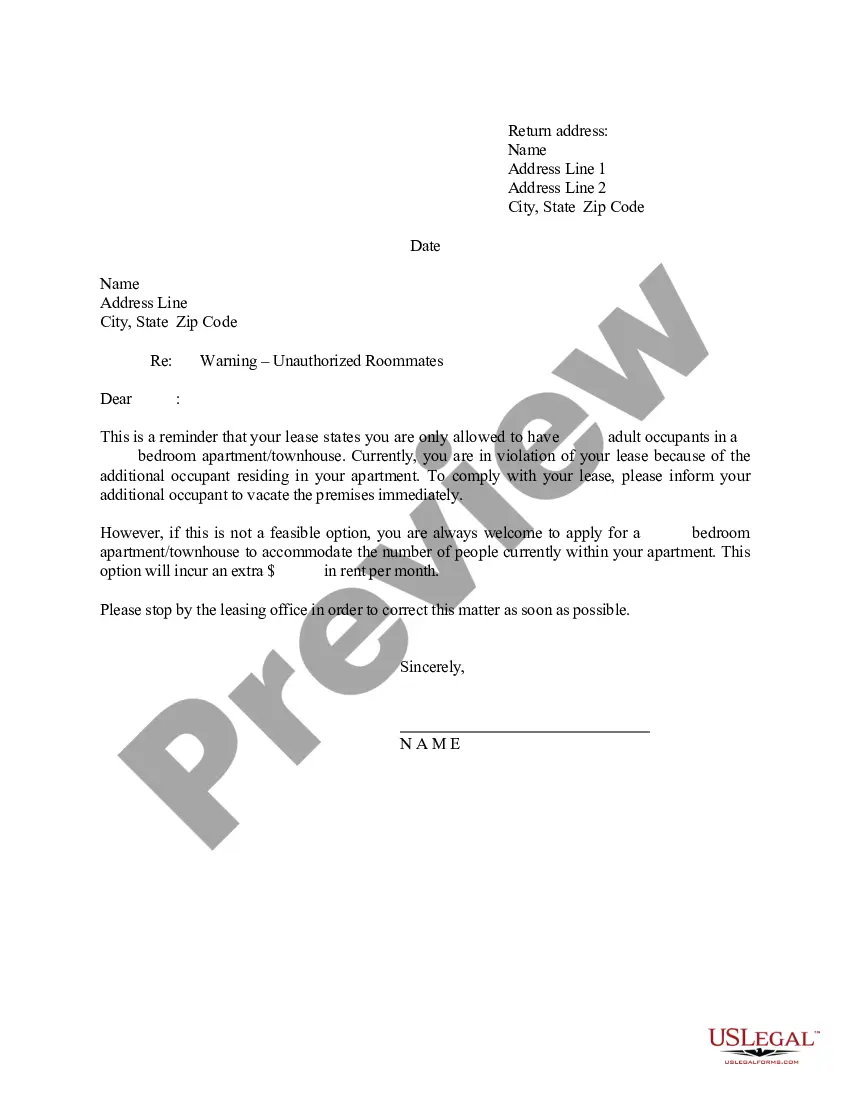
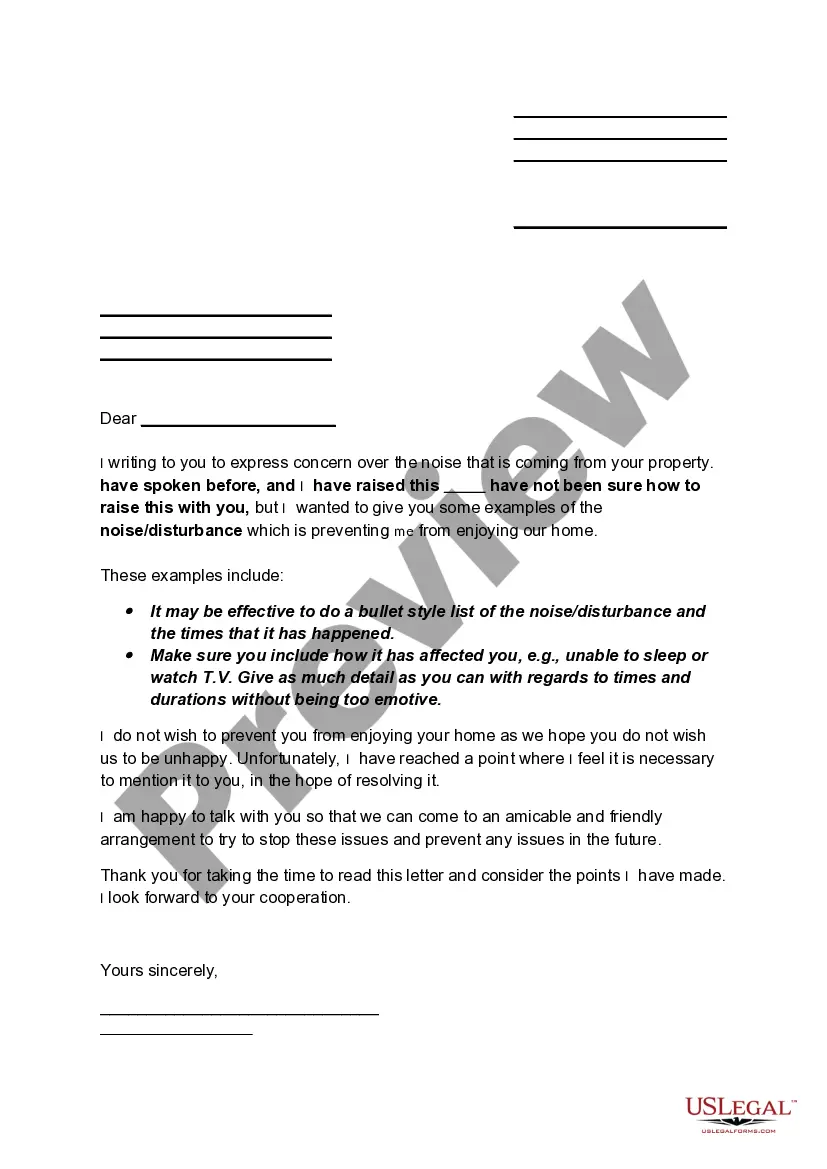
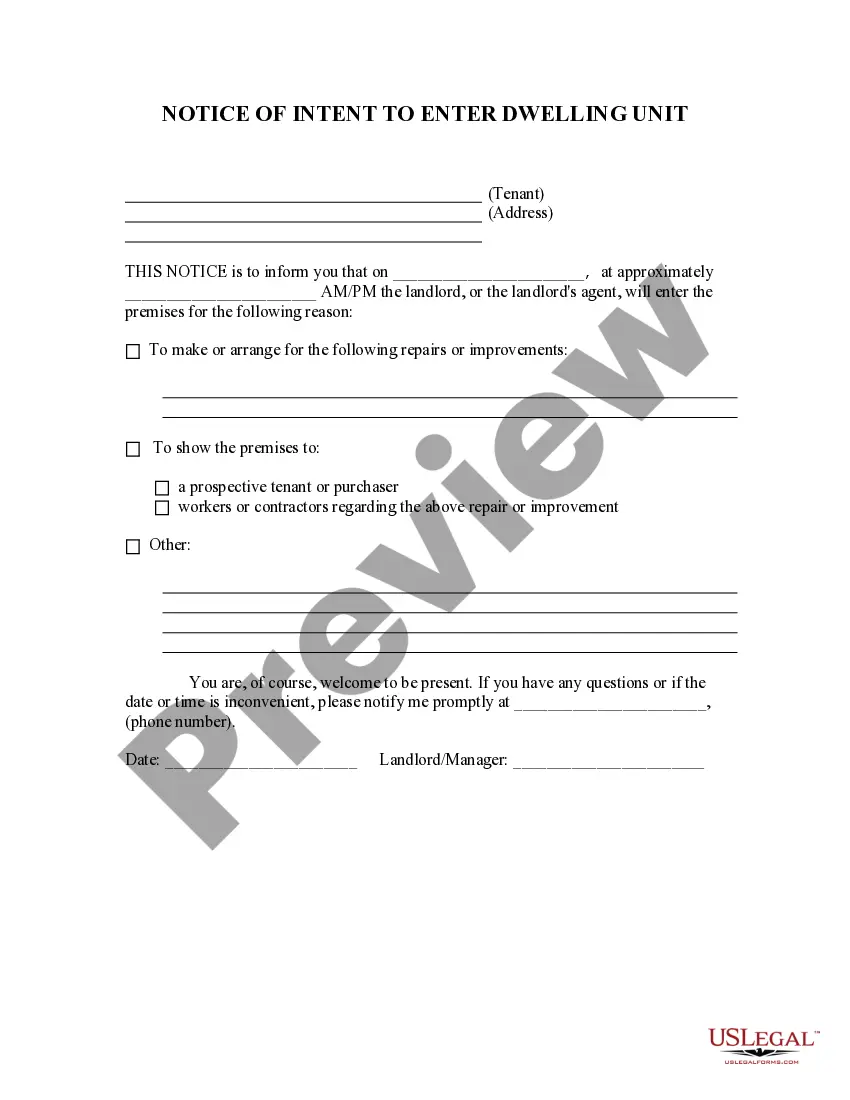
Situations where this form applies
This form should be used when a tenant believes the landlord has entered the premises without proper notice or in violation of the lease agreement. It is useful for tenants seeking to formally request that their landlord adhere to legal entry procedures moving forward, ensuring mutual respect for privacy and property rights.
Who should use this form
- Tenants residing in rental properties.
- Individuals who have experienced unauthorized entry by their landlord.
- Those wanting to formalize communication regarding landlord entry policies.
- Anyone seeking to protect their legal rights as a tenant.
How to complete this form
- Identify the parties involved: tenant and landlord.
- Specify the leased dwelling address clearly.
- Enter the date for record-keeping and reference.
- Add a signature to formalize the request.
- Determine the method of delivery (e.g., personal delivery or certified mail) and complete the proof of delivery section.
Does this document require notarization?
This form usually doesn’t need to be notarized. However, local laws or specific transactions may require it. Our online notarization service, powered by Notarize, lets you complete it remotely through a secure video session, available 24/7.
Get your form ready online
Our built-in tools help you complete, sign, share, and store your documents in one place.
Make edits, fill in missing information, and update formatting in US Legal Forms—just like you would in MS Word.
Download a copy, print it, send it by email, or mail it via USPS—whatever works best for your next step.
Sign and collect signatures with our SignNow integration. Send to multiple recipients, set reminders, and more. Go Premium to unlock E-Sign.
If this form requires notarization, complete it online through a secure video call—no need to meet a notary in person or wait for an appointment.
We protect your documents and personal data by following strict security and privacy standards.

Make edits, fill in missing information, and update formatting in US Legal Forms—just like you would in MS Word.

Download a copy, print it, send it by email, or mail it via USPS—whatever works best for your next step.

Sign and collect signatures with our SignNow integration. Send to multiple recipients, set reminders, and more. Go Premium to unlock E-Sign.

If this form requires notarization, complete it online through a secure video call—no need to meet a notary in person or wait for an appointment.

We protect your documents and personal data by following strict security and privacy standards.
Avoid these common issues
- Failing to provide complete addressing for the landlord.
- Not keeping a copy of the letter for personal records.
- Using vague language that may lead to misinterpretation.
- Omitting the signature or date, which may undermine the form's validity.
Advantages of online completion
- Easy access to a legally vetted form tailored for your needs.
- Convenience of downloading and editing the form as necessary.
- Time-saving, allowing for immediate communication with the landlord.
Legal use & context
- The form provides a documented request for future behavior by the landlord.
- Helps clarify rights under landlord-tenant laws, promoting legal compliance.
- Can serve as evidence in potential disputes regarding landlord entry.
Looking for another form?



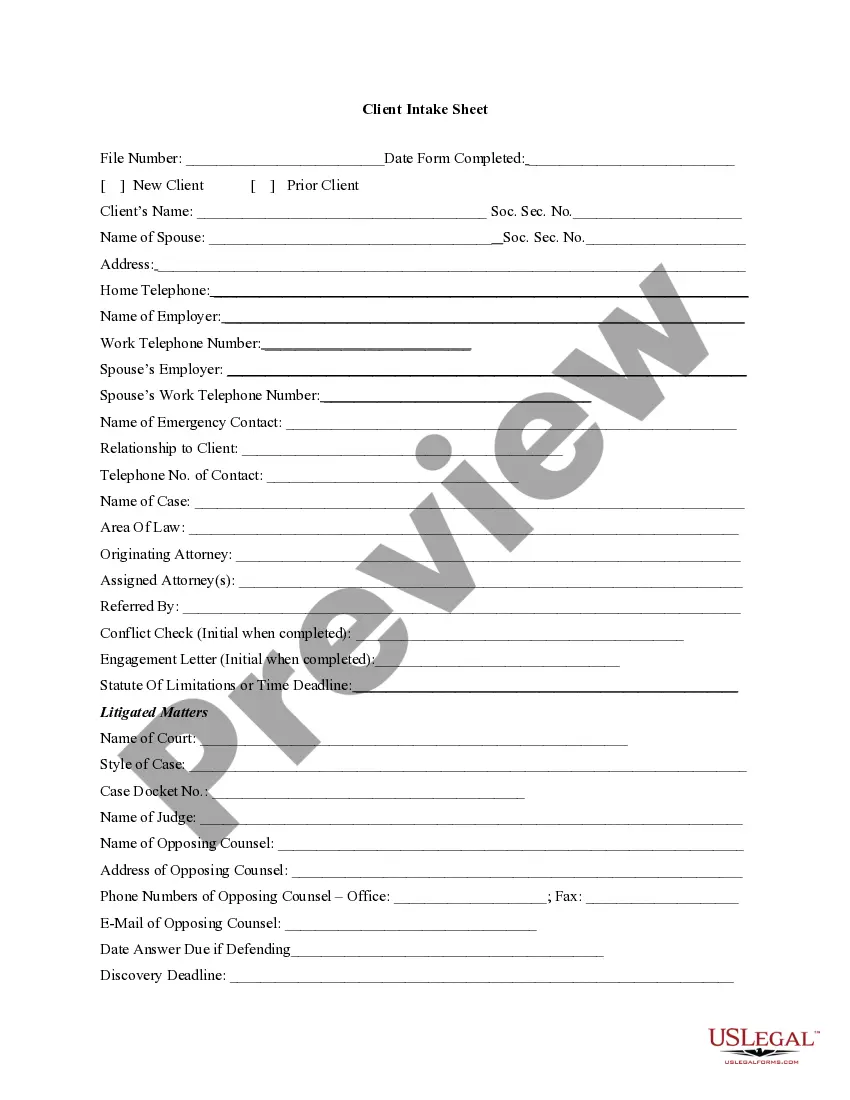
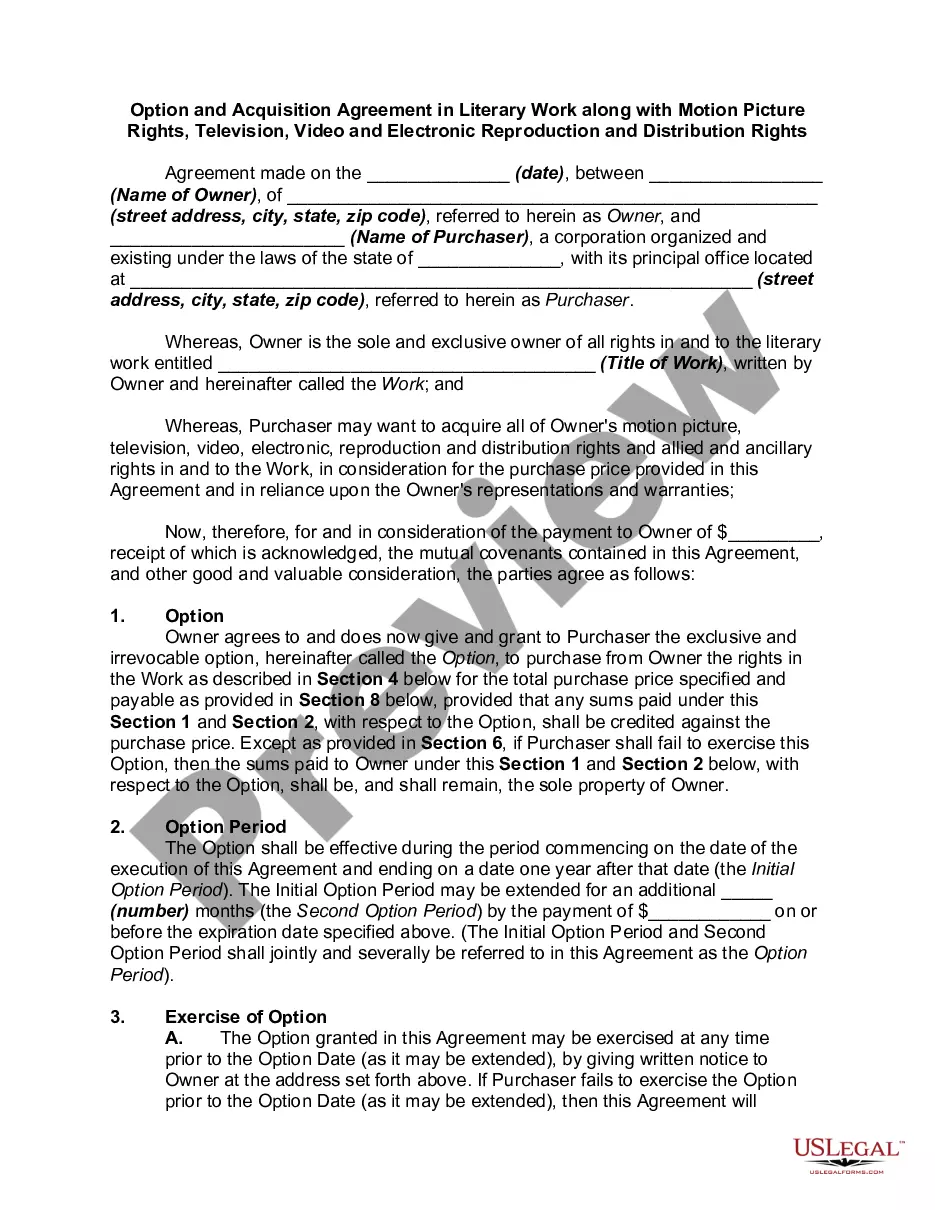
Form popularity
FAQ
Sue the landlord and whoever for up to $10,000 in small claims court for trespassing, breach of contract, invasion of privacy, and breach of quiet enjoyment; if you are two or more tenants, each can separately sue them for up to $10,000, and a joint action is not required.
In all states, a landlord can enter the property in an emergency without notice or permission.Even if your landlord gives you notice, he or she must have a good reason to enter the property. In most cases, your landlord can enter your home: In an emergency.
The big take-away is that in most circumstances a landlord cannot enter a property without agreement from the tenant. And If the landlord ignores the law and enters the property without permission, the tenant may be able to claim damages or gain an injunction to prevent the landlord doing it again.
Can a landlord keep turning up unannounced? A. Landlords have a statutory right of entry to the rental property for inspection and repairs. If essential maintenance is needed, the landlord can gain entry as and when required.
Put cameras everywhere (Nest Cam is a good brand), make sure you put signs "Premises secured by video surveillance" and you will be good to go. While it won't prevent the landlord from entering, it will prevent the landlord from doing anything funky, and who knows, with time even stop.
Apply to the Tribunal for orders: to stop the landlord/agent entering the premises. (Apply within 3 months after you become aware of the landlord's/agent's breach.) report trespass to the police. complain to NSW Fair Trading.
Landlord Right to Entry in IllinoisIllinois law has no provisions governing landlord right to entry. However, in the city of Chicago, landlords must provide at least 2 days of notice before entering the premises.
ENTRY WITHOUT NOTICE The landlord may enter the residential premises without permission and without giving the tenant any notice for two reasons: If the landlord believes there is an emergency; 2022 If the landlord believes the tenant has abandoned the residential premises.