Idaho Release of Lien by Posting of Surety Bond by Corporation or LLC
Understanding this form
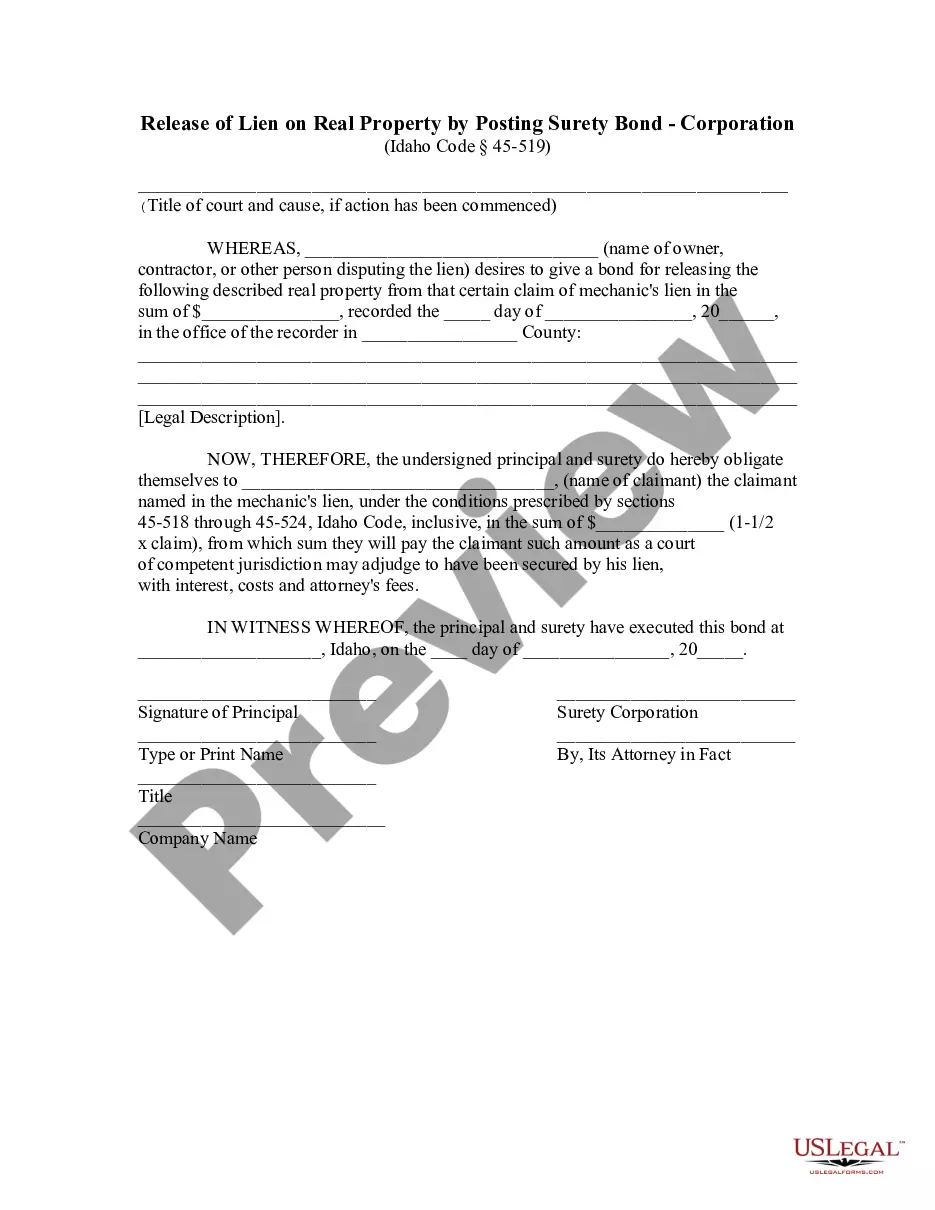
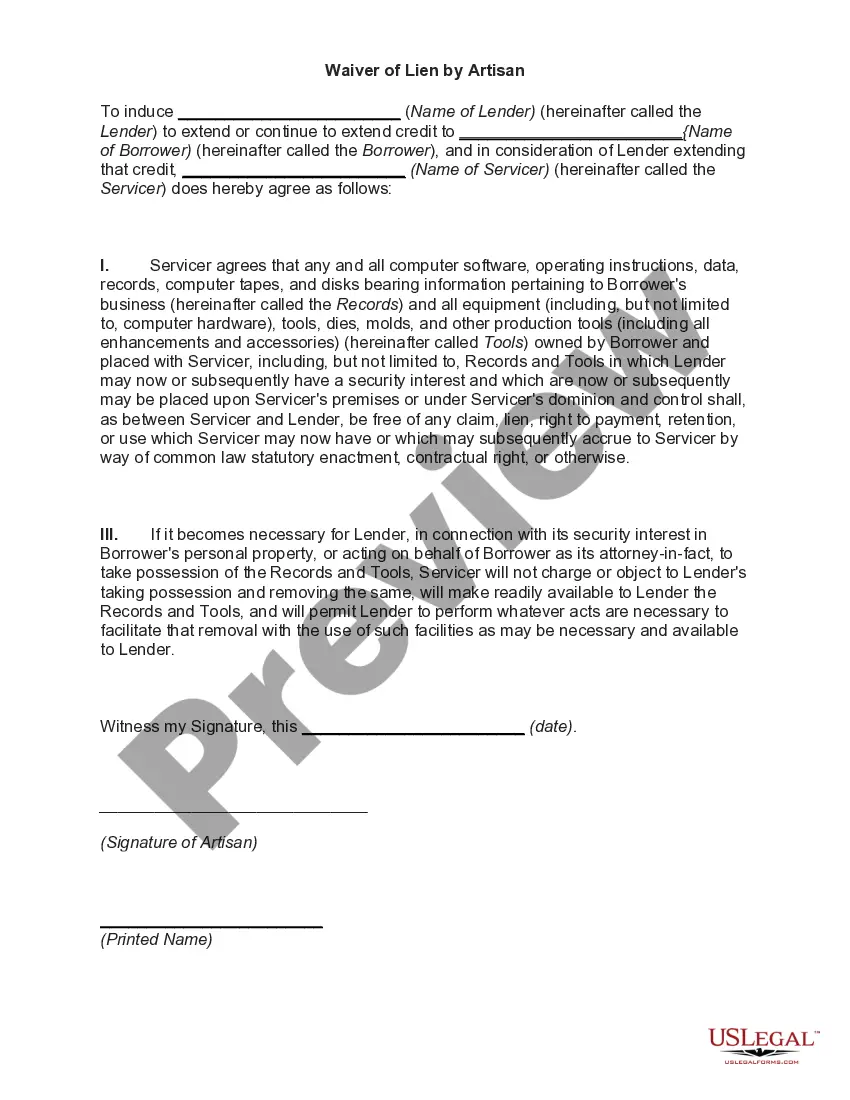
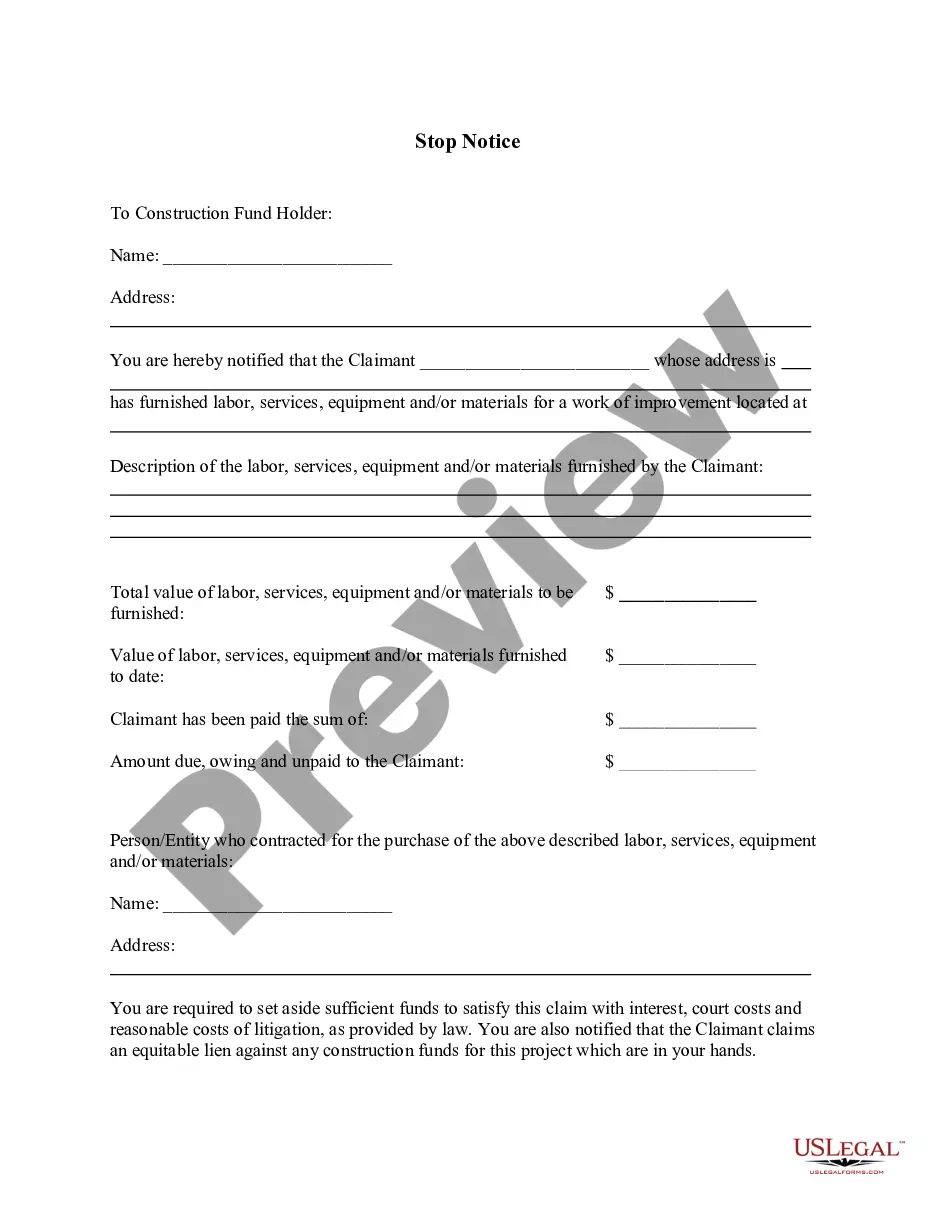
The Release of Lien by Posting of Surety Bond by Corporation or LLC is a legal document used in Idaho to release a mechanics lien on a property. This form is specifically designed for corporations or limited liability companies that wish to contest a lien. By obtaining a surety bond, they can temporarily lift the lien while disputing the claim in court. This form differs from other lien release documents as it directly involves a surety bond and is regulated by specific Idaho statutes.
Main sections of this form
- Title of the court and case details, if applicable.
- Name of the person disputing the lien and the amount of the lien to be released.
- Legal description of the property in question.
- Obligations of the principal and surety regarding the bond.
- Signatures of the principal and surety, along with their respective titles and companies.
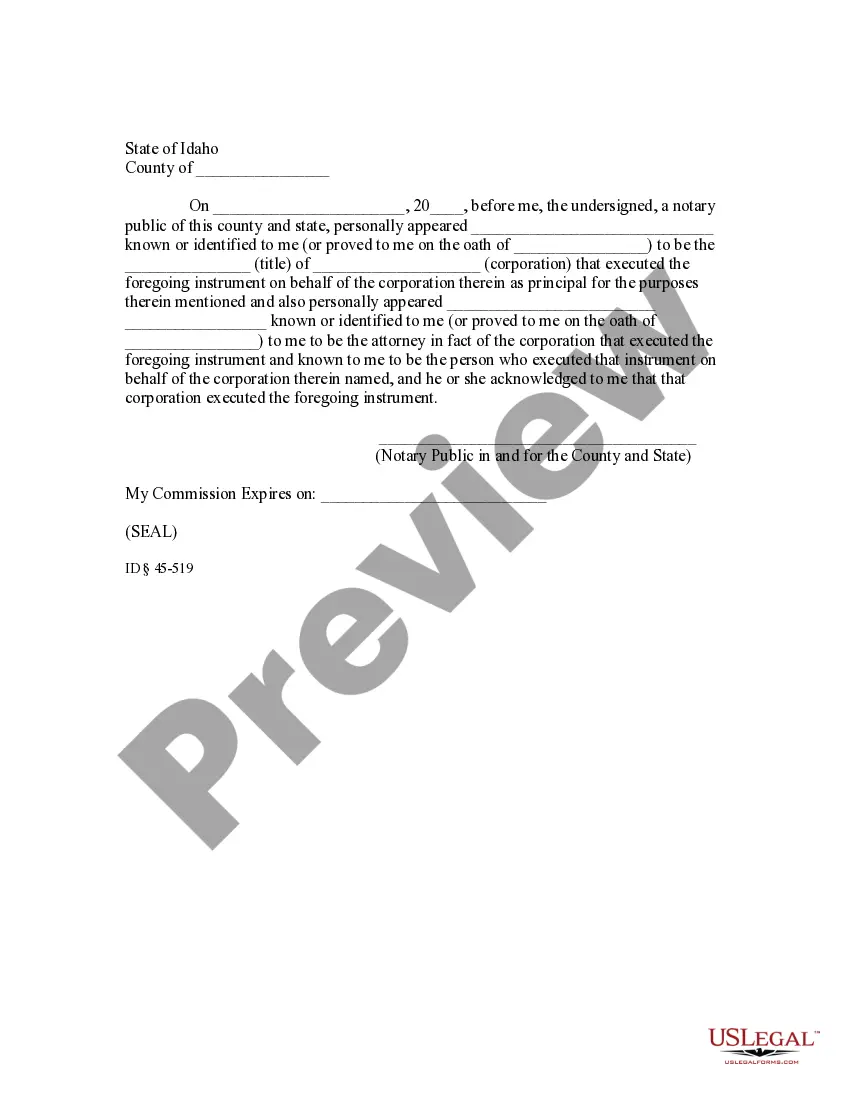
- Notary acknowledgment to validate the signatures and the execution of the document.

When this form is needed
This form should be used when a corporation or LLC disputes a mechanics lien placed against their property and wishes to have that lien released by posting a surety bond. It is applicable when the property owner intends to challenge the lien in court and needs to ensure that the property remains accessible for use or sale during the litigation process.
Who can use this document
- Corporations or LLCs that are facing a mechanics lien on their property.
- Property owners seeking to contest a lien while legally ensuring the bond is in place.
- Legal representatives or attorneys handling property disputes for corporate clients.
Completing this form step by step
- Identify the court title and case details if there is an ongoing legal action.
- Enter the name of the owner or contractor disputing the lien.
- Specify the amount and date of the lien being contested.
- Provide the legal description of the property affected by the lien.
- Obtain required signatures from the principal and surety, including their names and titles.
- Have the form notarized by a public notary to authenticate the signatures.
Is notarization required?
Yes, this form must be notarized to be legally valid. The notarization process ensures that the signatures of the principal and surety are legitimate, protecting against fraud. US Legal Forms offers integrated online notarization services, available 24/7 via secure video call, providing a convenient alternative to in-person notarization.
Get your form ready online
Our built-in tools help you complete, sign, share, and store your documents in one place.
Make edits, fill in missing information, and update formatting in US Legal Forms—just like you would in MS Word.
Download a copy, print it, send it by email, or mail it via USPS—whatever works best for your next step.
Sign and collect signatures with our SignNow integration. Send to multiple recipients, set reminders, and more. Go Premium to unlock E-Sign.
If this form requires notarization, complete it online through a secure video call—no need to meet a notary in person or wait for an appointment.
We protect your documents and personal data by following strict security and privacy standards.

Make edits, fill in missing information, and update formatting in US Legal Forms—just like you would in MS Word.

Download a copy, print it, send it by email, or mail it via USPS—whatever works best for your next step.

Sign and collect signatures with our SignNow integration. Send to multiple recipients, set reminders, and more. Go Premium to unlock E-Sign.

If this form requires notarization, complete it online through a secure video call—no need to meet a notary in person or wait for an appointment.

We protect your documents and personal data by following strict security and privacy standards.
Common mistakes to avoid
- Failing to provide a complete legal description of the property.
- Not obtaining necessary signatures from both the principal and surety.
- Neglecting to have the document notarized, which can invalidate the form.
- Incorrectly calculating the bond amount, which must equal one and one-half times the claim amount.
Why use this form online
- Convenient access and immediate download of the form.
- Easily editable fields to tailor the document to specific circumstances.
- Secure storage and retrieval options for your completed forms.
- Guidance provided to ensure correct completion and compliance with legal requirements.
- Using this form allows for the formal release of a mechanics lien, which can prevent further disputes.
- The posted surety bond acts as a financial guarantee ensuring that any awarded claims can be paid.
- This document should be completed accurately to maintain legal enforceability in Idaho courts.
Key takeaways
- This form facilitates the release of a mechanics lien through a surety bond in Idaho.
- Accurate completion and notarization are essential for legal validity.
- Understanding the components of the form can help avoid common errors.
Looking for another form?
Form popularity
FAQ
In Idaho, code 45-519 deals with the process regarding the release of liens through the posting of surety bonds by corporations or LLCs. This code outlines the legal framework for how a lien can be released when a surety bond is posted, ensuring that all parties involved are protected. Knowing this code is essential for any corporation or LLC seeking to efficiently manage their lien obligations. Therefore, understanding the Idaho Release of Lien by Posting of Surety Bond by Corporation or LLC will help streamline your business dealings effectively.
The state of California requires every Notary to purchase a $15,000 Surety Bond in order to protect the public financially from the possibility of a negligent mistake or intentional misconduct.
This is one way a surety bond differs from an insurance policy. While an insurance company does not expect to be paid back for a claim, a surety company does.You are also responsible for paying back the surety company every penny they pay out on a claim, including all costs associated with the claim.
At its simplest, a surety bond requires the surety to pay a set amount of money to the obligee if a principal fails to perform a contractual obligation. It also helps principals, typically small contractors, compete for contracts by reassuring customers that they will receive the product or service promised.
A surety bond is a promise to be liable for the debt, default, or failure of another. It is a three-party contract by which one party (the surety) guarantees the performance or obligations of a second party (the principal) to a third party (the obligee).
When it comes to surety bonds, you will not need to pay month-to-month. In fact, when you get a quote for a surety bond, the quote is a one-time payment quote. This means you will only need to pay it one time (not every month).Most bonds are quoted at a 1-year term, but some are quoted at a 2-year or 3-year term.
On average, the cost for a surety bond falls somewhere between 1% and 15% of the bond amount. That means you may be charged between $100 and $1,500 to buy a $10,000 bond policy. Most premium amounts are based on your application and credit health, but there are some bond policies that are written freely.
Nevada law requires all Notaries to purchase and maintain a $10,000 Notary surety bond for the duration of their 4-year commission. The Notary bond protects the general public of Nevada against any financial loss due to improper conduct by a Nevada Notary. The bond is NOT insurance protection for Nevada Notaries.
A surety bond is a promise to be liable for the debt, default, or failure of another. It is a three-party contract by which one party (the surety) guarantees the performance or obligations of a second party (the principal) to a third party (the obligee).
For most projects, the cost of a surety bond is a standard line item in the construction cost estimate. Premiums for construction bonds are calculated as a percentage of the bond value, and usually quoted in dollars per thousand: Bond Amount X Rate/1,000.