Idaho Buyer's Home Inspection Checklist
What this document covers
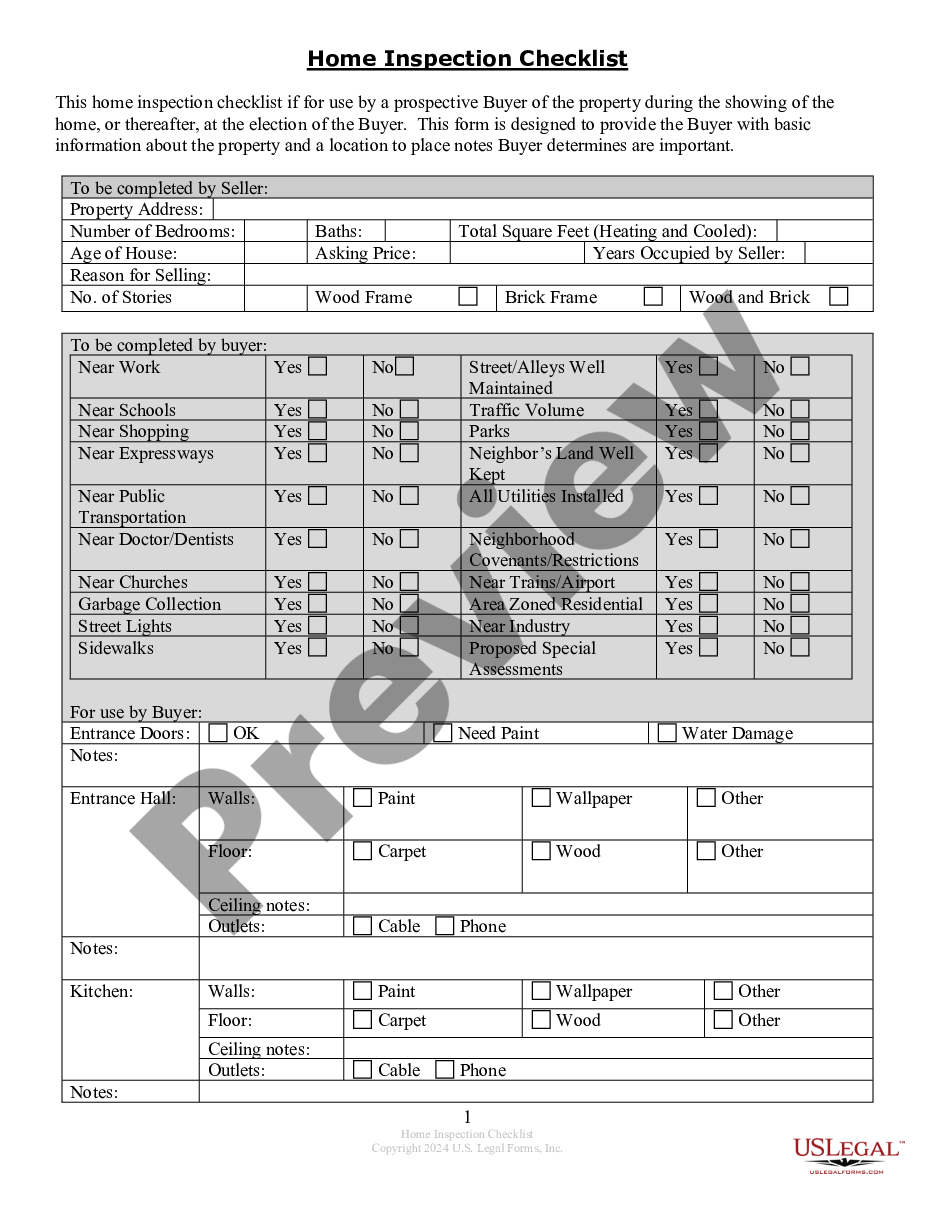
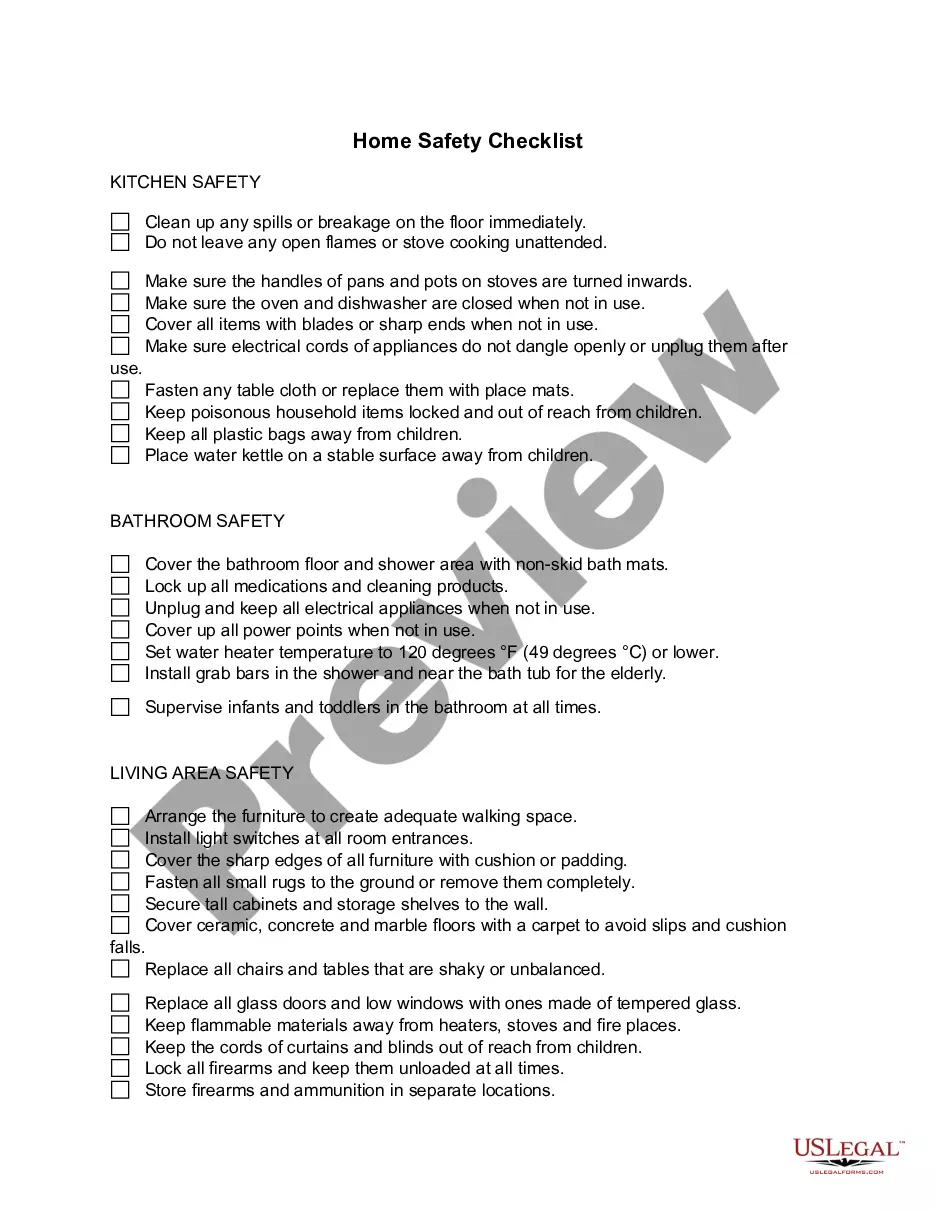
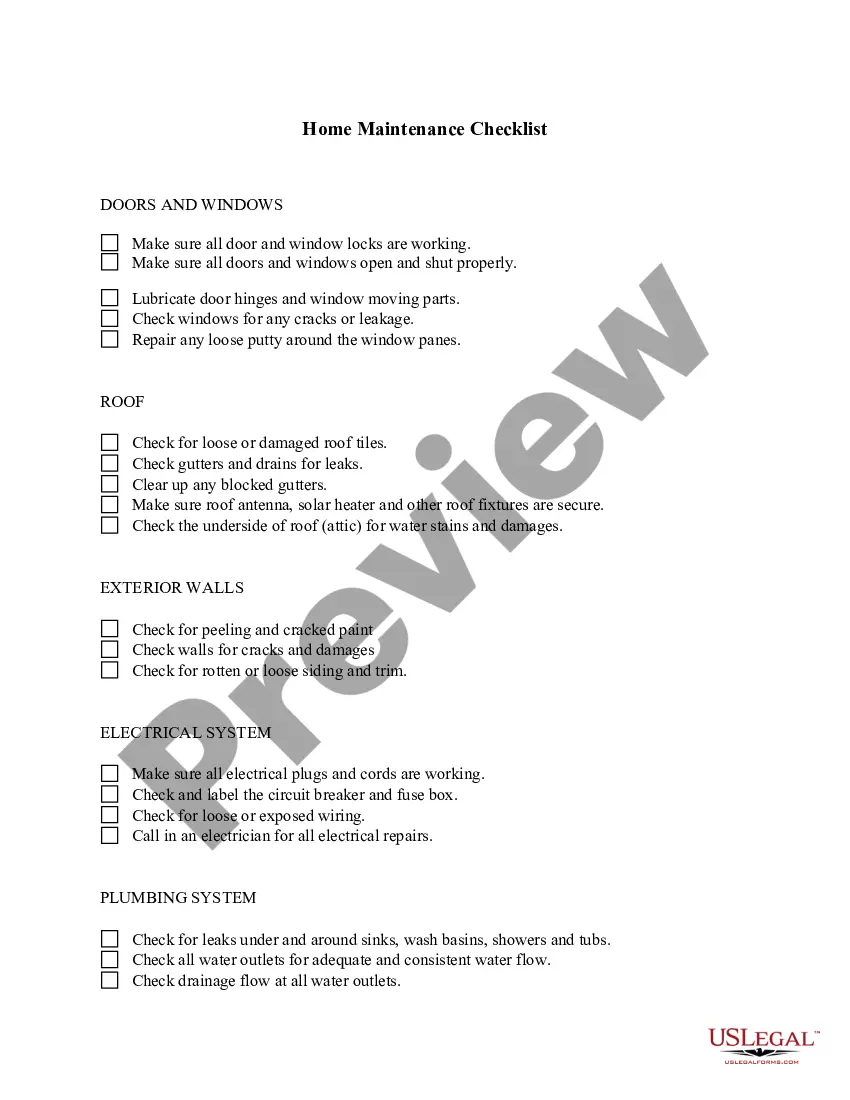
The Buyer's Home Inspection Checklist is a valuable tool for prospective buyers in Idaho. This form serves as a comprehensive guide to help you assess a property during your initial viewing or afterward. Unlike other home inspection forms, this checklist focuses on key aspects you should observe or inquire about before making an offer, ensuring you make an informed decision about your potential purchase.
What’s included in this form
- Property location details: Street, alleys, and nearby amenities
- Neighborhood assessment: Conditions of neighboring properties and local traffic
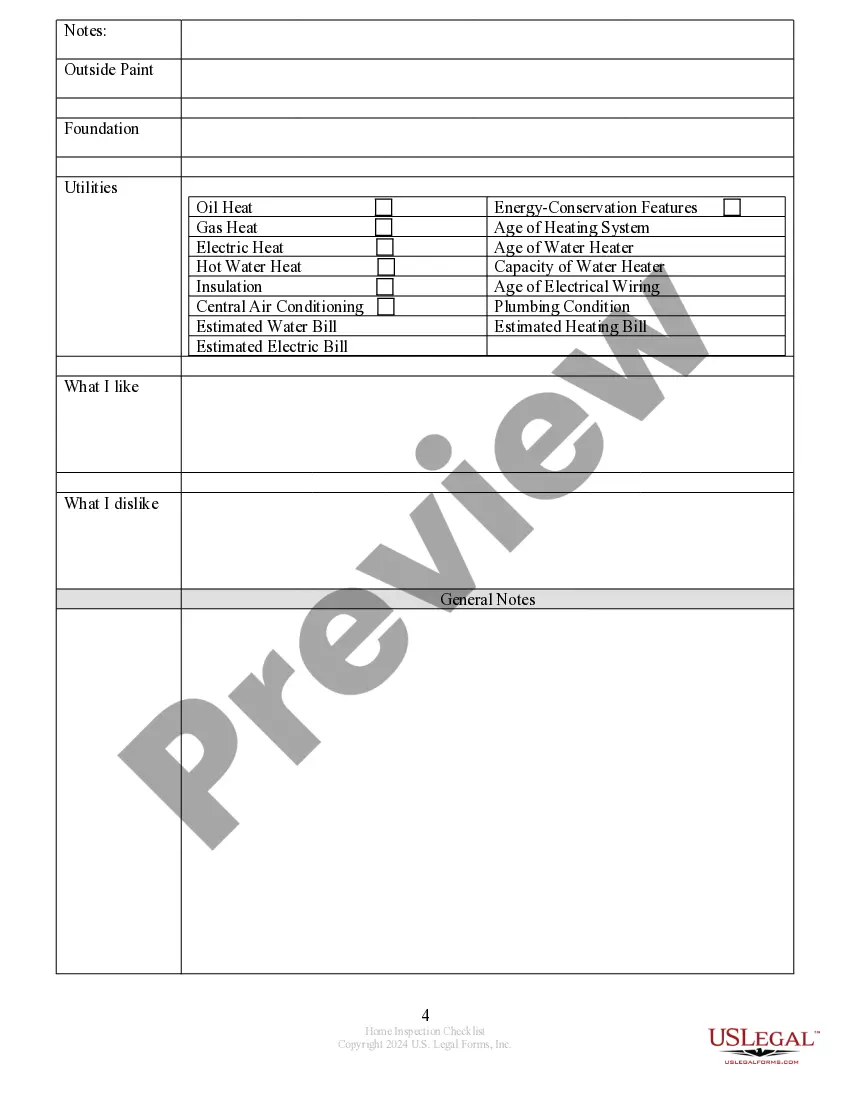
- Utilities: Information on existing utility installations
- Community factors: Proximity to schools, shopping, and public transportation
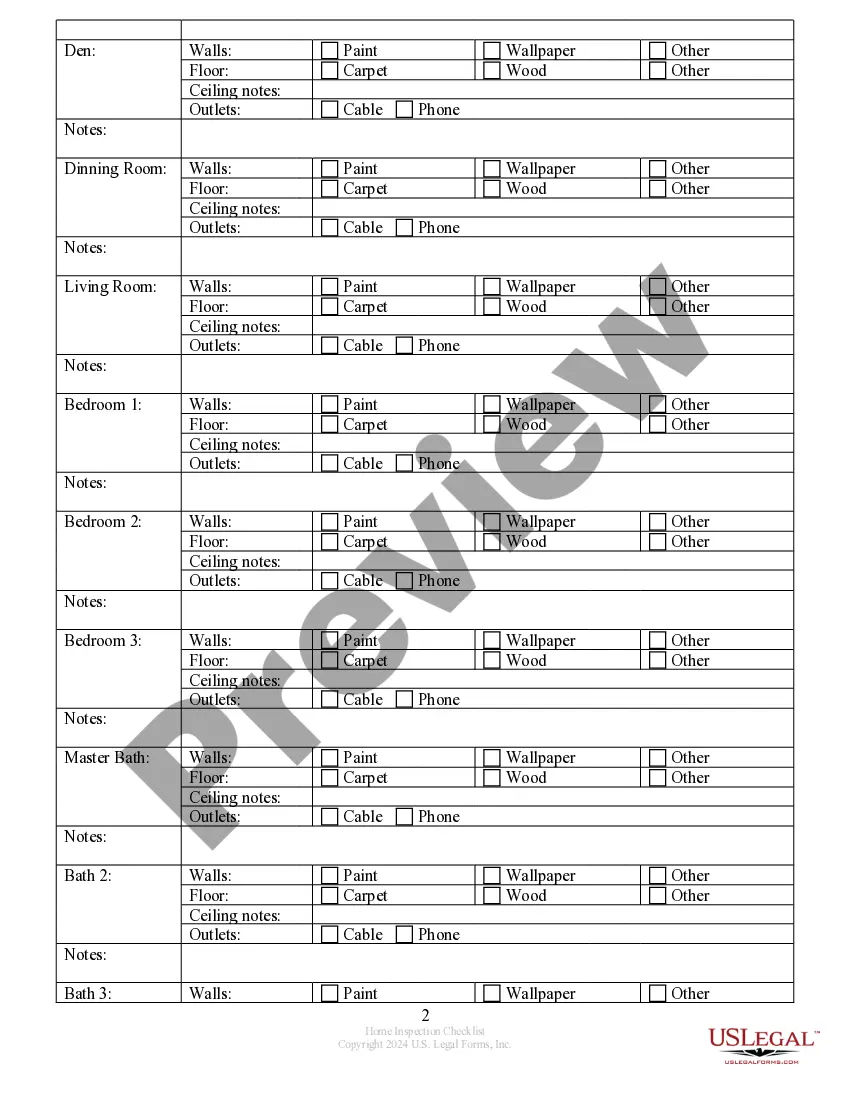
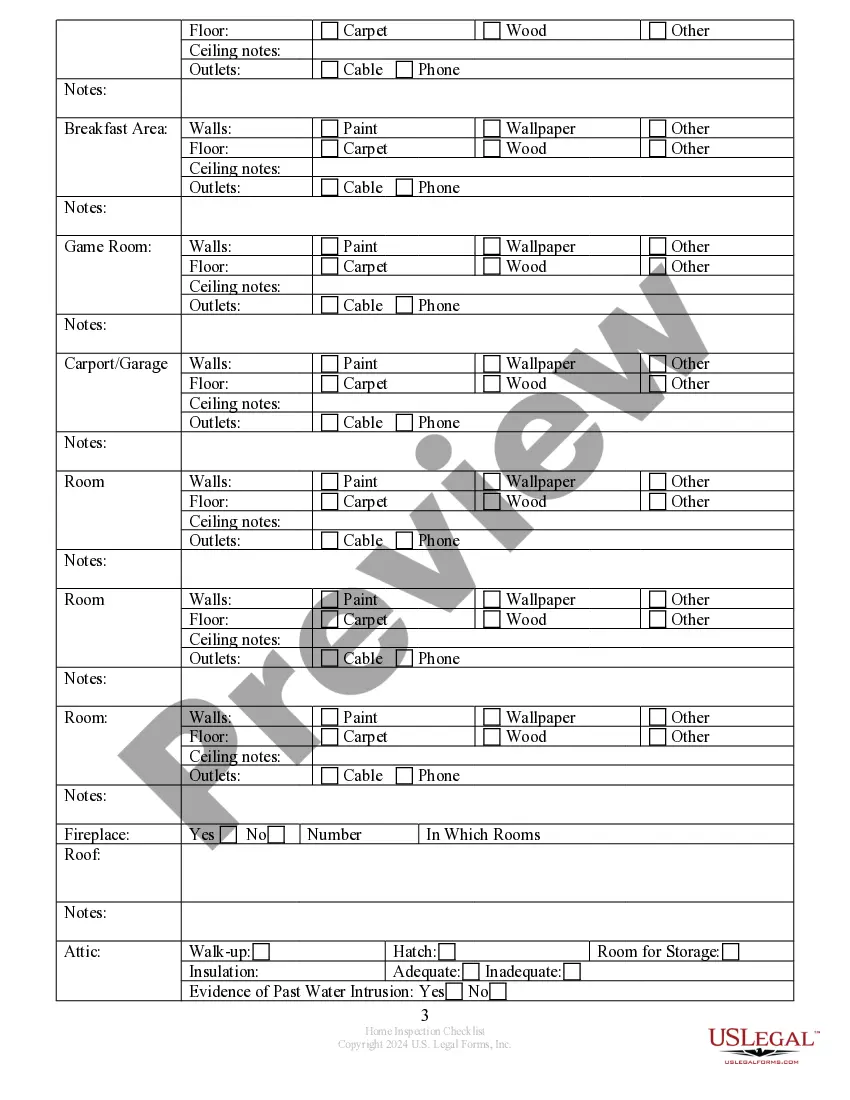
- General property condition: Notes on the physical state of the home and surroundings
- Covenants and zoning: Any relevant neighborhood restrictions and zoning information
Common use cases
You should use the Buyer's Home Inspection Checklist when viewing a home you are considering purchasing. This checklist helps you to record observations and ask important questions about the property and its surroundings. Utilize this form to guide your discussions with the seller and to ensure that you are aware of any potential issues that could affect your decision.
Who should use this form
- Prospective home buyers looking to evaluate a property
- Individuals preparing to make an offer on a home
- First-time buyers seeking a structured approach to home inspections
- Real estate agents assisting clients in assessing homes
Completing this form step by step
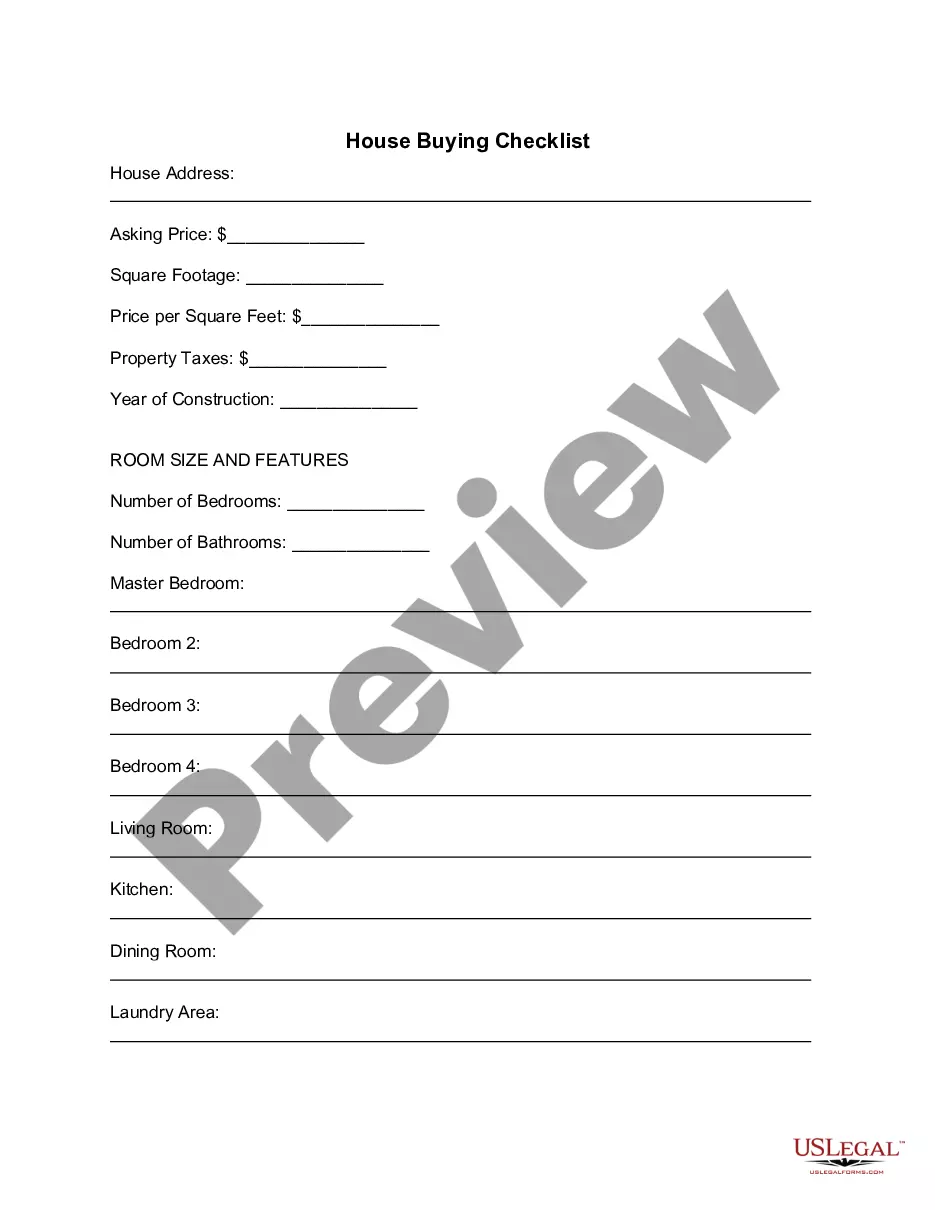
- Identify the property: Write down the address of the home you are inspecting.
- Assess neighborhood conditions: Note the status of the streets, nearby schools, and shopping centers.
- Check utility installations: Verify whether all necessary utilities are connected and functional.
- Examine property condition: Use the checklist to make notes about both the home and surrounding properties.
- Discuss restrictions: Investigate any neighborhood covenants or zoning restrictions.
Notarization guidance
Notarization is generally not required for this form. However, certain states or situations might demand it. You can complete notarization online through US Legal Forms, powered by Notarize, using a verified video call available anytime.
Get your form ready online
Our built-in tools help you complete, sign, share, and store your documents in one place.
Make edits, fill in missing information, and update formatting in US Legal Forms—just like you would in MS Word.
Download a copy, print it, send it by email, or mail it via USPS—whatever works best for your next step.
Sign and collect signatures with our SignNow integration. Send to multiple recipients, set reminders, and more. Go Premium to unlock E-Sign.
If this form requires notarization, complete it online through a secure video call—no need to meet a notary in person or wait for an appointment.
We protect your documents and personal data by following strict security and privacy standards.

Make edits, fill in missing information, and update formatting in US Legal Forms—just like you would in MS Word.

Download a copy, print it, send it by email, or mail it via USPS—whatever works best for your next step.

Sign and collect signatures with our SignNow integration. Send to multiple recipients, set reminders, and more. Go Premium to unlock E-Sign.

If this form requires notarization, complete it online through a secure video call—no need to meet a notary in person or wait for an appointment.

We protect your documents and personal data by following strict security and privacy standards.
Typical mistakes to avoid
- Overlooking key items on the checklist during the inspection.
- Not asking the seller important questions regarding the property's condition.
- Failing to use the checklist as a discussion guide with your real estate agent.
- Neglecting to note down observations or concerns during the inspection.
Why use this form online
- Convenience: Download and complete the form at your own pace.
- Editability: Easily modify the checklist to suit different properties.
- Organization: Keep all your notes in one place for easy reference.
- Accessibility: Access your checklist anytime, anywhere.
Looking for another form?
Form popularity
FAQ
It's a good idea for the buyer to attend the home inspection because it'll be the perfect chance to ask the inspector how the home's various systems work and hear about maintenance. I always encourage the buyer at the beginning of the inspection to share anything that they have questions about, Pretty says.
A home inspector will look at things like a home's foundation, structural components, roof, HVAC, plumbing, and electrical systems, then provide a written home inspection report with results.Buyers should attend the inspection so they can explore their new home in detail and ask questions during the process.
Ask the seller to make the repairs themselves. Ask for credits toward your closing costs. Ask the seller to reduce the sales price to make up for the repairs. Back out of the transaction (if you have an inspection contingency in place) Move forward with the deal.
Foundation. Roof. Attic space. Rain gutters and downspouts. Exterior stucco or paint. Electrical panel, light switches, and power outlets. Thermostats and heating, cooling, and ventilation (HVAC) system. Plumbing fixtures, faucets, and water heater.
Potential red flags that can arise during a property home inspection include evidence of water damage, structural defects, problems with the plumbing or electrical systems, as well as mold and pest infestations. The presence of one or more of these issues could be a dealbreaker for some buyers.
Top reasons home inspections fail Electrical problems: The most common electrical issues include wiring that's not up to code, frayed wiring, or improperly wired electrical panels. Plumbing issues: Leaky pipes (and resulting water damage), failing water heaters, and sewer system problems are some of the most expensive.
Water Damage. Most home inspectors agree that water damage to the structure is one of the most damaging and costly problems you can encounter. Faulty Wiring. Poor Drainage and Grade Sloping. Problematic Gutters. Roof Issues. Foundation Flaws. General Disrepair. Faulty Plumbing.
Sellers have a legal obligation to either repair or disclose serious issues with the home. If the repair request is a big oneand it's not a surprise to themthey're almost always going to be required to spring for the cost or lose the sale.