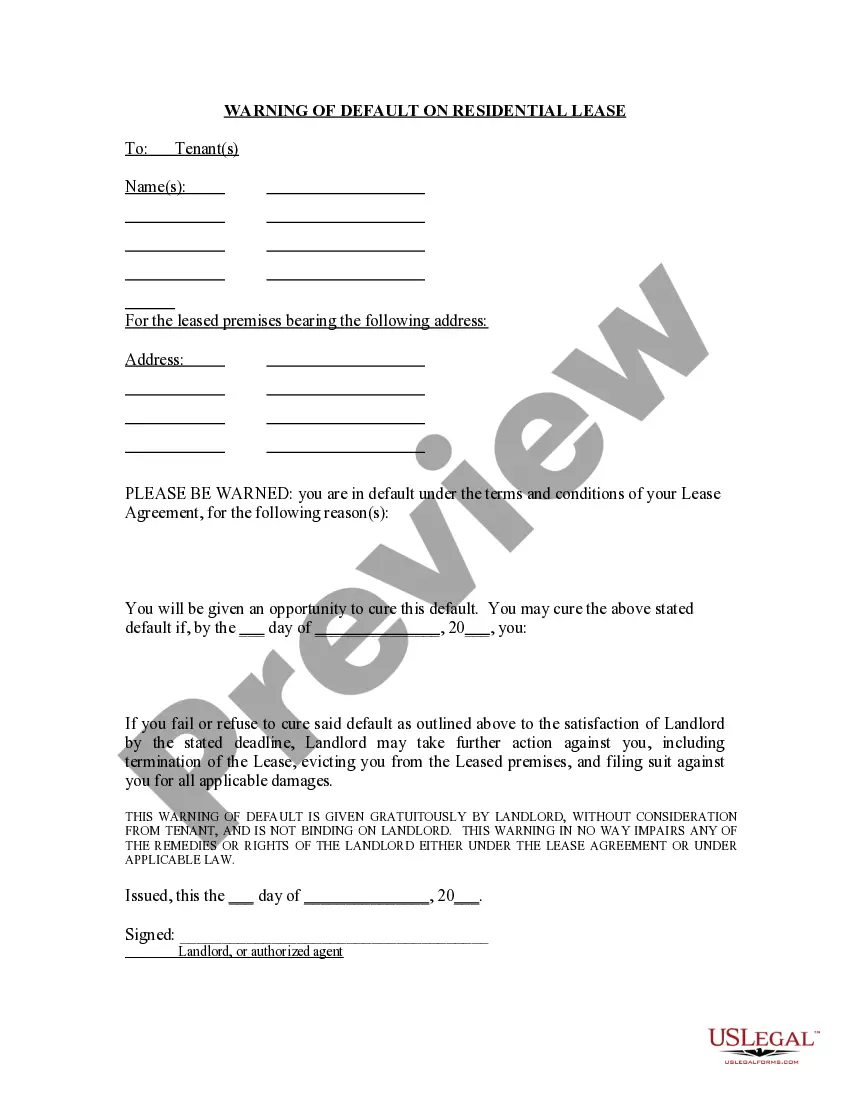
Iowa Warranty Deed for Parents to Child with Reservation of Life Estate
Understanding this form
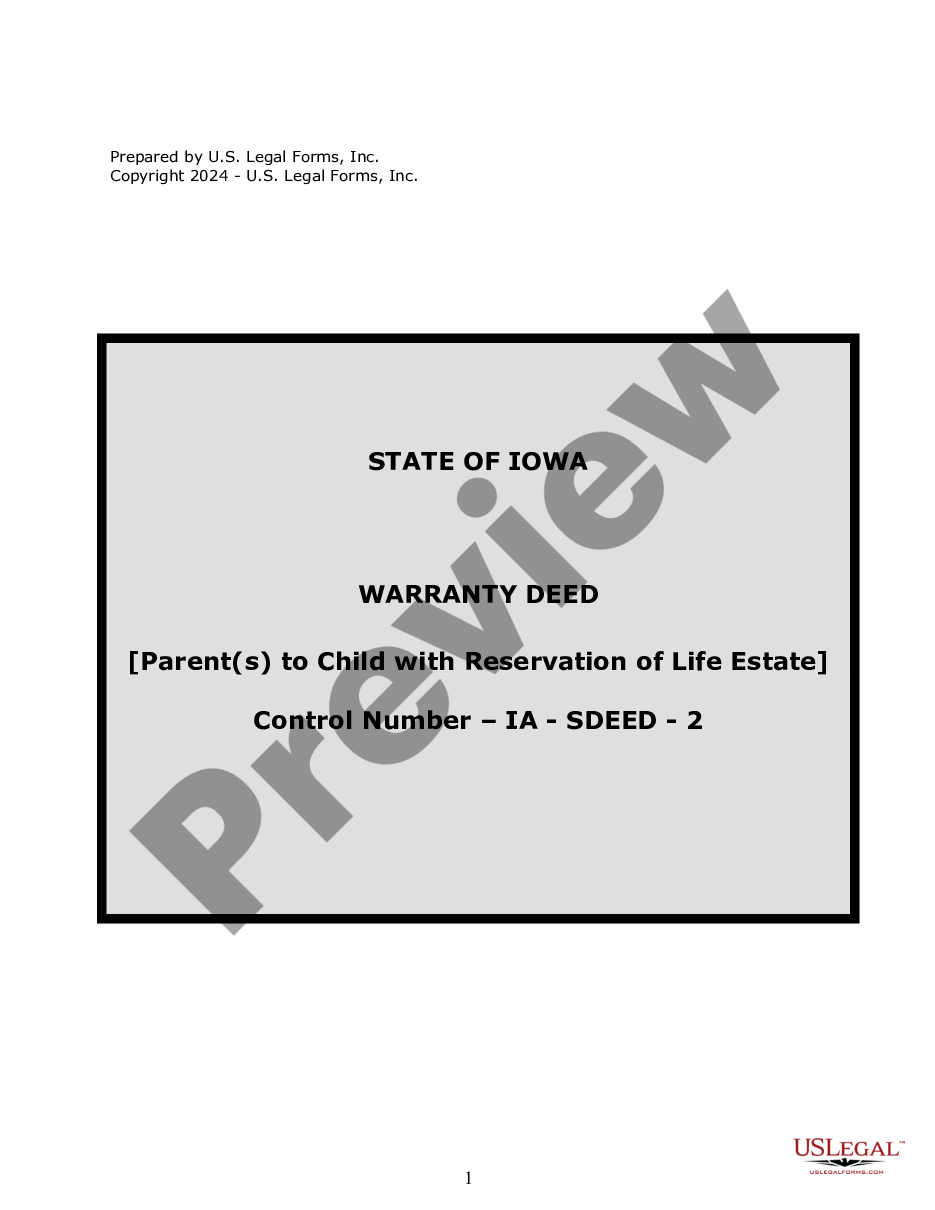
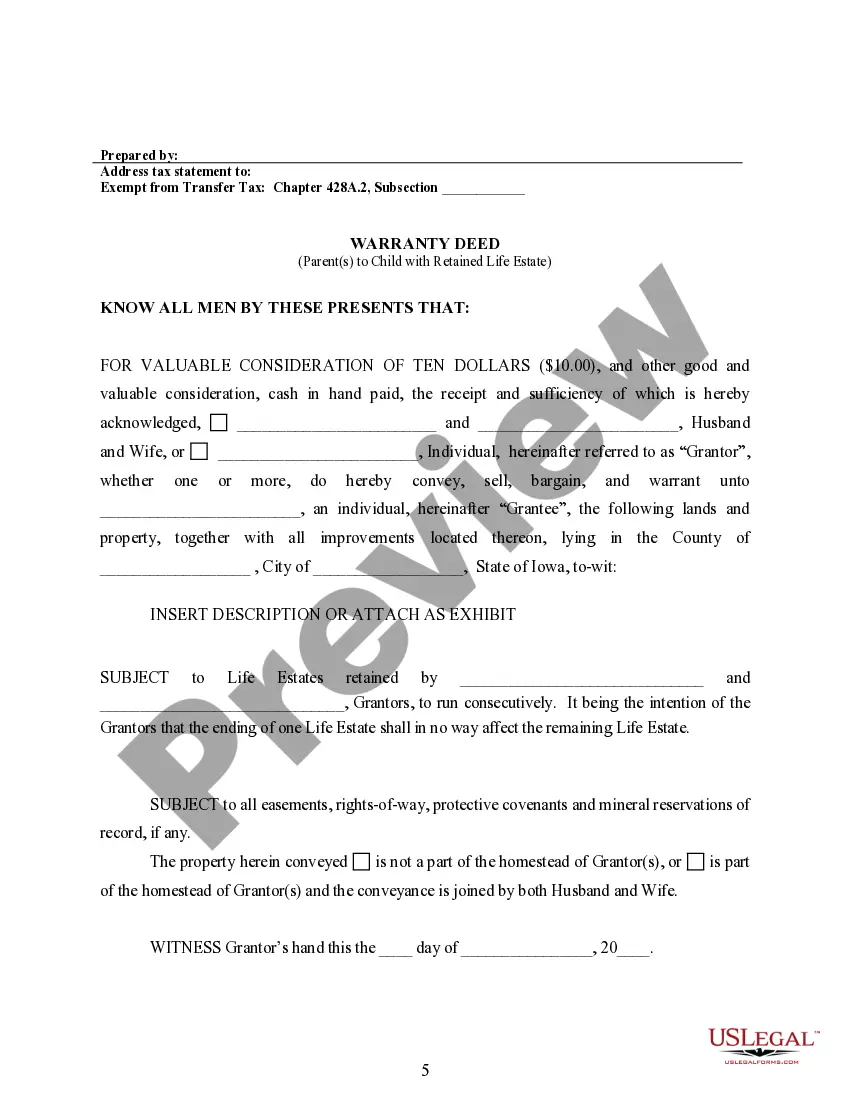
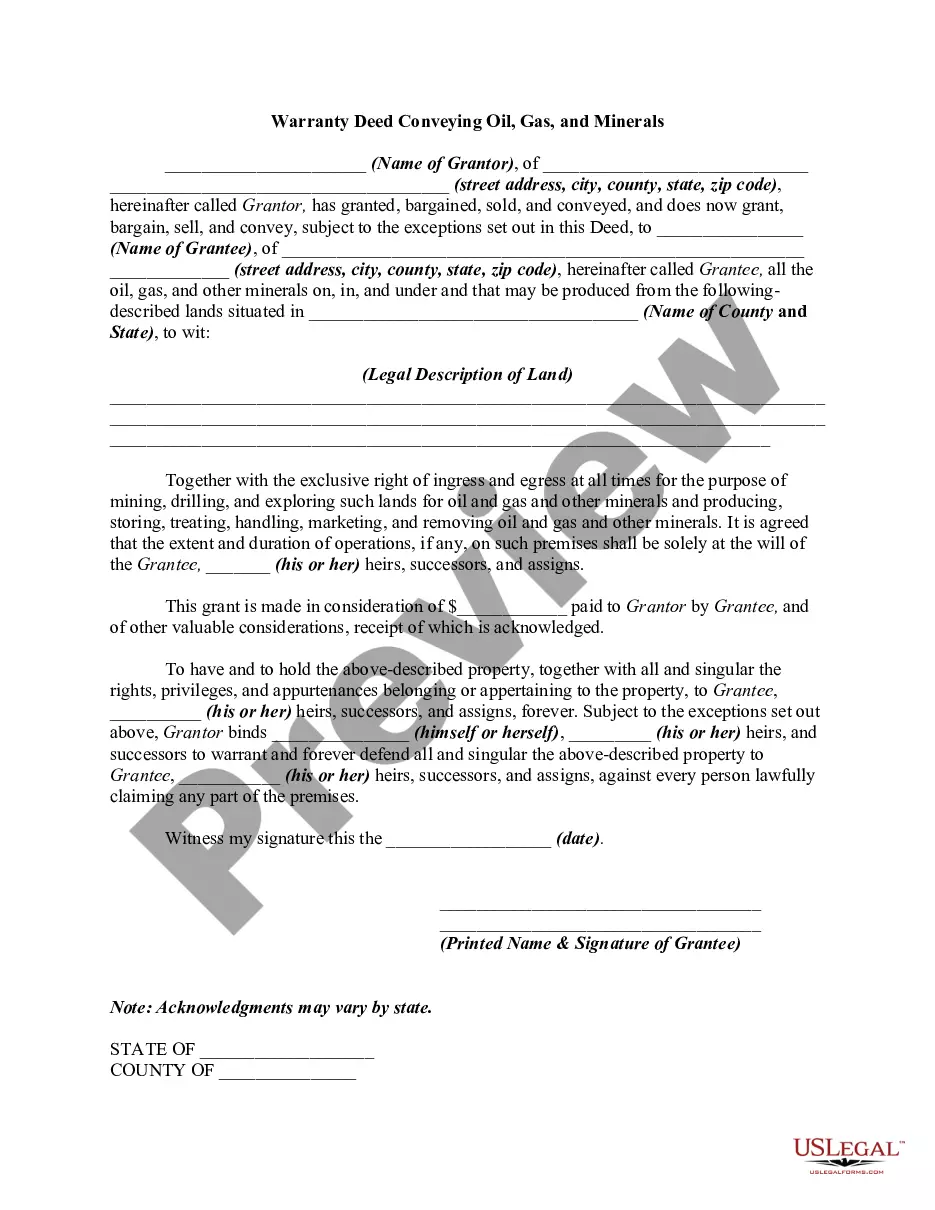
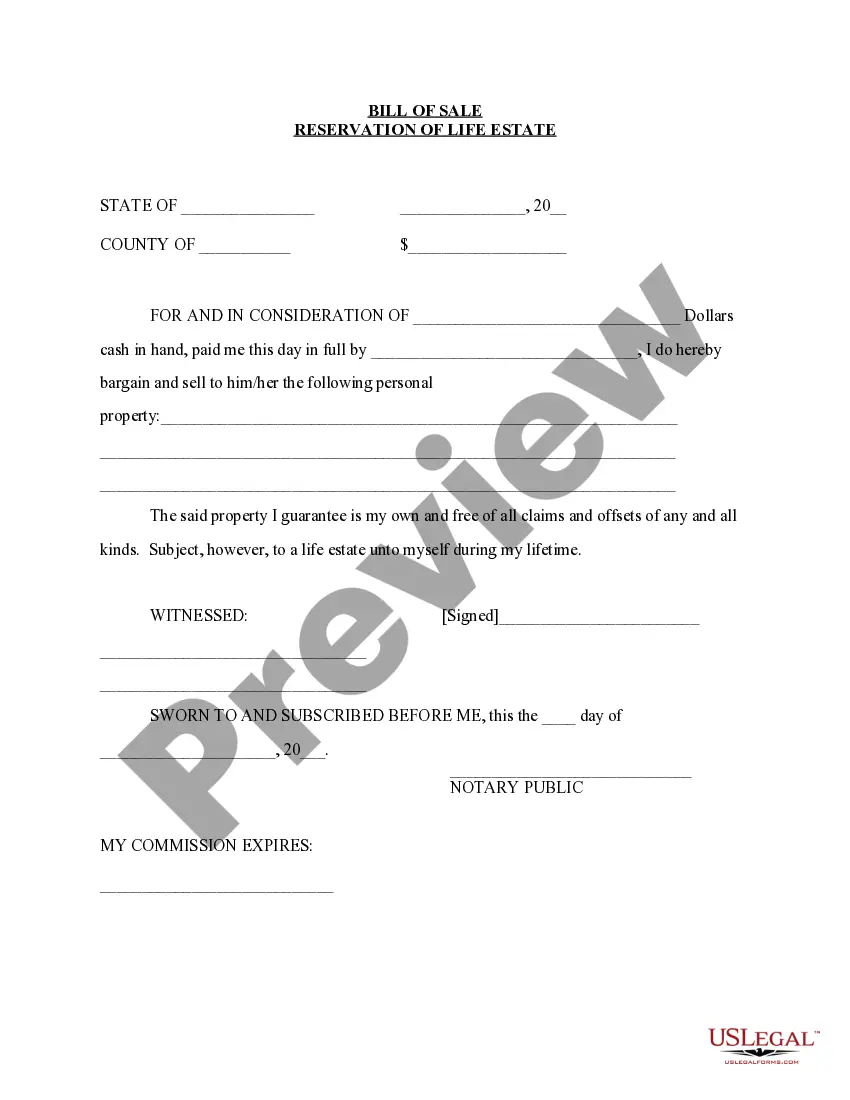
This Warranty Deed for Parents to Child with Reservation of Life Estate is a legal document that allows parents to transfer ownership of a property to their child while retaining a life estate. This means the parents can continue to live on and use the property for the remainder of their lives, after which ownership fully transfers to the child. This form differs from standard deeds as it includes specific terms regarding the reservation of a life estate, making it a tailored solution for families looking to manage property ownership strategically.
What’s included in this form
- Identification of the Grantors (parents) and Grantee (child).
- Legal description of the property being transferred.
- Specification of the life estate retained by the parents.
- Statement regarding easements and rights-of-way affecting the property.
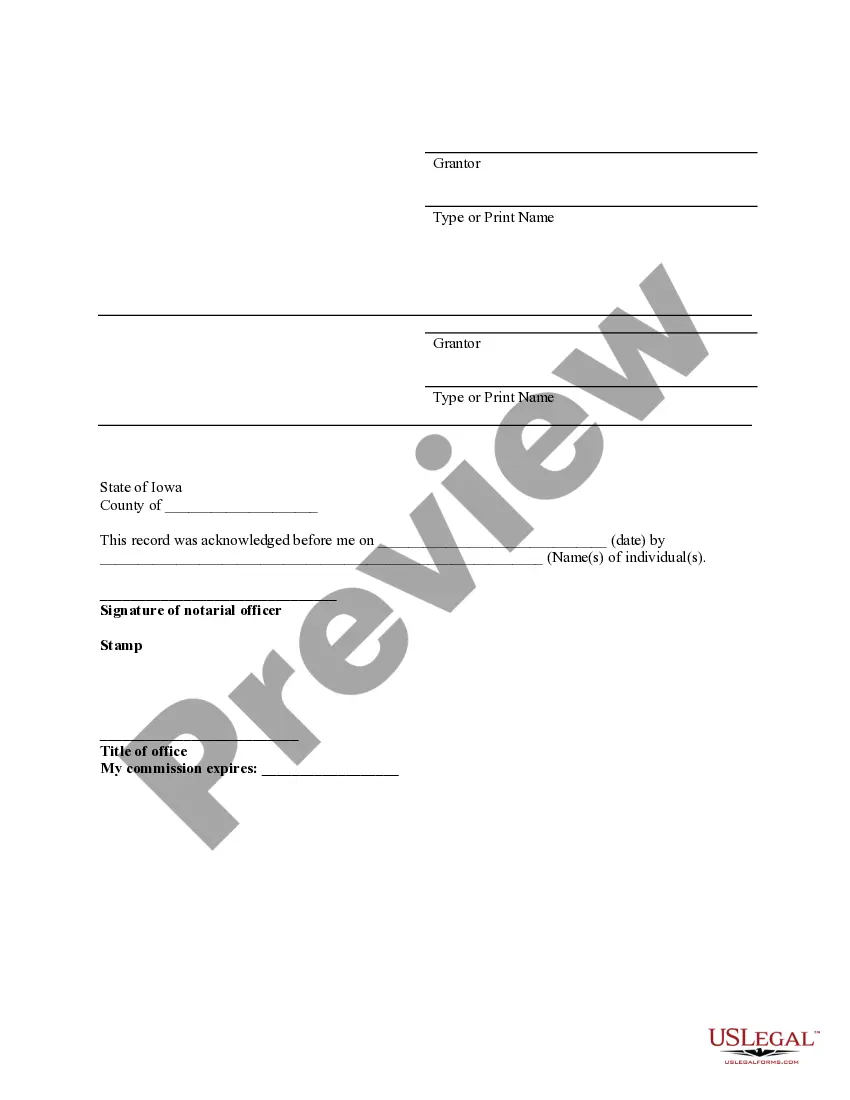
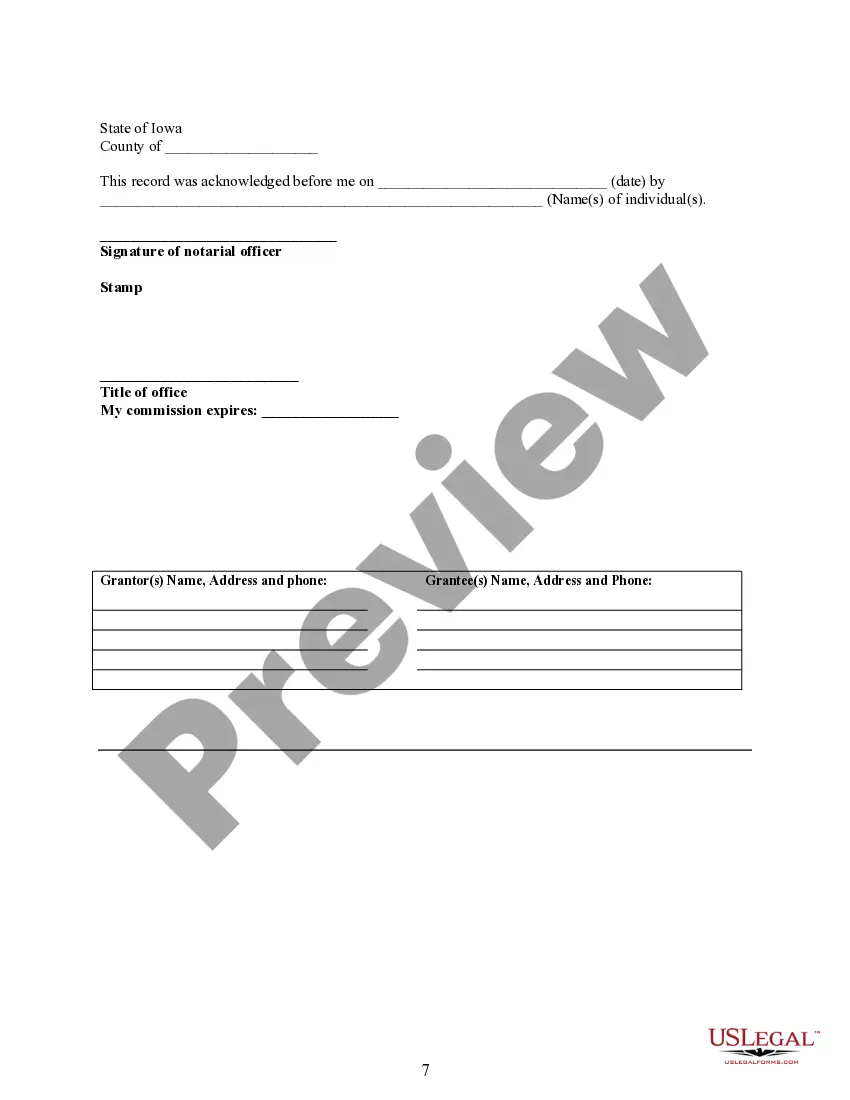
- Signature lines for grantors and notary public.


When to use this form
You should use this Warranty Deed when parents wish to transfer their property to their child while continuing to live on the property for their lifetime. This is common in estate planning and can help avoid probate and related taxes while also providing security for the parents. If you want to ensure that your property is passed on to your child but retain the right to use it, this form is appropriate.
Intended users of this form
- Parents wishing to pass property to their child, maintaining residency.
- Individuals involved in estate planning.
- Families looking to manage property ownership without transferring full control immediately.
- Homeowners who wish to provide for their children while retaining their property rights.
How to prepare this document
- Identify the parties involved, listing the parents as grantors and the child as grantee.
- Provide a thorough legal description of the property being transferred, ensuring accuracy.
- Specify the terms of the life estate retained by the grantors.
- Sign the document in the presence of a notary public.
- If necessary, file the completed form along with the required declarations with the local county office.
Does this document require notarization?
Notarization is required for this form to take effect. Our online notarization service, powered by Notarize, lets you verify and sign documents remotely through an encrypted video session, available 24/7.
Get your form ready online
Our built-in tools help you complete, sign, share, and store your documents in one place.
Make edits, fill in missing information, and update formatting in US Legal Forms—just like you would in MS Word.
Download a copy, print it, send it by email, or mail it via USPS—whatever works best for your next step.
Sign and collect signatures with our SignNow integration. Send to multiple recipients, set reminders, and more. Go Premium to unlock E-Sign.
If this form requires notarization, complete it online through a secure video call—no need to meet a notary in person or wait for an appointment.
We protect your documents and personal data by following strict security and privacy standards.

Make edits, fill in missing information, and update formatting in US Legal Forms—just like you would in MS Word.

Download a copy, print it, send it by email, or mail it via USPS—whatever works best for your next step.

Sign and collect signatures with our SignNow integration. Send to multiple recipients, set reminders, and more. Go Premium to unlock E-Sign.

If this form requires notarization, complete it online through a secure video call—no need to meet a notary in person or wait for an appointment.

We protect your documents and personal data by following strict security and privacy standards.
Common mistakes
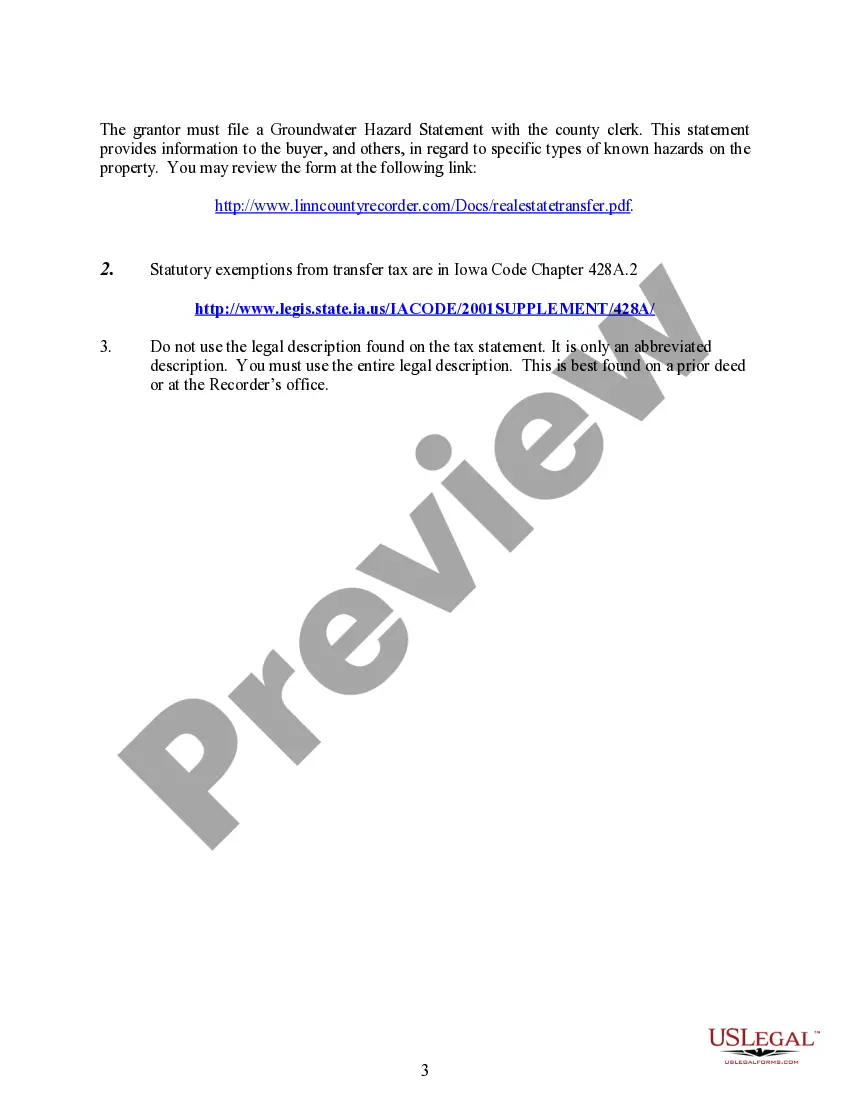
- Using abbreviated legal descriptions instead of the full legal description of the property.
- Failing to include signatures from both parents if applicable.
- Neglecting to have the document notarized, which could invalidate the deed.
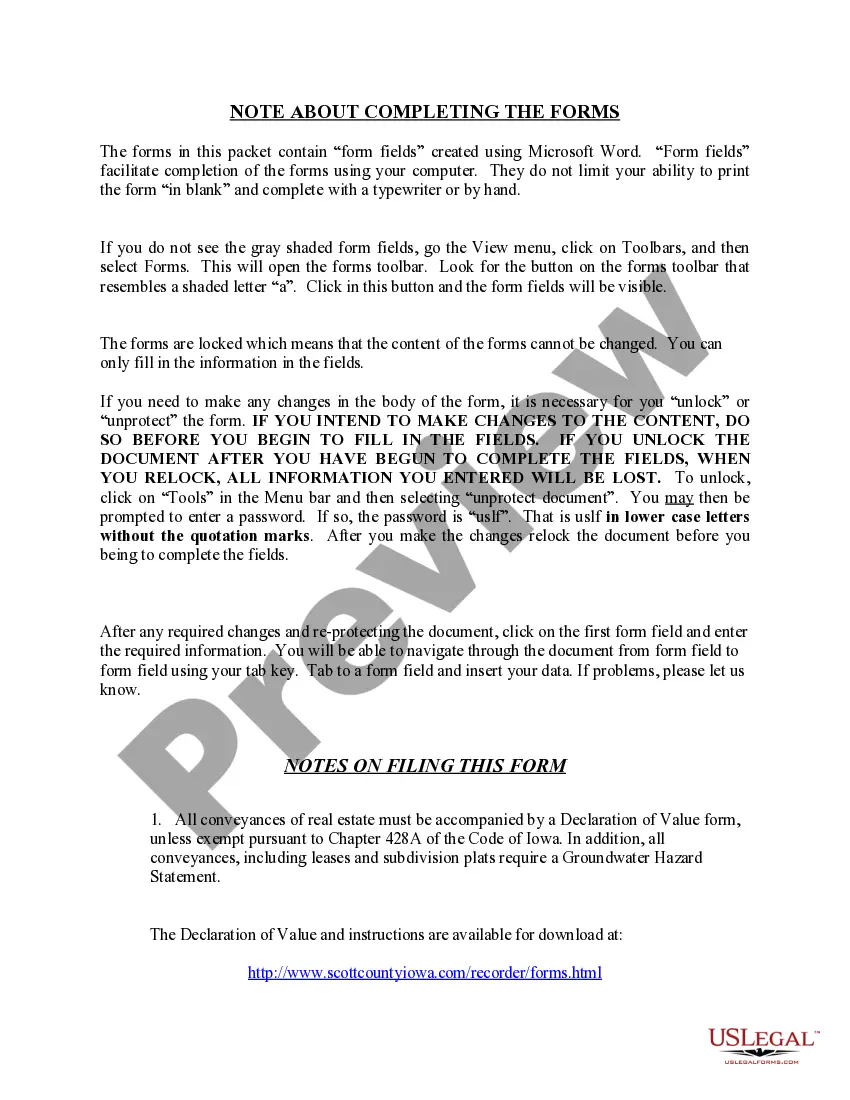
- Not filing the required Declaration of Value and Groundwater Hazard Statement during property transfer.
Why complete this form online
- Immediate access to a professionally drafted document tailored to your needs.
- Convenient electronic filling that allows you to edit and save your information securely.
- Reduced risk of errors compared to hand-written documents.
- Step-by-step guidance ensures you complete the form correctly.
Summary of main points
- The Warranty Deed for Parents to Child with Reservation of Life Estate allows parents to transfer property while retaining lifetime residency rights.
- It is essential to provide a full legal property description and complete any related documents required by Iowa law.
- Notarization is mandatory for the deed to be enforceable.
- Caring for common mistakes can help avoid complications during the transfer process.
Looking for another form?
Form popularity
FAQ
A person owns property in a life estate only throughout their lifetime. Beneficiaries cannot sell property in a life estate before the beneficiary's death. One benefit of a life estate is that property can pass when the life tenant dies without being part of the tenant's estate.
What happens to a life estate after someone dies? Upon the life tenant's death, the property passes to the remainder owner outside of probate.They can sell the property or move into and claim it as their primary residence (homestead). Property taxes will not be reassessed.
The life tenant cannot change the remainder beneficiary without their consent. If the life tenant applies for any loans, they cannot use the life estate property as collateral. There's no creditor protection for the remainderman. You can't minimize estate tax.
The person holding the life estate -- the life tenant -- possesses the property during his or her life. The other owner -- the remainderman -- has a current ownership interest but cannot take possession until the death of the life estate holder.
A life estate deed permits the property owner to have full use of their property until their death, at which point the ownership of the property is automatically transferred to the beneficiary.
A California Revocable Transfer-On-Death Deed does not take effect until the property owner dies.As long as the original owner is alive, he can revoke the transfer, sell the property, add or remove beneficiaries, and otherwise maintain complete control over the property.
The two types of life estates are the conventional and the legal life estate. the grantee, the life tenant. Following the termination of the estate, rights pass to a remainderman or revert to the previous owner.
Possible tax breaks for the life tenant. Reduced capital gains taxes for remainderman after death of life tenant. Capital gains taxes for remainderman if property sold while life tenant still alive. Remainderman's financial problems can affect the life tenant.