Iowa Landlord Tenant Closing Statement to Reconcile Security Deposit
About this form
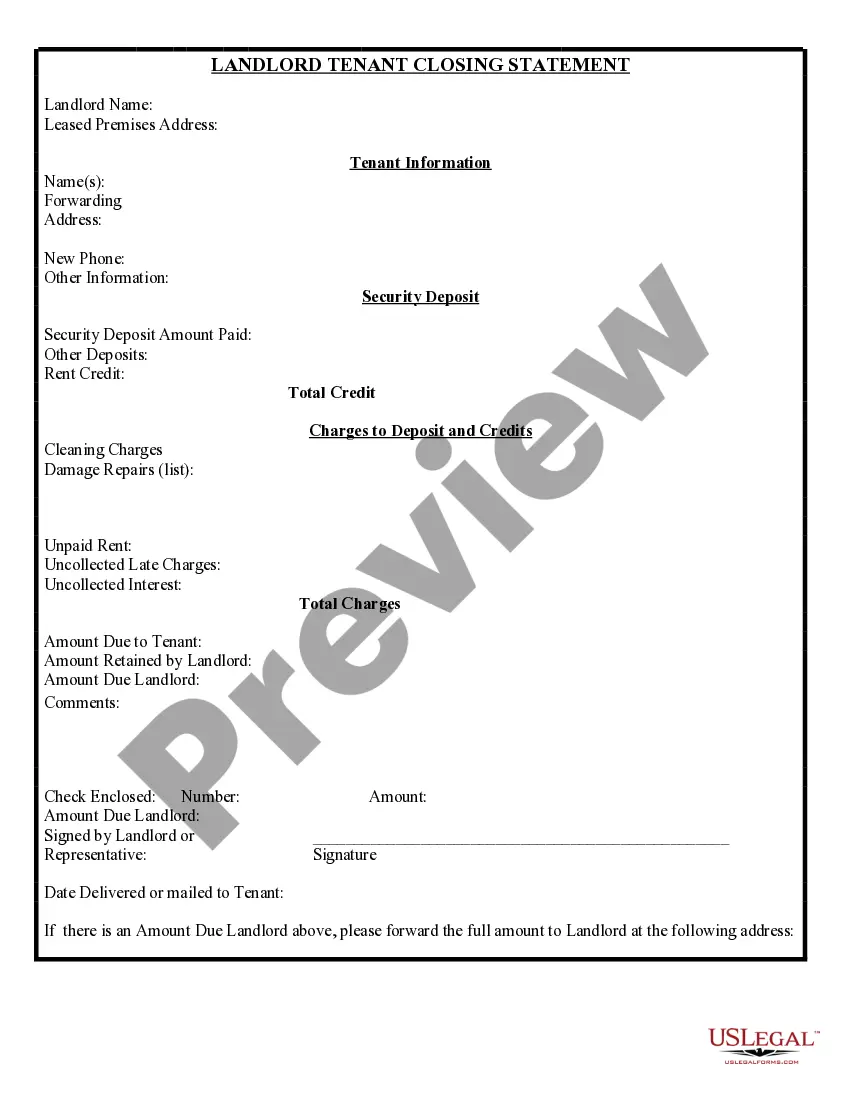
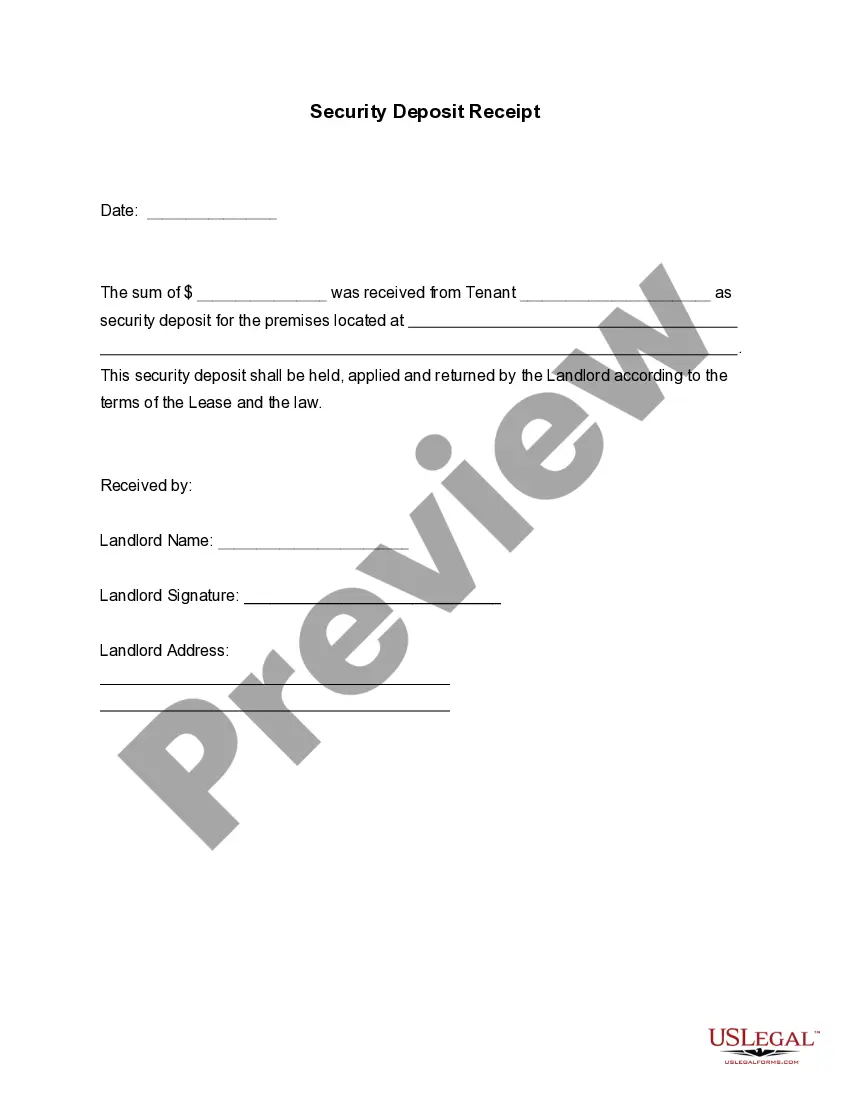
The Landlord Tenant Closing Statement to Reconcile Security Deposit is a legal document used by landlords to itemize the security deposits and any credits, subtracting allowable deductions. This form serves to clarify the financial transactions surrounding the security deposit held by the landlord, ensuring both parties have a clear understanding of their obligations and rights. Unlike other rental forms, this specific closing statement focuses on reconciling the security deposit at the end of a tenancy.
Key components of this form
- Identification of parties involved: Lists the landlord and tenant names and addresses.
- Property details: Specifies the address of the rental property.
- Security deposit amount: States the total amount of the security deposit held.
- Deductions: Outlines any deductions for damages, unpaid rent, or other charges.
- Final balance calculation: Shows the total owed to the tenant after deductions.
- Signatures: Provides a space for both parties to sign, acknowledging the statement.
Situations where this form applies
This form should be used at the conclusion of a tenancy when the landlord is returning the security deposit to the tenant. It is essential when there are deductions from the deposit for damages or unpaid rent. This statement helps to avoid disputes by documenting the financial reconciliation between landlord and tenant clearly.
Who needs this form
- Landlords needing to provide a detailed account of the security deposit reconciliation.
- Tenants who wish to understand the deductions being made from their security deposit.
- Property managers responsible for executing the final financial transactions of a tenancy.
Instructions for completing this form
- Identify the parties by entering the landlord and tenant information.
- Specify the property by providing the full address of the rental unit.
- Record the total security deposit amount held by the landlord.
- List deductions with explanations for each charge deducted from the deposit.
- Calculate the final balance and state the amount to be returned to the tenant.
- Both parties should sign the document to acknowledge agreement with the statement.
Notarization guidance
This form does not typically require notarization to be legally valid. However, some jurisdictions or document types may still require it. US Legal Forms provides secure online notarization powered by Notarize, available 24/7 for added convenience.
Get your form ready online
Our built-in tools help you complete, sign, share, and store your documents in one place.
Make edits, fill in missing information, and update formatting in US Legal Forms—just like you would in MS Word.
Download a copy, print it, send it by email, or mail it via USPS—whatever works best for your next step.
Sign and collect signatures with our SignNow integration. Send to multiple recipients, set reminders, and more. Go Premium to unlock E-Sign.
If this form requires notarization, complete it online through a secure video call—no need to meet a notary in person or wait for an appointment.
We protect your documents and personal data by following strict security and privacy standards.

Make edits, fill in missing information, and update formatting in US Legal Forms—just like you would in MS Word.

Download a copy, print it, send it by email, or mail it via USPS—whatever works best for your next step.

Sign and collect signatures with our SignNow integration. Send to multiple recipients, set reminders, and more. Go Premium to unlock E-Sign.

If this form requires notarization, complete it online through a secure video call—no need to meet a notary in person or wait for an appointment.

We protect your documents and personal data by following strict security and privacy standards.
Avoid these common issues
- Failing to list all deductions clearly, which can lead to disputes.
- Not obtaining signatures from both parties, making the document unenforceable.
- Overlooking state-specific regulations, which could affect the legality of the form.
Why use this form online
- Quick and easy access to a legally compliant template.
- Editable fields allow customization for specific lease agreements.
- Provides peace of mind with a clear, professional document for both parties.
Legal use & context
- The closing statement serves as legal evidence of the financial reconciliation of the security deposit.
- Failure to provide a proper closing statement may lead to disputes over withheld funds.
- Maintaining a clear record helps protect landlords and tenants under local rental laws.
Key takeaways
- Use the Landlord Tenant Closing Statement to document security deposit reconciliations.
- Ensure clarity in deductions and keep a signed copy for both parties.
- Be aware of local laws regulating security deposits and potentially required statements.
Looking for another form?


Form popularity
FAQ
Avoid making demands or using aggressive language when speaking to your landlord. Phrases that come off as confrontational can harm your relationship and hinder negotiations. Focus instead on open communication and cooperation, especially concerning the Iowa Landlord Tenant Closing Statement to Reconcile Security Deposit. This positive approach often leads to more favorable outcomes for both parties.
To convince a landlord to choose you, present yourself as a reliable, responsible tenant. Showcase your rental history, financial stability, and ability to maintain the property. Mention your intention to provide an Iowa Landlord Tenant Closing Statement to Reconcile Security Deposit, which demonstrates your commitment to a smooth transaction. Building a friendly rapport can also foster trust and increase your chances of selection.
To ask for your deposit back, it's crucial to be clear and professional in your communication. A template can guide you, outlining important details like your lease dates and a request for the Iowa Landlord Tenant Closing Statement to Reconcile Security Deposit. Make sure to include your new address for the return and express gratitude for their cooperation. This approach increases your chances of a prompt response.
Winning against a landlord often requires a solid understanding of your rights as a tenant. You should document everything, including conditions of the property and communication with your landlord. Utilizing an Iowa Landlord Tenant Closing Statement to Reconcile Security Deposit can help ensure transparency during the moving-out process, thus strengthening your position. Consider seeking legal advice if your situation escalates.
When communicating with your landlord, avoid making demands and accusations that can escalate tensions. Instead, focus on presenting your concerns calmly and professionally. Be clear and open while discussing issues related to the Iowa Landlord Tenant Closing Statement to Reconcile Security Deposit. This approach promotes a cooperative atmosphere that can lead to better resolutions.
In Iowa, landlords must follow specific rules regarding security deposits, such as returning the deposit within 30 days after lease termination. They must also provide itemized lists of any deductions taken from the deposit. Utilizing the Iowa Landlord Tenant Closing Statement to Reconcile Security Deposit can help you comply with these regulations. Staying informed ensures fair practices and avoids legal issues.
To send the security deposit back to a tenant, process the refund promptly and document the return. You can issue a check or transfer the funds electronically, depending on what you and the tenant agreed upon. Utilizing the Iowa Landlord Tenant Closing Statement to Reconcile Security Deposit ensures you maintain clear records of this transaction. Transparency fosters good relationships with tenants.
Yes, obtaining a receipt for a security deposit is highly recommended. A receipt provides a record of the transaction and safeguards your interests. When using the Iowa Landlord Tenant Closing Statement to Reconcile Security Deposit, a receipt can also clarify expectations regarding the return of deposits. Always keep copies of these documents in case of disputes.
Normal wear and tear in a rental in Iowa refers to the gradual deterioration that occurs from ordinary use. Examples include minor scuff marks on walls and worn carpets. Understanding this concept is essential for both landlords and tenants when examining the Iowa Landlord Tenant Closing Statement to Reconcile Security Deposit. By distinguishing these from actual damages, you can prevent unnecessary deductions.
In financial statements, a security deposit is typically recorded as a liability until it is returned to the tenant. Landlords should track these deposits separately to maintain accurate records. The Iowa Landlord Tenant Closing Statement to Reconcile Security Deposit can assist landlords in managing these transactions effectively. This organization helps in understanding the financial impact of these deposits.