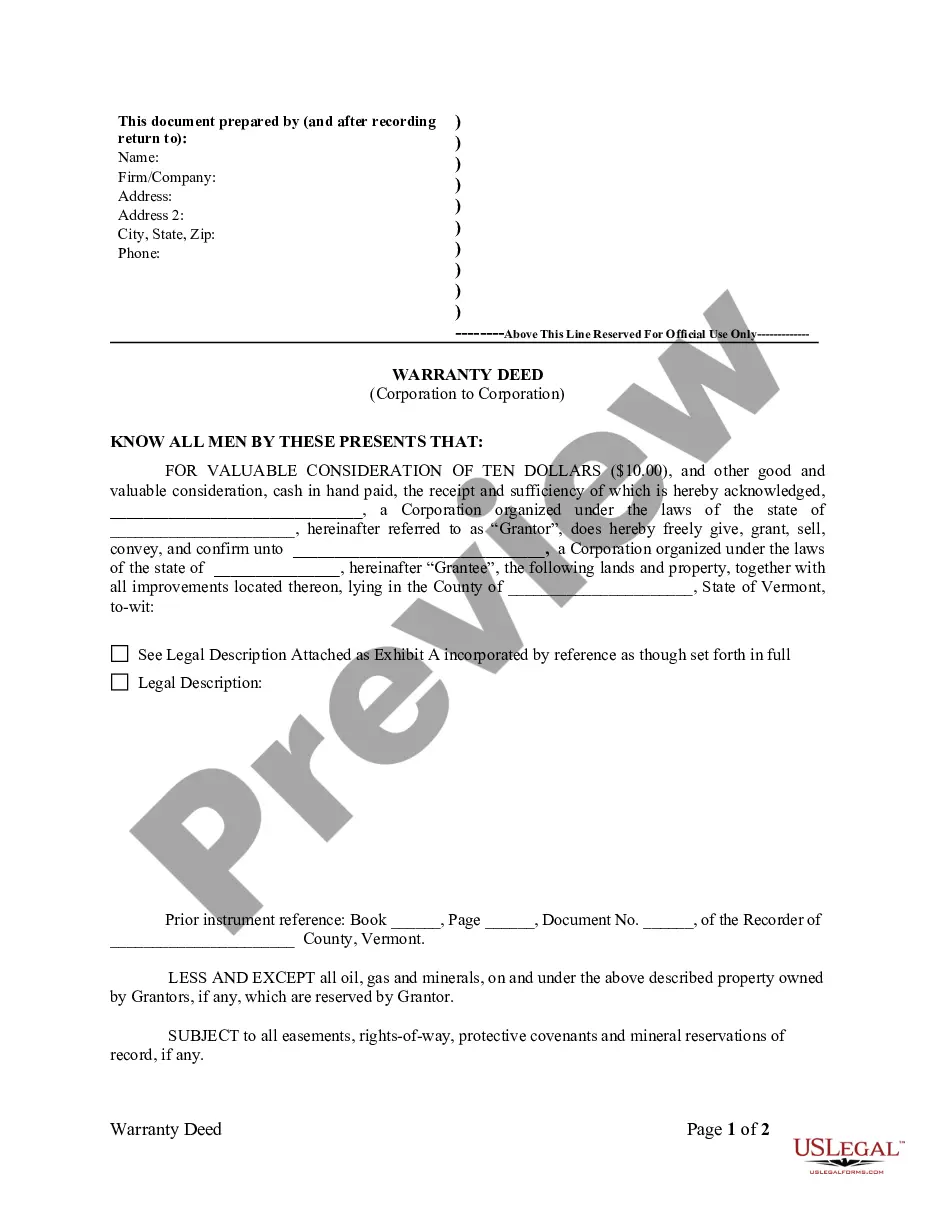
Iowa Letter from Tenant to Landlord containing Notice of termination for landlord's noncompliance with possibility to cure
Understanding this form
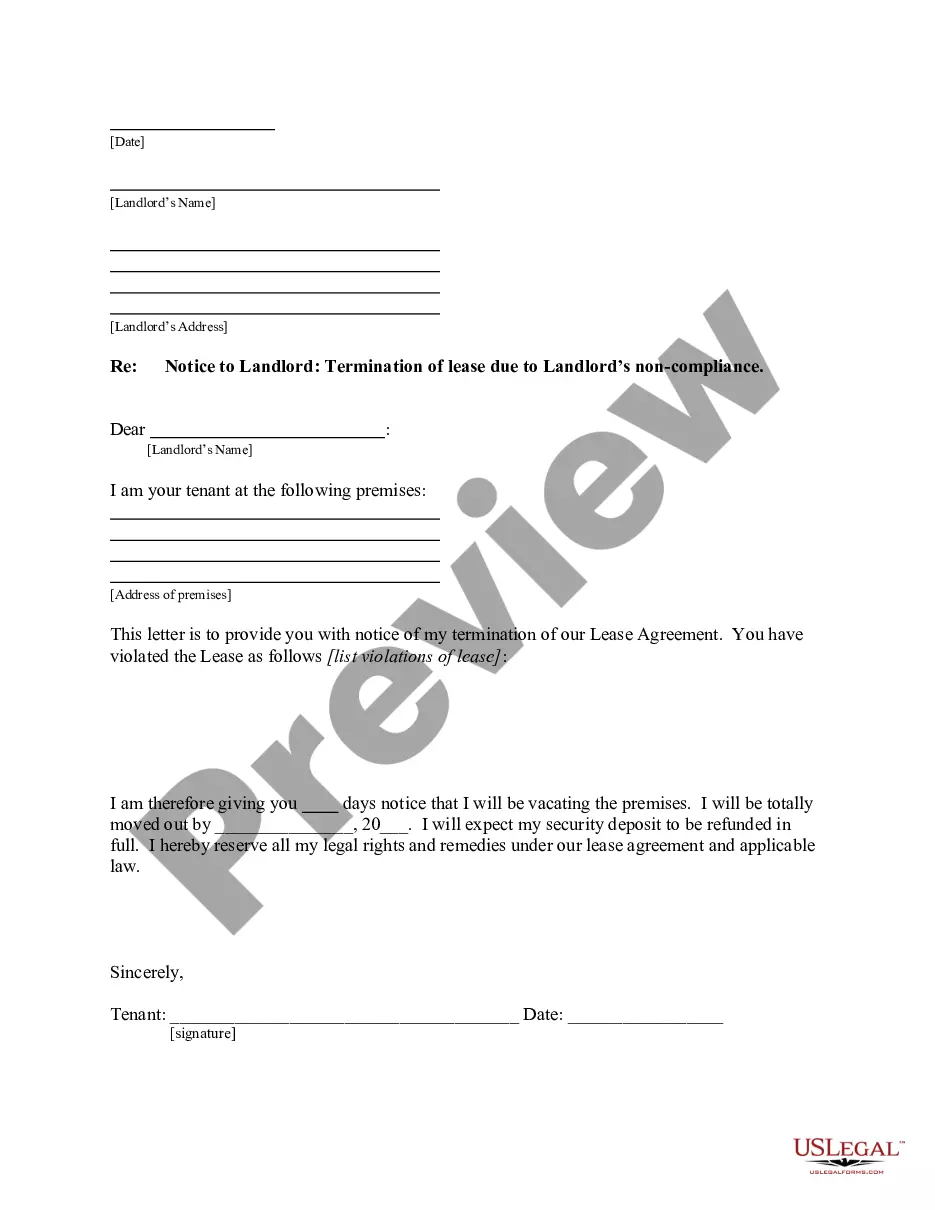
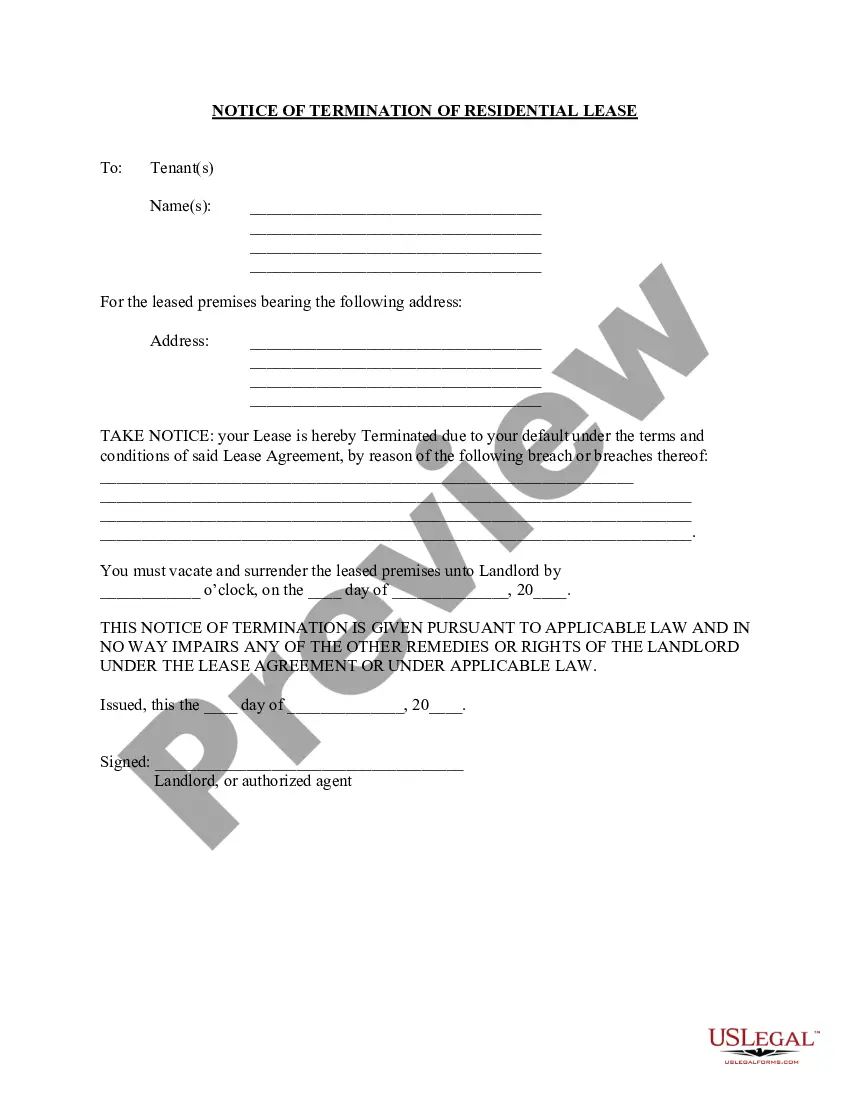
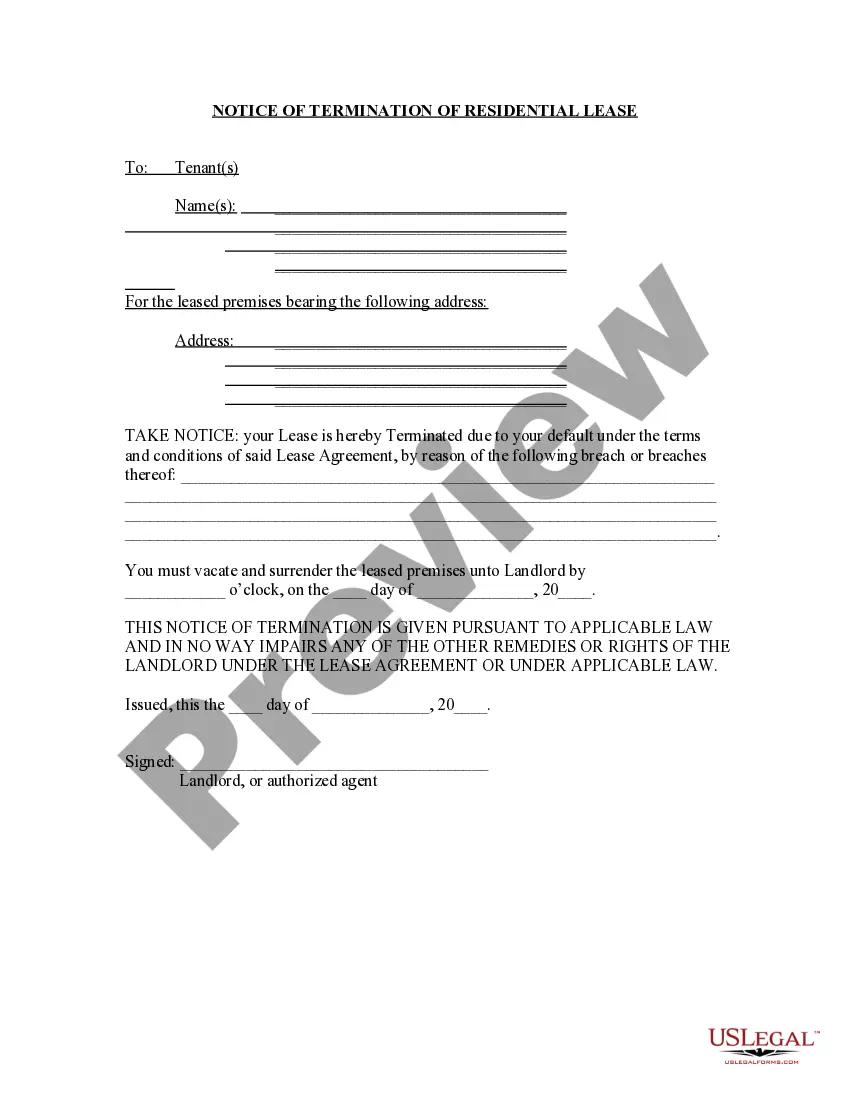
This Letter from Tenant to Landlord containing Notice of termination for landlord's noncompliance with possibility to cure is a formal notice that a tenant can use to inform a landlord about their intention to vacate the rental premises due to the landlord's failure to comply with lease terms. This document outlines the reasons for termination and highlights the landlord's opportunity to remedy the situation before the tenant leaves. It serves an essential purpose in tenant rights, ensuring that landlords are aware of their obligations under the lease agreement.
Main sections of this form
- Tenant's name and contact information
- Landlord's name and address
- Specific reasons for lease termination due to noncompliance
- Notice of the landlord's right to cure the breach
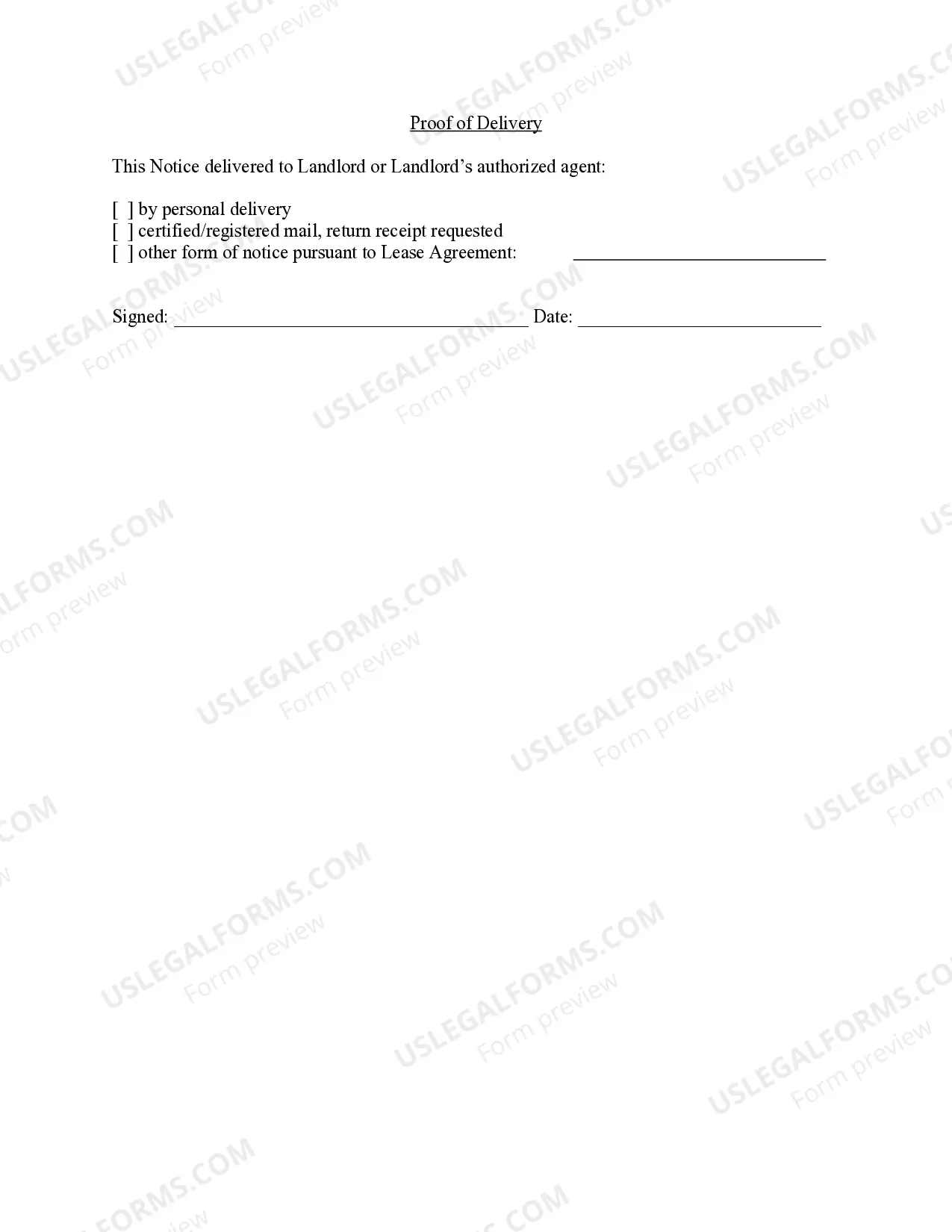
- Delivery method confirmation
- Tenant's signature and date of notice


When to use this document
This form should be used when a tenant wishes to terminate their lease because the landlord has failed to uphold their responsibilities as outlined in the lease agreement. If the landlord has neglected necessary repairs, violated terms of service, or otherwise breached the lease, the tenant can issue this notice as a first step toward vacating the property. It allows the landlord an opportunity to resolve the issues before the termination becomes effective.
Who needs this form
- Tenants who are experiencing issues with their landlord that violate the lease agreement
- Individuals who need to document their intent to vacate the rental property
- People looking to legally inform their landlord of their right to cure the breach
- Renters seeking to protect their rights and interests in a lease dispute
Steps to complete this form
- Identify the parties involved: Fill in the tenant's and landlord's names and addresses.
- Specify the property: Include details about the rented property that is affected.
- Clearly state the reasons for termination based on the landlord's noncompliance.
- Indicate the delivery method and sign the document.
- Provide the date of notice to establish a clear timeline.
Notarization guidance
This form does not typically require notarization unless specified by local law. It is recommended to check specific state regulations for any additional requirements related to notices of termination.
Get your form ready online
Our built-in tools help you complete, sign, share, and store your documents in one place.
Make edits, fill in missing information, and update formatting in US Legal Forms—just like you would in MS Word.
Download a copy, print it, send it by email, or mail it via USPS—whatever works best for your next step.
Sign and collect signatures with our SignNow integration. Send to multiple recipients, set reminders, and more. Go Premium to unlock E-Sign.
If this form requires notarization, complete it online through a secure video call—no need to meet a notary in person or wait for an appointment.
We protect your documents and personal data by following strict security and privacy standards.

Make edits, fill in missing information, and update formatting in US Legal Forms—just like you would in MS Word.

Download a copy, print it, send it by email, or mail it via USPS—whatever works best for your next step.

Sign and collect signatures with our SignNow integration. Send to multiple recipients, set reminders, and more. Go Premium to unlock E-Sign.

If this form requires notarization, complete it online through a secure video call—no need to meet a notary in person or wait for an appointment.

We protect your documents and personal data by following strict security and privacy standards.
Avoid these common issues
- Failing to include specific details about the landlord's noncompliance.
- Not providing the proper delivery method for the notice.
- Omitting signature or date, which can invalidate the notice.
- Not keeping a copy for personal records after delivery.
Why complete this form online
- Convenience of immediate access to legal templates.
- Editability allows for tailoring the document to fit individual situations.
- Peace of mind knowing the form is drafted by licensed attorneys.
- Faster process than traditional legal consultations or in-person meetings.
Looking for another form?
Form popularity
FAQ
If you don't move out by the day in the notice, the landlord can ask the NSW Civil and Administrative Tribunal (NCAT) for a termination order. A termination order means the rental agreement is ended. The order will state the day when you must give vacant possession that is, you move out and return the keys.
Showing the premises to prospective tenants 'reasonable' notice / number of times. The law does not say what 'reasonable' means.If you refuse access, the landlord/agent can apply to the Tribunal for an order that authorises them or any other person to enter the premises.
If the tenant refuses, you are permitted to send them a notice to agree or quit the property. The tenant refusing you access constitutes a breach in the lease agreement, so they could be evicted if they continue to deny access.
If the landlord/agent wants to end your agreement at the end of the fixed term, they must give you at least 30 days notice that includes the last day of the term. If the landlord/agent applies for a termination order, the Tribunal must terminate the agreement.
Pay any delinquent rent that is due to the landlord within the allotted time of the notice. Move out of the premises within the allotted time of the notice. File an answer with the judicial court. File a motion to stay with the court.
While tenants cannot unreasonably deny access to a landlord, landlords must also follow all of the state and local rules regarding access to tenants' apartments. Roughly half of states have rules governing landlord entry into tenants' apartments.
Leaving without giving notice Your tenancy won't have ended and you'll still have to pay your rent until you end your tenancy in the right way. You might also have to pay other bills - for example, council tax. Your landlord can get a court order to make you pay the rent you owe.
Every tenant has a right to enjoy peaceful possession of the property without any disturbance or encumbrance from anyone including the owner. At no point of time under your tenancy can your landlord ask you to evict or leave the premises without assigning a valid reason.