Hawaii Revocation of Advance Health Care Directive - Four Parts
Overview of this form
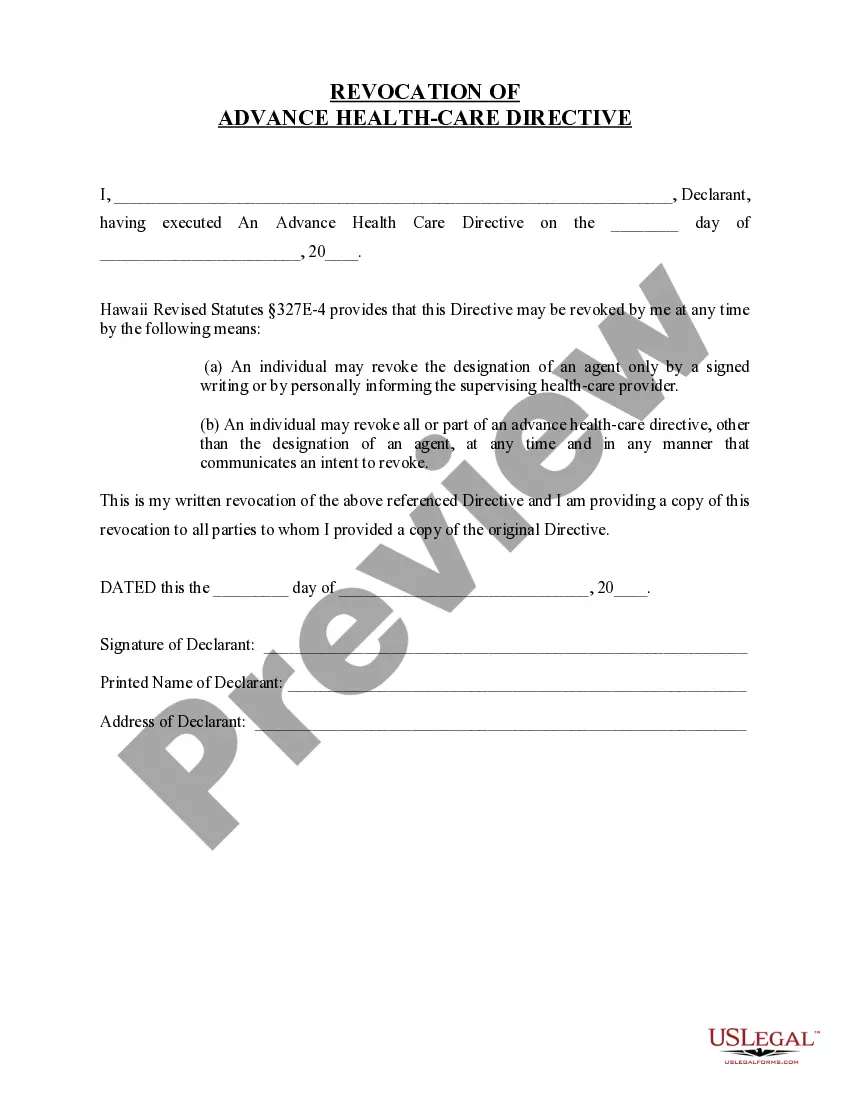
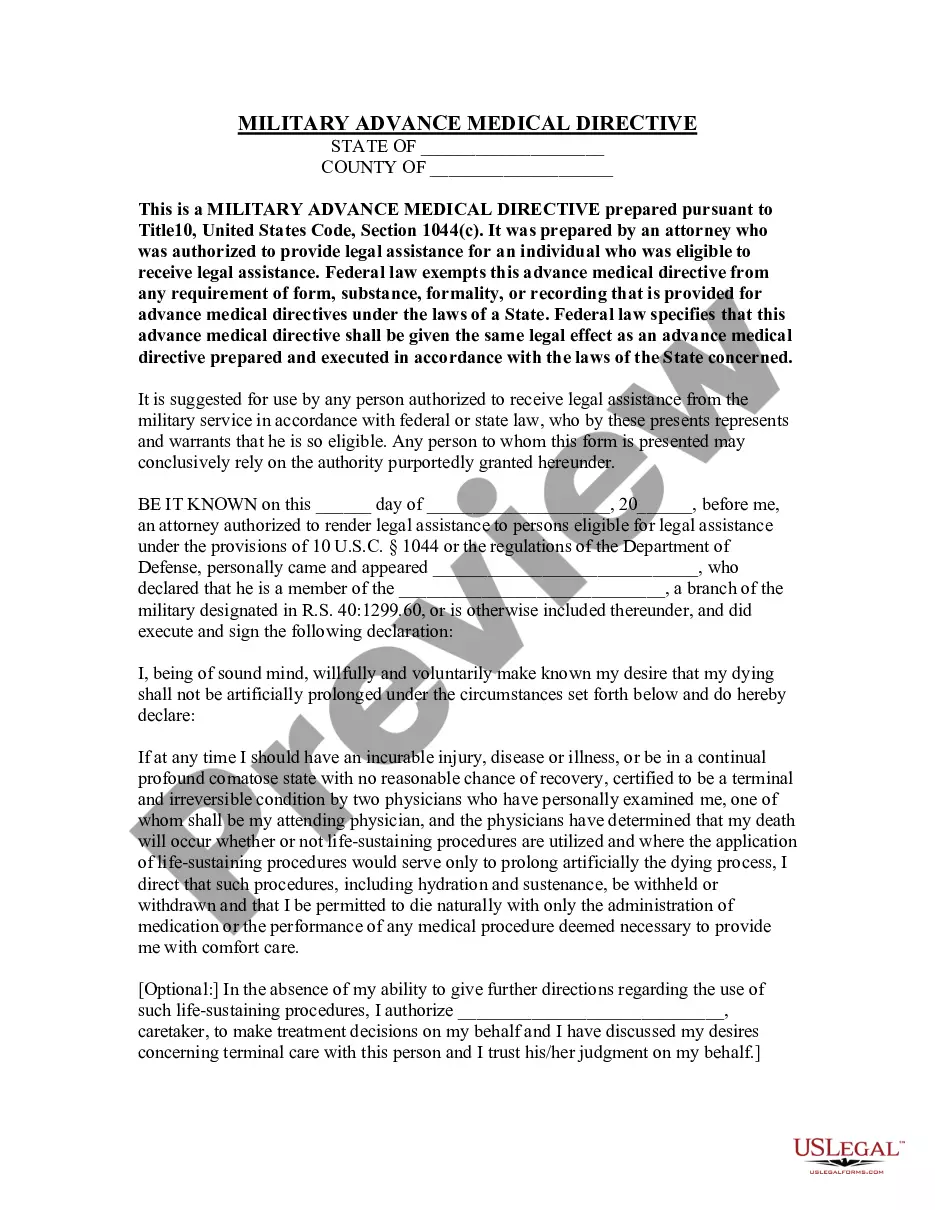
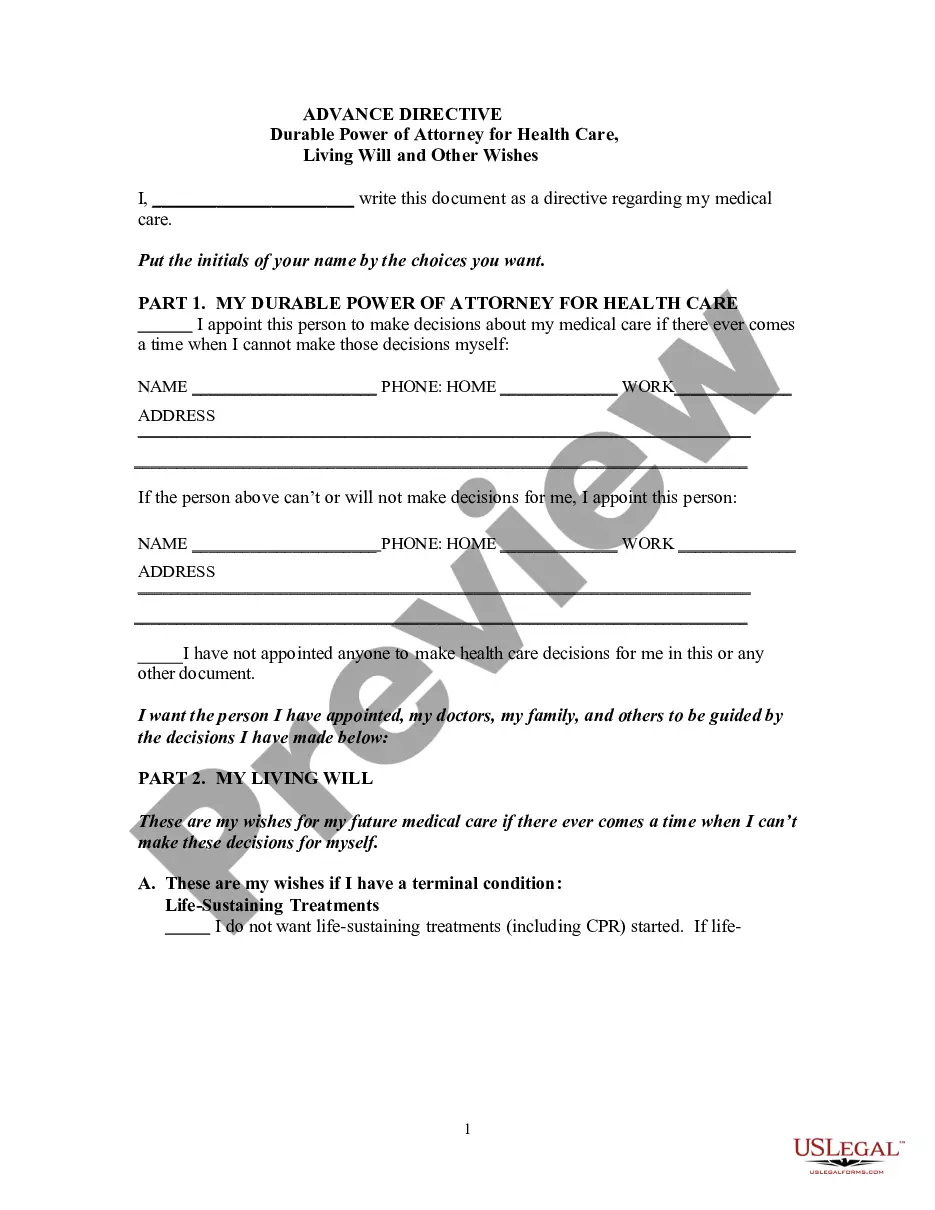
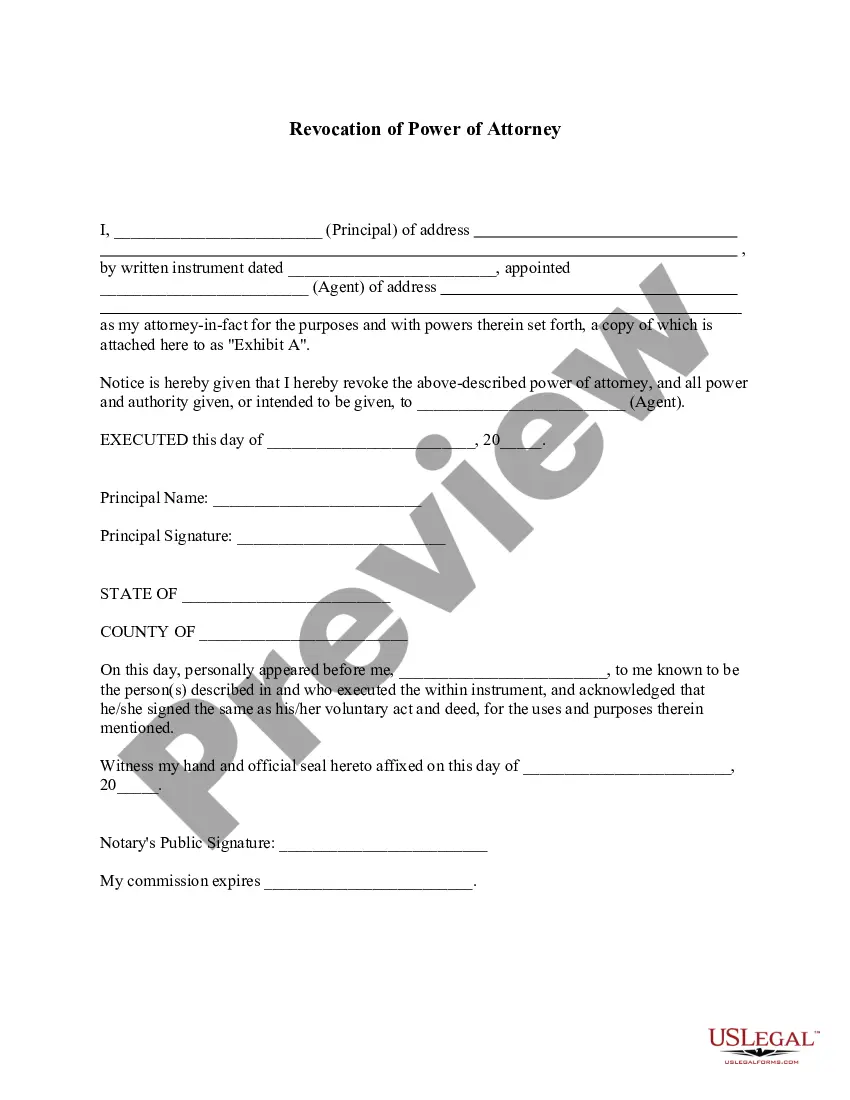
The Revocation of Advance Health Care Directive allows an individual to formally retract a previously made Advance Health Care Directive. This form is crucial for individuals who wish to change their end-of-life care decisions or designate a different decision-maker. Unlike a new directive, this revocation specifically cancels the authority given in the prior directive, ensuring that healthcare providers and loved ones are aware of the most current wishes of the declarant regarding their medical care.
Form components explained
- Declarant's information (name and address)
- Date of revocation
- Signature of the declarant
- Statement acknowledging the revocation of previous directives
- Instructions for informing healthcare providers of the revocation
When to use this form
This form should be used when an individual wants to revoke their existing Advance Health Care Directive, whether due to changes in personal circumstances, a new decision-maker, or updated medical preferences. It is important to have this revocation documented to avoid confusion among healthcare providers and ensure that the individual's current wishes are respected.
Who can use this document
- Individuals who have previously executed an Advance Health Care Directive
- People wishing to update their medical decision-making preferences
- Individuals who want to revoke the authority of an agent designated for healthcare decisions
- Anyone looking to ensure their current wishes regarding end-of-life care are accurately communicated
How to complete this form
- Fill in your full name and address as the declarant.
- Insert the date of your original Advance Health Care Directive.
- Clearly state your intention to revoke the previous directive.
- Sign and print your name to validate the revocation.
- Distribute copies of the signed revocation to relevant parties and healthcare providers.
Notarization requirements for this form
This form usually doesn’t need to be notarized. However, local laws or specific transactions may require it. Our online notarization service, powered by Notarize, lets you complete it remotely through a secure video session, available 24/7.
Get your form ready online
Our built-in tools help you complete, sign, share, and store your documents in one place.
Make edits, fill in missing information, and update formatting in US Legal Forms—just like you would in MS Word.
Download a copy, print it, send it by email, or mail it via USPS—whatever works best for your next step.
Sign and collect signatures with our SignNow integration. Send to multiple recipients, set reminders, and more. Go Premium to unlock E-Sign.
If this form requires notarization, complete it online through a secure video call—no need to meet a notary in person or wait for an appointment.
We protect your documents and personal data by following strict security and privacy standards.

Make edits, fill in missing information, and update formatting in US Legal Forms—just like you would in MS Word.

Download a copy, print it, send it by email, or mail it via USPS—whatever works best for your next step.

Sign and collect signatures with our SignNow integration. Send to multiple recipients, set reminders, and more. Go Premium to unlock E-Sign.

If this form requires notarization, complete it online through a secure video call—no need to meet a notary in person or wait for an appointment.

We protect your documents and personal data by following strict security and privacy standards.
Avoid these common issues
- Failing to sign the revocation, which renders it invalid.
- Not providing copies to healthcare providers and designated agents.
- Forgetting to date the revocation, leading to confusion about its validity.
- Leaving out important personal information, such as the declarant's address.
Why use this form online
- Convenient access from any device, allowing you to complete the form at your own pace.
- Editable templates ensure that you can customize the form to your specific needs.
- Reliable legal documents drafted by licensed attorneys, tailored to meet your requirements.
Looking for another form?


Form popularity
FAQ
The statute of advance health care directives in Hawaii outlines the legal guidelines for creating and implementing these directives. It allows individuals to express their health care preferences clearly and designate a trusted person to make medical decisions. Familiarizing yourself with these statutory requirements is essential for utilizing the Hawaii Revocation of Advance Health Care Directive - Four Parts effectively.
AHCD stands for Advance Health Care Directive, a crucial document that communicates your medical treatment preferences. It combines two important components: a living will and a health care power of attorney. Ensuring you understand AHCD helps in the context of the Hawaii Revocation of Advance Health Care Directive - Four Parts, as it guides the legal framework of your health care choices.
Writing a health care directive involves outlining your wishes regarding medical care and appointing someone to make decisions on your behalf if necessary. Start by considering what treatments you would want or not want in different medical scenarios. Moreover, you can use resources like USLegalForms to create a legally binding document that aligns with the Hawaii Revocation of Advance Health Care Directive - Four Parts.
The Hawaii Prepaid Health Care Act statute requires employers to provide health insurance coverage to their employees. It aims to ensure that all residents have access to medical care and protects workers from high medical costs. Understanding how it intersects with the Hawaii Revocation of Advance Health Care Directive - Four Parts can help individuals navigate their health care options better.
The three types of advance directives are living wills, durable powers of attorney for healthcare, and Do Not Resuscitate orders. Each type serves a unique purpose, allowing individuals to outline their medical desires in various situations. Understanding these options can empower you to make informed decisions about your healthcare. When exploring the Hawaii Revocation of Advance Health Care Directive - Four Parts, consider using platforms like USLegalForms to create comprehensive and compliant directives.
An advance directive typically does not override a Power of Attorney (POA), as they serve different purposes. While the advance directive outlines your healthcare preferences, the POA designates someone to make decisions on your behalf. Both instruments can work together effectively, but it’s important to clarify your wishes. In the realm of Hawaii Revocation of Advance Health Care Directive - Four Parts, ensuring that both documents are aligned can help prevent confusion.
Portability of advance healthcare directives means that your directive remains valid across different states or healthcare settings. This aspect is significant for individuals who travel or move frequently, as it ensures your medical preferences are honored regardless of location. When considering the Hawaii Revocation of Advance Health Care Directive - Four Parts, it's vital to understand how portability affects your directives and whether they will be upheld in other jurisdictions.
An AHCd donor is a person who creates an Advance Health Care Directive, allowing them to express their medical preferences. This directive provides guidance to healthcare providers and family members about the donor's wishes regarding medical treatment. It's essential for ensuring that your health care choices are respected, especially during critical times. In the context of the Hawaii Revocation of Advance Health Care Directive - Four Parts, understanding your role as an AHCd donor is crucial.
To create an effective advance directive, begin by reflecting on your healthcare wishes and values. Next, draft your directive, ensuring it includes all essential information, such as treatment preferences and a decision-maker. Discuss your plans with your selected individual and your healthcare providers to ensure they understand your wishes. Finally, complete the necessary legal requirements in Hawaii, considering the guidance of your Hawaii Revocation of Advance Health Care Directive - Four Parts documented through uslegalforms. This will help in executing your wishes effectively.
In an advance directive, you should clearly state your healthcare preferences, including the types of medical treatments you wish to receive or decline. You can designate a trusted person to make decisions on your behalf if you become incapacitated. Including specific scenarios and preferences in your Hawaii Revocation of Advance Health Care Directive - Four Parts ensures that your wishes are honored, providing peace of mind for both you and your loved ones.