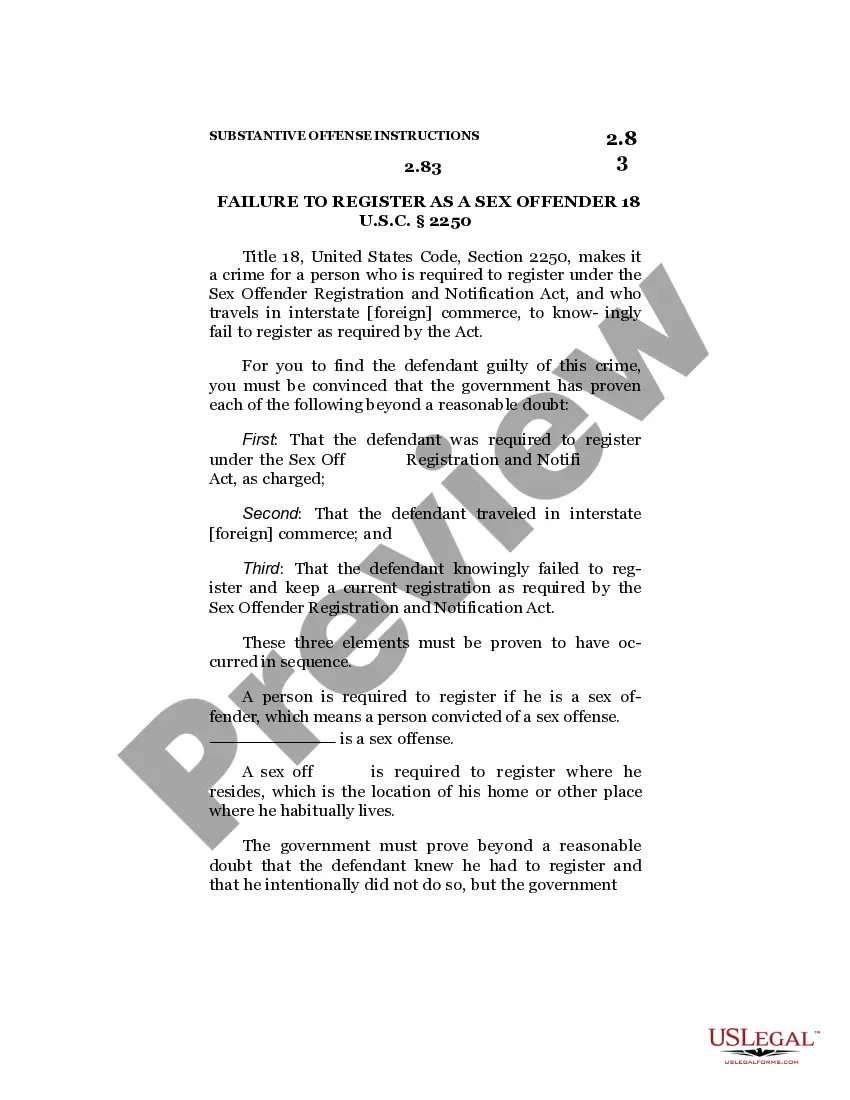
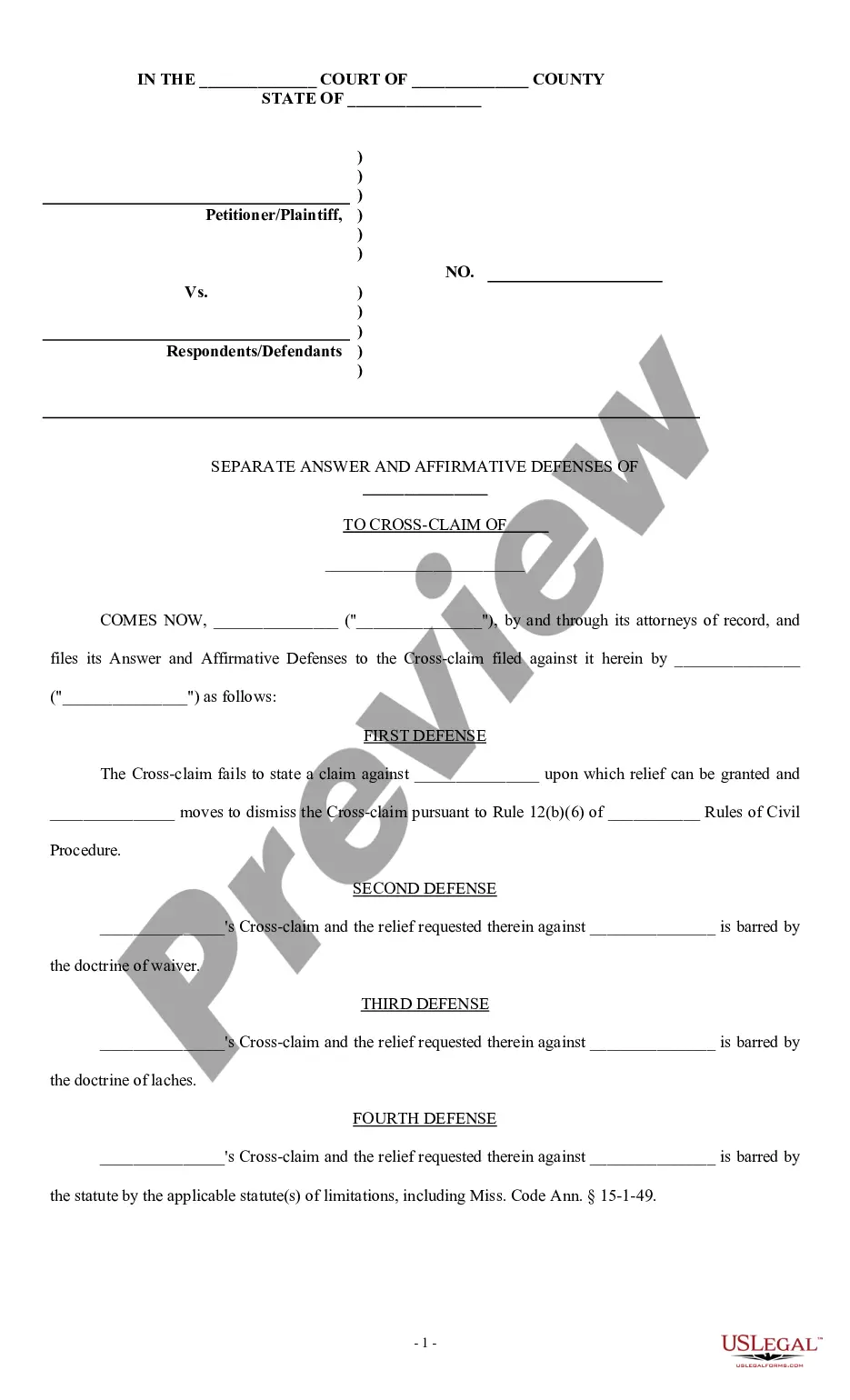
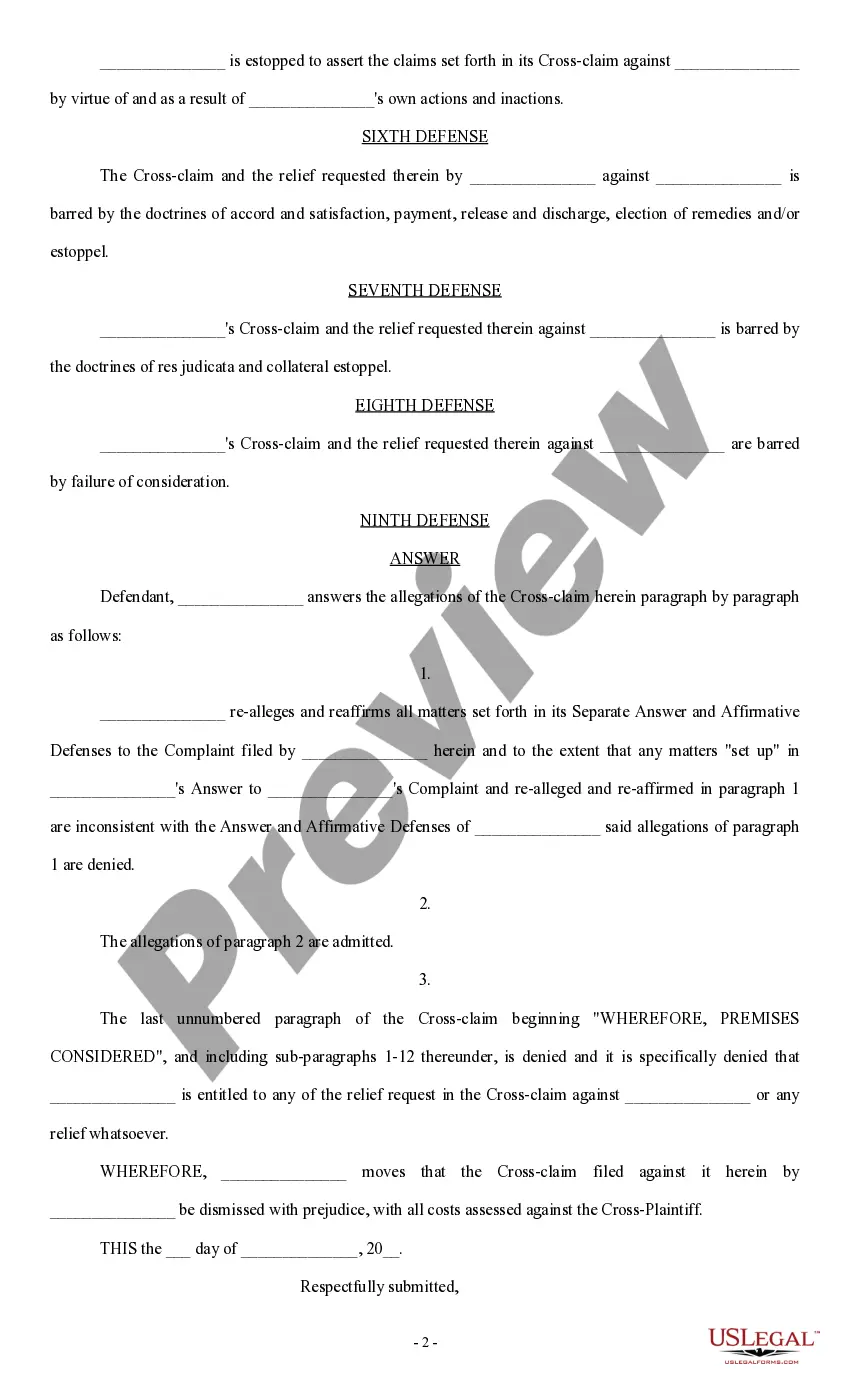
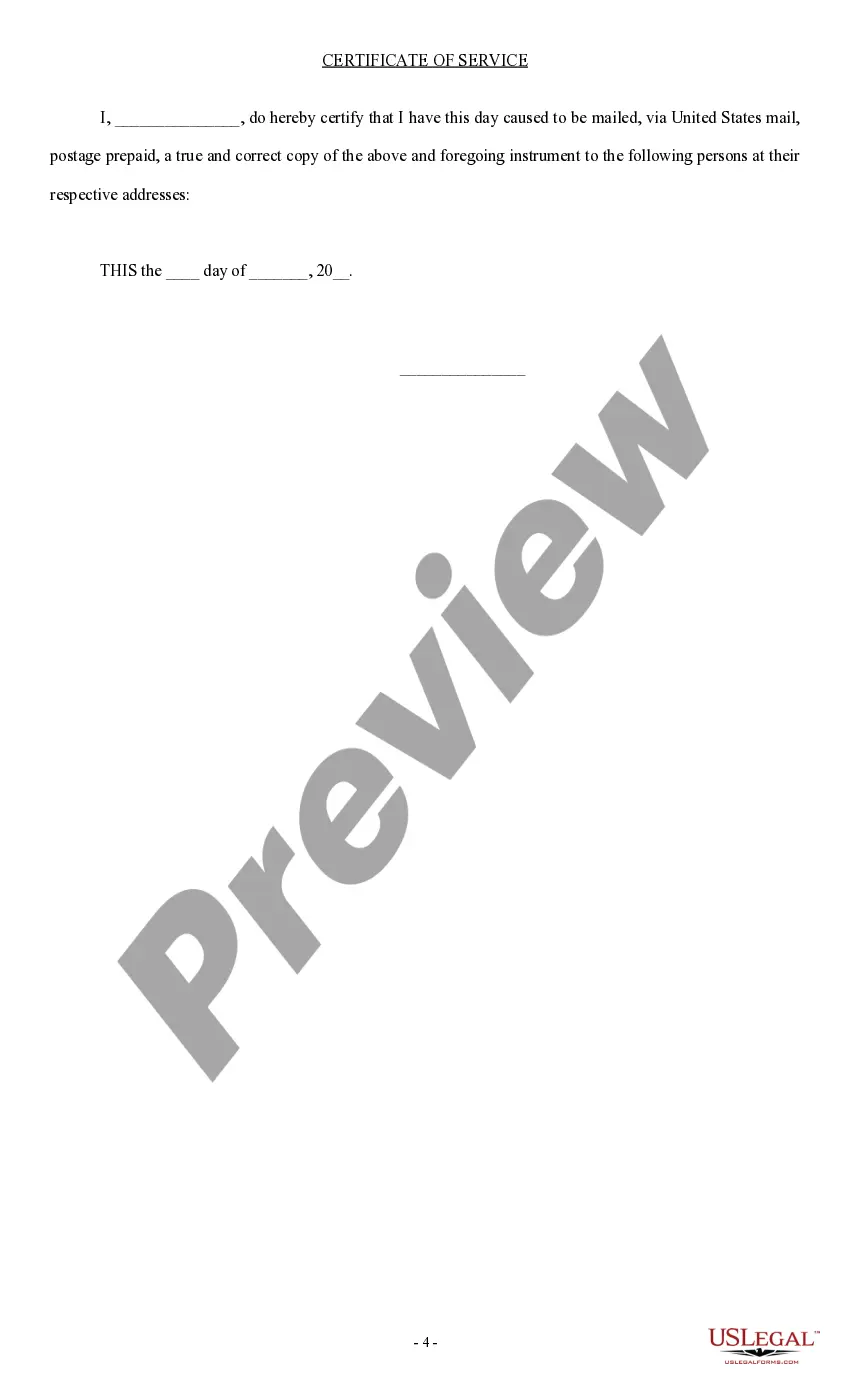
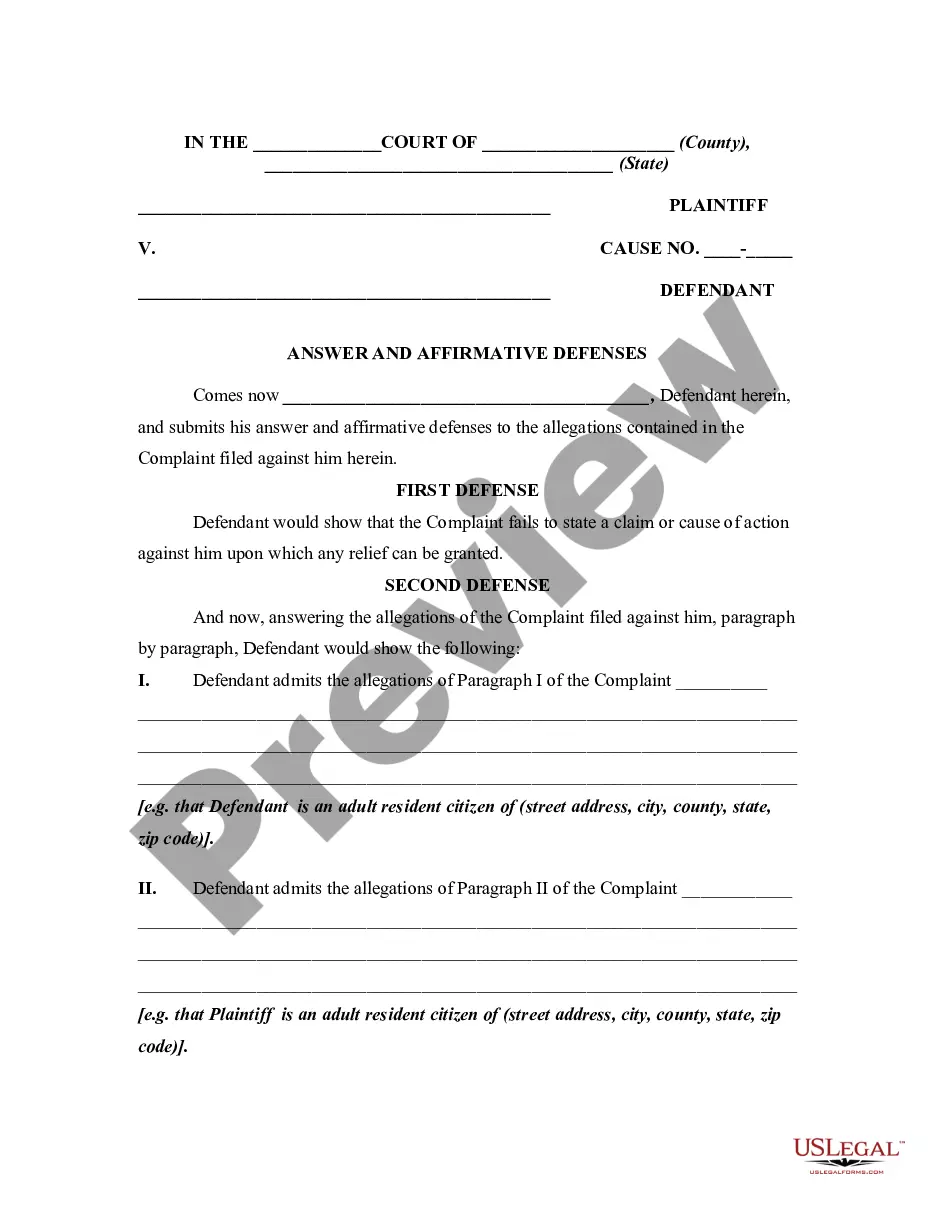
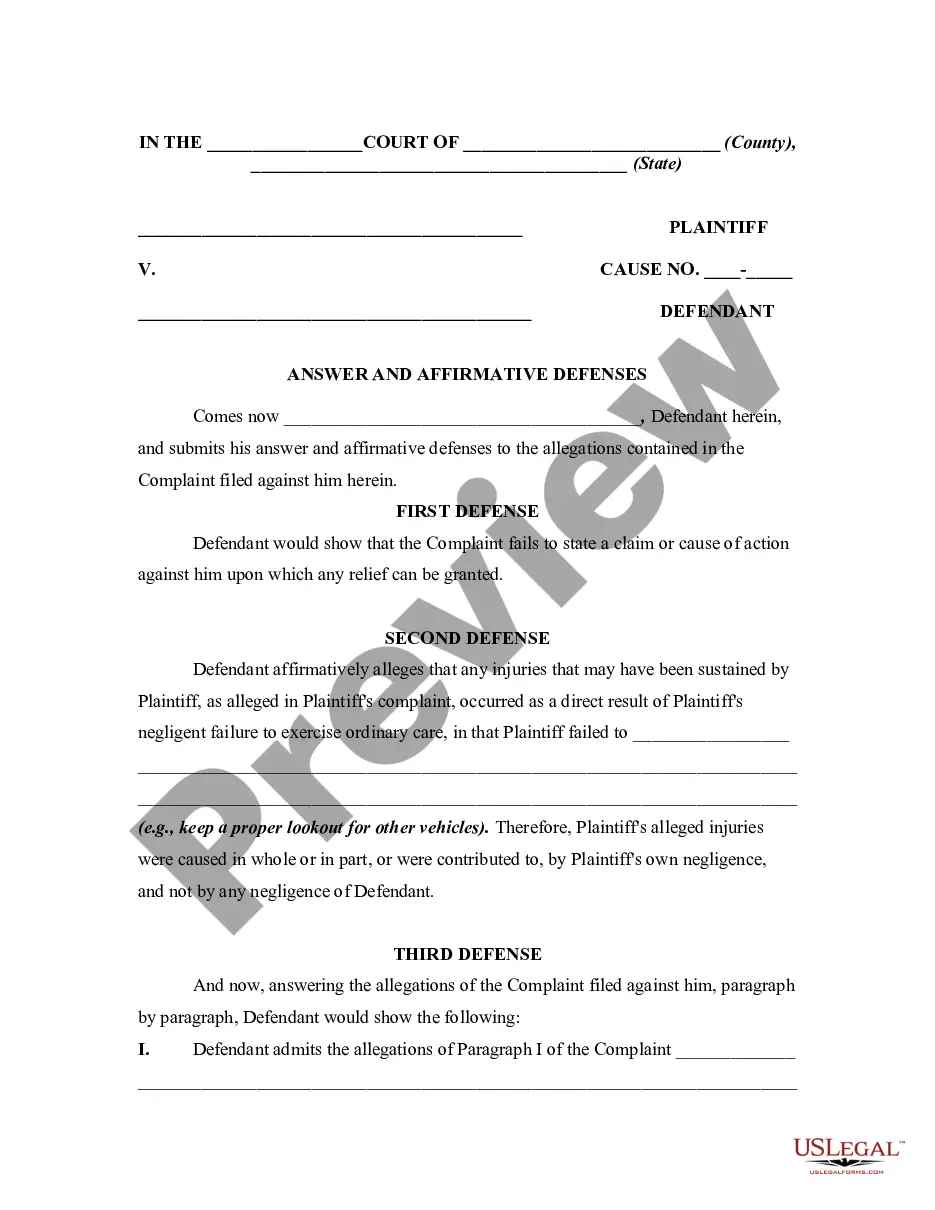
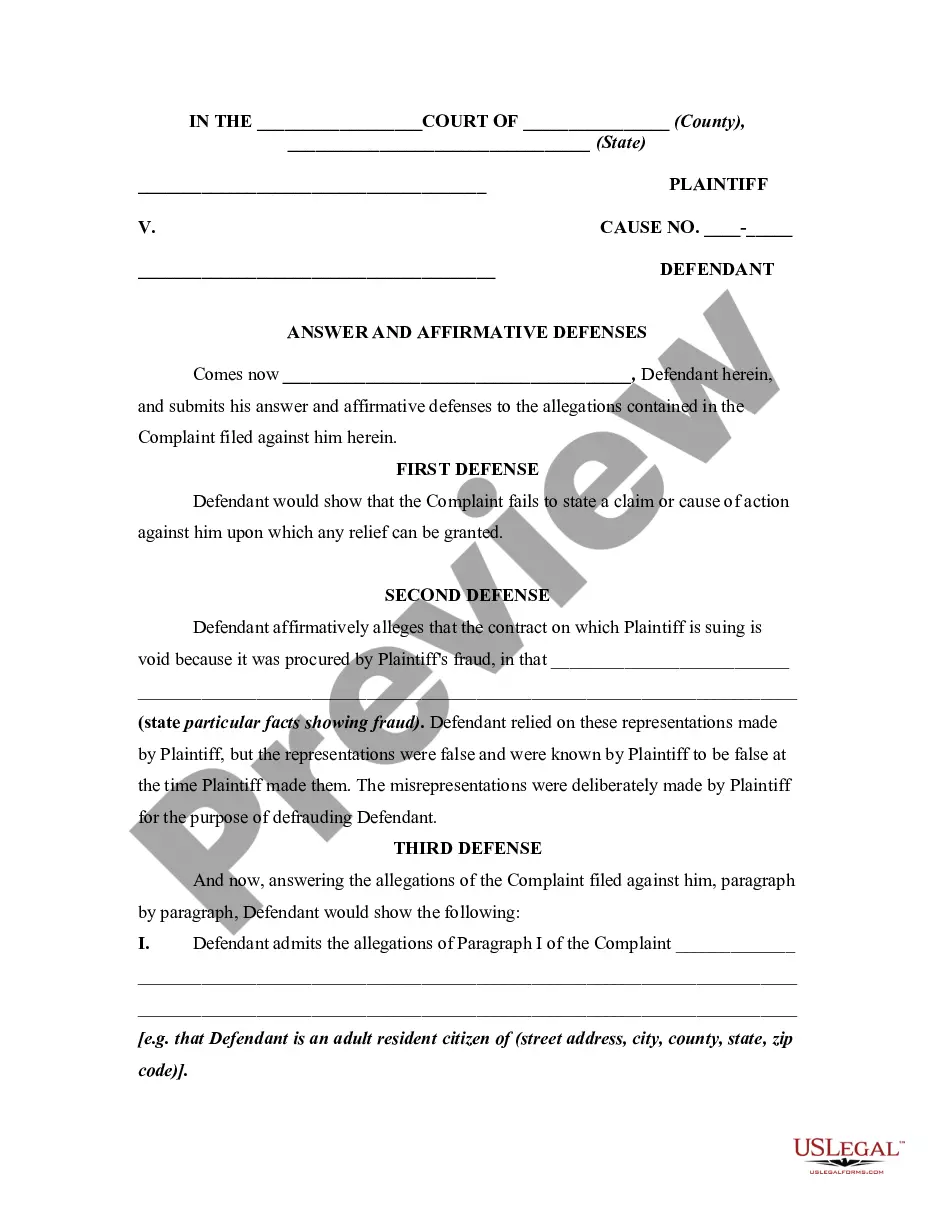
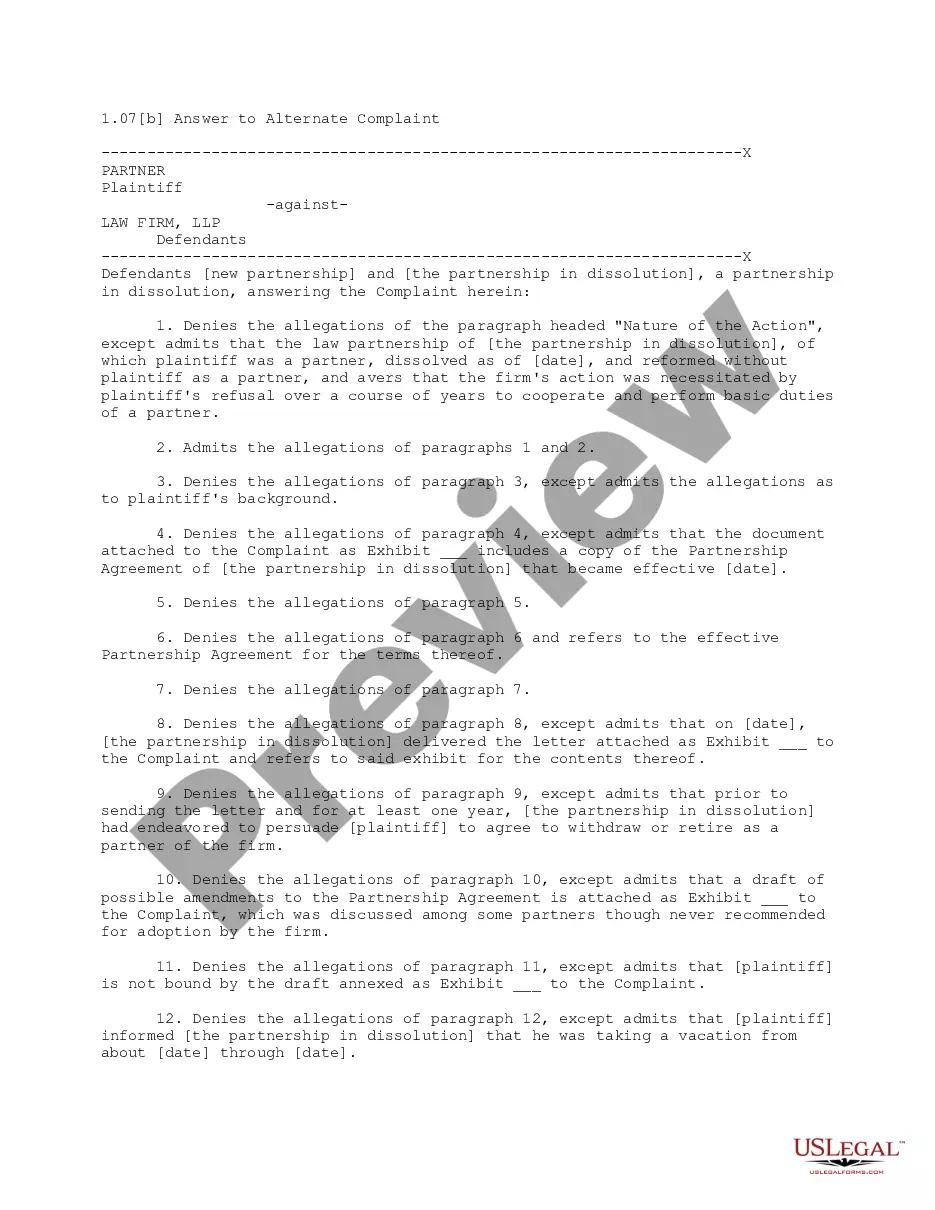
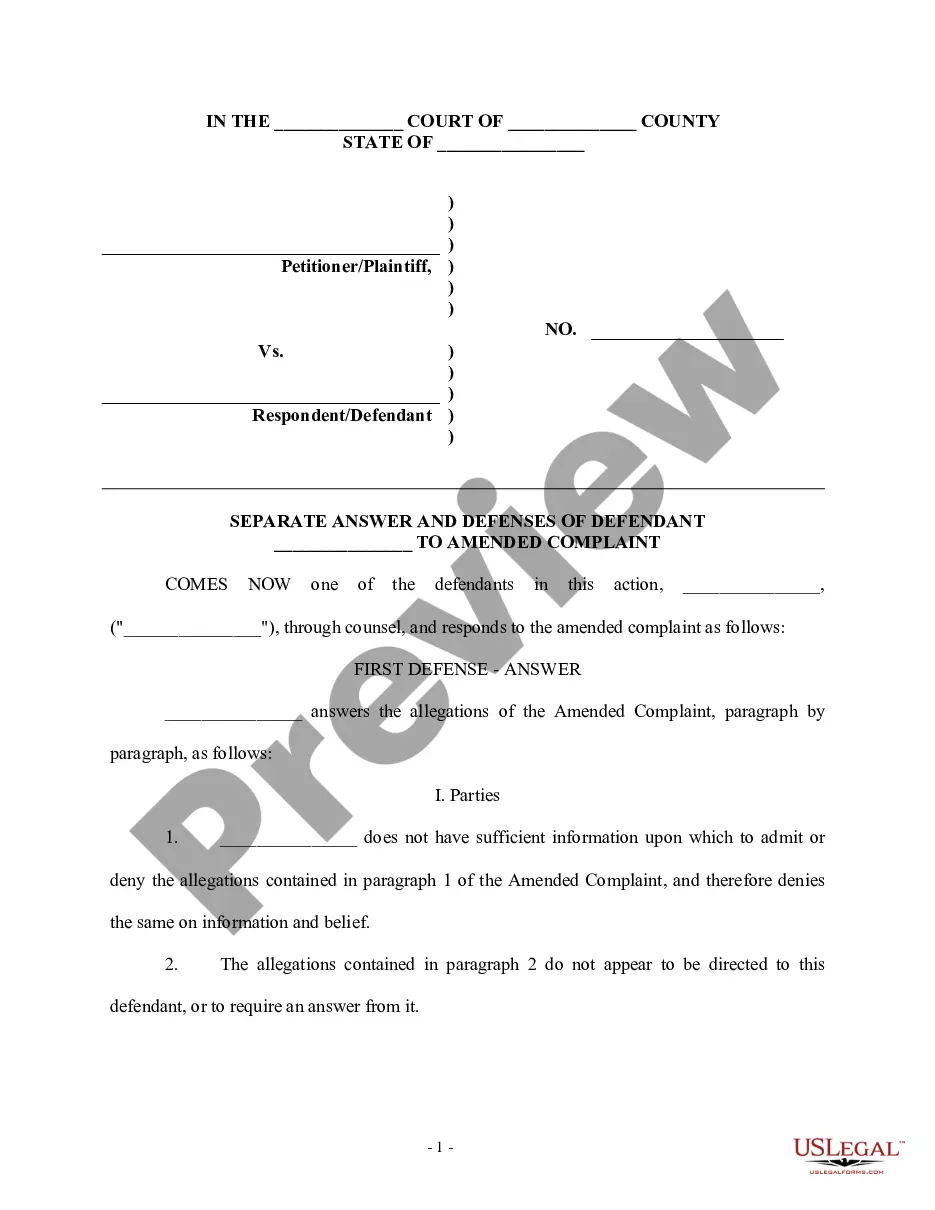
This form is a Separate Answer and Affirmative Defense to a Cross-Claim. The form provides that the cross-claim fails to state a claim upon which relief can be granted. Therefore, it is requested that the cross-claim be dismissed with prejudice, with all costs assessed against the cross-plaintiff.
Wyoming Separate Answer and Affirmative Defenses to Crossclaim
Instant download
Description
Free preview
Get your form ready online
Our built-in tools help you complete, sign, share, and store your documents in one place.
Built-in online Word editor
Make edits, fill in missing information, and update formatting in US Legal Forms—just like you would in MS Word.
Export easily
Download a copy, print it, send it by email, or mail it via USPS—whatever works best for your next step.
E-sign your document
Sign and collect signatures with our SignNow integration. Send to multiple recipients, set reminders, and more. Go Premium to unlock E-Sign.
Notarize online 24/7
If this form requires notarization, complete it online through a secure video call—no need to meet a notary in person or wait for an appointment.
Store your document securely
We protect your documents and personal data by following strict security and privacy standards.

Make edits, fill in missing information, and update formatting in US Legal Forms—just like you would in MS Word.

Download a copy, print it, send it by email, or mail it via USPS—whatever works best for your next step.

Sign and collect signatures with our SignNow integration. Send to multiple recipients, set reminders, and more. Go Premium to unlock E-Sign.

If this form requires notarization, complete it online through a secure video call—no need to meet a notary in person or wait for an appointment.

We protect your documents and personal data by following strict security and privacy standards.
Looking for another form?






How to fill out Separate Answer And Affirmative Defenses To Crossclaim?
Are you in a situation where you require documents for various business or specific purposes nearly every day.
There are numerous legitimate document templates accessible online, but finding reliable versions can be challenging.
US Legal Forms provides thousands of template formats, such as the Wyoming Separate Answer and Affirmative Defenses to Crossclaim, which are designed to comply with state and federal regulations.
- If you are already familiar with the US Legal Forms website and have an account, simply Log In.
- Then, you can download the Wyoming Separate Answer and Affirmative Defenses to Crossclaim template.
- If you do not possess an account and wish to start using US Legal Forms, follow these steps.
- Obtain the form you require and ensure it is for the correct city/region.
- Utilize the Preview button to review the document.
- Examine the details to confirm that you have selected the right form.
- If the form is not what you are looking for, use the Search area to find the form that fits your needs and requirements.
- Once you find the appropriate form, simply click Acquire now.
- Select the pricing plan you want, complete the necessary information to create your account, and process the payment using your PayPal or Visa or Mastercard.
- Choose a convenient document format and download your copy.
- Access all the document templates you have purchased in the My documents section. You can obtain an additional copy of the Wyoming Separate Answer and Affirmative Defenses to Crossclaim anytime, if needed. Just click on the required form to download or print the document template.
- Utilize US Legal Forms, the largest collection of legitimate forms, to save time and prevent errors. The service offers properly created legal document templates that you can use for various purposes. Sign up on US Legal Forms and start simplifying your life.
Form popularity
FAQ
As the name suggests, a Rule 68 Offer of Judgment is, in fact, an offer permitting a plaintiff to accept and enter a judgment against a defendant on specified terms, subject to the court's approval of the settlement via Rule 68.
(a) Making an Offer; Judgment on an Accepted Offer. At least 14 days before the date set for trial, a party defending against a claim may serve on an opposing party an offer to allow judgment on specified terms, with the costs then accrued.
A crossclaim seeks affirmative relief against a co-party in the lawsuit such as a co- defendant. Crossclaims are generally permissive in that they may be brought in the same suit if they arise out of the same transaction or occurrence, but some state courts allow cross claims to be brought in a sep- arate suit.
The court on motion of a defendant may grant a new trial to that defendant if required in the interest of justice. If trial was by the court without a jury, the court, on motion of a defendant for a new trial, may vacate the judgment if entered, take additional testimony, and direct the entry of a new judgment.
At any time more than 60 days after service of the complaint and at least 28 days before the date set for trial, any party may serve on an opposing party an offer to allow settlement or judgment on specified terms, with the costs then accrued.
In all trials, the testimony of witnesses shall be taken orally in open court, unless otherwise provided by statute, or by these rules, by the Wyoming Rules of Evidence, or by other rules adopted by the Supreme Court of Wyoming.
Rule 60 - Relief from a judgment or order (a) Corrections Based on Clerical Mistakes; Oversights and Omissions. The court may correct a clerical mistake or a mistake arising from oversight or omission whenever one is found in a judgment, order, or other part of the record.