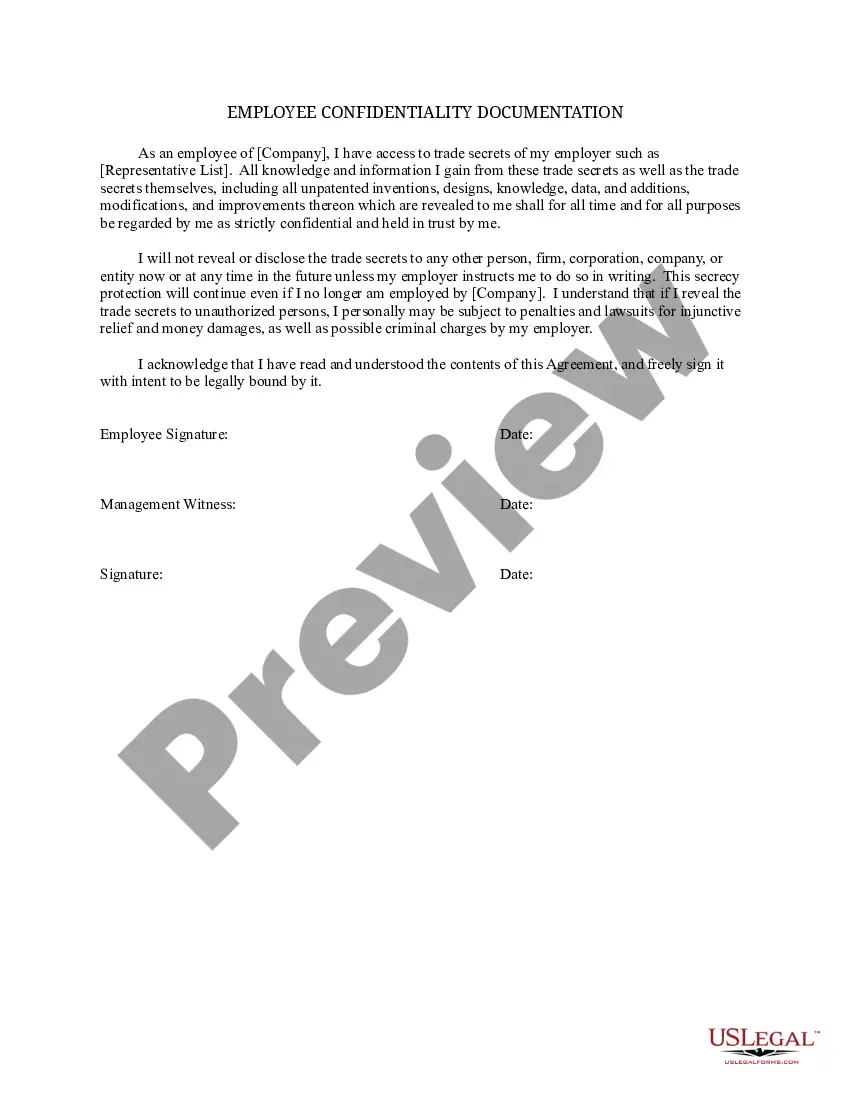
West Virginia Employee Confidentiality Documentation
Description
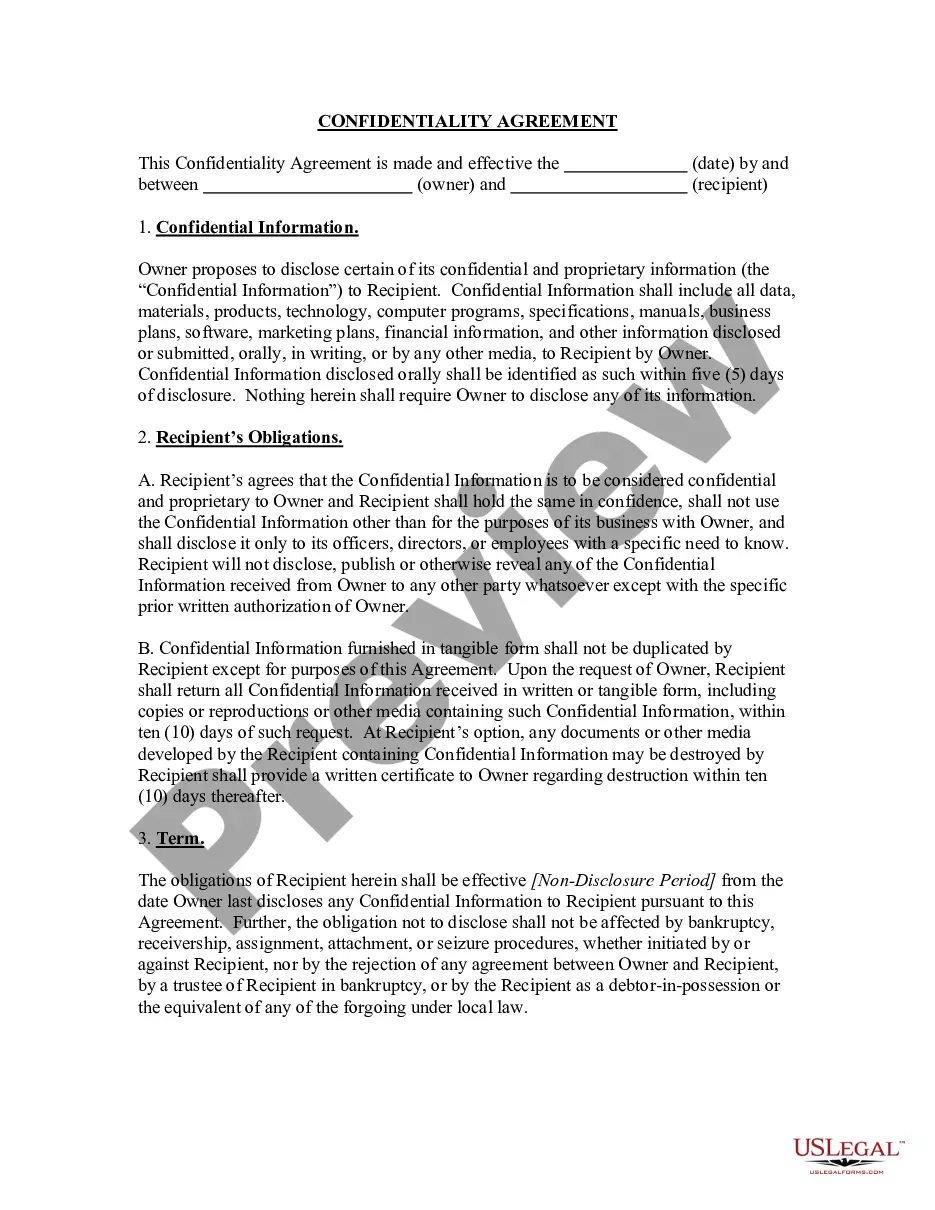
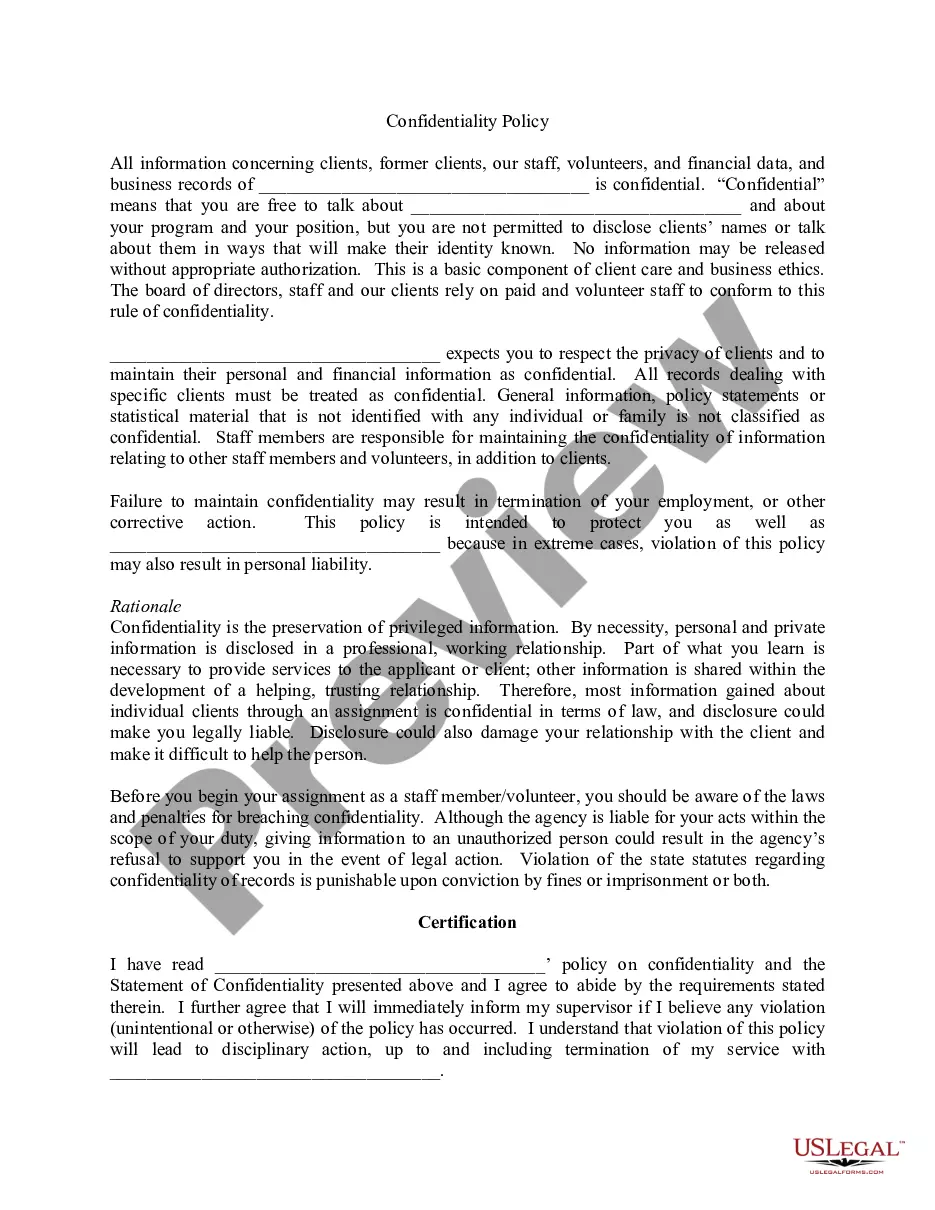
Get your form ready online
Our built-in tools help you complete, sign, share, and store your documents in one place.
Make edits, fill in missing information, and update formatting in US Legal Forms—just like you would in MS Word.
Download a copy, print it, send it by email, or mail it via USPS—whatever works best for your next step.
Sign and collect signatures with our SignNow integration. Send to multiple recipients, set reminders, and more. Go Premium to unlock E-Sign.
If this form requires notarization, complete it online through a secure video call—no need to meet a notary in person or wait for an appointment.
We protect your documents and personal data by following strict security and privacy standards.

Make edits, fill in missing information, and update formatting in US Legal Forms—just like you would in MS Word.

Download a copy, print it, send it by email, or mail it via USPS—whatever works best for your next step.

Sign and collect signatures with our SignNow integration. Send to multiple recipients, set reminders, and more. Go Premium to unlock E-Sign.

If this form requires notarization, complete it online through a secure video call—no need to meet a notary in person or wait for an appointment.

We protect your documents and personal data by following strict security and privacy standards.
Looking for another form?
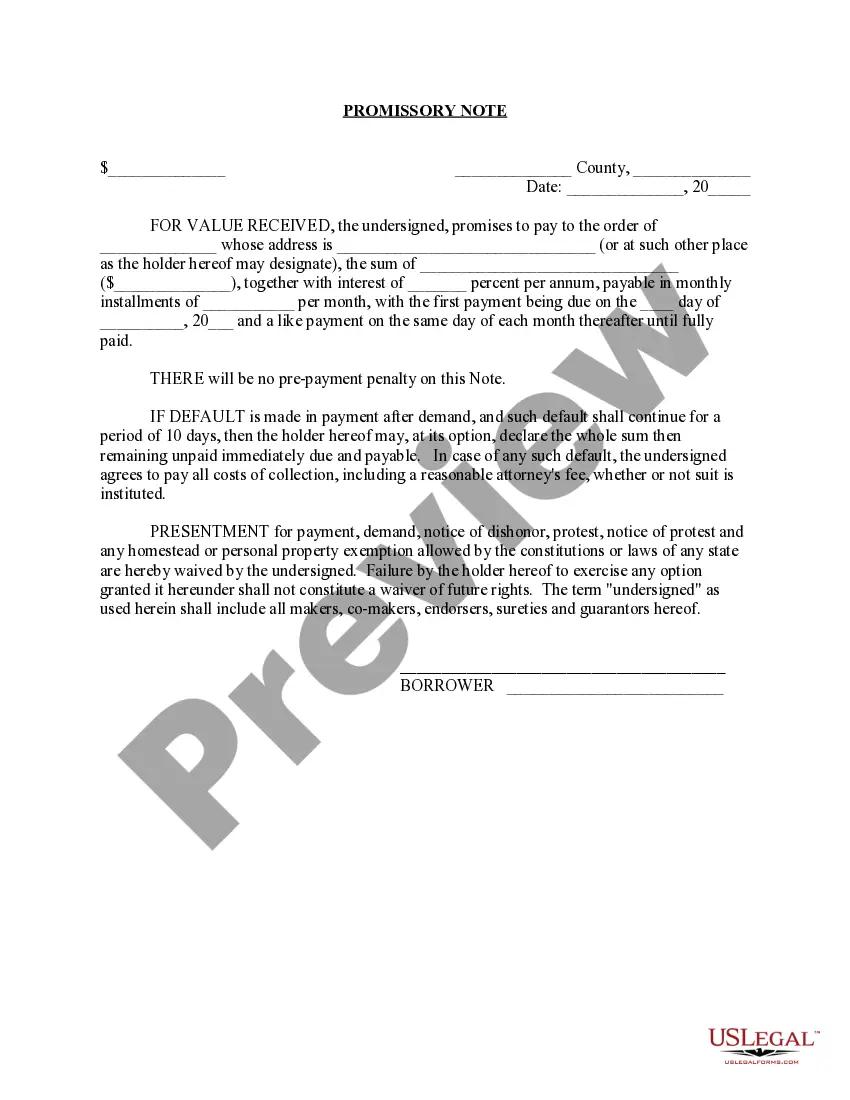


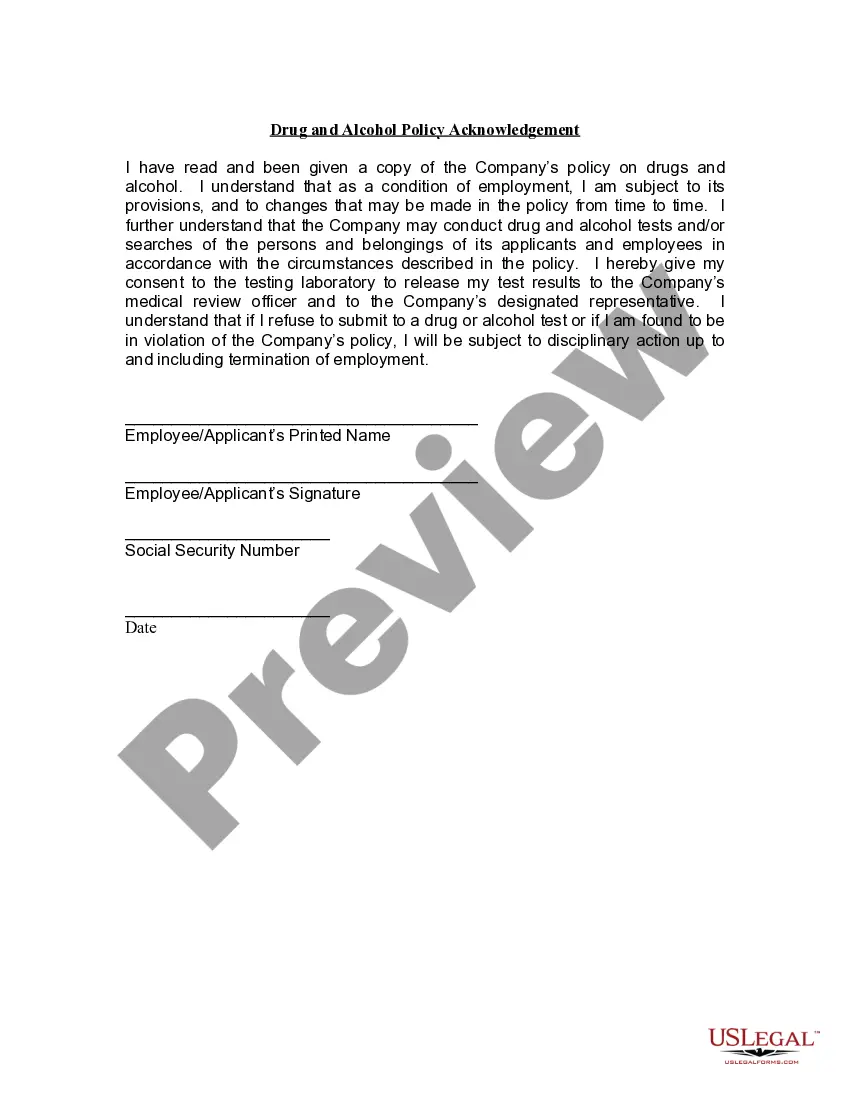

How to fill out Employee Confidentiality Documentation?
US Legal Forms - one of the largest collections of legal documents in the United States - offers a broad selection of legal document templates that you can acquire or print.
By using the website, you can access thousands of forms for business and personal purposes, organized by categories, topics, or keywords.
You can quickly find the latest versions of documents such as the West Virginia Employee Confidentiality Agreement in moments.
If the document doesn't meet your needs, use the Search box at the top of the screen to find one that does.
Once satisfied with the form, confirm your selection by clicking on the Purchase now button. Then, choose the payment plan you prefer and provide your information to register for an account.
- If you currently hold a monthly subscription, Log In and retrieve the West Virginia Employee Confidentiality Agreement from the US Legal Forms library.
- The Download button will be available on every document you examine.
- You can access all previously downloaded documents from the My documents section of your account.
- If you're new to US Legal Forms, here are simplified steps to assist you in getting started.
- Ensure you have selected the appropriate form for your city/county. Click the Preview button to review the form's details.
- Examine the form description to confirm you've chosen the correct document.
Form popularity
FAQ
Examples of items that should not be included in the personnel file are:Pre-employment records (with the exception of the application and resume)Monthly attendance transaction documents.Whistleblower complaints, notes generated from informal discrimination complaint investigations, Ombuds, or Campus Climate.More items...
What to Keep in a Personnel Filejob description for the position.job application and/or resume.offer of employment.IRS Form W-4 (the Employee's Withholding Allowance Certificate)receipt or signed acknowledgment of employee handbook.performance evaluations.forms relating to employee benefits.More items...
#2: Maintain records securely. Paper records should be stored in a locked location, with access limited to one individual who is chiefly responsible for maintaining the files. Electronic records should be encrypted, password protected (which should be changed frequently), and maintained on a secure server.
The Americans with Disabilities Act (ADA) prohibits employers from including medical information in an employee's general personnel file. Employers should create a separate file for employee medical information that includes records related to medical leave, reasonable accommodations, workers' compensation claims, etc.
Medical information and records obtained as part of the interactive process must be maintained separate from the employee's personnel file and kept confidential. 2 CCR § 11069(g) Employers must keep information obtained regarding the medical or physical conditions or history of the employee confidential.
Medical. The Americans with Disabilities Act (ADA) requires that employee medical records be maintained confidentially and separate from an employee's general personnel file.
What to Keep in a Personnel Filejob description for the position.job application and/or resume.offer of employment.IRS Form W-4 (the Employee's Withholding Allowance Certificate)receipt or signed acknowledgment of employee handbook.performance evaluations.forms relating to employee benefits.More items...
Examples of items that should not be included in the personnel file are: Pre-employment records (with the exception of the application and resume) Monthly attendance transaction documents. Whistleblower complaints, notes generated from informal discrimination complaint investigations, Ombuds, or Campus Climate.