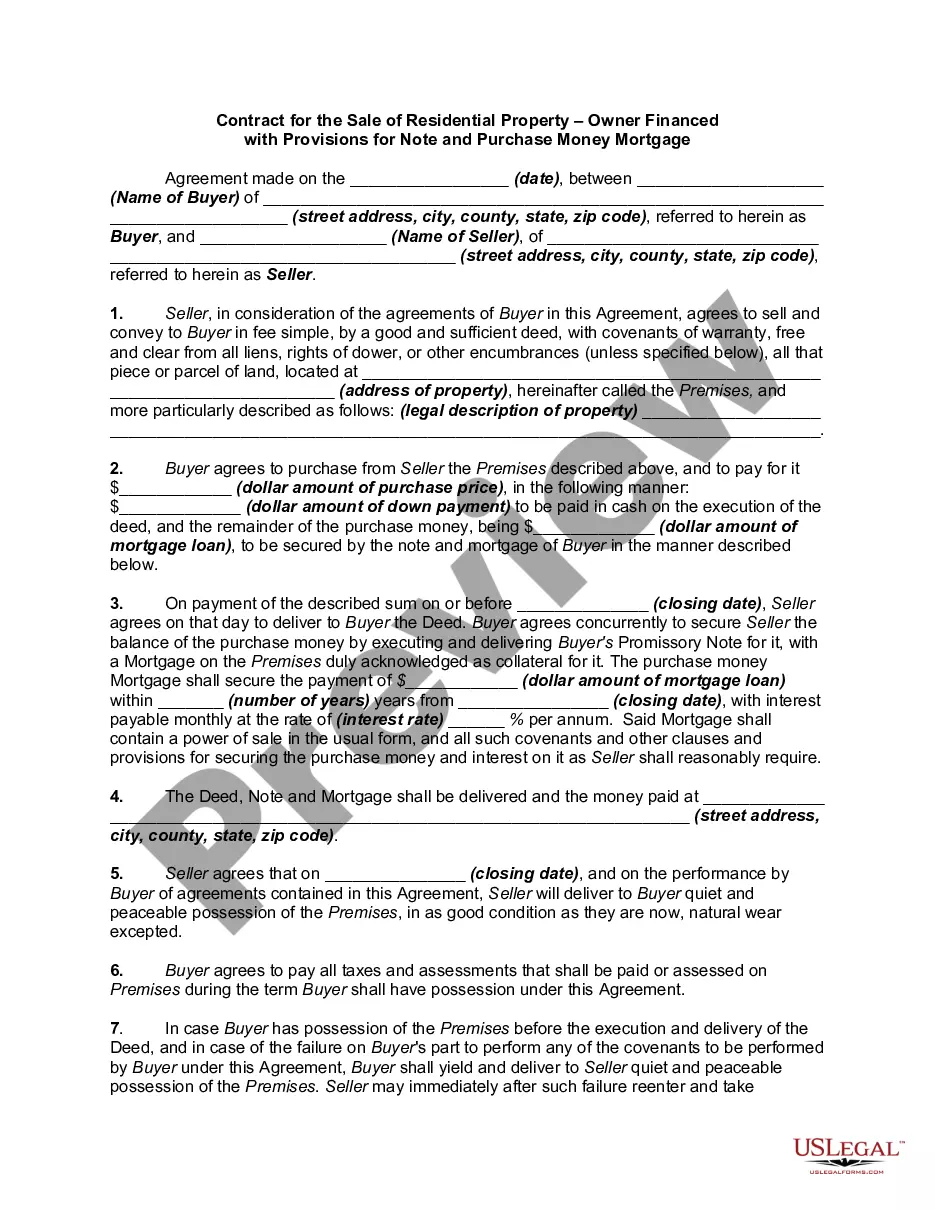
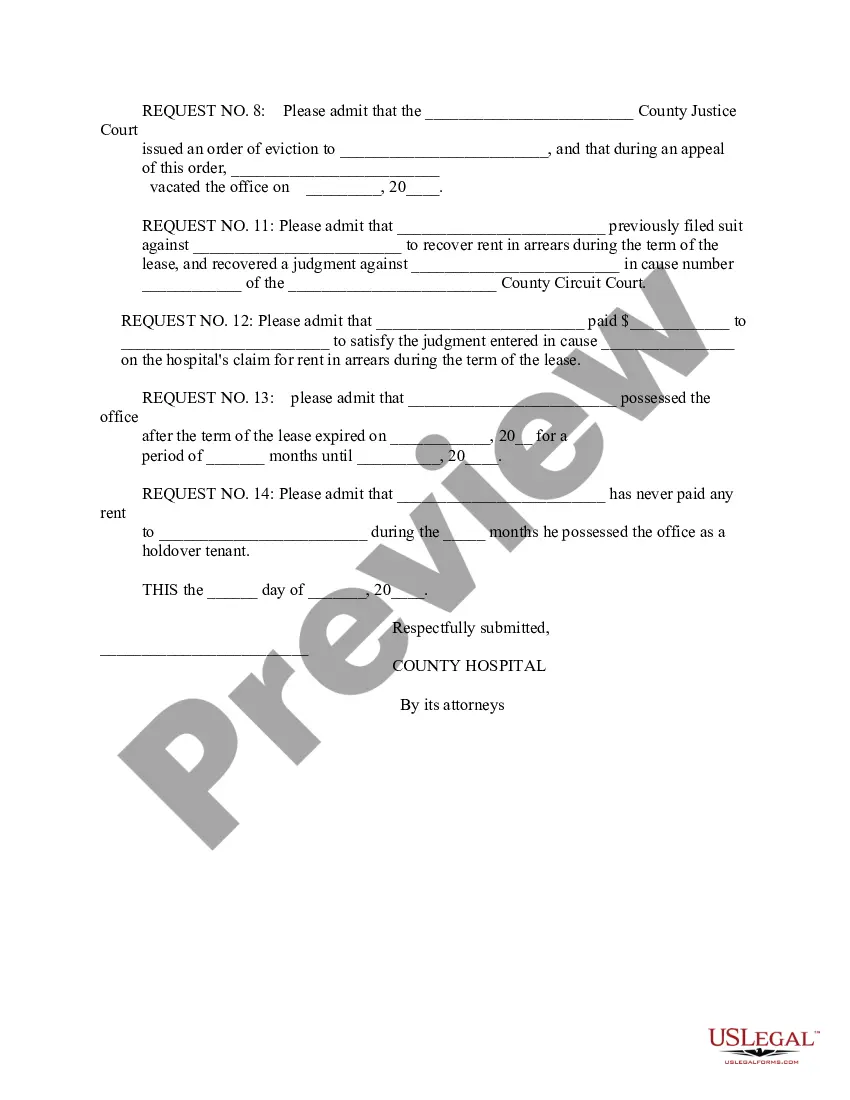
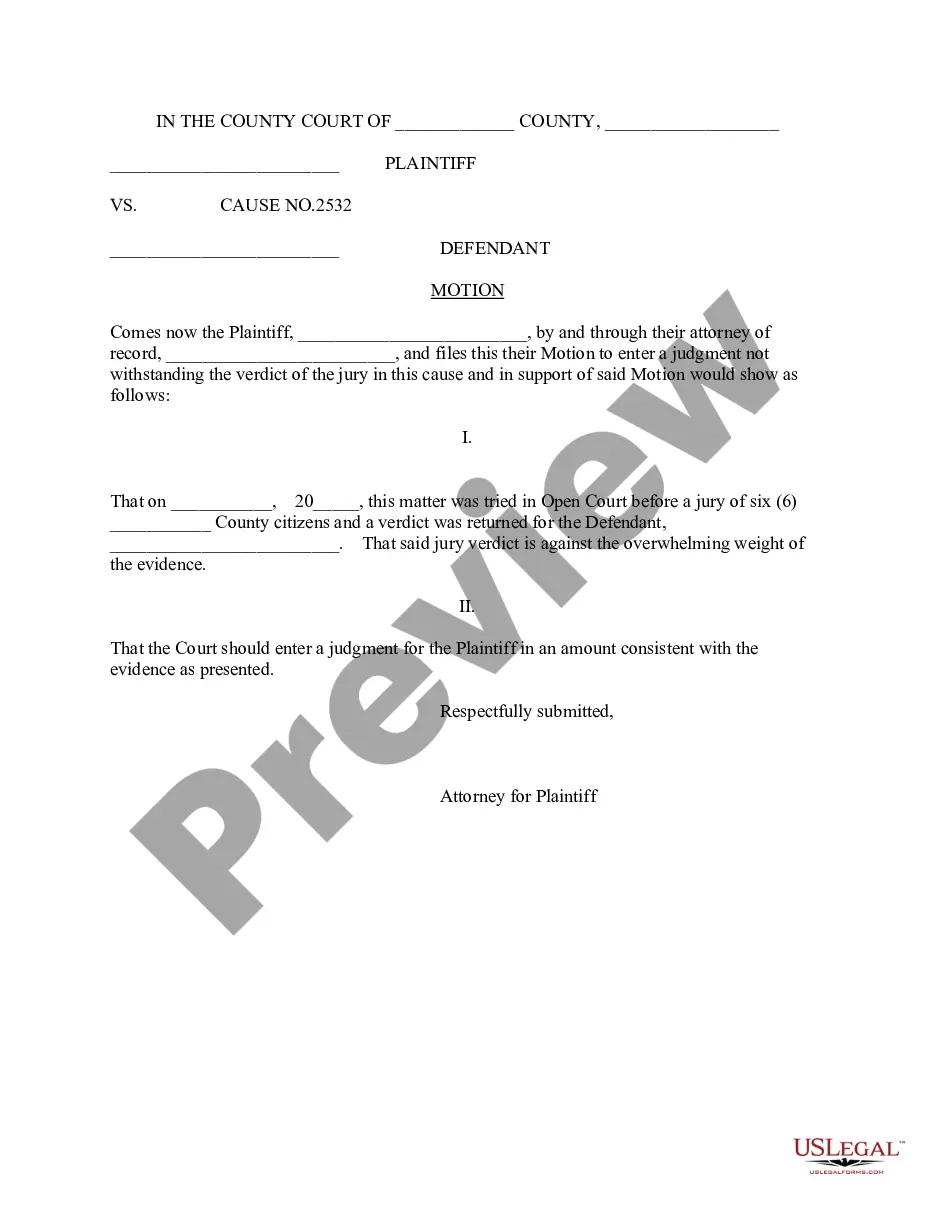
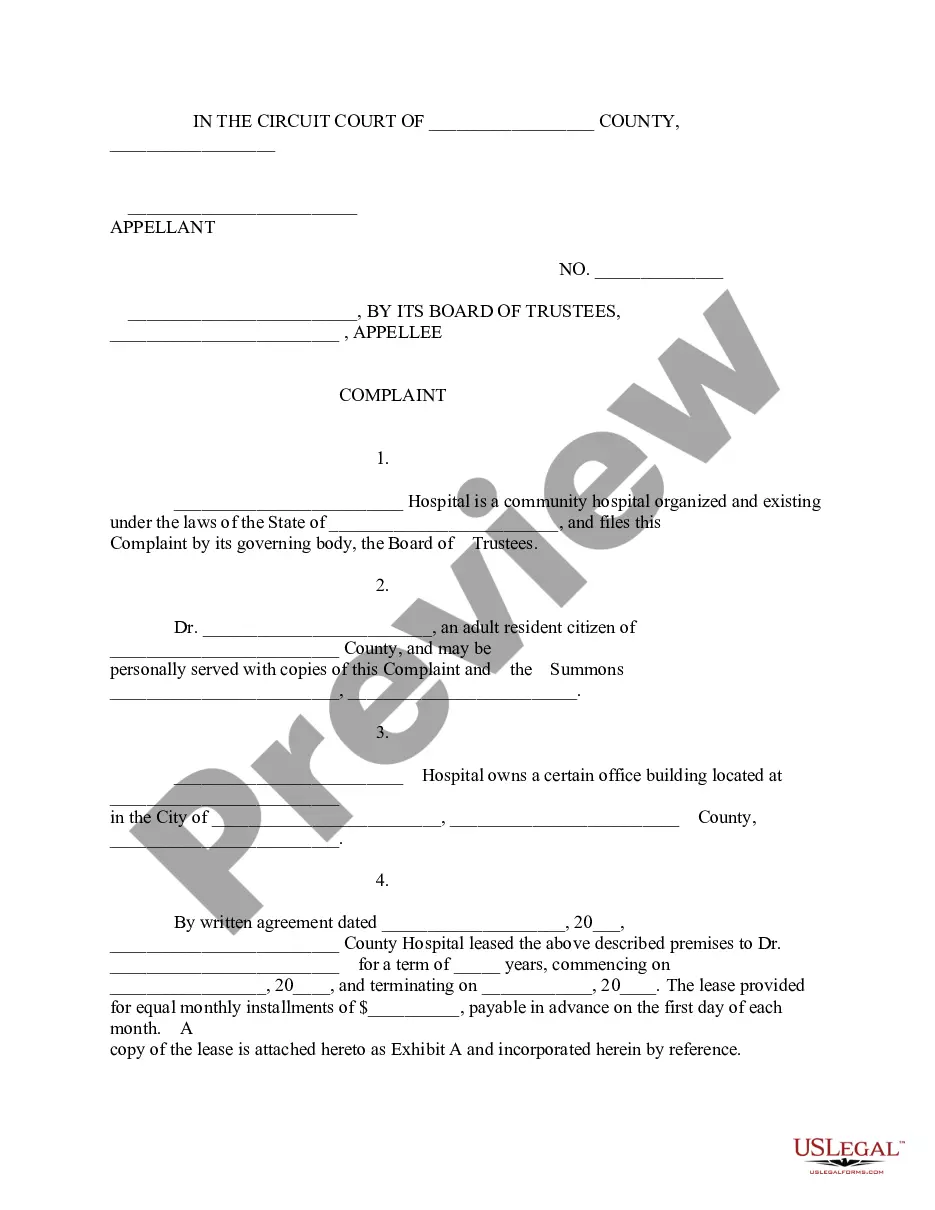
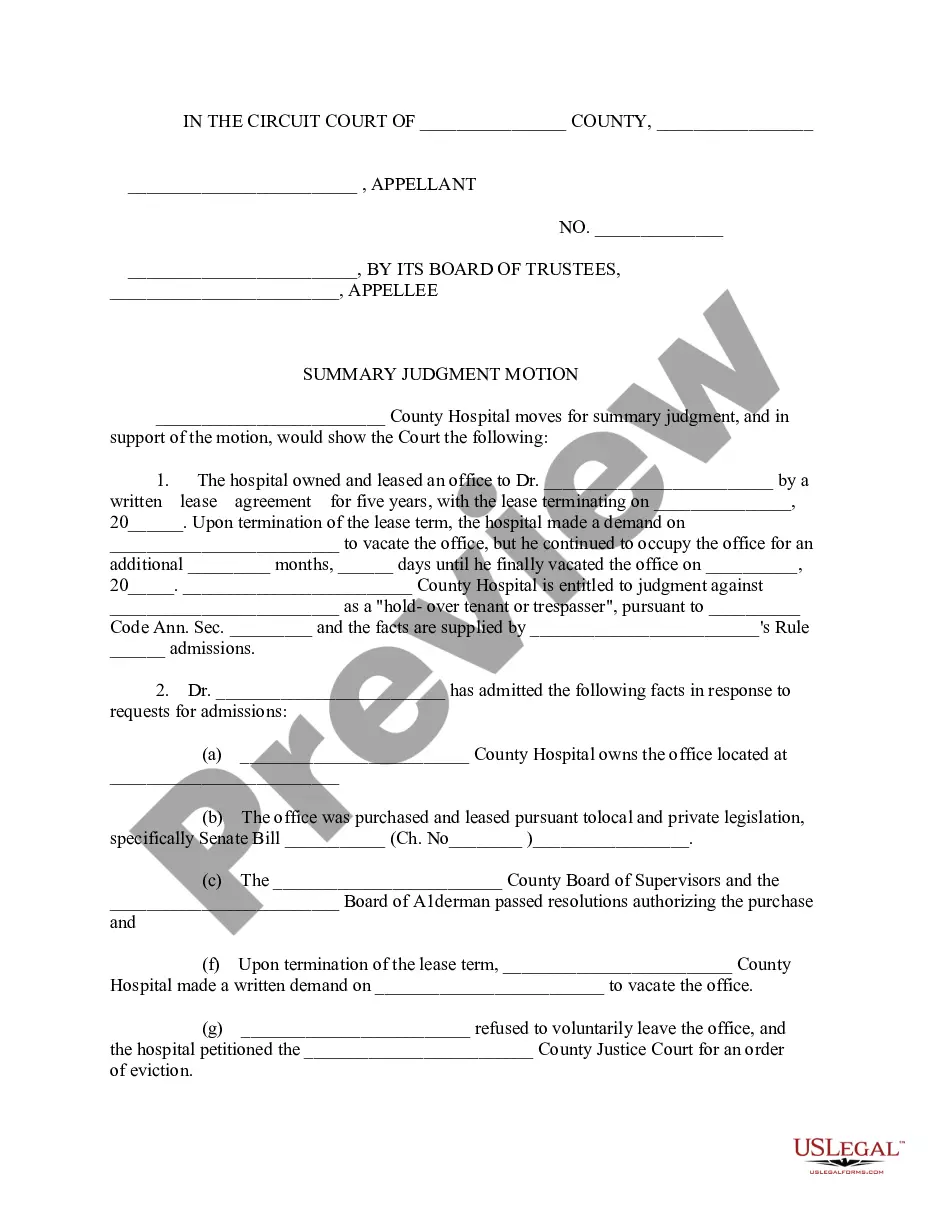
This form is a request for admissions. Plaintiff requests certain admissions from defendant concerning an office building and the terms of a leasing agreement between the parties.
West Virginia Request for Admissions
Category:
State:
Multi-State
Control #:
US-60927
Format:
Word;
Rich Text
Instant download
Description
Free preview
Get your form ready online
Our built-in tools help you complete, sign, share, and store your documents in one place.
Built-in online Word editor
Make edits, fill in missing information, and update formatting in US Legal Forms—just like you would in MS Word.
Export easily
Download a copy, print it, send it by email, or mail it via USPS—whatever works best for your next step.
E-sign your document
Sign and collect signatures with our SignNow integration. Send to multiple recipients, set reminders, and more. Go Premium to unlock E-Sign.
Notarize online 24/7
If this form requires notarization, complete it online through a secure video call—no need to meet a notary in person or wait for an appointment.
Store your document securely
We protect your documents and personal data by following strict security and privacy standards.

Make edits, fill in missing information, and update formatting in US Legal Forms—just like you would in MS Word.

Download a copy, print it, send it by email, or mail it via USPS—whatever works best for your next step.

Sign and collect signatures with our SignNow integration. Send to multiple recipients, set reminders, and more. Go Premium to unlock E-Sign.

If this form requires notarization, complete it online through a secure video call—no need to meet a notary in person or wait for an appointment.

We protect your documents and personal data by following strict security and privacy standards.
Looking for another form?

How to fill out Request For Admissions?
If you need to gather, save, or print approved documents templates, utilize US Legal Forms, the largest assortment of legal forms available online.
Employ the website's straightforward and user-friendly search function to locate the documents you need.
Different templates for business and personal purposes are categorized by categories and states, or keywords. Use US Legal Forms to find the West Virginia Request for Admissions with just a few clicks.
Each legal document template you acquire is yours indefinitely. You will have access to each form you obtained within your account. Navigate to the My documents section and choose a form to print or download again.
Be proactive and download, and print the West Virginia Request for Admissions with US Legal Forms. There are numerous professional and state-specific forms available for your business or personal needs.
- If you are currently a US Legal Forms subscriber, Log In to your account and click the Obtain button to access the West Virginia Request for Admissions.
- You can also view forms you previously downloaded in the My documents section of your account.
- If you are using US Legal Forms for the first time, follow the instructions below.
- Step 1. Ensure you have selected the form for the correct state/country.
- Step 2. Use the Preview feature to review the form's details. Be sure to read the description.
- Step 3. If you are not satisfied with the template, use the Search area at the top of the screen to find alternative versions of the legal form template.
- Step 4. Once you have identified the form you desire, click the Buy now button. Choose your preferred pricing plan and enter your information to register for the account.
- Step 5. Complete the transaction. You can use your credit card or PayPal account to finalize the purchase.
- Step 6. Select the format of your legal form and download it to your device.
- Step 7. Complete, modify, and print or sign the West Virginia Request for Admissions.
Form popularity
FAQ
Write each admission as a statement. You don't ask questions in your Request for Admissions. Instead, you state facts. The other side then has to admit or deny the fact.
In a civil action, a request for admission is a discovery device that allows one party to request that another party admit or deny the truth of a statement under oath. If admitted, the statement is considered to be true for all purposes of the current trial.
What is a request for admission? The request for admission is a petition filed by one party in a lawsuit on another party in that lawsuit asking the second party to admit to the truthfulness of some fact or opinion. A request may also ask the party to authenticate the genuineness of a document.
When responding to Requests for Admissions, remember to answer as follows: Admit: If any portion of the Request for Admission is true then you must admit to that portion of the request. You are also allowed to have a hybrid response admit the part of the request that is true while denying another part. See C.C.P.
How to Write Requests for AdmissionsEach request must be numbered consecutively.The first paragraph immediately shall state he identity of the party requesting the admissions, the set number, and the identity of the responding party.More items...?
WVU offers rolling admission and has adopted a test optional application for the 2022-2023 terms. Review the admissions requirements. Some majors have specific requirements. To apply for an on-campus program, complete either the WVU Application or the Common App.
(1) Admit so much of the matter involved in the request as is true, either as expressed in the request itself or as reasonably and clearly qualified by the responding party. (2) Deny so much of the matter involved in the request as is untrue.
What Is a Request for Production of Documents? A request for production is a discovery device used to gain access to documents, electronic data, and physical items held by an opposing party in a legal matter. The aim is to gain insight into any relevant evidence that the opposing party holds.