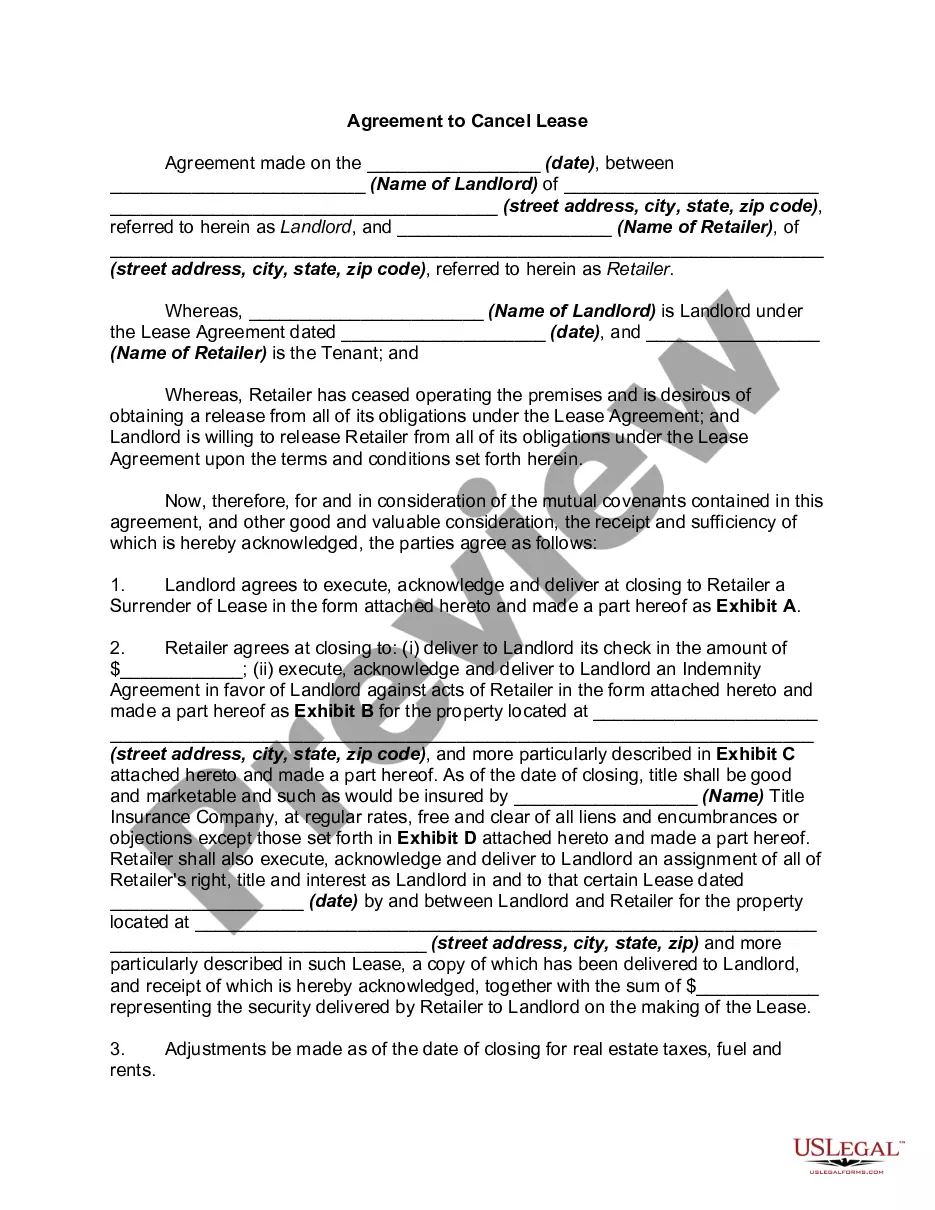
West Virginia Fence Line Agreement
Description

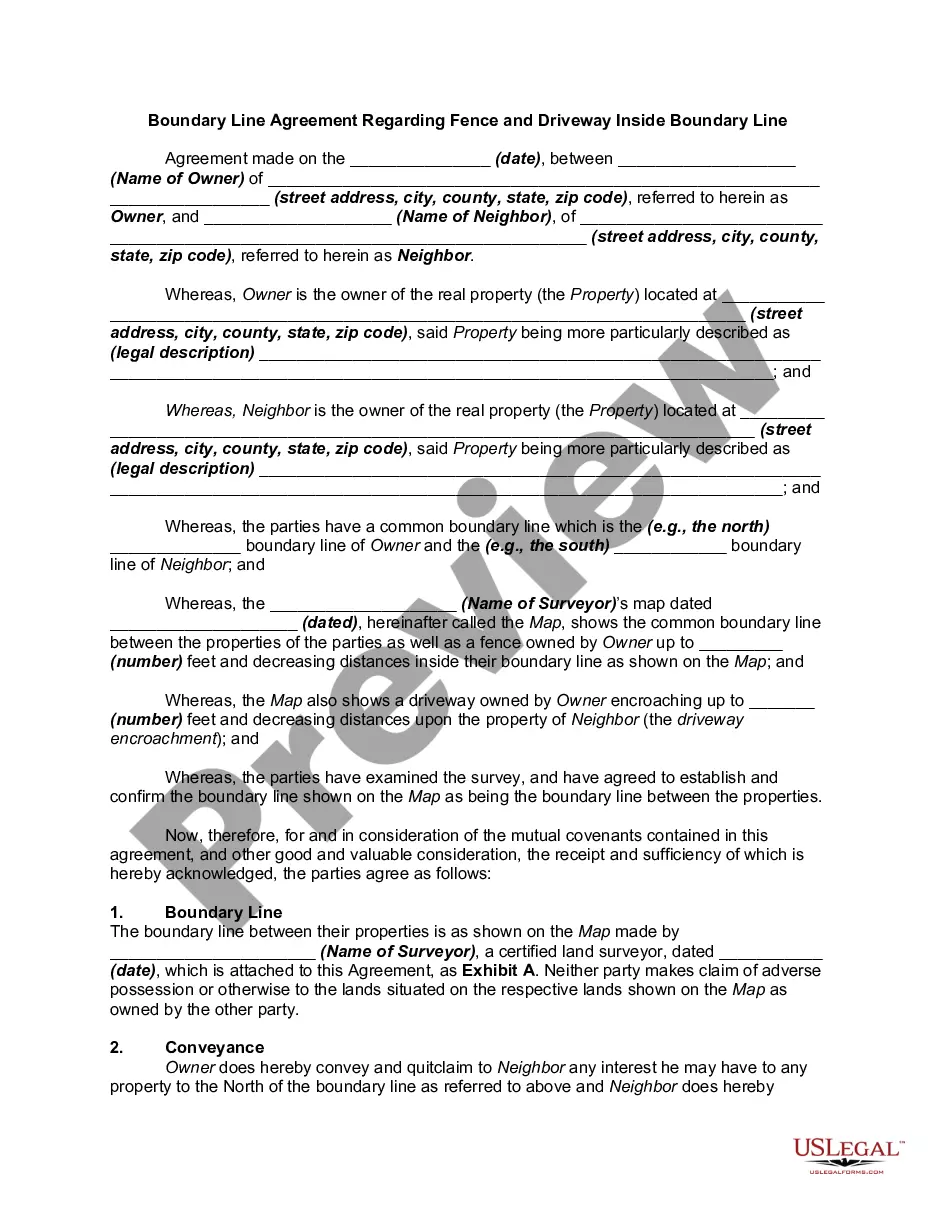
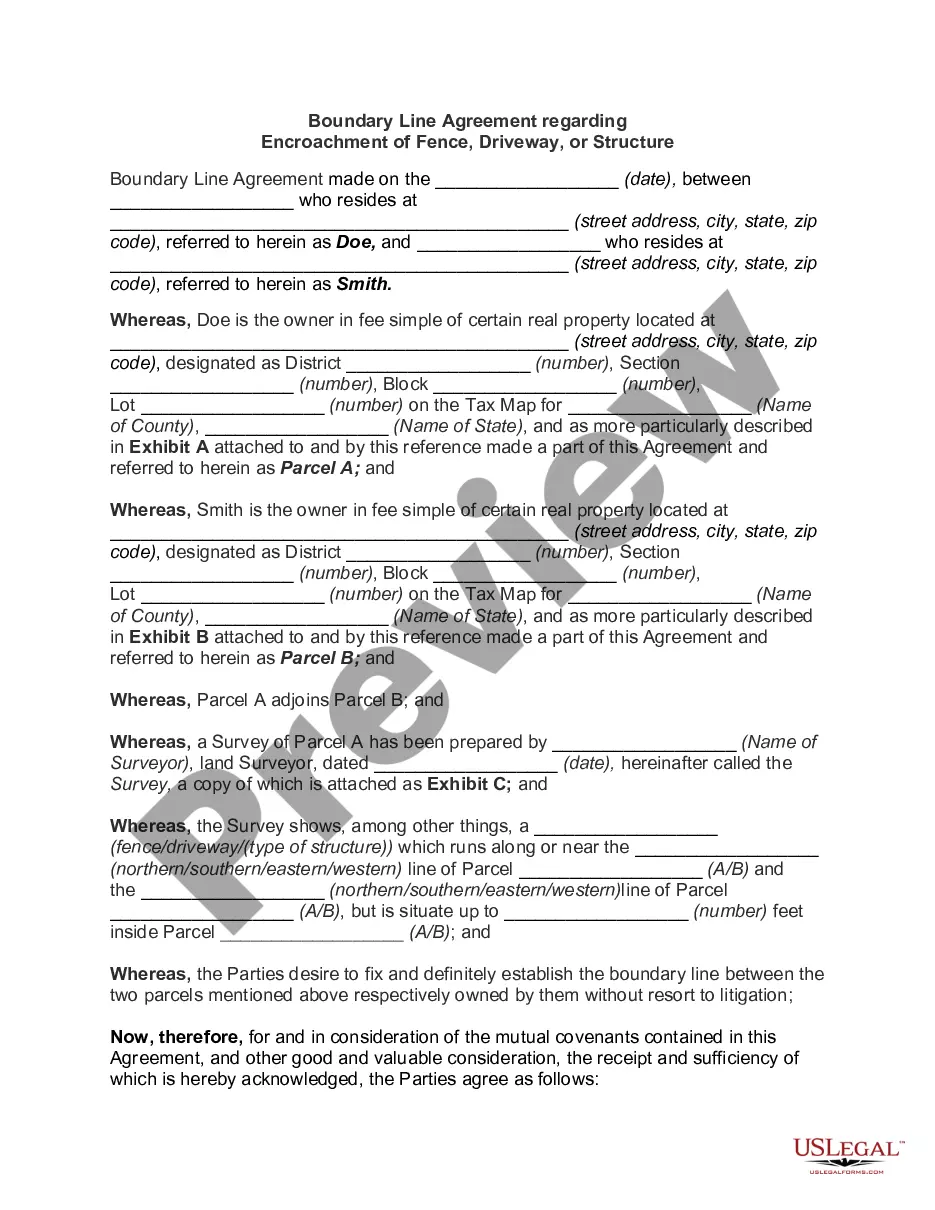
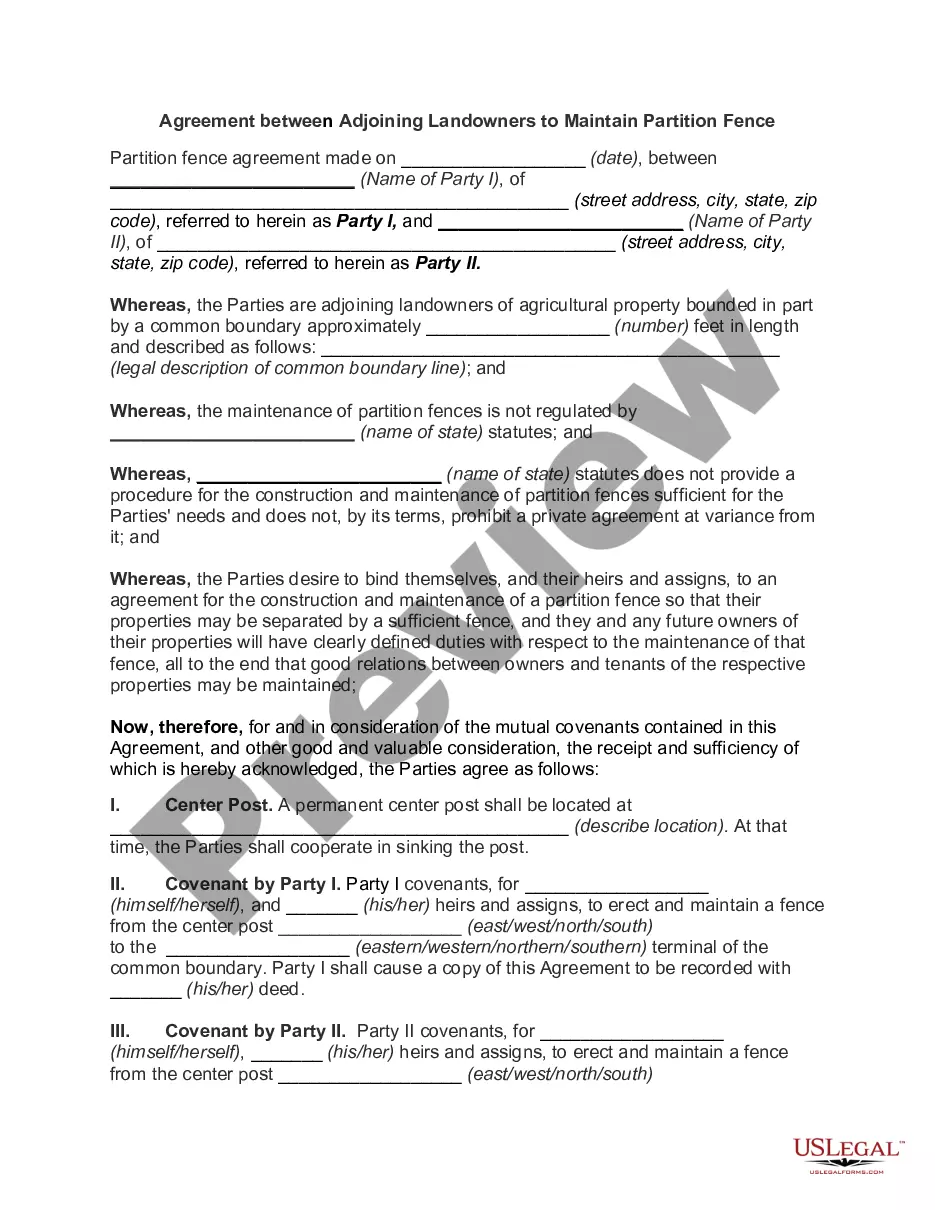
Get your form ready online
Our built-in tools help you complete, sign, share, and store your documents in one place.
Make edits, fill in missing information, and update formatting in US Legal Forms—just like you would in MS Word.
Download a copy, print it, send it by email, or mail it via USPS—whatever works best for your next step.
Sign and collect signatures with our SignNow integration. Send to multiple recipients, set reminders, and more. Go Premium to unlock E-Sign.
If this form requires notarization, complete it online through a secure video call—no need to meet a notary in person or wait for an appointment.
We protect your documents and personal data by following strict security and privacy standards.

Make edits, fill in missing information, and update formatting in US Legal Forms—just like you would in MS Word.

Download a copy, print it, send it by email, or mail it via USPS—whatever works best for your next step.

Sign and collect signatures with our SignNow integration. Send to multiple recipients, set reminders, and more. Go Premium to unlock E-Sign.

If this form requires notarization, complete it online through a secure video call—no need to meet a notary in person or wait for an appointment.

We protect your documents and personal data by following strict security and privacy standards.
Looking for another form?



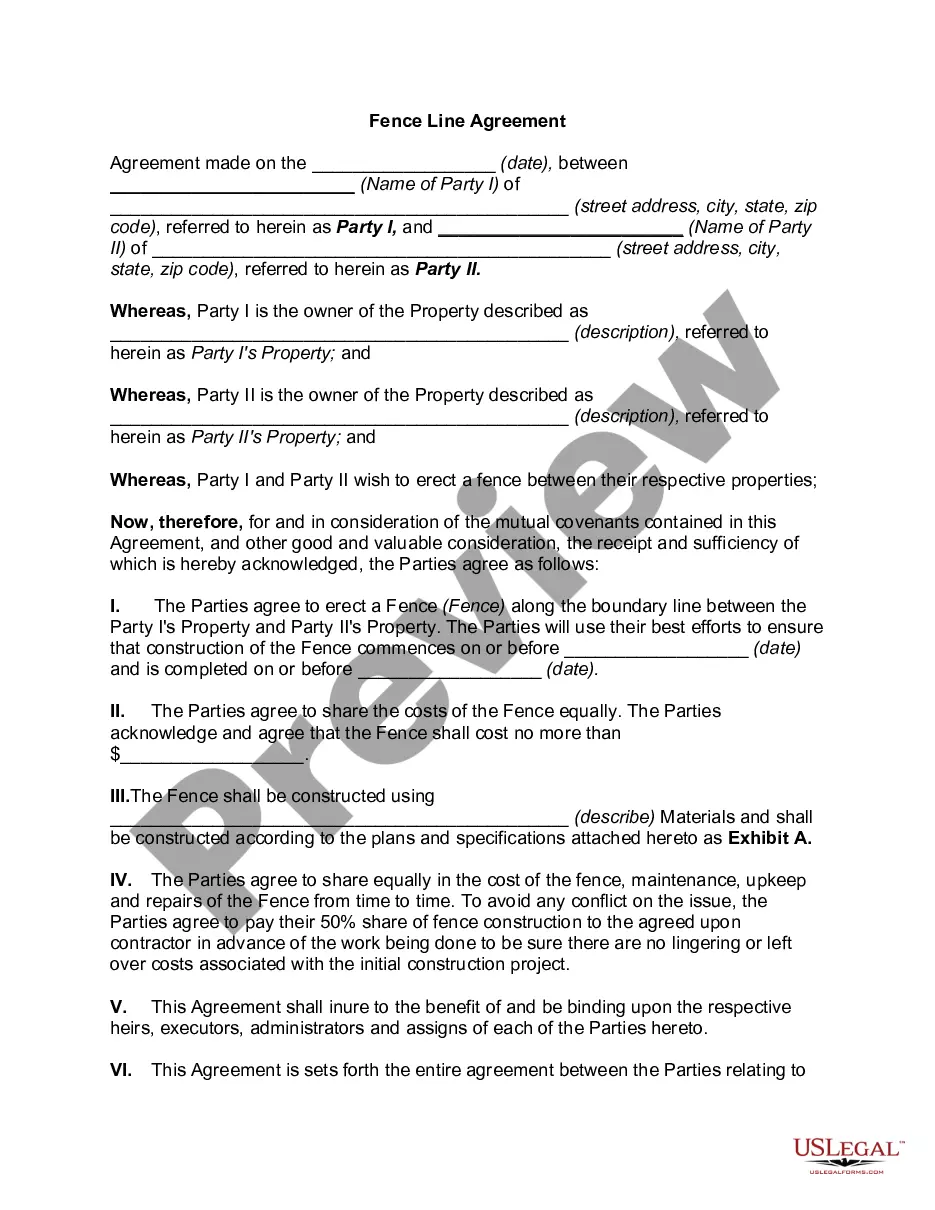
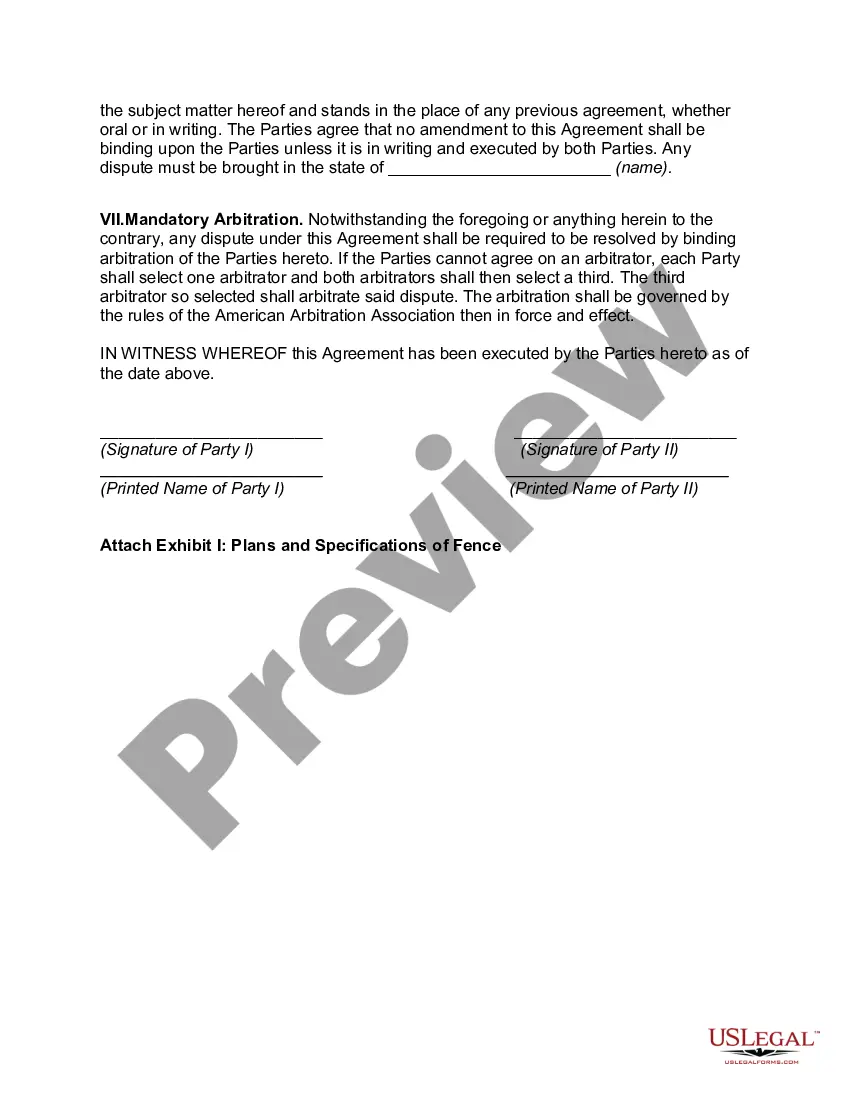
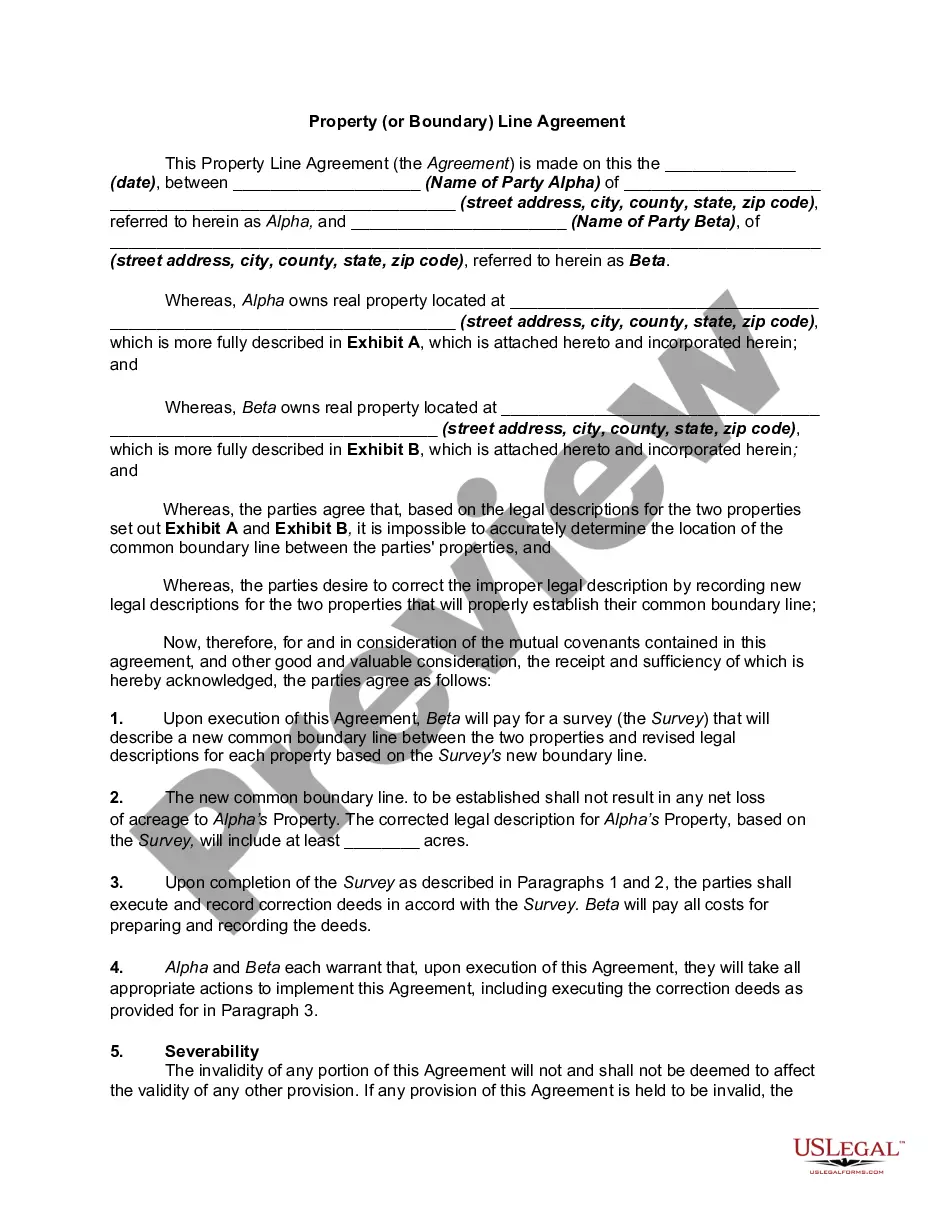
How to fill out Fence Line Agreement?
If you are looking to finalize, obtain, or print valid document templates, refer to US Legal Forms, the best collection of legal forms available online.
Leverage the site's user-friendly and convenient search functionalities to find the documents you need.
Many templates for business and personal purposes are organized by categories and claims, or keywords. Use US Legal Forms to easily find the West Virginia Fence Line Agreement in just a few clicks.
Every legal form you obtain is yours permanently. You can access every form you downloaded in your account. Go to the My documents section and select a form to print or download again.
Take action and download and print the West Virginia Fence Line Agreement with US Legal Forms. There are millions of professional and state-specific templates you can use for your business or personal needs.
- If you are already a US Legal Forms member, sign in to your account and click the Get button to obtain the West Virginia Fence Line Agreement.
- You can also access forms you have previously downloaded from the My documents section in your account.
- If you are using US Legal Forms for the first time, follow these instructions.
- Step 1. Ensure you have chosen the form relevant to your city/state.
- Step 2. Utilize the Preview feature to review the form's contents. Be sure to read the description.
- Step 3. If you are not satisfied with the form, use the Search box at the top of the screen to find other variations of the legal form template.
- Step 4. Once you have located the form you need, click the Purchase now option. Select your preferred pricing plan and enter your credentials to register for an account.
- Step 5. Process the payment. You can use your Visa or Mastercard or PayPal account to complete the transaction.
- Step 6. Choose the format of the legal form and download it to your device.
- Step 7. Fill out, edit, print, or sign the West Virginia Fence Line Agreement.
Form popularity
FAQ
Yes, you can typically place your fence next to your neighbor’s fence, provided it does not violate local zoning laws. It's always best to communicate with your neighbor before starting this kind of project to avoid misunderstandings. Utilizing the West Virginia Fence Line Agreement can inform you about your rights and obligations in such situations. Ensuring clear boundaries can lead to a cooperative relationship with your neighbor.
Customers having new fencing installed often ask us exactly where they should position their new fence. Getting it right avoids (potentially costly) disputes over encroachment in the future. As a rule of thumb, the outer face of the fence should be placed along the boundary. The posts should stand on your land.
How Close To The Property Line Can I Build? Fences are typically built between 2 and 8 inches from the line between properties. Some areas will allow the building of fences directly on the property line, but in this case, you'll have to cooperate with your neighbor and potentially share the cost of the fence.
You should try to figure out where the boundary between the two properties is. As long as it's not higher than 2m, your neighbour is free to put up a fence on their property. If you have an issue with the fence, you should always try to resolve the situation in an informal way.
Yes. The Party Wall Act permits you to build up to or astride the line of junction/boundary with your neighbour, but the correct notices must be served and the correct process followed.
In most cases, if you add an outdoor structure such as a fence, you need a permit. However, it specifically depends on the codes, zoning and regulations of where you live. In some cases, you may not need a permit but you must adhere to the local regulations regarding height limits and specific fence materials.
Boundary FencesPartition fences must be "lawful" as defined by West Virginia Code, unless the adjoining landowners agree in writing to build a fence of different specifications.
Additionally, West Virginia has a special statute for hedge fences. A hedge fence may not extend more than 18 inches over the dividing line of a neighbor's property or into a public road. A violation of this statute could result in a 10 day notice to correct the problem.
The exact amount a building needs to be set back from the property line will vary from one location to another. However, the required setback on the side is typically between 5 10 feet, while the front and back require around 10 20 feet at a minimum.
West Virginia fencing requirements state that most fences should be at least four feet high for both property boundaries and those along public right of ways. Worm rail fences must be 4 1/2 feet tall, while stone fences need only be 3 1/2 feet tall and 2 feet wide.